Occupational and Environmental Medicine Grand Rounds
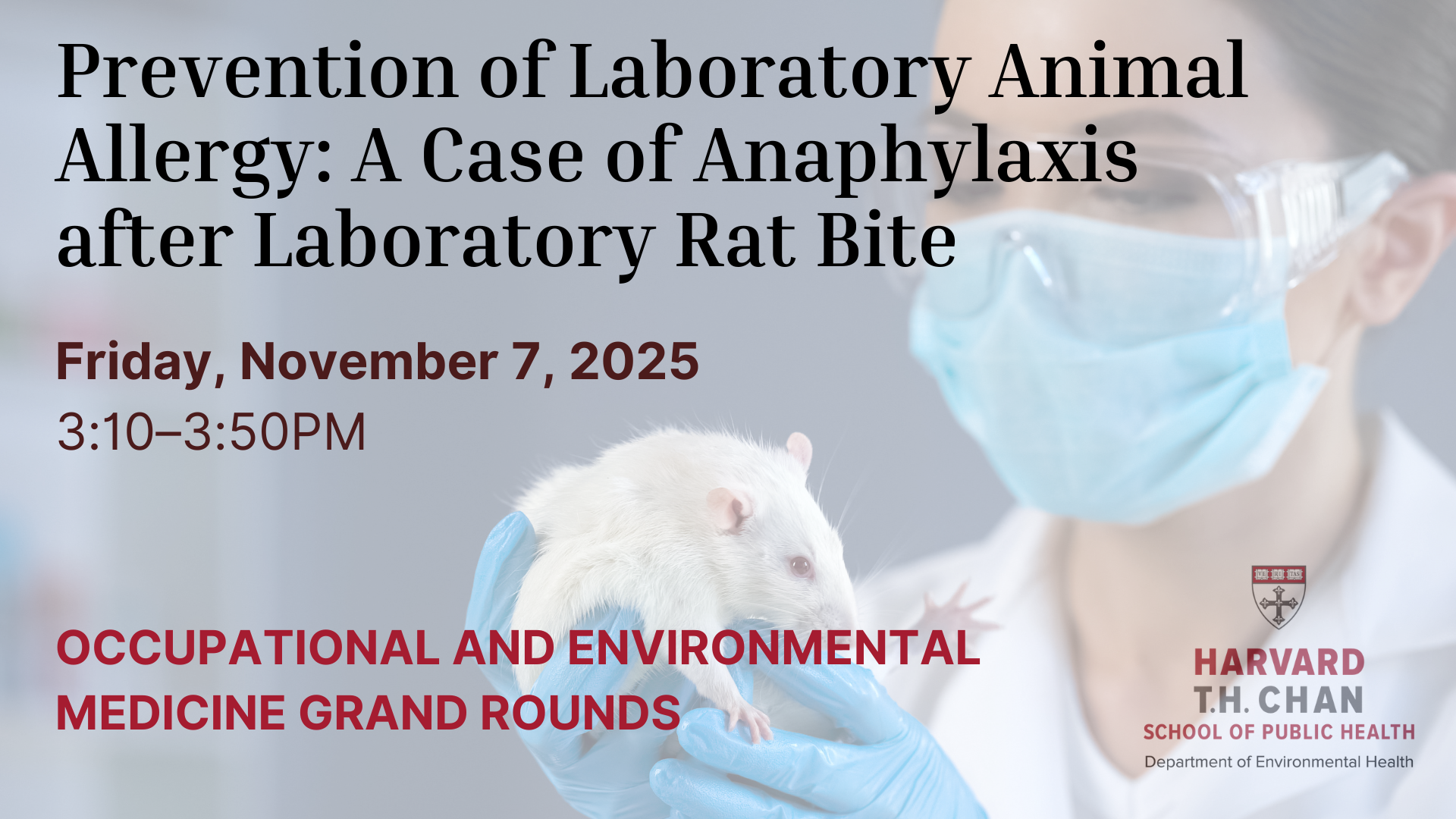
Please note: this start time for this week’s Grand Rounds has changed from 1:10 to 3:10 PM. This is just a one-time change.
The Department of Environmental Health and the Occupational and Environmental Medicine Residency Program invite you to the Occupational and Environmental Medicine Grand Rounds.
Topic: Prevention of Laboratory Animal Allergy: A Case of Anaphylaxis after Laboratory Rat Bite
Presenter: Jeremy Berger, DO, MPH, MS, Second-year resident in the Occupational and Environmental Medicine Residency, Harvard T.H. Chan School of Public Health
Discussant: Gregg Stave, MD, JD, MPH, Medical Professor, Duke University
Location: Harvard T.H. Chan School of Public Health, Building 1, Room 1302 and Zoom.
Learning Objectives:
At the conclusion of this activity, participants will be able to:
- Discuss how to control Laboratory Animal Allergy Exposures using a structured hierarchy of controls.
- Explain how to identify cases of Laboratory Animal Allergy in your patients.
- Describe medical surveillance steps to assess workers for Laboratory Animal Allergy.
Register: Please click here to register to attend via Zoom.
CMEs for US licensed physicians
This activity has been planned and implemented in accordance with the accreditation requirements and policies of the Accreditation Council for Continuing Medical Education (ACCME) through the joint providership of The Harvard T.H. Chan School of Public Health and the Harvard Chan Education and Research Center. The Harvard T.H. Chan School of Public Health is accredited by the ACCME to provide continuing medical education for physicians.
The Harvard T.H. Chan School of Public Health designates this live activity for 1.5 AMA PRA Category 1 Credits™. Physicians should claim only the credit commensurate with the extent of their participation in the activity
Speaker Information
Gregg Stave
Organizers
Celebrating the life of Richard Cash
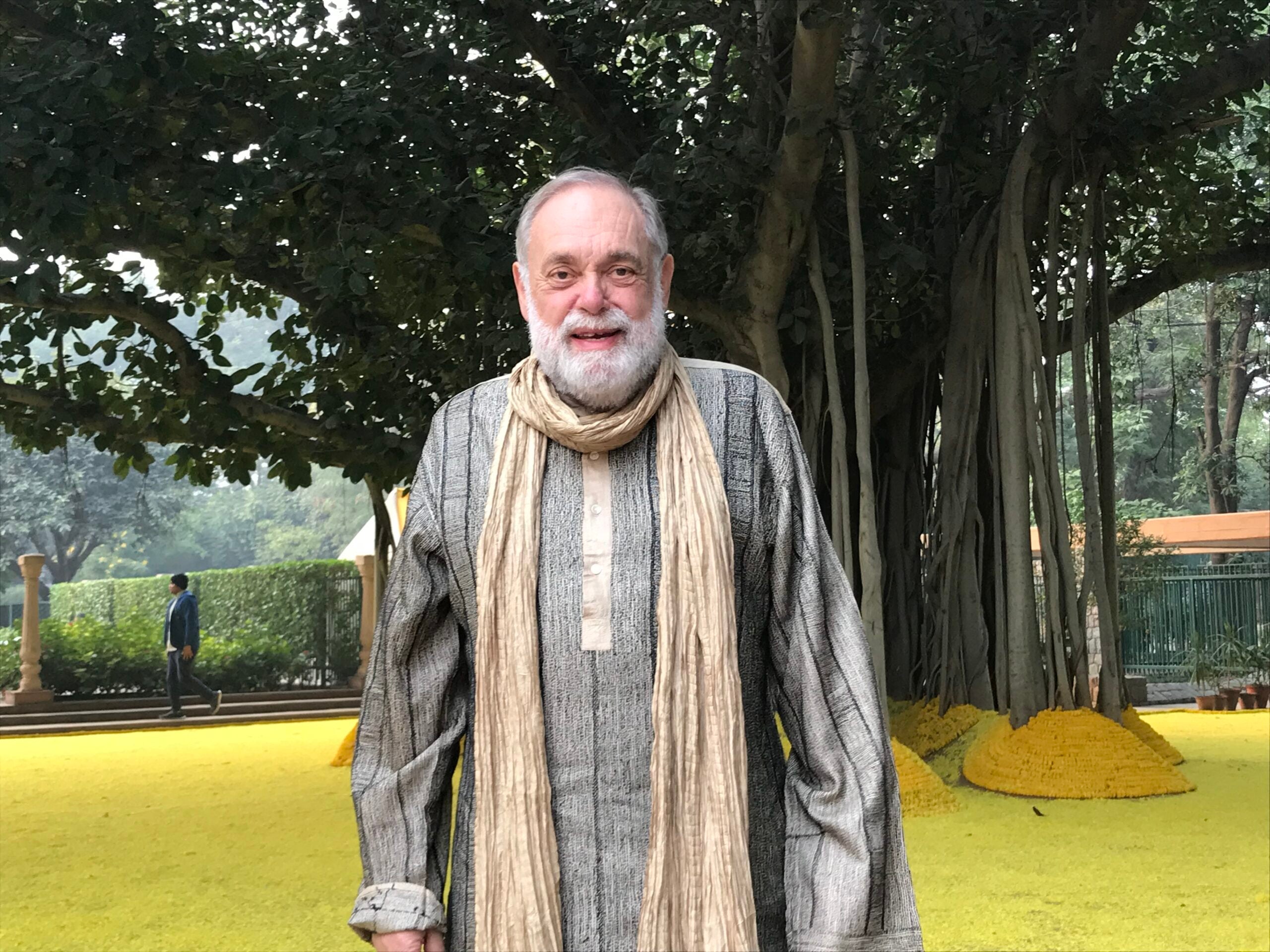
Join the Department of Global Health and Population to celebrate the life and legacy of Richard Cash.
Richard was widely recognized for his contributions to developing oral rehydration therapy (ORT), a technique that has since been credited with saving millions of lives and has been described by The Lancet as “potentially the most significant medical advance of the century.” Beyond his public health impact, Richard influenced innumerable students, colleagues, and friends over his nearly five decades at the School. Throughout his career, he remained dedicated to working with communities to find simple, accessible, and effective solutions.
At this memorial, we will celebrate Richard’s life by hearing from panel of experts about Richard’s impact on the field of public health and from close friends, family, and colleagues about how he touched their lives. We will unveil a commissioned portrait, which will later be hung in the Department of Global Health and Population, and hold a small reception in the Kresge Cafeteria.
Please note that registration is required to attend this event.
For those wishing to honor Richard’s legacy, please donate the Richard Cash Memorial Fund.
Panelists
Lincoln Chen
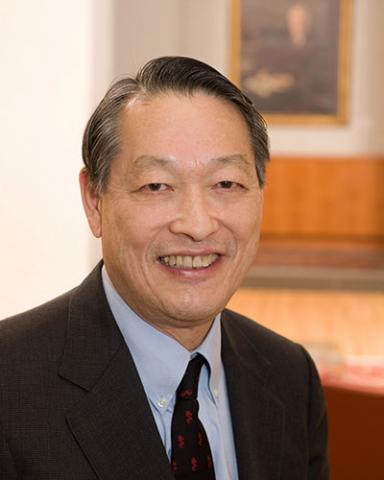
Tim Evans
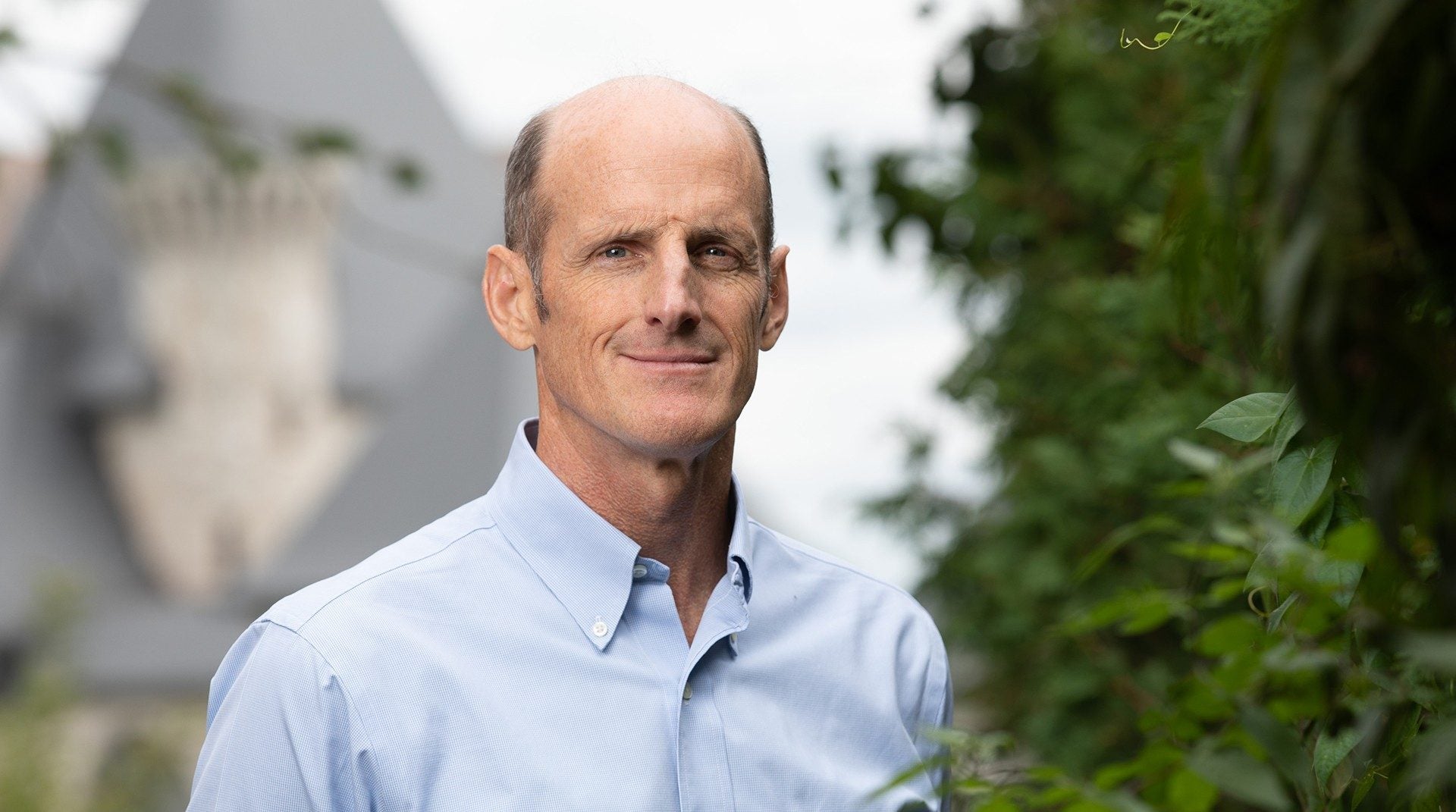
David Nalin
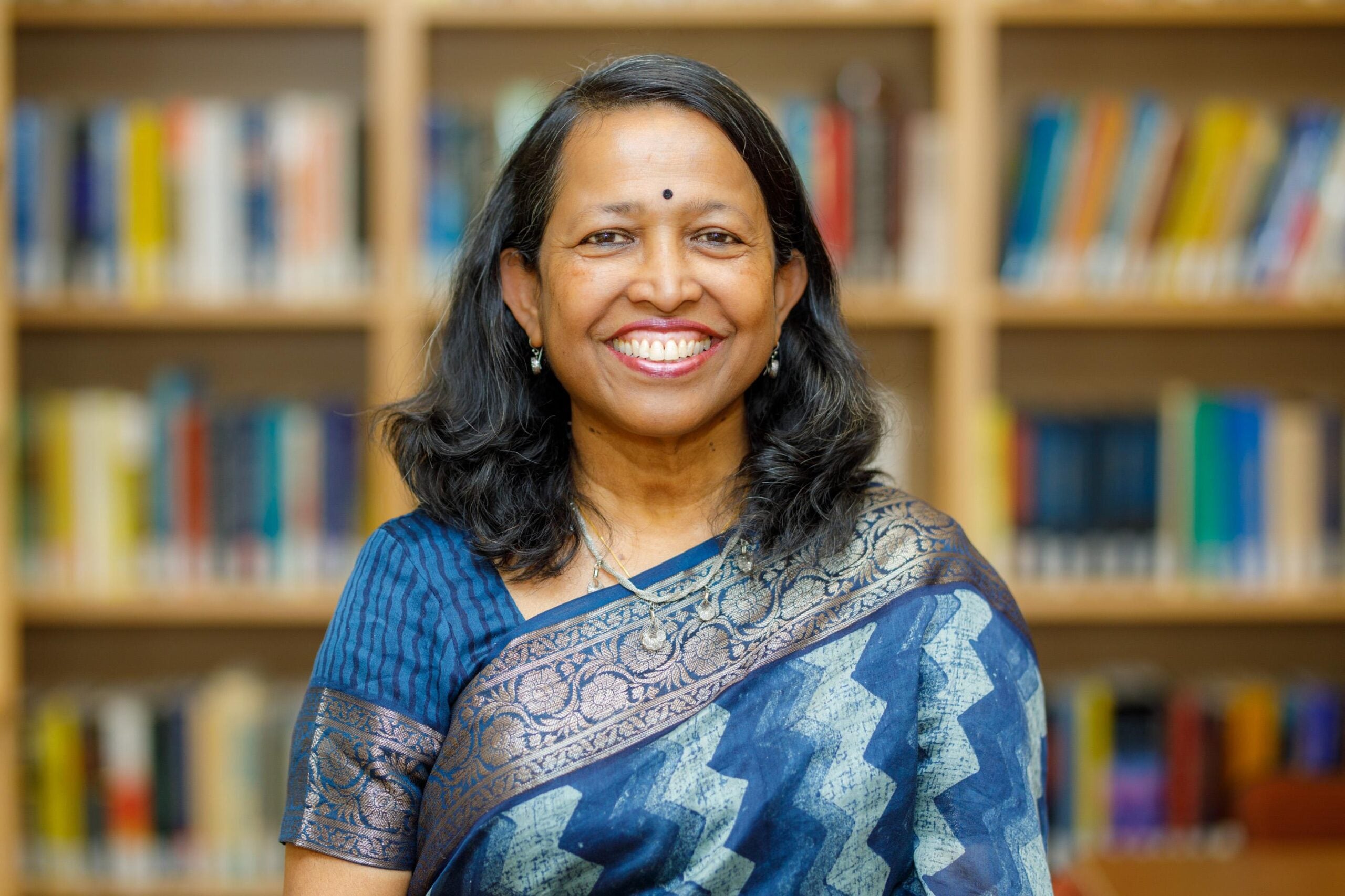
Malabika Sarker
Moderator
Organizers
Monday Nutrition Seminar | From Plate to Planet: Making Healthy and Sustainable Diets the Easy Choice. The Parma Experience
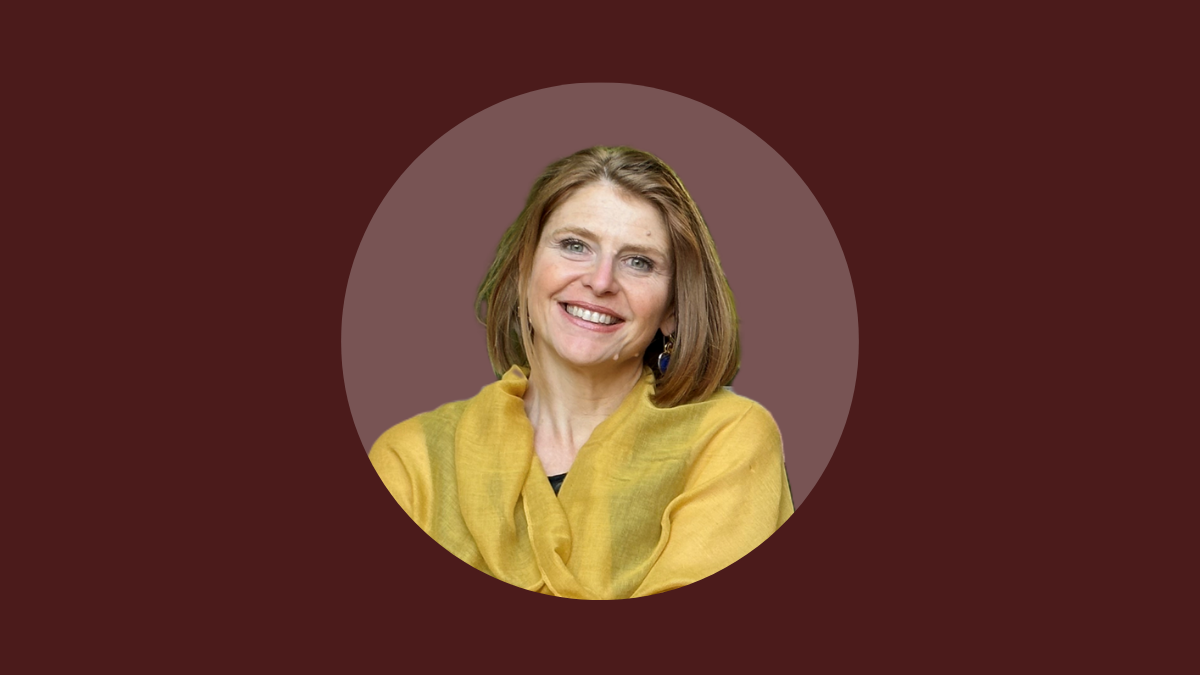
Please join the Department of Nutrition and Department of Global Health and Population for the Monday Nutrition Seminar featuring Dr. Francesca Scazzina, Professor in Human Nutrition at the University of Parma, Italy. Dr. Scazzina will present her talk on “From Plate to Planet: Making Healthy and Sustainable Diets the Easy Choice. The Parma Experience” on November 3, 2025 at 1:00pm ET. This lecture will take place in FXB G-13 and via Zoom (registration is required).
The Monday Nutrition Seminar Series is free and open to the public. If you plan to attend this event and do not have an active HUID, please fill out the registration form by 3:00pm ET on the Friday before the seminar to request a visitor pass to access the building.
Speaker Information
Francesca Scazzina, PhD
Organizers
Role of viral proteases in shaping virus-host interactions

Title Talk
“Role of viral proteases in shaping virus-host interactions”
THIS SPEAKER WILL BE IN PERSON IN FXB 301.
The event will be hybrid.
Speaker Information
Viruses have evolved sophisticated strategies to subvert host antiviral defenses and create conditions favorable for their replication. Our work focuses on how viral proteases selectively cleave host proteins that play key roles in innate immune responses. To systematically uncover these virus-host interactions, we have developed a systems biology platform that enables the global identification of proteolytic events during viral infection. We are using this platform to identify host proteins with previously unrecognized antiviral functions, offering new insights into how viruses disarm cellular defense pathways.
Related Events
MELD Seminar
The Department of Environmental Health invites you to next the Mechanisms of Environmental and Lung Diseases (MELD) T32 Seminar.
Title: Maternal Arsenic Reprograms the Placenta–Lung Axis and Increases Offspring Asthma Risk
Speaker: Wan-Yee Tang, PhD, Associate Professor of Environmental and Occupational Health Engineering, University of Pittsburgh School of Public Health
*Harvard Chan School hosts a diverse array of speakers, invited to share both scholarly research and personal perspectives. They do not speak for the School, and hosting them does not imply endorsement of their views, organizations, or employers.
Speaker Information
Wan-Yee Tang
Organizers
MELD Seminar
The Department of Environmental Health invites you to next the Mechanisms of Environmental and Lung Diseases (MELD) T32 Seminar.
Title: Aspartame Induced Cellular Stress, Inflammation, and Barrier Damage in Gut Epithelium
Speaker: Yagiz Pat, PhD, Postdoctoral Research Fellow, Department of Environmental Health
*Harvard Chan School hosts a diverse array of speakers, invited to share both scholarly research and personal perspectives. They do not speak for the School, and hosting them does not imply endorsement of their views, organizations, or employers.
Speaker Information
Organizers
Occupational and Environmental Medicine Grand Rounds
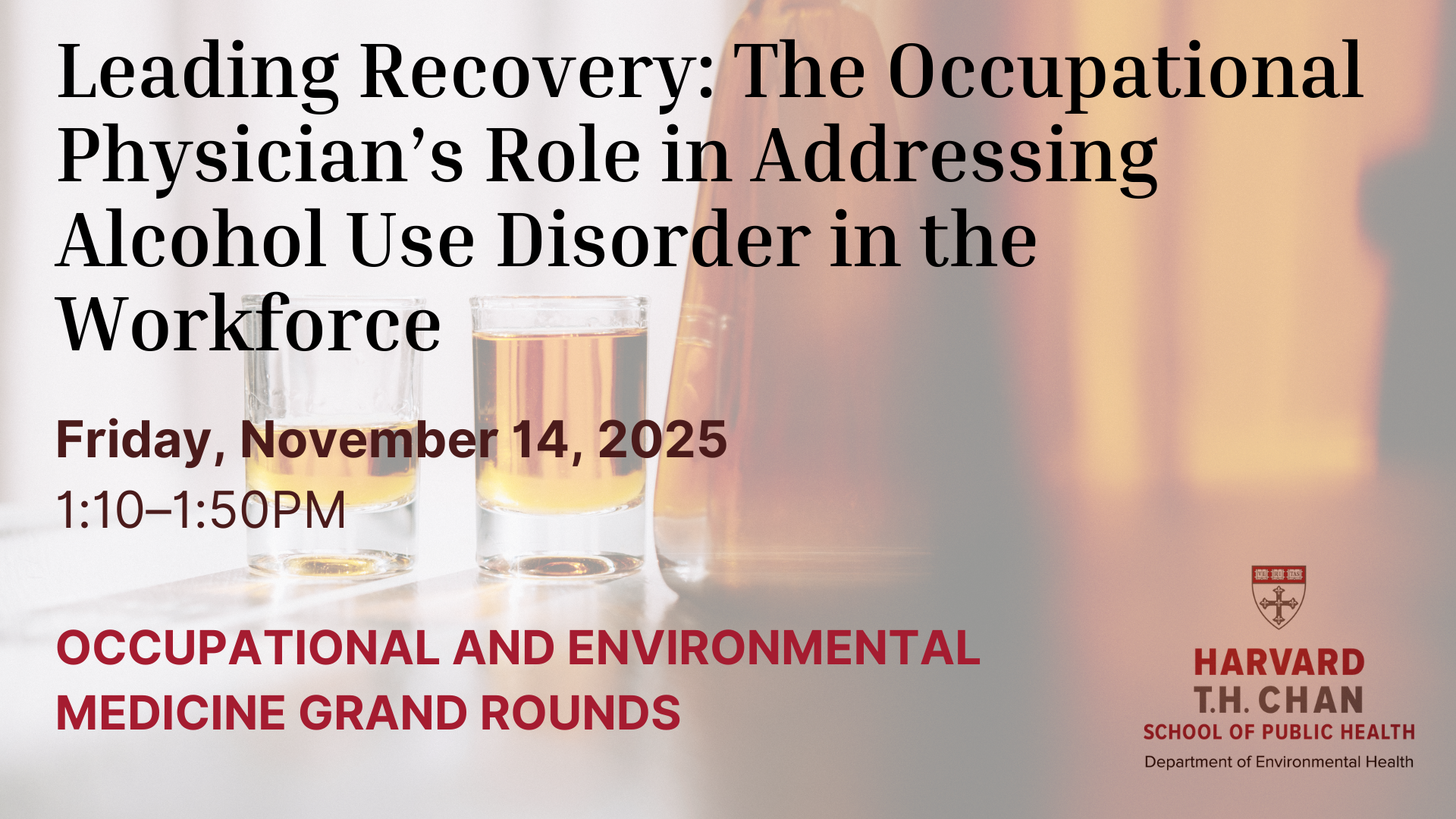
The Department of Environmental Health and the Occupational and Environmental Medicine Residency Program invite you to the Occupational and Environmental Medicine Grand Rounds.
Topic: Leading Recovery: The Occupational Physician’s Role in Addressing Alcohol Use Disorder in the Workforce
Discussant: Justin Yang, MD, MPH, FACP, FACOEM, FASAM
- Founder, Kinexus Health
- Associate Program Director & Adjunct Assistant Professor, OEM Residency, Harvard TH Chan School of Public Health
- Assistant Professor of Medicine, Boston University Chobanian & Avedisian School of Medicine
Learning Objectives:
- Summarize the epidemiology and occupational impact of Alcohol Use Disorder (AUD) among workers.
- Outline best practices for assessing and managing safety-sensitive employees affected by AUD to promote recovery and workplace safety.
- Discuss the role of occupational medicine clinicians in leading organizational strategies for recovery and workforce resilience.
Location: Building 1, Room 1302, Harvard T.H. Chan School of Public Health or Zoom
Register: Please click here to register to attend via Zoom.
CMEs for US licensed physicians
This activity has been planned and implemented in accordance with the accreditation requirements and policies of the Accreditation Council for Continuing Medical Education (ACCME) through the joint providership of The Harvard T.H. Chan School of Public Health and the Harvard Chan Education and Research Center. The Harvard T.H. Chan School of Public Health is accredited by the ACCME to provide continuing medical education for physicians.
The Harvard T.H. Chan School of Public Health designates this live activity for 1.5 AMA PRA Category 1 Credits™. Physicians should claim only the credit commensurate with the extent of their participation in the activity.
*Harvard Chan School hosts a diverse array of speakers, invited to share both scholarly research and personal perspectives. They do not speak for the School, and hosting them does not imply endorsement of their views, organizations, or employers.
Speaker Information
Organizers
Inside Google’s X, The Moonshot Factory
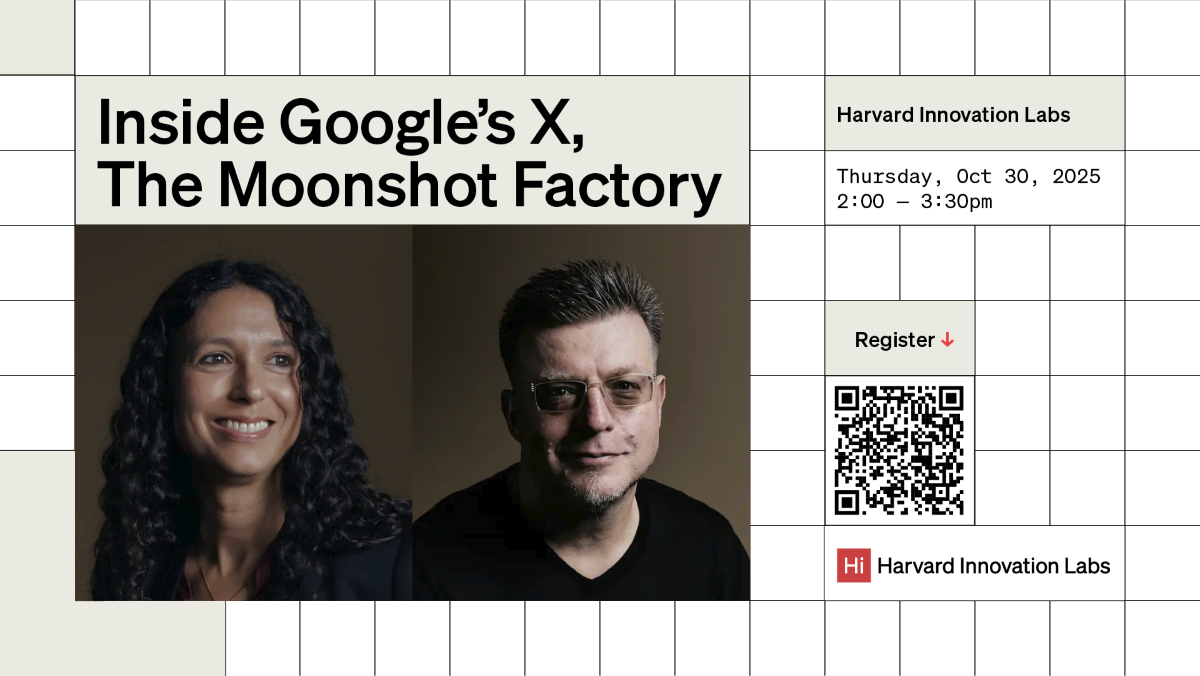
Join us at the Harvard Innovation Labs for an exclusive fireside chat with Google X’s Helen Riley and Ivo Stivoric, moderated by HBS’s Allison Mnookin. Discover how high-risk, high-reward innovation happens at one of the world’s most ambitious R&D labs, and gain insights into bold thinking at scale. Connect with innovators from across Harvard, ask your questions, and enjoy networking with light refreshments after the conversation. All Harvard community members are welcome.
Moderator
Speaker Information
Allison Mnookin
Helen Riley
Ivo Stivoric
Organizers
The State of Biomedical Science in the US — How Did We Get Here and What Can We Do?
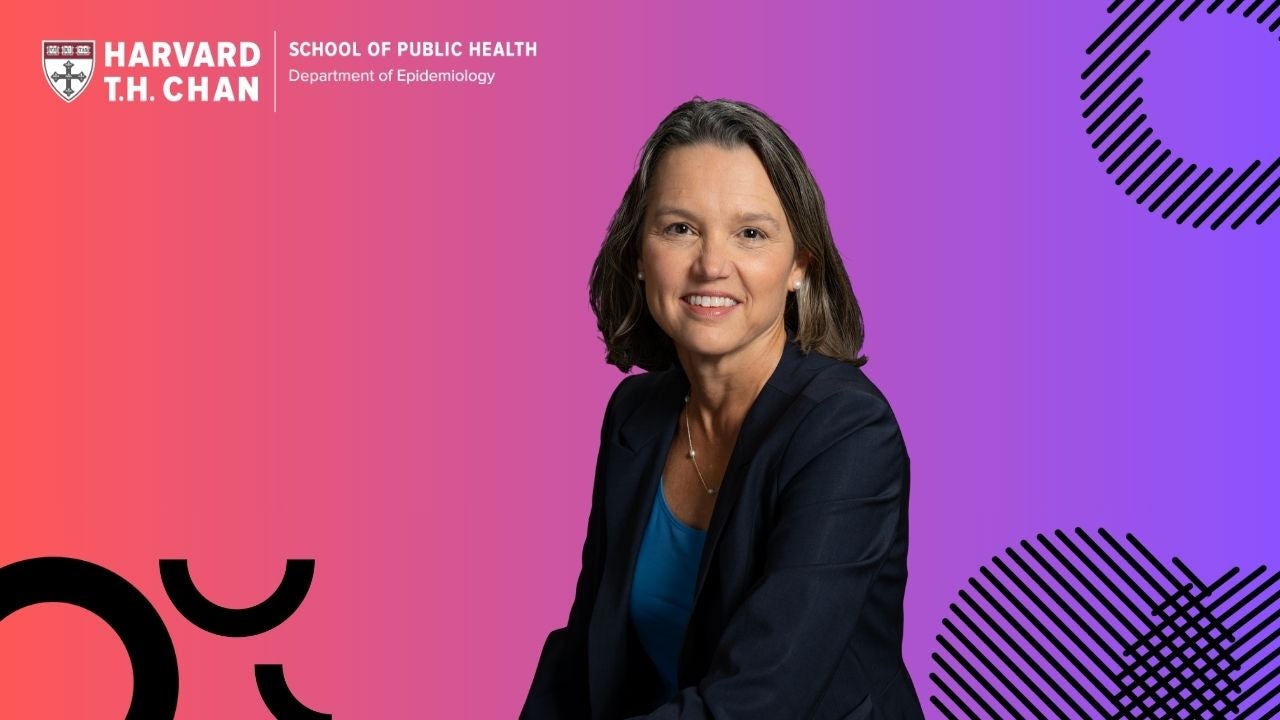
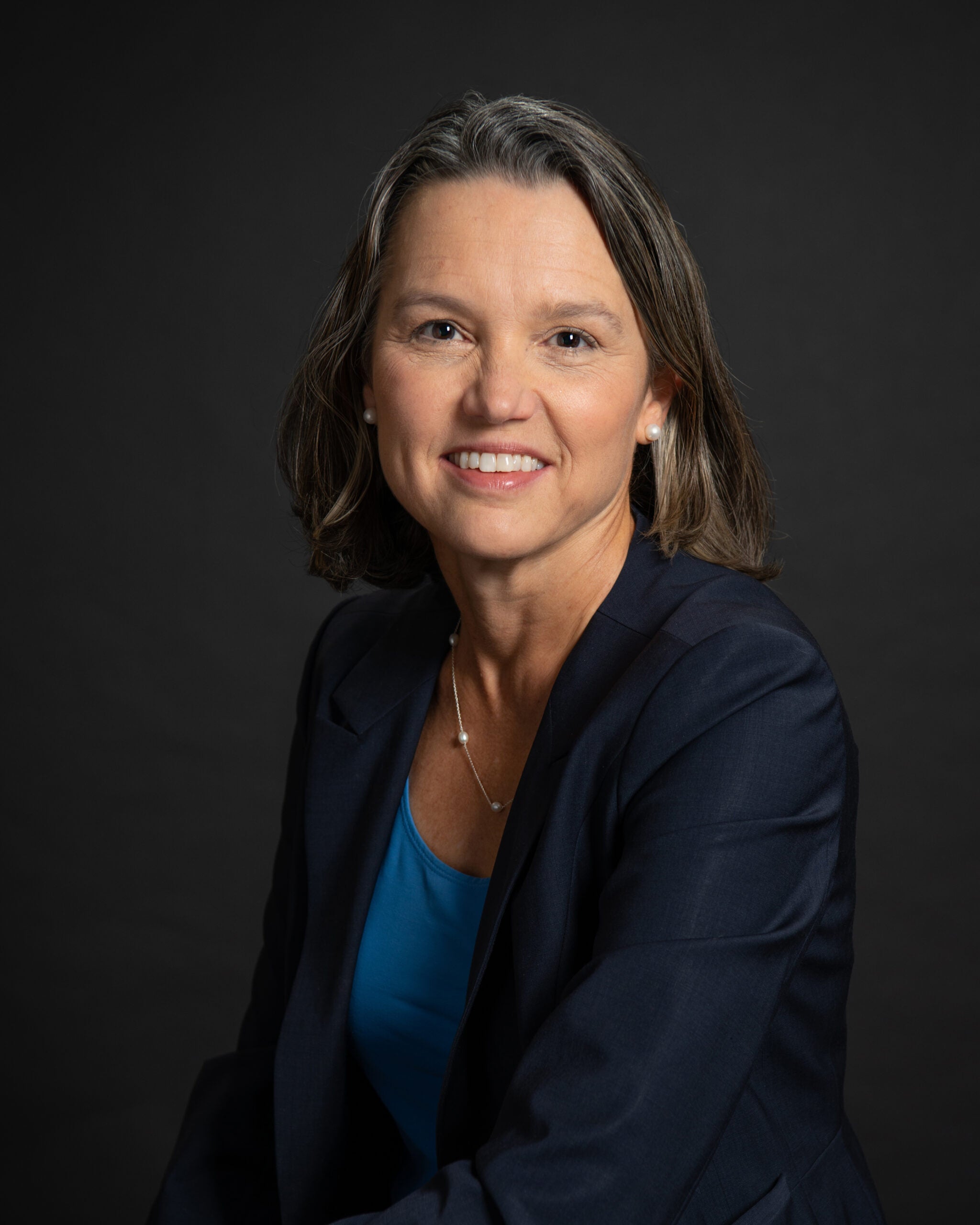
The 177th Cutter Lecture on Preventive Medicine
Abstract: The decades following the Vandervar Bush report on governmental investment in scientific research were times of extraordinary growth and innumerable accomplishments for the US biomedical research enterprise. NIH funding grew from 45 million dollars in 1945 to over 41 billion dollars by 2020. Health outcomes improved dramatically, at least in part because of the science generated by that investment. Heading into 2020, the future of US biomedical research appeared remarkably bright. Adding in the extraordinary response of our scientific and clinical systems to the COVID-19 pandemic, few would have predicted the current challenges facing biomedical research in the US. Understanding how we got here is a first step towards restoring the trajectory of biomedical research in the US.
This hybrid event offers livestream and in-person viewing options (with limited in-person seating). Seats in the main auditorium are first come, first served. There will also be a recording of the event for those who cannot attend.
Stay for the reception 5:00-6:00PM in Sebastian’s Cafe.
Open to the public.
Speakers will share their own perspectives; they do not speak for Harvard.
Speaker Information
Organizers
Community-Engaged Research Working Group in Environmental Health
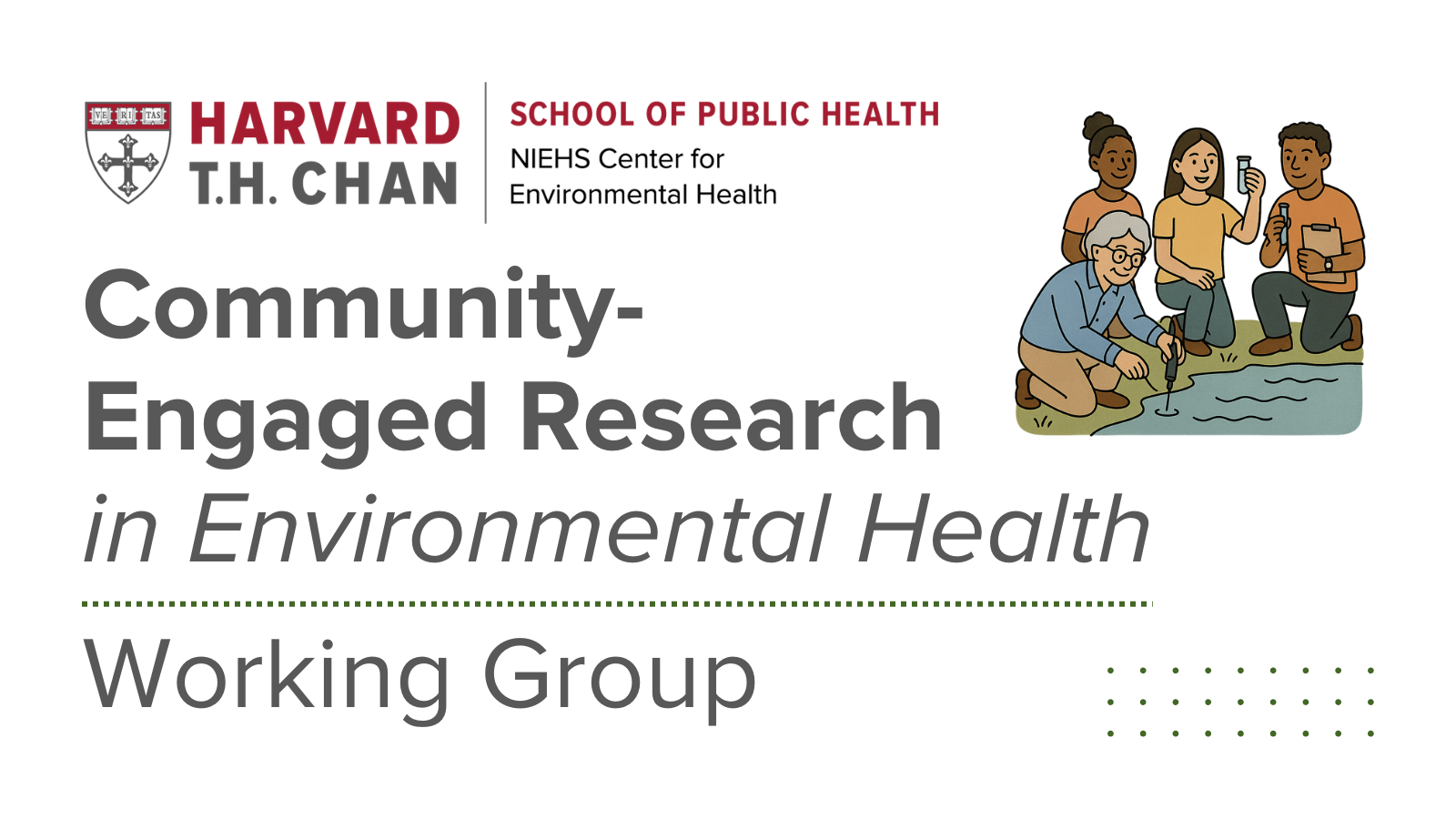
Join the Harvard Chan NIEHS Center’s working group on community-engaged research in environmental health!
This working group brings together faculty, trainees, students, and staff to discuss the methods and practice of conducting community-engaged research with a focus on environmental health.
We’ll meet in person in Kresge 201 on November 7, 1-2 pm, to establish our meeting cadence and group priorities. Bring your own lunch. Light refreshments will be provided.
Please email niehsctr@hsph.harvard.edu to RSVP!