Innovations in immigrant mental health
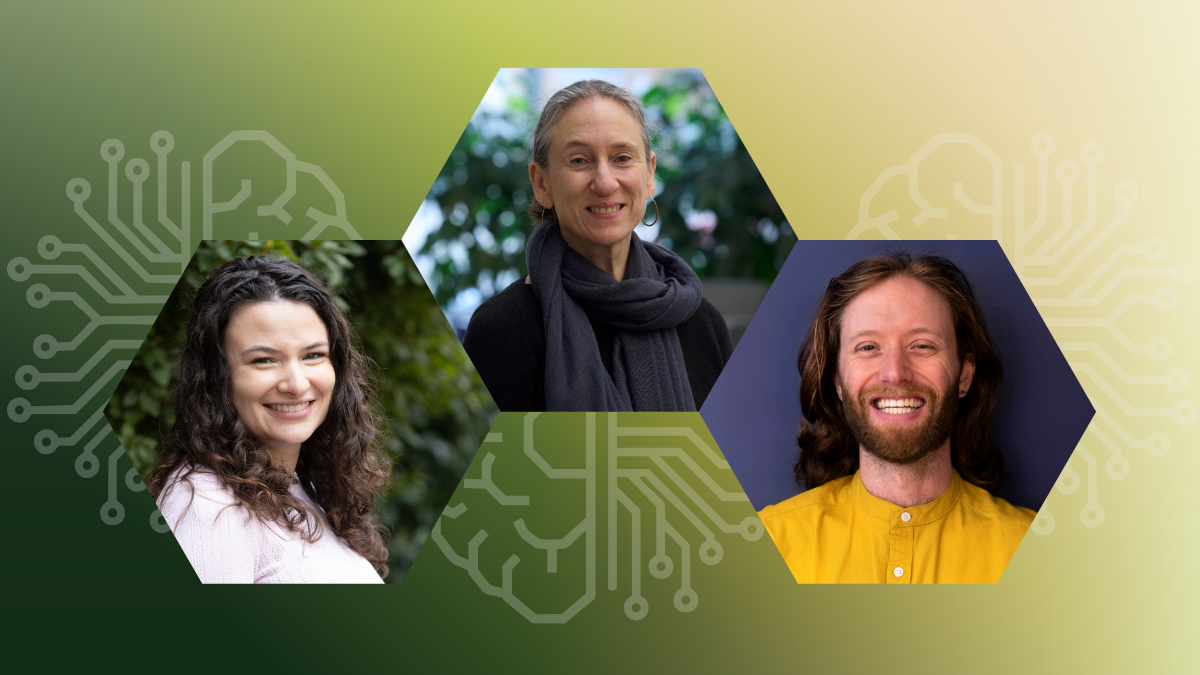
Join us for a conversation with colleagues from the Cambridge Economic Opportunity Committee and the Somerville Public Library to learn about innovative ways in which community-based programs and services are addressing the mental health and wellbeing of immigrants. The Partnerships for Community Mental Health and Immigrant Well-being initiative is cohosted by the FXB Center for Health and Human Rights and the Harvard T.H. Chan School of Public Health Office of Field Education and Practice. This project aims to examine the mental healthcare landscape in Massachusetts and learn from immigrant-led, culturally rooted, community-based approaches to mental health.
Additional details:
Main talk from 1:00pm-1:50pm EDT at the Harvard T.H. Chan School of Public Health, Kresge 200 (677 Huntington Ave, Boston, MA, 02115). The conversation will continue at the Jonathan M. Mann Conference Room (FXB Building, 7th Floor, 651 Huntington Ave, Boston, MA).
Moderator: Margaret (Maggie) Sullivan, FNP-BC, DrPH, FAAN
Margaret (Maggie) Sullivan is an Instructor and Director of the FXB Center for Health and Human Rights Program on Immigrants and Unhoused Communities, a Distinguished Fellow of the National Academies of Practice (NAP) in Nursing, and a Fellow of the American Academy of Nursing (FAAN). She is a nationally board-certified family nurse practitioner dedicated to serving immigrant communities, especially those with precarious documentation status or at risk of homelessness. Maggie co-leads the Partnership for Community Mental Health and Immigrant Well-being with her colleague, Jocelyn Chu, a project which aims to examine the mental healthcare landscape in Massachusetts and learn from immigrant-led, culturally rooted, community-based approaches to mental health. She co-advises the Harvard Students Human Rights Collaborative (HSHRC) and conducts forensic medical evaluations for asylum with Harvard Medical School’s Asylum Clinic. In collaboration with the Initiative on Health & Homelessness, Maggie co-developed and co-teaches HPM 523: Homelessness and Health: Lessons from Health Care, Public Health, and Research. Since 2009, Maggie has practiced at Boston Health Care for the Homeless (BHCHP), providing primary care to immigrant and limited English proficient (LEP) patients in shelter-based clinics. In March of 2019 she launched Oasis, an immigrant health clinic at BHCHP where immigrants experiencing homelessness are connected with interdisciplinary and multilingual health services. Maggie also works as a clinical consultant with the Massachusetts League of Community Health Center’s farmworker health program. Between 2010-2017, she collaborated with Partners In Health in Chiapas, Mexico and Guatemala.
Speakers:
Rachel Plummer is the Associate Director at Cambridge Economic Opportunity Committee (CEOC), Cambridge’s anti-poverty nonprofit. Rachel has been working at CEOC for 4 years. She began as a graduate student intern at CEOC during her Master of Public Health program at the Harvard T. H. Chan School of Public Health. Before working at CEOC, she worked at Massachusetts General Hospital in clinical research related to addiction medicine. Rachel’s current position at CEOC touches all of CEOC’s program areas with a particular focus on food insecurity and mental health. She leads the agency’s community-based mental health program, where non-clinicians deliver a 5-session mental health intervention. Rachel is deeply committed to hearing and centering the voices of community members and incorporating those voices in programmatic and policy decision making.
Jake Savage, is the Library Social Worker at Somerville Public Library. A Somerville resident with a background in immigrant and refugee health, he is passionate about increasing equity in the community through advocacy, programming, and access to resources and information. He also loves to read, hike, and solve crossword puzzles!
This event is co-sponsored by the Harvard T.H. Chan School of Public Health Field Education and Practice Office.
Speaker remarks are based on their own scholarship and experience. As such, they speak for themselves, not for Harvard University.
Organizers
Information Sick: The Decline of Journalism, the Rise in Misinformation, and the Nation’s Health
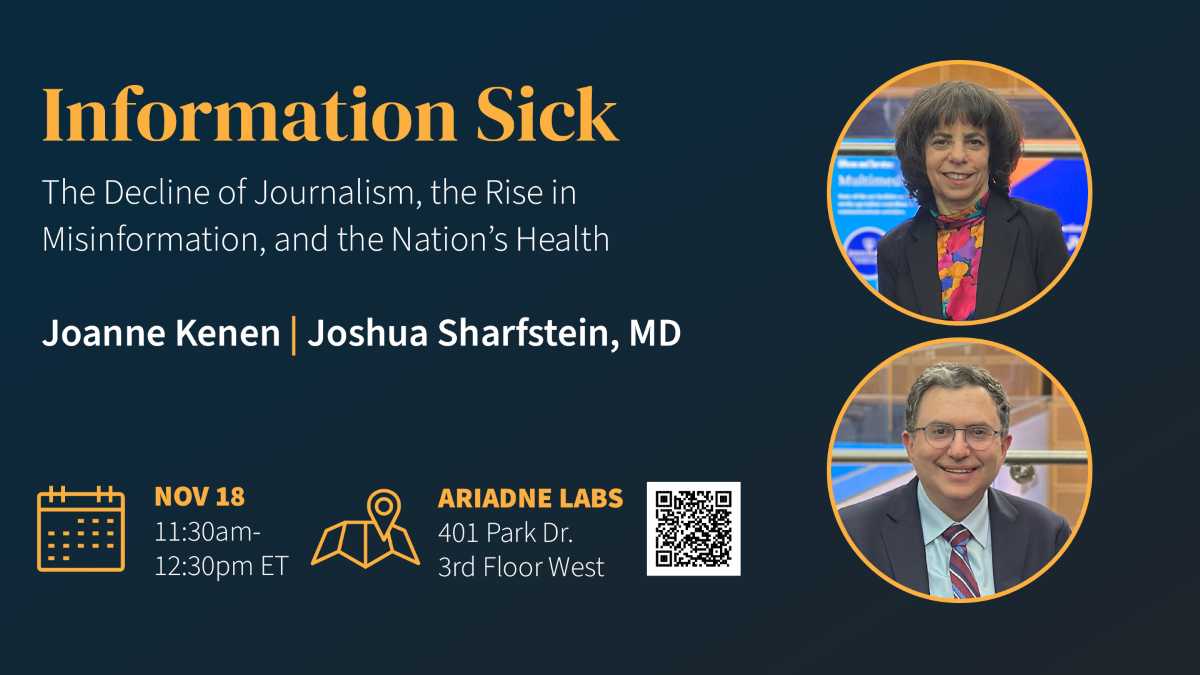
Award-winning journalist Joanne Kenen is the lead author of a new book on the information environment in the United States. She’ll be joined by one of her co-authors, Johns Hopkins Professor Joshua Sharfstein.
A former city, state, and federal public health official, Dr. Sharfstein has experienced and studied the consequences of these challenges for health. They’ll lead a discussion about how we got here —and what comes next.
Join us in person at Ariadne Labs or virtually!
Speaker Information
Joanne Kenen
Joshua Sharfstein
Organizers
2025 – 2026 Takemi Fellows Meet and Greet
We invite you to meet the 2025-2026 Takemi Fellows in the Department of Global Health and Population! Learn about their research, hear their experiences, and enjoy food and refreshments.
Organizers
Harvard Pop Center Social Demography Seminar: “Revisiting theories of marital instability in the era of gray divorce: The case of retirement”

Shiro Furuya, PhD, David E. Bell Postdoctoral Fellow, Harvard Center for Population and Development Studies, presents “Revisiting theories of marital instability in the era of gray divorce: The case of retirement.”
The Social Demography Seminar (SDS) series at the Center for Population and Development Studies provides a lively forum for scholars from across the university to discuss in-progress social scientific and population research. Social demography includes work that uses demographic methods to describe and explain the distribution of social goods across populations. The hybrid series offers presentations on a wide variety of topics such as family, gender, race/ethnicity, population health—including mortality, morbidity, and functional health—inequality, immigration, fertility, and the institutional arrangements that shape and respond to population processes.
Please note, you will need an HUID or visitor’s pass for access to this event.
Speaker Information
Shiro Furuya, PhD
Organizers
Warren Alpert prize symposium- Cracking the Capsid: Lenacapavir and the Next Chapter in HIV Treatment and Prevention
The Warren Alpert Foundation and Harvard Medical School invite you to the 2025 Warren Alpert Foundation Prize Symposium honoring Tomáš Cihlář PhD, John O. Link, PhD, and Wesley Sundquist, PhD for their critical contributions to the discovery and development of lenacapavir, the first approved drug to disrupt a viral capsid. The high potency of lenacapavir and its twice-yearly dosing regimen have the potential to significantly accelerate the end of the HIV epidemic.
Speaker Information
Invited Speakers
George Q. Daley, MD, PhD
Bruce Walker, MD
Tomáš Cihlář, PhD
John Link, PhD
Wesley Sundquist, PhD
Conversation with Bill Gates (by video recording)
Linda-Gail Bekker, MD, PhD
Organizers
Harvard Pop Center Social Demography Seminar: “State data and the production of quantitative knowledge: The case of police stops in the United States and France”

Michael Zanger-Tishler, PhD candidate in Sociology & Social Policy, Harvard University, and graduate student affiliate, Harvard Center for Population and Development Studies, presents “State data and the production of quantitative knowledge: The case of police stops in the United States and France.”
The Social Demography Seminar (SDS) series at the Center for Population and Development Studies provides a lively forum for scholars from across the university to discuss in-progress social scientific and population research. Social demography includes work that uses demographic methods to describe and explain the distribution of social goods across populations. The hybrid series offers presentations on a wide variety of topics such as family, gender, race/ethnicity, population health—including mortality, morbidity, and functional health—inequality, immigration, fertility, and the institutional arrangements that shape and respond to population processes.
Speaker Information
Michael Zanger-Tishler, PhD
Organizers
Brown Bag Seminar: Advancing global mental health delivery: The role of digital innovation, task sharing, and reciprocal learning
Mental disorders are a leading cause of disability worldwide, yet in most countries, individuals living with mental disorders are more likely to have access to a mobile phone than basic mental health care. As digital technologies have fundamentally changed the way we interact with each other and with the world around us, there are new opportunities to leverage these devices for addressing the significant barriers to implementing and extending the reach of mental health services, and ultimately towards improving outcomes for those facing the challenges of mental illness. In this presentation, John Naslund will draw from his field research in both India and in the United States to illustrate how emerging digital technologies can advance task sharing and early intervention in both lower and higher income settings. Importantly, this involves shifting from ‘digital promise’ to ‘digital practice’, and realizing the impact of digital innovations in advancing mental health care delivery in real-world settings. Naslund will discuss the potential challenges and hurdles ahead and consider emerging innovations such as artificial intelligence (AI) to advance implementation science and strengthen capacity of health systems, empower community providers, and combat stigma towards bridging the global mental health care gap.
John Naslund is co-director of the Mental Health For All Lab at Harvard Medical School, and faculty in the Department of Global Health and Social Medicine. He holds expertise in psychiatric epidemiology, implementation science, and digital mental health. Naslund’s scholarship seeks to advance efforts aimed at improving the lives of individuals facing the challenges of mental illness worldwide. His work focuses on low-resource settings in India and the U.S., using digital innovations to train frontline providers, support recovery in people with severe mental illness, and promote peer-to-peer support and mental health advocacy. Naslund’s work is supported by grants from the National Institute of Mental Health, the Brain & Behavior Research Foundation, the Harvard Global Health Institute Burke Fellowship, Grand Challenges Canada, the H.E. Butt Foundation, the Tepper Foundation, and the Wellcome Trust. Naslund has over 200 peer-reviewed publications and is an Honorary Research Fellow with Sangath, a world-leading NGO and research organization based in India. He has a longstanding track record advocating for the rights, dignity, and quality of healthcare for those living with mental illness.
Speaker Information
John Naslund
Organizers
Brown Bag Seminar: Measuring out-of-pocket health spending using household-reported survey data
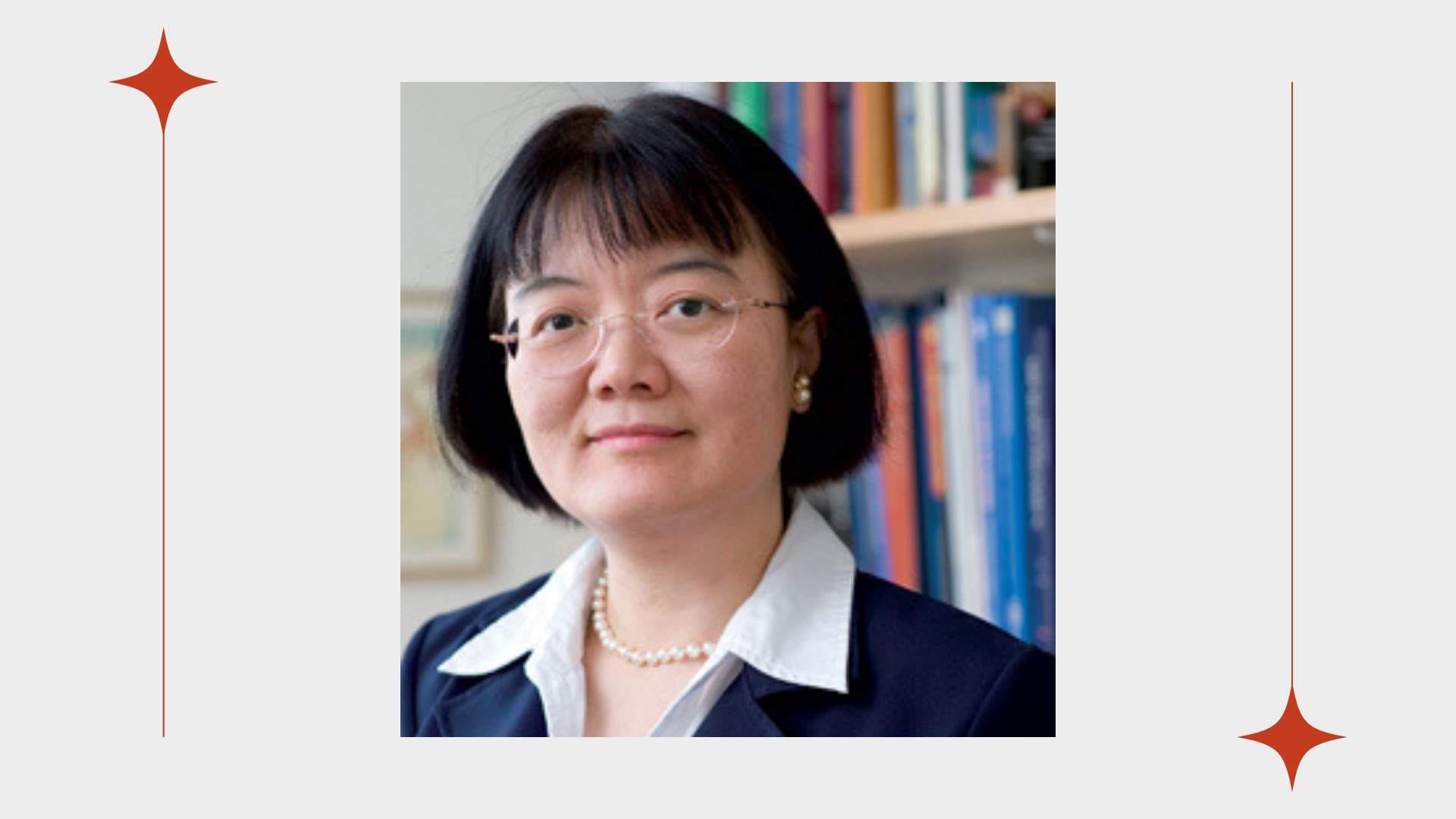
Chunling Lu studied international relations (BA) and political science (MA) at Fudan University in Shanghai, China, and sociology (MA) and applied statistics (MS) at Syracuse University, where she also received her PhD in economics. She received postdoctoral training on health care policy analysis at the Harvard Medical School’s Department of Health Care Policy, and joined the School’s Department of Global Health and Social Medicine in 2008 after three-years work at the Harvard Institute for Global Health as a senior research associate.
Speaker Information
Chunling Lu
Organizers
Brown Bag Seminar: Combating the health effects of extreme heat and air pollution in urban India
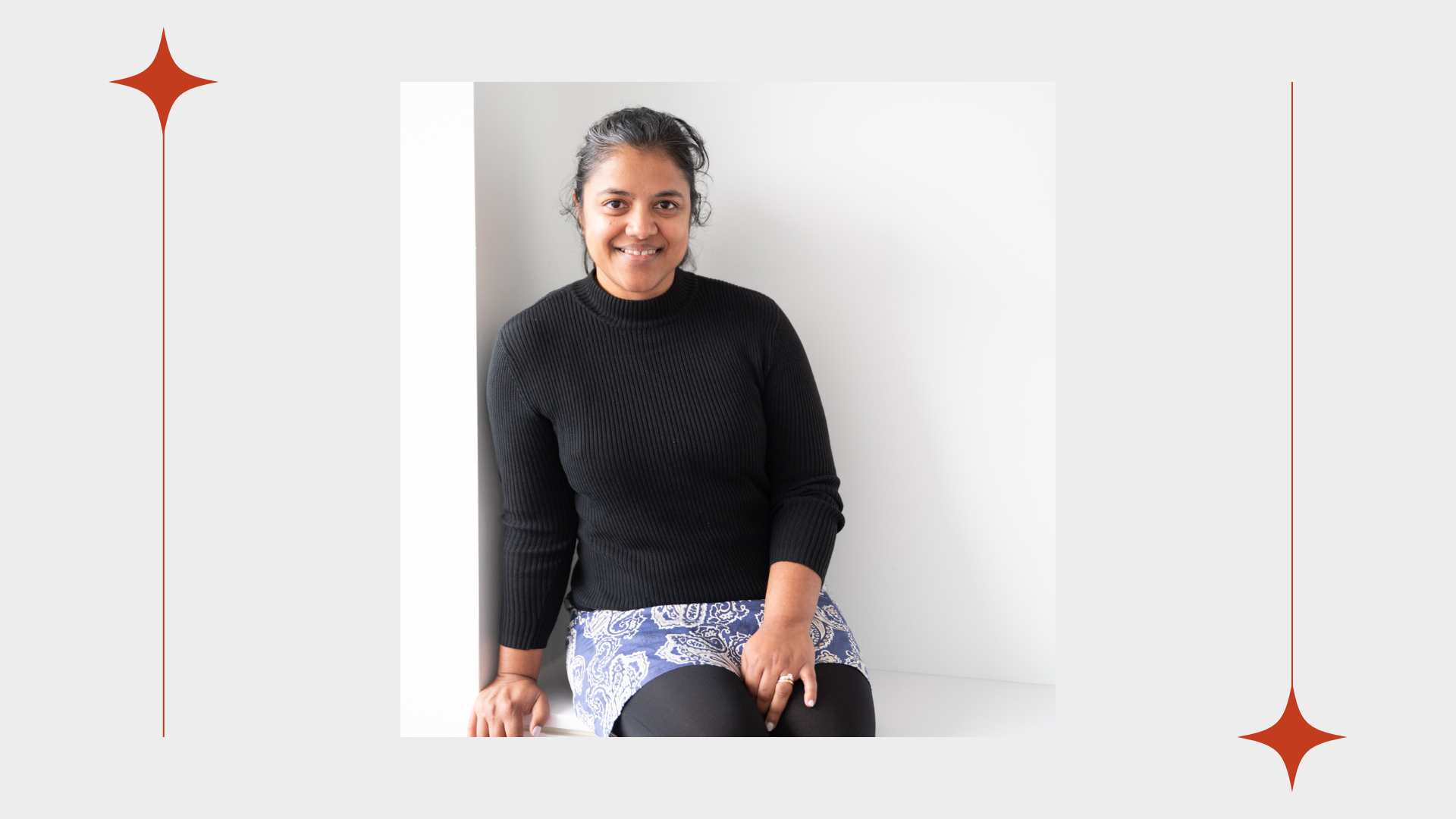
Amruta Nori-Sarma is an assistant professor of environmental health and population sciences at the Harvard T.H. Chan School of Public Health. As an environmental epidemiologist, Nori-Sarma studies the relationship between environmental exposures associated with climate change and health outcomes in vulnerable communities. Nori-Sarma aims to understand the impacts of interrelated extreme weather events on mental health across the US utilizing large claims datasets and also has an interest in evaluating the success of policies put in place to reduce the health impacts of climate change.
Additionally, Nori-Sarma serves as one of the leads of the CAFE RCC, the research coordinating center of the NIH Climate Change and Health Initiative. CAFE, a joint effort with the BU School of Public Health, aims to bring together and amplify the work of a more diverse community of practice in climate and health.
Speaker Information
Organizers
Nourishing Humanity in the Age of Climate Change
20th Annual Stare-Hegsted Lecture
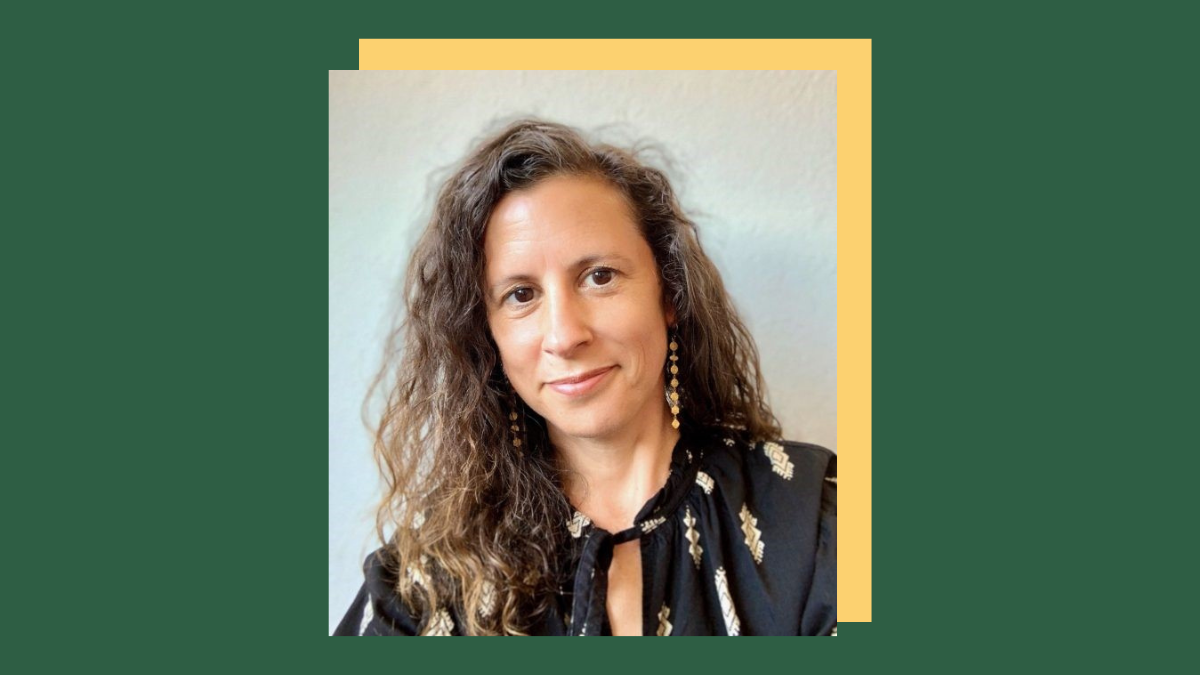
Dr. Jessica Fanzo, Professor of Climate and Food and Director of the Food for Humanity Initiative at Columbia University’s Climate School, serves as the distinguished speaker for the 20th Annual Stare-Hegsted Lecture.
Hosted by the Department of Nutrition, Dr. Fanzo’s talk on “Nourishing Humanity in the Age of Climate Change” will take place in Kresge G2 and via Zoom on October 20, 2025 at 4:00pm. This event is free and open to the public.
This annual lecture honors Drs. Fredrick Stare and Mark Hegsted, who were the founders of the Department of Nutrition at the Harvard T.H. Chan School of Public Health in 1942, which was the first department of nutrition in any medical center or school of public health in the U.S.
If you are not an HUID holder or need the Zoom link, please fill out this form in advance and our team will be in touch with further information.
Speaker Information
Dr. Jessica Fanzo