Innovations in Care Models and Trial Design: Two Decades of Research Improving HIV and Hepatitis C Outcomes in Key Populations in India
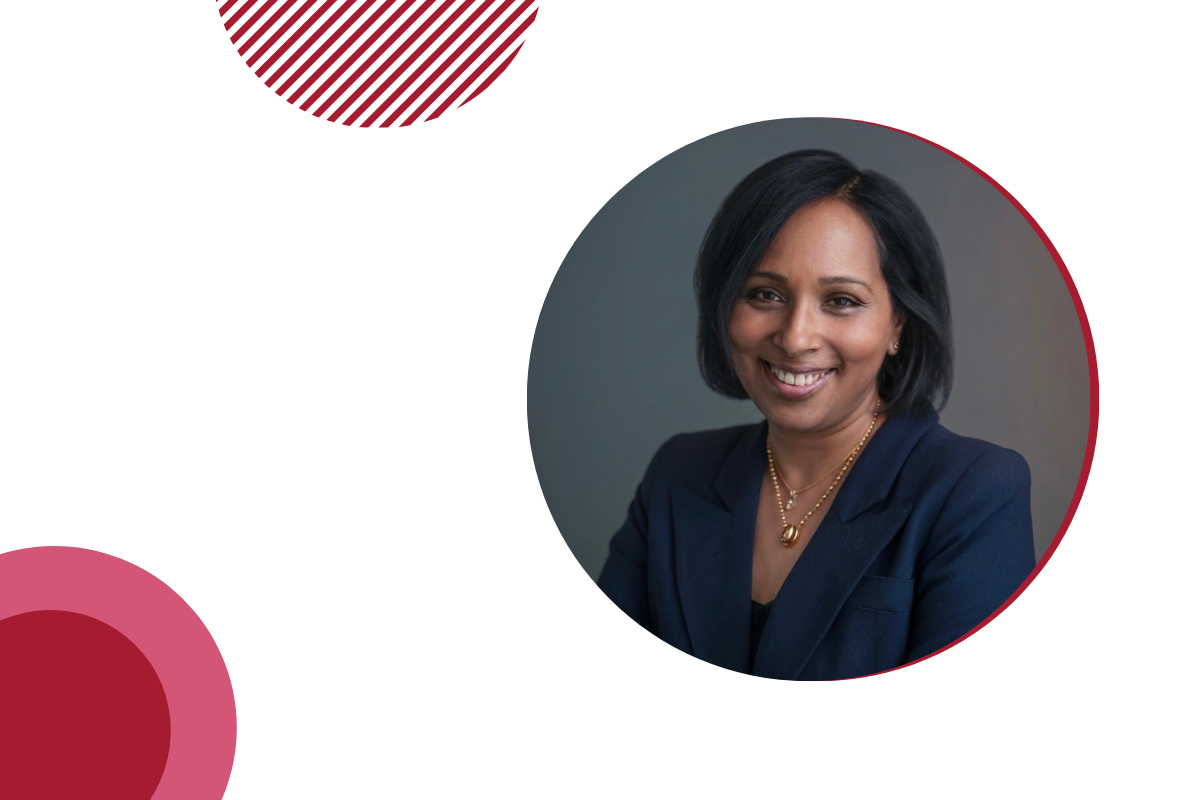
Join us on Wednesday, September 30th for the Department of Epidemiology seminar series featuring Dr. Shruti Mehta.
Abstract: People who inject drugs (PWID) carry a disproportionate burden of HIV and hepatitis C virus (HCV) globally and in India, yet standard models of prevention and treatment have not adequately reached this population. This seminar will highlight two large trials from our research program that used rigorous and innovative designs to improve HIV and HCV outcomes among PWID in India. The first, the Integrated Care Center (ICC) trial, evaluated a person-centered, low-threshold model that delivered HIV, HCV, other infectious disease services, substance use care, and general medical care through a single population-focused center. Conducted across 22 Indian cities, the cluster-randomized trial used stratified restricted randomization and respondent-driven sampling to recruit approximately 1,000 participants per city for baseline and follow-up serosurveys. The second, the STOP C trial, evaluated adherence-support strategies for HCV treatment using a precision randomization approach among 3,000 PWID across seven Indian cities. Participants were stratified by predicted risk of treatment failure and then randomized via an unbalanced allocation approach with those at elevated risk more likely to receive higher-intensity support and those at minimal risk more likely to receive lower-intensity support. Together, these studies show how rigorous trial design can advance scalable, person-centered approaches to HIV and HCV prevention and care among PWID.
Bio: Shruti H. Mehta, PhD, MPH is the Charles Armstrong Chair of the Department of Epidemiology at the Johns Hopkins Bloomberg School of Public Health. She is the co-director of the Johns Hopkins Center for AIDS Research and the Director of the Johns Hopkins HIV Epidemiology and Prevention Sciences Training Program. Her research focuses on improving access and uptake of HIV and hepatitis C virus (HCV) interventions among key populations with a particular focus on people who inject drugs with research programs in Baltimore and India.
Speaker Information
Organizers
Related Events
Dark Causal Inference: Why Most Causal Inference in Epidemiology is Invisible
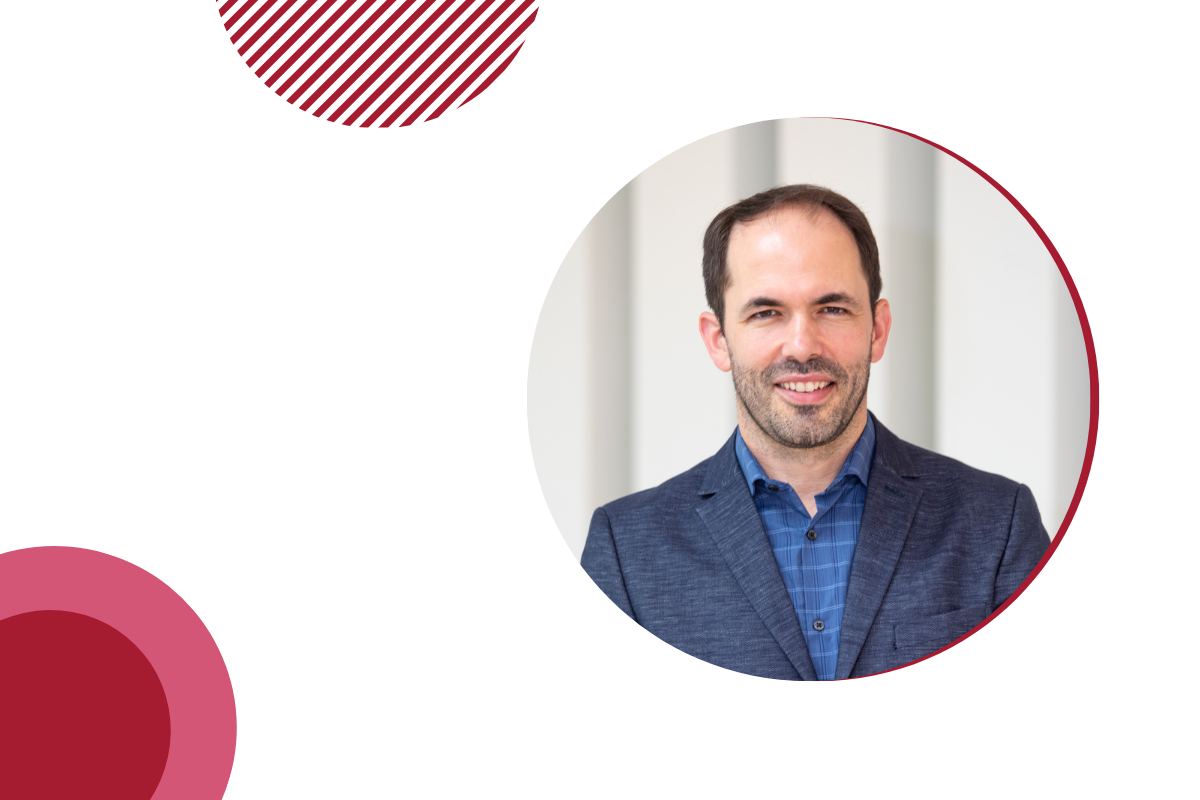
Join us on Wednesday, September 23rd for the Department of Epidemiology seminar series featuring Dr. Jeremy Labrecque.
Abstract: In some ways epidemiology is leading the way in the uptake of causal inference but I will argue that it is very far behind where it could easily be. Even in the top epidemiology journals, fewer than half of studies using explicitly causal methods (g-methods or TMLE) state an explicitly causal question and fewer than half mention consistency and positivity. There is no reason that all such articles should not always include a causal question, clearly-stated causal assumptions and supporting arguments for those assumptions. When a causal claim (however tentative or weak) is made in the absence of these, I refer to this as “dark causal inference”: causal inference that is implied but not observable (in analogy to dark matter). There are many reasons dark causal inference is overwhelmingly abundant in epidemiology of which I will explore two: 1) our continuing misuse of the word “association” (and similar non-causal language) and 2) failing to teach students how to reason about causal inference when causal assumptions are not satisfied.
Bio: Jeremy Labrecque is assistant professor of epidemiology and leader of the Causal Inference Group at Erasmus MC in Rotterdam, the Netherlands. His two main current interests are: 1) reasoning about causal inference when causal assumptions are violated using tools such as quantitative bias analysis, negative controls and causal triangulation and 2) increasing the uptake of causal inference among applied epidemiologists.
Speaker Information
Organizers
Related Events
Mortality Displacement: Sixty Years of Debate and Consequences
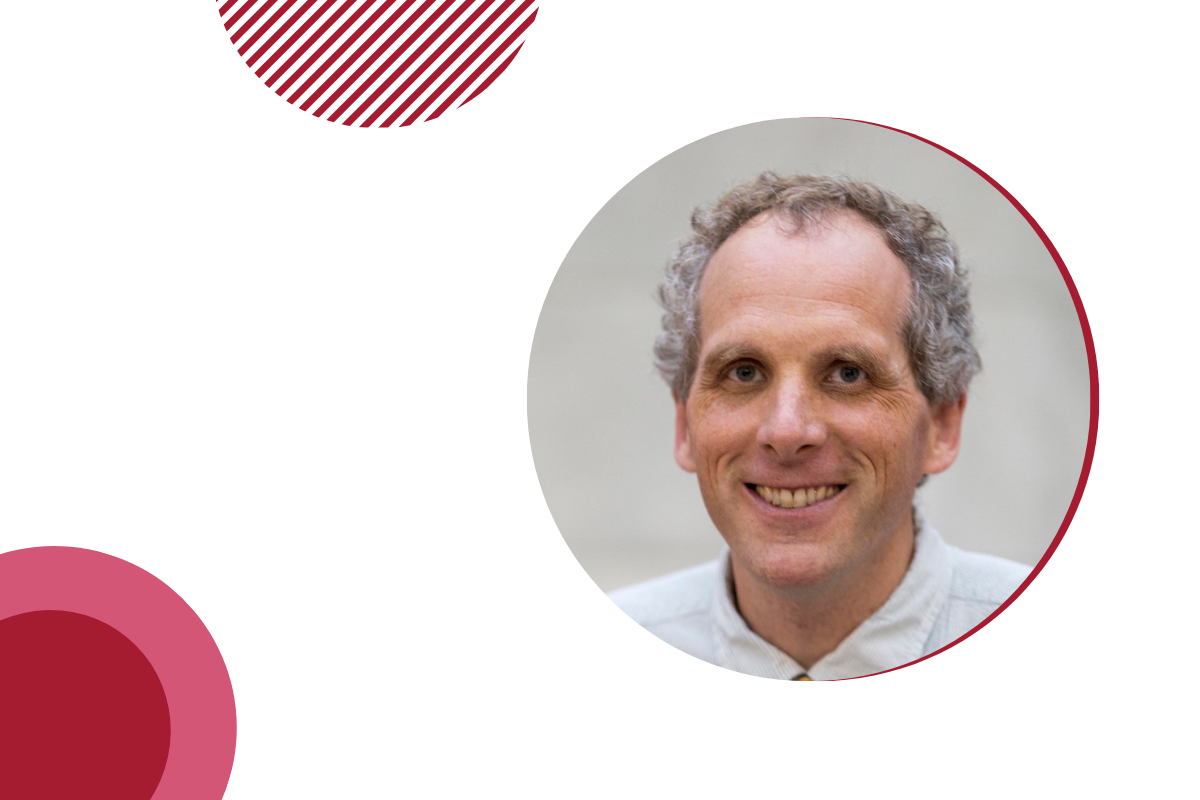
Join us on Wednesday, September 9th for the Department of Epidemiology seminar series featuring Dr. David Jones.
Abstract: As scrutiny of air pollution epidemiology increased in the 1960s, researchers wondered whether pollution crises mostly killed people with preexisting cardiac or respiratory disease who would have died soon anyway. This idea, named “mortality displacement,” “harvesting,” or “anticipation” gained increasing attention in the 1990s and 2000s, with studies of air pollution, heat waves, and climate change, and again in the 2020s with COVID. Pinning down whether the phenomenon is real or not has proved surprisingly difficult: many contradictory findings have been published. The most careful analyses (many done at HSPH) have discounted the phenomenon. Yet the concept endures in both academic writing and public discourse. This talk will explore the history of mortality displacement in an attempt to understand why the debates persist and what consequences the debates—and the concept itself—might have for public policy.
Bio: Trained in psychiatry and history of science, David Jones teaches history of medicine, medical ethics, and social medicine at Harvard University. His research has ranged from the history of epidemics to heart disease, cardiac therapeutics, race, air pollution, and the health effects of the climate crisis.
Speaker Information
Organizers
Related Events
Special Social Demography Seminar with Maria Glymour honoring Lisa Berkman’s 18 years of leadership

Please join us in person if you can (or online) for this special start to our Social Demography Seminar Series with Maria Glymour who will present “Evidence triangulation in dementia research.” We will also be hosting an Open House later the same day from 4:00–5:00 p.m. at the Pop Center where past/current students and fellows, plus colleagues and friends, are invited to raise a glass to Lisa Berkman in honor of her 18 years of leadership at Harvard Pop Center.
Speaker Information
Organizers
The Studio Open House 2026
What public health leader do you want to meet this year?
Harvard Chan School students are invited to let us know at The Studio’s Open House, August 27, 1-2 p.m., 10th Floor, Kresge Building.
The Harvard Chan Studio regularly convenes policymakers, scientists, alums, and media to livestream and record discussions about public health.
Drop by the Open House and:
- share your suggestions for speakers and topics
- meet fellow students and give your quick takes on public health
- say hello to golden retriever Sophie, a therapy dog
- enjoy some light refreshments
- grab some Studio swag
Guests will be admitted on a rolling basis until we reach capacity. Harvard ID required. Please note that attendees may be photographed or recorded.
- A selection of upcoming Studio events:
- Crisis leadership 25 years after 9/11
- Wildfire smoke: Health and environmental impacts
- Transforming mental health care
- Americans’ opinions about public health
- Driving down health care costs
- Grief, loss, and trauma
FXB Open House
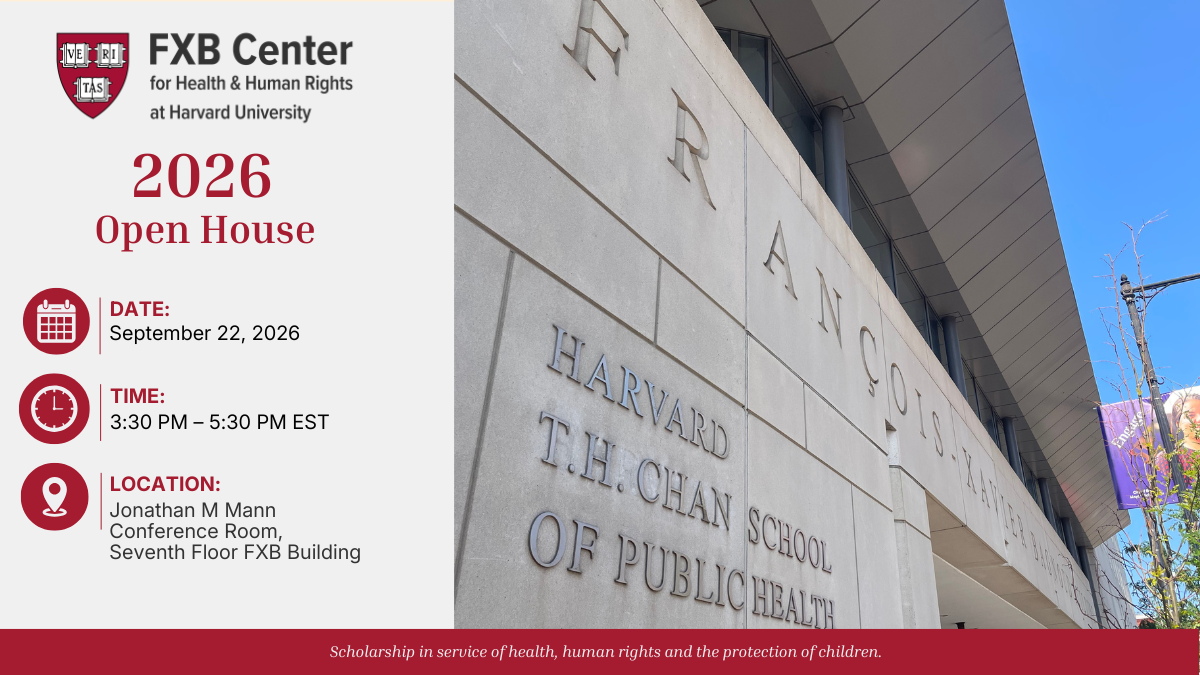
Join the FXB Center for Health and Human Rights for an in-person open house! Program directors will be available to share information about the Center’s scholarship and opportunities to get involved. Light refreshments will be provided. All members of the Harvard community are welcome. No RSVP required.
Organizers
Harvard Cancer Consortium (HCC) Celebration of Early Career Investigators in Cancer Research
Early career investigators are a unique reservoir of new ideas, innovation, and excellence in cancer research. To celebrate this, we welcome you to join the Annual HCC Celebration of Early Investigators in Cancer Research.
This symposium will showcase the talent of early career investigators at the Harvard Cancer Consortium (HCC) who work in several areas of population science, including epidemiology, biostatistics, outcomes, diversity, and survivorship. We invite all members of the public to attend the event. We also invite students, post-docs, residents, and clinical fellows to submit abstracts for consideration as oral or poster presentations by September 18th.
We look forward to an exciting afternoon of discussion, sharing new discoveries, and building new collaborations.
Speaker Information


Presented jointly with the Center for Climate, Health, and the Global Environment (C-CHANGE)
Extreme heat is among the deadliest weather threats in the U.S. Rising temperatures take lives, strain health systems, and drive increasing costs. In this discussion, speakers will explore who is most at risk and unpack the economic stakes. They also will examine a range of possible solutions, from providing affordable access to air conditioners, to increasing green spaces, to helping neighbors look out for each other. The experts will share research, frontline experience, and practical guidance so viewers come away with clear steps to help themselves and their communities stay cooler and safer when temperatures soar.
Speakers
Moderator
Sabrina Shankman

About The Studio
Midweek Mindfulness Reset

Reduce your stress, calm your nervous system, and reset.
Sit with a rotating group of some of the most influential instructors in the mindfulness space, including monastics from the Plum Village tradition. Each session offers a variety of mindfulness practices and insights to support your well-being. It’s the perfect reset to mark the middle of your week!
We will meet virtually via Zoom every Wednesday from 11:00 am–11:30 am ET (and you’re welcome to stay for an optional 15 additional minutes for sharing and community building). Open to all; no experience needed.
Please note that these sessions are for relaxation and general wellness only and are not a substitute for professional medical, psychological, or psychiatric treatment. By participating, you agree to take responsibility for your own physical and emotional well‑being, and to consult a qualified healthcare provider regarding any medical or mental health concerns.
Organizers
Presented jointly with Harvard Humanitarian Initiative
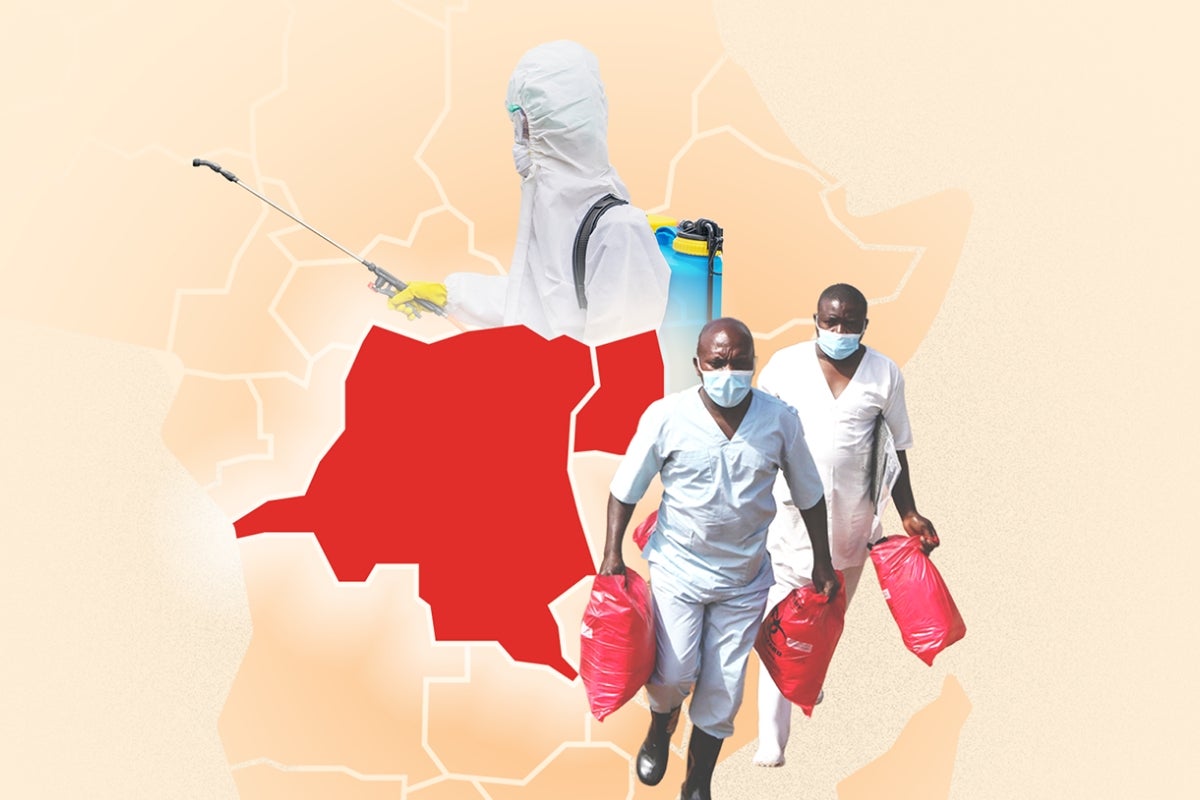
As the number of Ebola cases in the Democratic Republic of the Congo and Uganda climb, health infrastructure and resources are stretched thin. The outbreak response is complicated by conflict, remote terrain, and population movement. With no vaccine or specific treatment for the Bundibugyo strain, surveillance, cross-border coordination, and community engagement is key. Join leaders from WHO and the International Federation of Red Cross and Red Crescent Societies for a conversation that examines the challenges of the current response and what the fight against Ebola reveals about humanitarian aid and global health security.
Watch the premiere on June 30 at 10 a.m. ET on the Harvard Chan YouTube page.
An on-demand recording will be available following the premiere.
Speakers
Marie Roseline Belizaire

Petra Khoury
