Graduate Profile: Q&A with Naiyu Chen
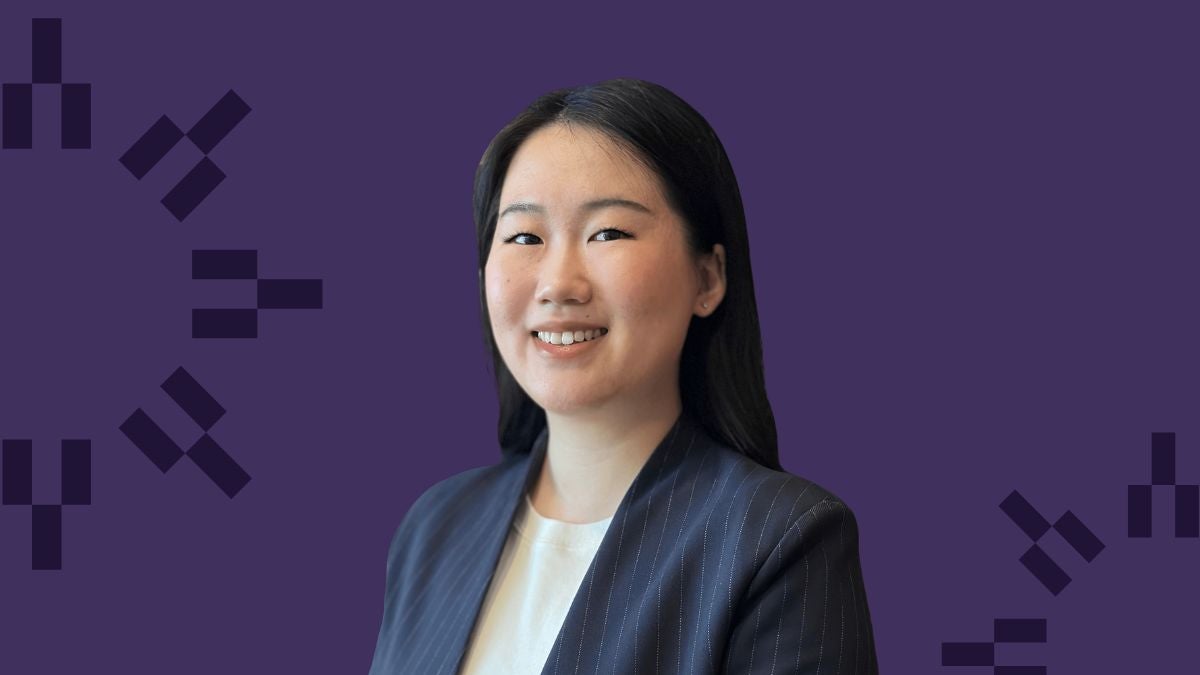
Name: Naiyu Chen
Area of Research: Cancer epidemiology
Degree: PhD
Year of Gradation: 2024
Current Role: HEOR Associate at Analysis Group
- What did you do before pursuing your graduate degree?
I previously worked as a clinical research coordinator at Keck Hospital of USC on early detection trials for lung cancer, after completing my MPH. In that role, I worked closely with patients and multidisciplinary investigators, which sparked my interest in the design and methodology for epidemiologic studies and clinical trials, particularly in cancer populations. - What attracted you to the program at Harvard?
During my time at USC, I became increasingly interested in epidemiologic methods and cancer research. The PhD program at the Harvard Chan School stood out for its rigorous methodological training and extensive expertise in cancer research. I was especially drawn to the distinguished faculty whose research in cancer epidemiology and survivorship aligned closely with my interests. - What surprised you the most about being a graduate student in your chosen research program?
One aspect of the program I especially valued was its self-directed and supportive environment. Students are encouraged to shape their own research paths while benefiting from thoughtful mentorship. With guidance from my advisor, Lorelei Mucci, I explored factors related to prostate cancer survivorship through behavioral, social, and environmental lenses and collaborated with faculty across multiple disciplines, which broadened the perspective of the work. Teaching opportunities further complemented my research training, allowing me to further develop skills in mentorship and in communicating complex epidemiologic concepts. - Why do you think your research area is important to public health?
Cancer survivorship is a critical and growing area in public health. Due to advancements in early detection and treatment options, more individuals are living longer after a cancer diagnosis. However, living long does not necessarily equate to living well. Survivors often experience physical, social, and emotional challenges that can affect daily functioning and quality of life. Understanding and addressing these factors at the population level is essential to ensuring that people are not only surviving cancer, but living well beyond it. - What suggestions would you have for someone interested in applying for this research area?
I would encourage prospective students to explore the breadth of faculty and research areas within cancer epidemiology. The field is incredibly diverse, spanning the entire cancer continuum and includes lifestyle, social, and environmental determinants as well as methodological research. Connecting with faculty and current students can provide helpful insight into mentorship styles and ongoing projects. Staying open to interdisciplinary collaboration is also valuable, as many of the most impactful research questions sit at the intersection of multiple fields. - How has your time in the program influenced your career path?
My training at the Harvard Chan School equipped me with the tools and skillsets to think critically about epidemiologic study design and data analysis. During my PhD, I felt particularly engaged with the research process and wanted to continue applying these skills beyond graduate school. The program encouraged me to explore diverse career paths where rigorous methodology is central. In my current role, I am involved in epidemiologic studies across multiple disease areas, applying study design, causal inference, and statistical analysis in my day-to-day work. - Is there anything else that you would like to share about your experience at the Harvard Chan School?
One of the most meaningful aspects of my experience was the strong support system. From my advisor, mentors, and lab group to peers within and across cohorts, I always felt supported. Having multiple fields of studies within the broader program of Population Health Sciences (PHS) made my PhD journey collaborative rather than isolating. Additional school resources, including career services and the alumni network, further fostered a sense of connection during and beyond my time at Harvard Chan.
![A vial of blood marked "VDRL- Test [syphilis, gonorrhea]"](https://hsph.harvard.edu/wp-content/uploads/2026/03/horizontal-1.jpg)