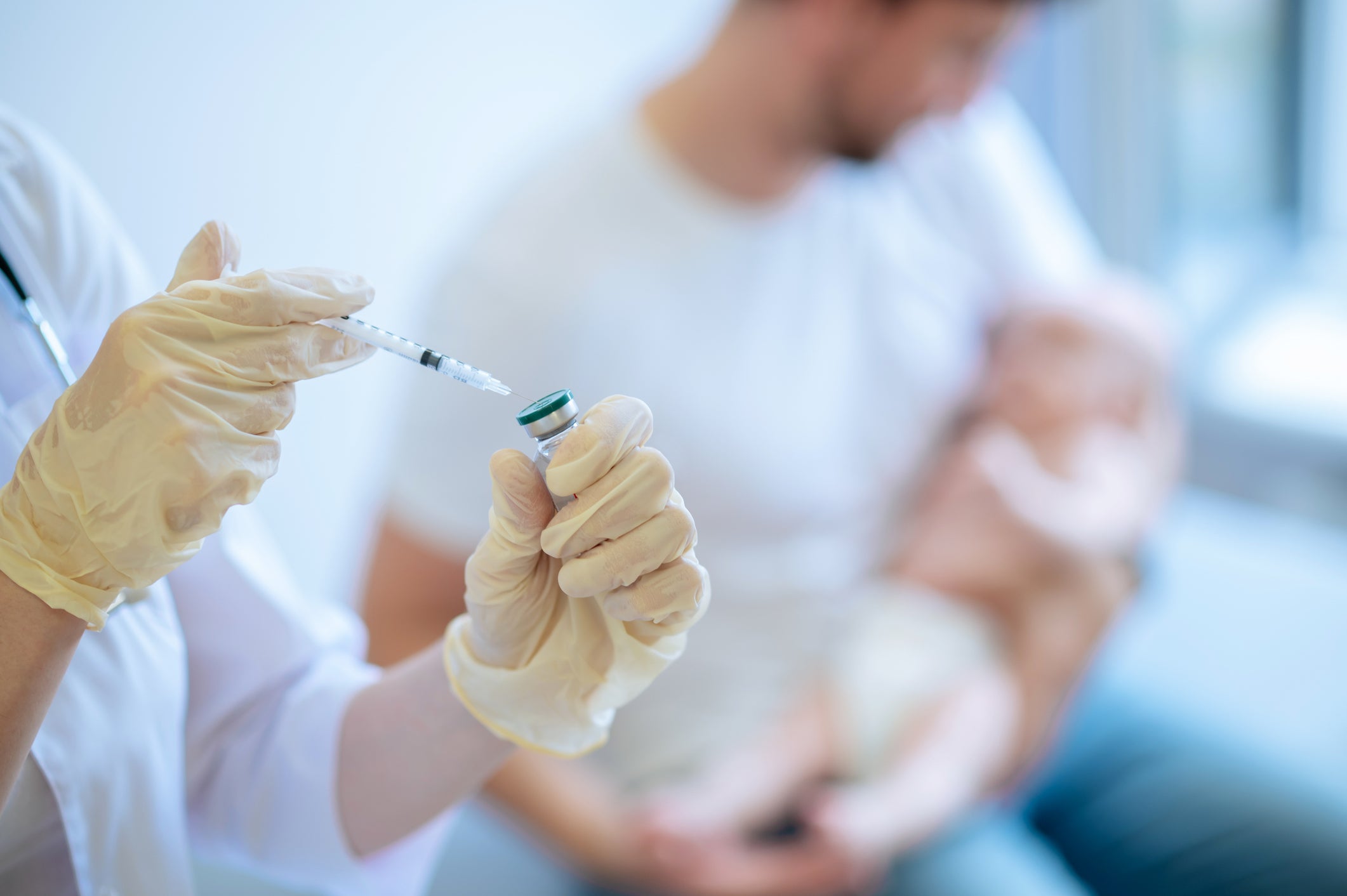
What can be done to return to previous levels of immunization against measles and other diseases to stop deadly outbreaks? Harvard Chan School’s K. “Vish” Viswanath weighs in.
Social and occupational epidemiologist Erika Sabbath describes her research on how the Dobbs decision is affecting OB-GYNs both personally and professionally.
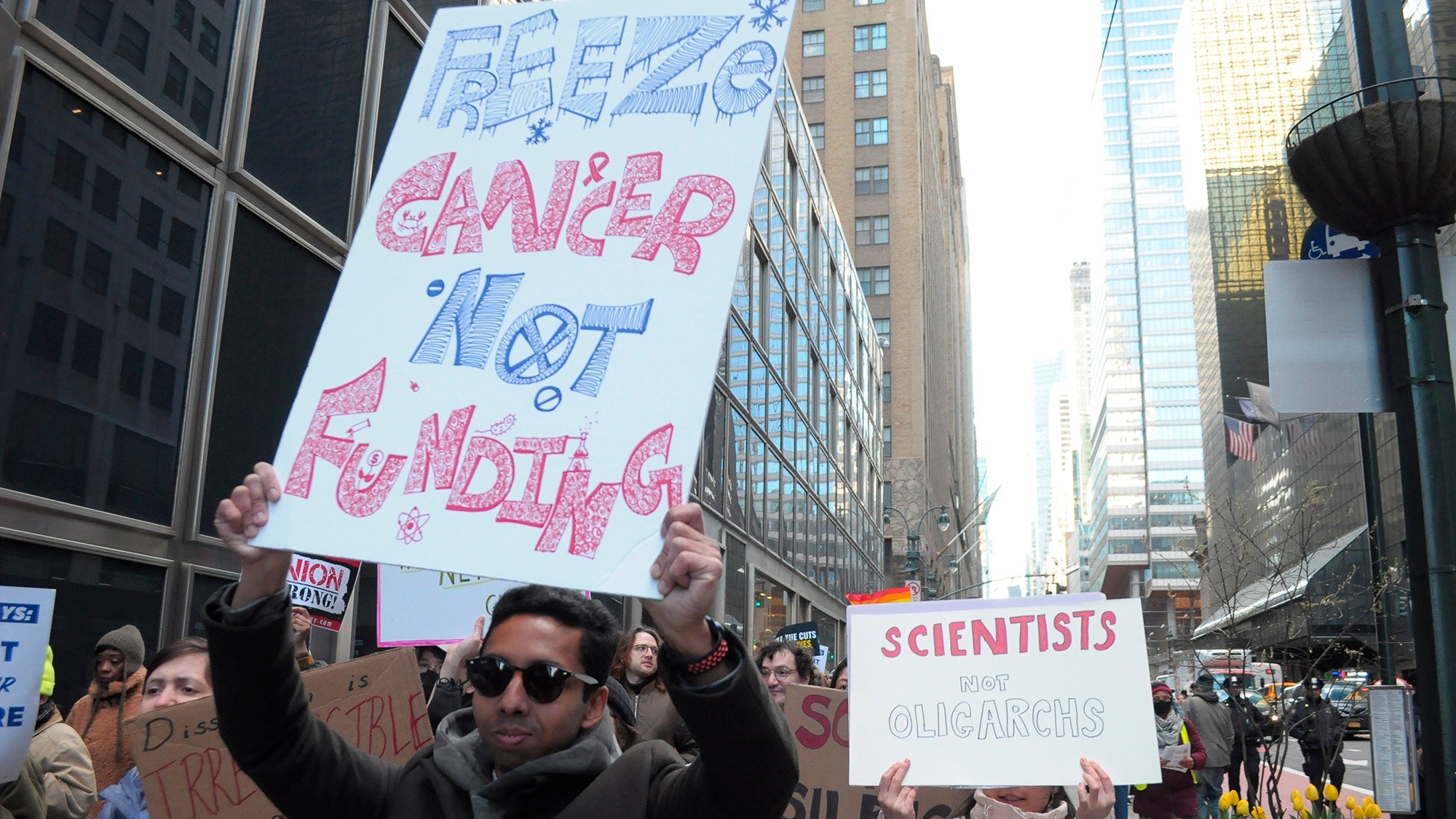
A proposed overhaul in how federal grants are awarded is aimed at shutting down scientific research on disfavored topics such as health disparities, climate change, gender identity, and vaccines, according to Harvard Chan School’s Nancy Krieger.
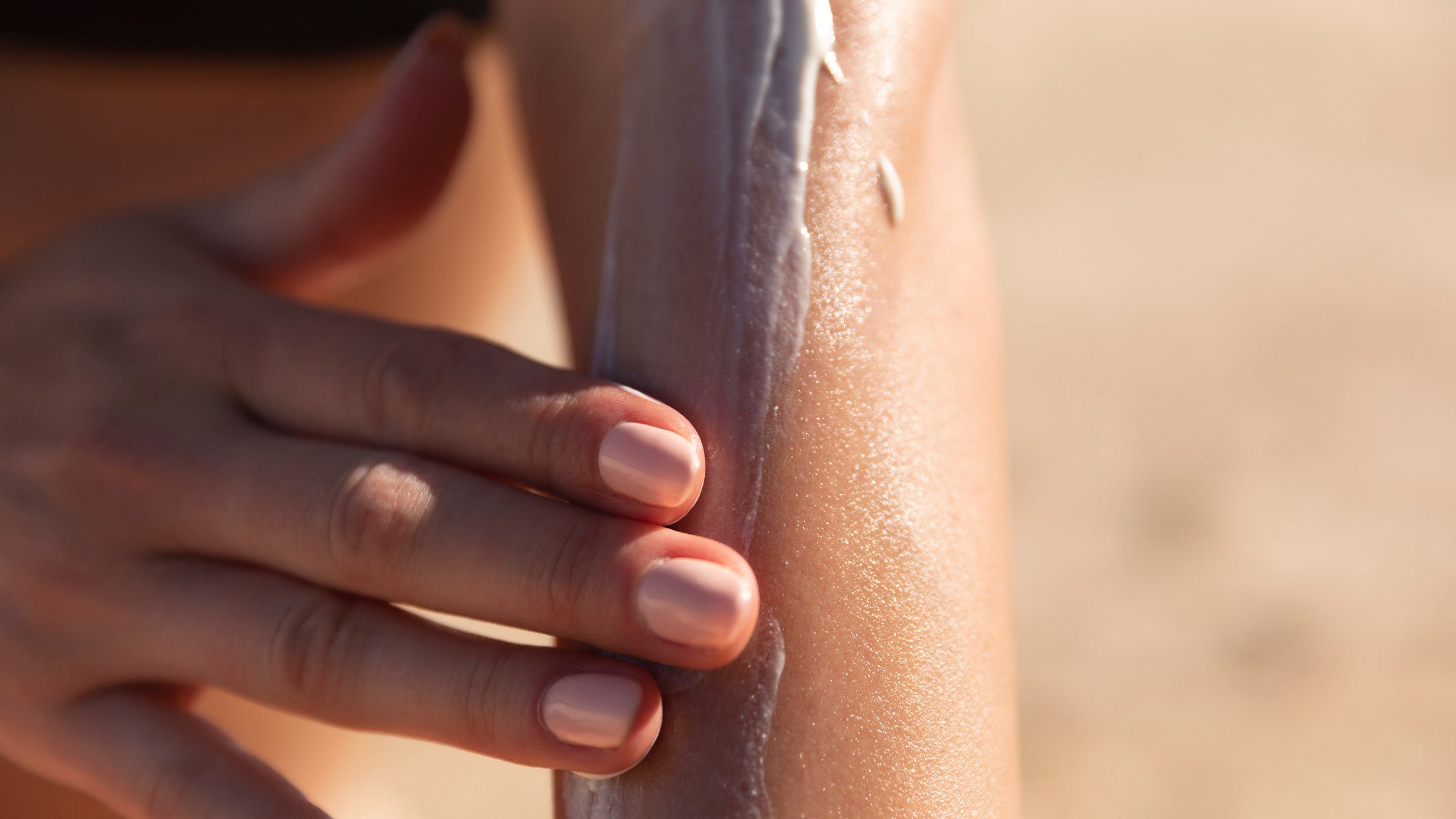
American sunscreen formulas hadn’t been updated in nearly 30 years—until early June, when the FDA approved bemotrizinol, a sunscreen ingredient widely used in Europe and Asia. Harvard Chan School’s Alan Geller discusses the ingredient and its public health potential.
Blood lead levels in young children in the U.S. are declining overall but remain higher among children belonging to racial minorities or low-income families, according to a new Harvard Chan School study.
A variety of interventions, ranging from drug therapies to dietary alterations to behavioral changes, may help humans live healthier lives as they age, according to researchers at Harvard Chan School.