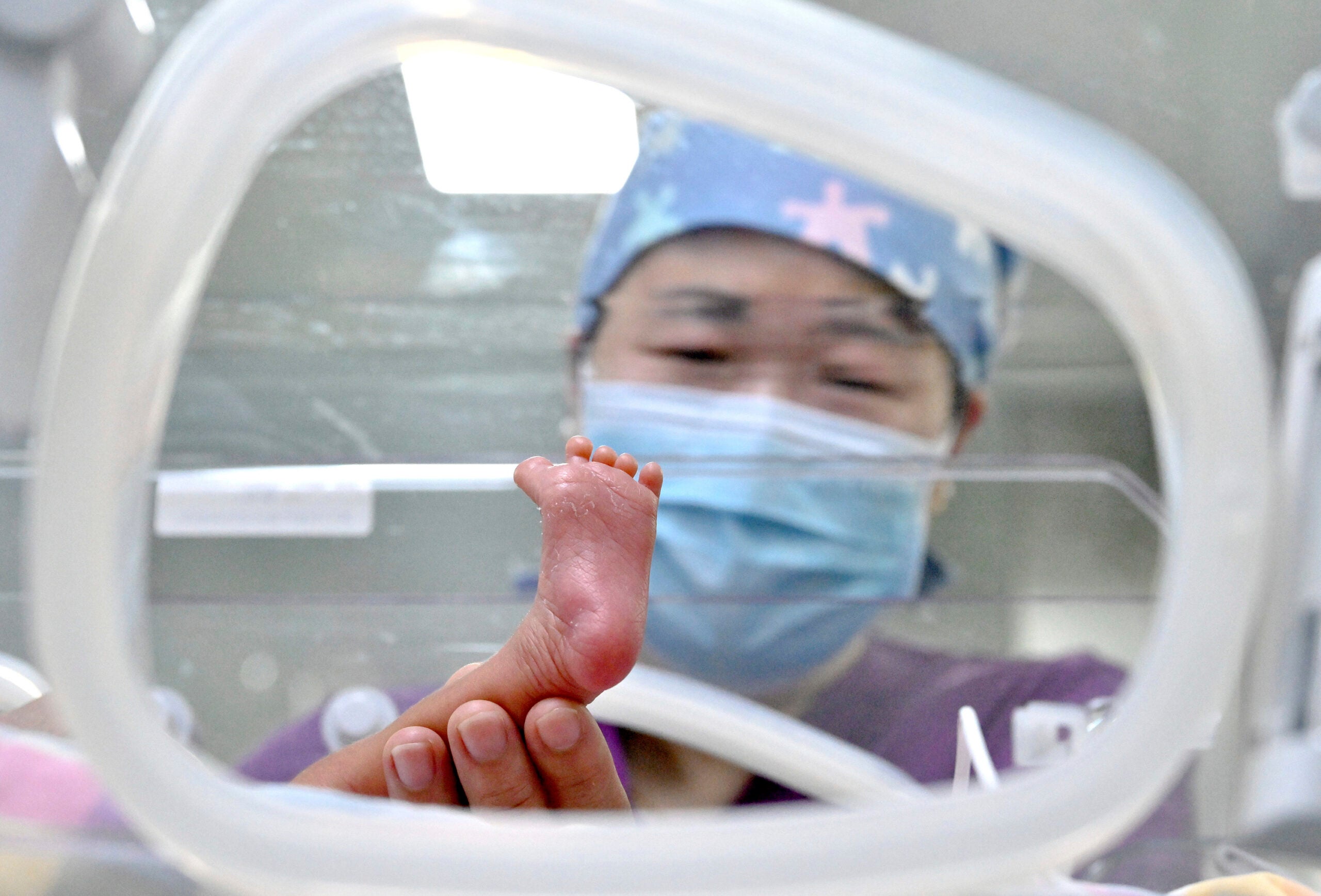
Clinicians in the Boston area are worried about the health of pregnant immigrants who are not coming in for care because they are afraid of immigration agents and possible deportation, according to a Boston Globe article.
Swathi Srinivasan, a PhD student in Population Health Sciences, leverages her journey through Hodgkin’s lymphoma to advocate for Narcan access and health equity in the opioid crisis.
Pandemic-era expansions to the Child Tax Credit—one of the largest income transfer programs in the U.S.—was associated with improved child behavioral health, according to a new Harvard Chan School study.
Research funding cuts and concerns about job security and personal safety have led to uncertainty amid early career trans researchers, according to a Dec. 9 STAT article.
A new report from the World Bank estimates the huge societal costs of lead exposure globally—including developmental harms in children and the risk of disease and early death in adults—and offers a path toward a lead-free world.