We research how nutrition affects human health at molecular and population levels to shape public policy and help people make better diet and lifestyle choices.
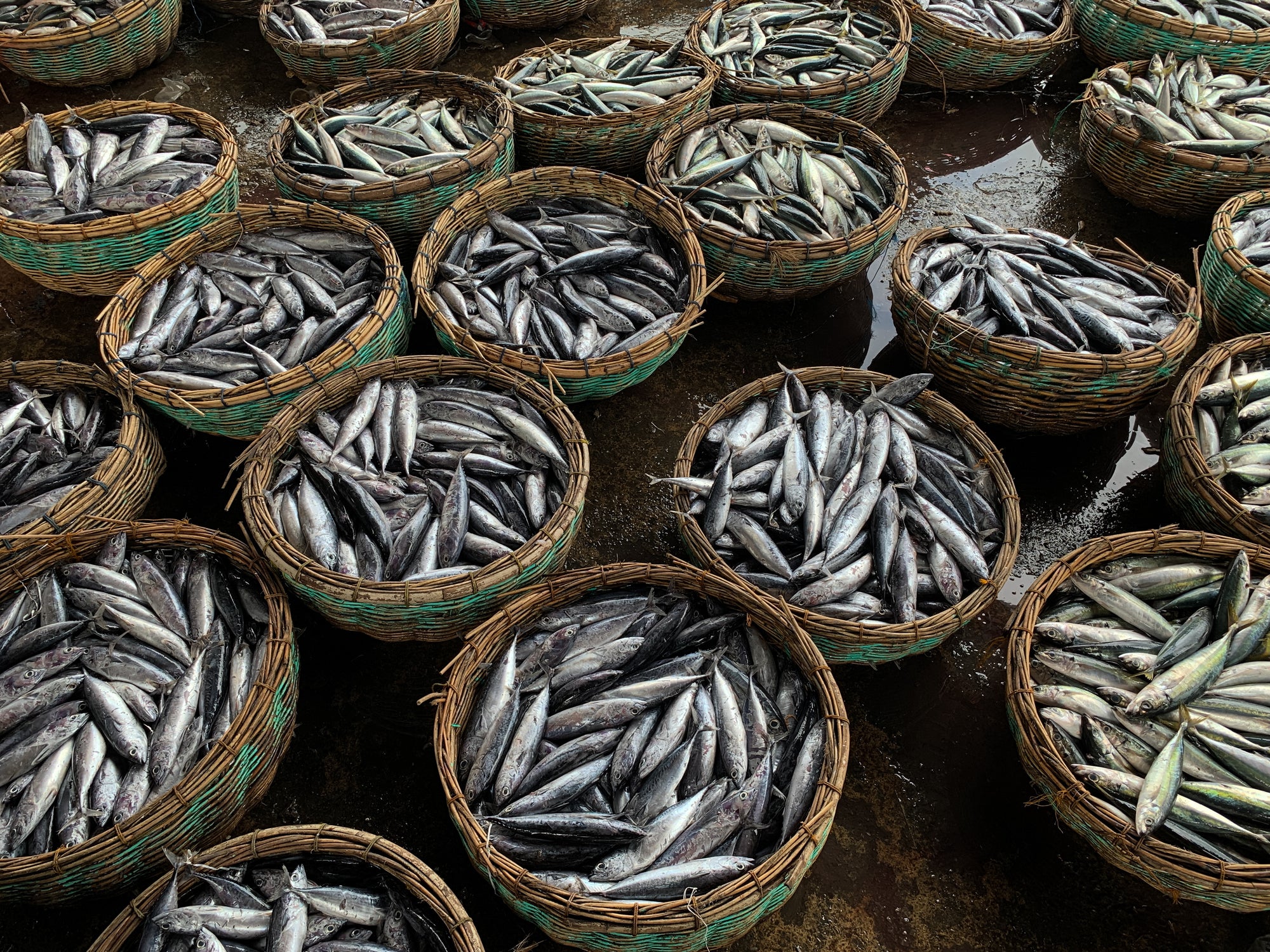
With the right investments and protections, “blue foods”—seafood including fish, molluscs, and aquatic plants—can reduce hunger and improve nutrition globally, according to Harvard Chan School’s Christopher Golden.
Daily consumption of sugar-sweetened beverages may heighten the risk of developing cardiovascular disease even among those with above average physical activity levels, according to a new study led by Harvard Chan School.
Certain female reproductive characteristics may be risk factors for developing metabolic disorders like diabetes later in life, according to a new study led by Harvard Chan School.
Good nutrition is an important component of fighting diseases such as cardiovascular conditions and type 2 diabetes, yet the topic is often overlooked during patients’ visits with doctors. A Harvard Chan School course addresses the issue, focusing on improving how nutrition is taught in medicine and integrated into clinical practice.
In women who have given birth, a history of infertility may be associated with poorer cardiovascular health in midlife, according to a study co-authored by Harvard Chan School researchers.
To help prevent preeclampsia and preterm birth, low-dose calcium supplementation may be as effective as the World Health Organization’s recommendation of high-dose calcium supplementation, according to a new study led by Harvard Chan School and collaborators in India and Tanzania.