We research how nutrition affects human health at molecular and population levels to shape public policy and help people make better diet and lifestyle choices.
People who adhere to the Planetary Health Diet may substantially lower their risk of premature death and their environmental impact, according to a new Harvard Chan School study.
People who incorporate olive oil into their everyday diet may decrease their risk of dementia-related death, according to a new Harvard Chan School study.
It’s well-known that eating a diet rich in fiber and fermented foods fosters healthy digestion, but research suggest that these foods may offer additional health benefits.
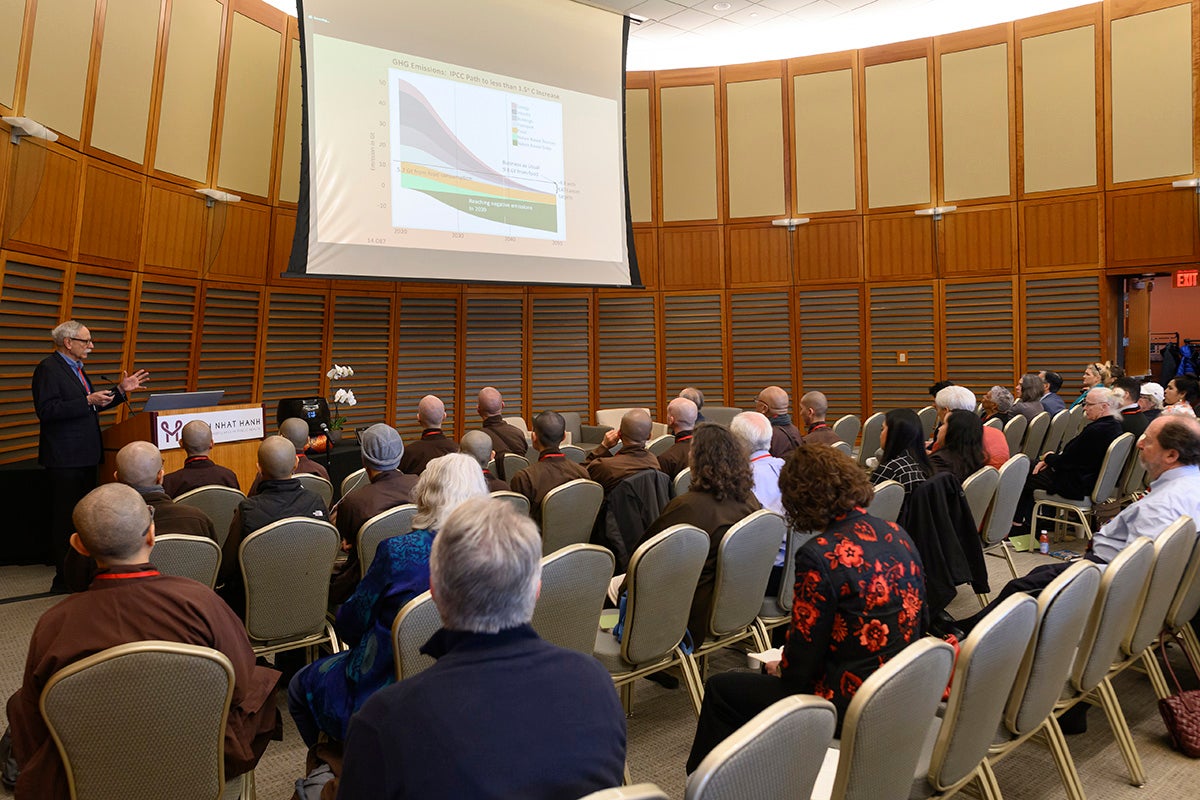
A symposium at Harvard Chan School brought together academics, community leaders, activists, mindfulness practitioners, and monastics who studied under Thich Nhat Hanh to explore the intersection of health, mindfulness, and climate change.
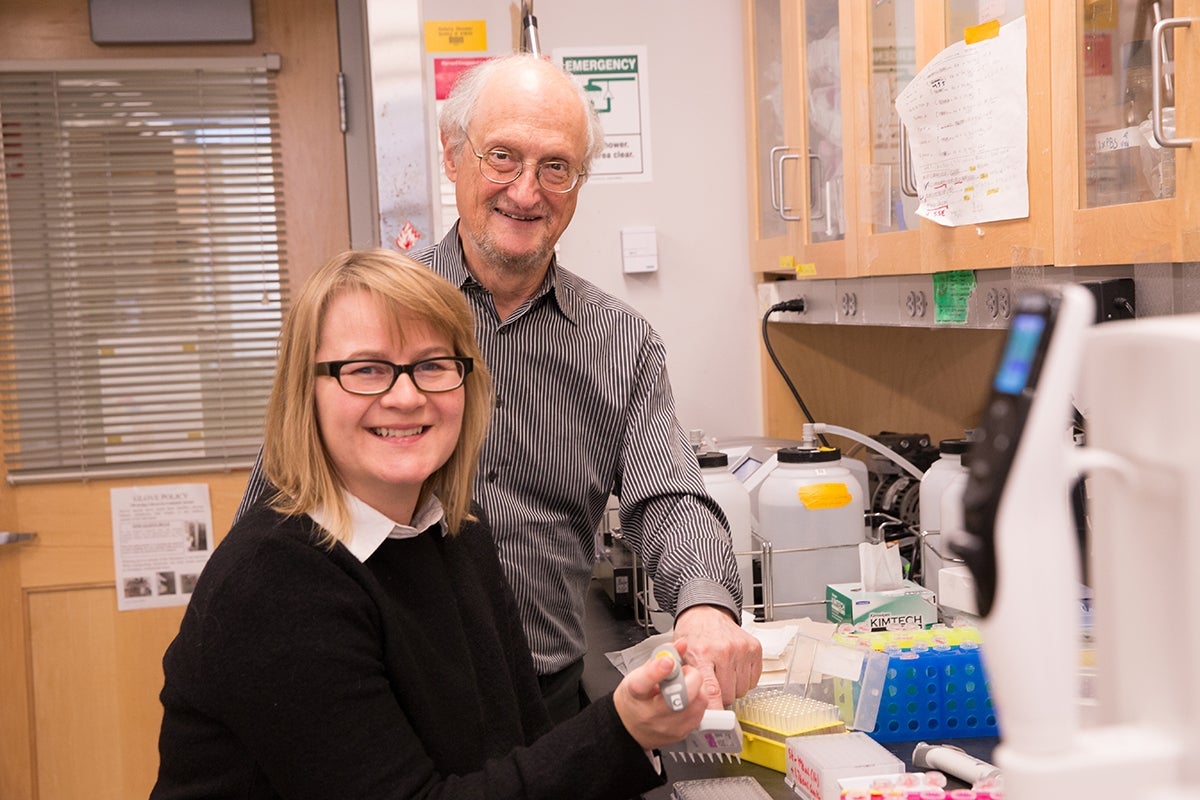
Frank Sacks, professor of cardiovascular disease prevention and medicine, emeritus, at Harvard T.H. Chan School of Public Health, is known for his laboratory research on human lipoprotein metabolism and his leadership of clinical trials in diet and cardiovascular disease.