Creator Summit explores using social media to unlock health and wellness for all
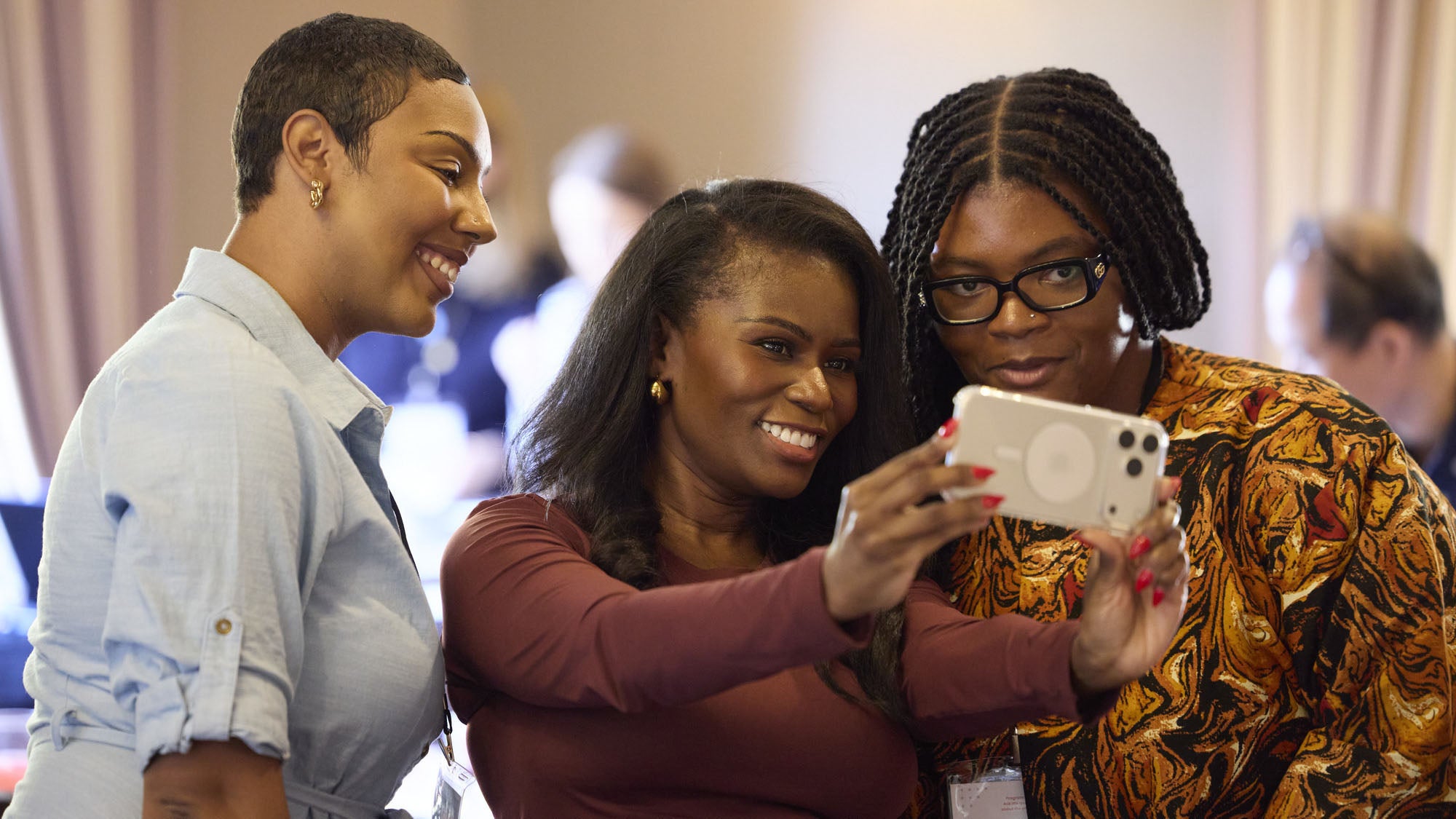
Pari has spent 17 years working as an epidemiologist focused on sexual and reproductive health. Yet she believes she has had her greatest population-level impact through a role that began as a part-time side project: content creator.
“As someone who lives and breathes public health, that is wild to say out loud,” said Pari (who goes by just her first name in her creator role). She’s half of the duo Pari and Eve, whose Women in America platform mobilizes hundreds of thousands of followers to advocate for change around issues such as gender equality and reproductive rights.
Pari was one of 15 content creators participating in the 2026 Creator Summit on Health and Wellness for All, part of Harvard T.H. Chan School of Public Health’s Creator Program. The program was launched in 2023 with the aim of equipping creators to improve online information ecosystems, and is led by Amanda Yarnell, senior director of the Center for Health Communication. Creators can participate in several ways, including accessing online toolkits and courses, joining community calls, and attending the annual summit.
During a Studio event that preceded the summit, held Oct. 28-30 in Cambridge, Mass., an expert from the Pew Research Center noted that 40% of U.S. adults get health and wellness information from social media at least sometimes. That figure rises to 50% among adults under 30 and nearly 60% among young women under 30.
For Pari, the summit—designed with input from the participating creators—signaled that at least some in public health are taking social media seriously. “For public health to ignore this tool for turning our research and practice into real-life change would be a huge miss, not just for the field, but for population health for generations to come,” she said.
From individual stories to broader calls for change
Co-hosted by the School of Global Health at Meharry Medical College (Meharry SGH), the summit focused on how creators can broaden the context of their posts from stories about their own experiences and individual calls to action to addressing the broader conditions that impact health for everyone.
To apply, creators first had to complete a short video course on how to make content that activates the kind of mindsets that help their audiences recognize these broader conditions, said Fazal Khan, chair of the Political Determinants of Health Department at Meharry SGH. From a large pool of creators who had attended the program’s workshops and engaged with its playbooks, more than 100 applied to participate in the summit. This year’s cohort was carefully chosen based on the quality of their posts and the diverse perspectives they would bring to the group, he said.
Khan and Yarnell are co-principal investigators on grants funded by the Robert Wood Johnson Foundation and Doris Duke Foundation examining how audiences respond to content from creators who have completed mindset training, which the Creator Program co-developed with participating creators and the FrameWorks Institute.
“The health content we see on social media overwhelmingly focuses on individual choices: Take this supplement, follow this workout, stick to this diet,” said Yarnell. “We’re helping creators help their communities understand the larger policies and systems that shape health.”
While leading a summit workshop, parenting creator and 2025 summit alumna Destini Ann shared what she learned from participating in the training and putting it into practice over the past year. She walked creators through videos she made to empower pregnant Black women to press institutions to address structural factors that can put their health at risk, including gaps in provider training and hospital culture.
Khan hopes creators in this year’s cohort will find opportunities to collaborate and advocate for structural changes that could unlock health and wellness for all. Focus areas could include access to health care or improving mental health care, he said, although the direction of those efforts will be up to the creators themselves.
“We don’t want to predetermine what they emphasize as being most important because they have their own voices and they’re in conversation with their audiences,” Khan said. “We have the research, but they have the audience reach, so the learning is going both ways.”
Being part of the summit has been validating and a “huge confidence builder,” said Brit Koch, an Indigenous creator whose platform focuses on decolonizing mental health. “When you see the ripple effects that we can have—and when we have more people behind us supporting us and creating space for us—it’s going to change so much more than we could just do on our own.”