With flu season off to an early start in the U.S. and COVID not far behind, Bill Hanage, professor of epidemiology at Harvard T.H. Chan School of Public Health, shares his thoughts on this year’s vaccines.
Q: How serious are these illnesses?
A: COVID and influenza are the only infectious diseases that regularly kill tens of thousands of Americans each year. That burden is significant and can be reduced by vaccination. For both infections, the most vulnerable people are the very young and the very old. COVID is especially dangerous for seniors while the flu is more dangerous for infants.
Q: How effective do you expect this year’s COVID vaccine to be?
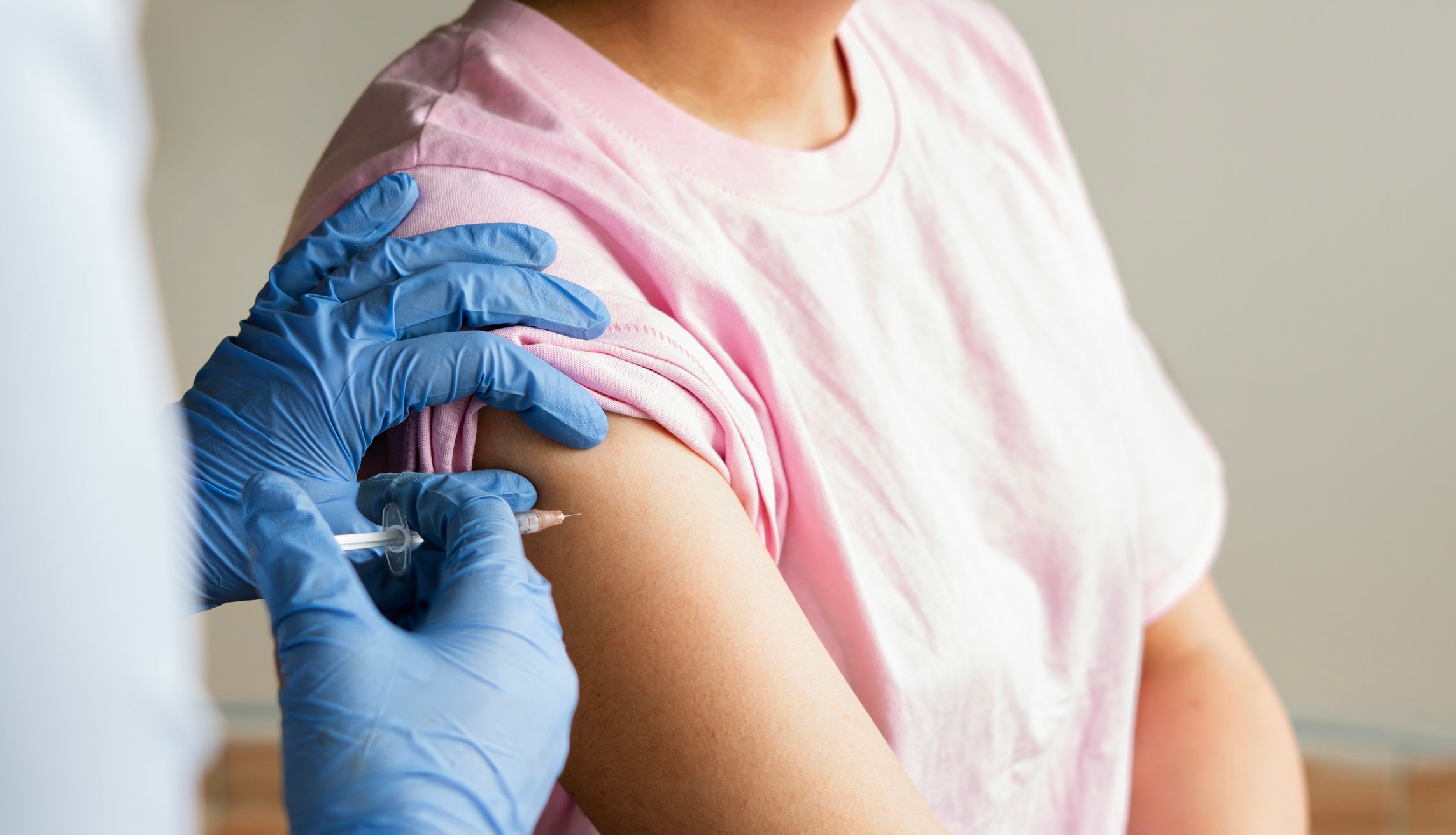
A: As usual, the new COVID shot has been designed to target the virus strain that we are most likely to encounter. For COVID, that’s viruses in the XFG lineage, which have been dominant for months. In the past, COVID has evolved quickly enough that by the time we roll out a new vaccine, it’s a less good match. That’s not the case right now—we haven’t seen any new mutations to the viruses beyond what our current vaccine is designed to target. So we expect the shots to confer good protection. The more people who get them, the likelier it is that more people stay safe and healthy through the winter.
Q: What about this year’s flu vaccine?
A: In the spring, scientists selected three flu strains that we were likeliest to encounter later in the year and based the new vaccine on those. Two of the three look like a good match. In the case of the third—H1N1—the virus has picked up a mutation that may reduce vaccine effectiveness. By how much exactly remains to be seen. However, it is important to remember that even when flu vaccines don’t protect against all infections, they can still do a good job at helping prevent people from becoming seriously ill.
One exciting piece of news is that drugmakers rolled out the first-ever mRNA vaccine for the flu this year. That is a big deal—this type of vaccine will hopefully transform our ability to control influenza. mRNA vaccines are easier to produce rapidly at scale, meaning if the flu suddenly mutated, we’re better positioned to quickly create a new specialized vaccine for it. Our main current method of creating the flu vaccine—which relies on growing strains of the flu in eggs, a six-month process that can lead to poor matches come flu season—doesn’t allow for that level of responsiveness.
Q: When is the best time to get the flu and COVID vaccines? And should people prioritize getting the mRNA flu vaccine?
A: I recommend getting these vaccines as soon as you can, given this year’s early start to flu season. As for what types of vaccines to prioritize, in general I’d say that the best type of vaccine is the one you can get. I don’t encourage people to shop around and potentially delay the decision to actually get immunized. That being said, there’s been some evidence showing that for patients 50 and older, the mRNA flu vaccine is more effective than the standard flu vaccine. These are the only patients for whom the Food and Drug Administration has licensed the mRNA flu vaccine, so people in this age bracket may consider this type of shot if given the option.
Q: Why do you think flu season started early this year?
A: Usually flu season starts in the south, especially Florida, and works its way north. But this year things are different: The hot spot is the Northwest. This is probably in large part due to the evolution of the H1N1 virus, which has also caused an unusually early flu season in Japan. In the time since this year’s flu strains were selected to create the vaccine, the H1N1 virus picked up a mutation allowing it to sidestep existing immunity in some people—especially children and adolescents. This may be because these age groups have only ever been exposed to the strain of H1N1 that caused the 2009 flu pandemic and its descendants, while older people have immunity against a wider diversity of H1N1 strains.
As a result, younger people, especially school-age children—a group known to be important for flu transmission—will likely have a higher chance than usual of being exposed and infected. If so, that could be a driving force in the early spread of flu and could very well continue being an important factor in how this year’s flu season unfolds.
Q: Anything else to keep in mind as more people start to get sick?
A: We all wish vaccines were perfect, but even when they don’t completely protect against infections, they are still the best tool we have to avoid getting sick—particularly severely so. If you do get sick, remember that COVID and flu are far worse for some than others. So if you feel ill, take as much care as possible not to expose others.