Most Americans are eating enough protein, but choosing the right ‘package’ matters

Protein is having a moment. Health and fitness influencers tout the benefits of eating lots of it, and junk foods are even being marketed for their protein content. But is more protein always better? Teresa Fung, adjunct professor of nutrition at Harvard T.H. Chan School of Public Health, was one of the experts quoted in a Sept. 30 Smithsonian article on the topic
Fung noted that proteins play important roles throughout the body—not just building muscles but carrying out functions such as fighting infections and aiding digestion. But there is only so much protein the body can use at a time, she said, and there’s nowhere to store extra. However, “eating more is not a problem, because the excess protein can usually be handled by a healthy kidney and a healthy liver,” she said.
Other experts quoted in the article noted that most Americans, unless they have specific health or fitness needs, are probably already eating enough protein.
The bigger concern is what else people may be consuming with their “protein package,” according to the article. Animal protein contains saturated fat and cholesterol, which can increase the risk of cardiovascular disease. And ultra-processed foods high in protein may also be high in sugar, salt, and other unhealthy ingredients.
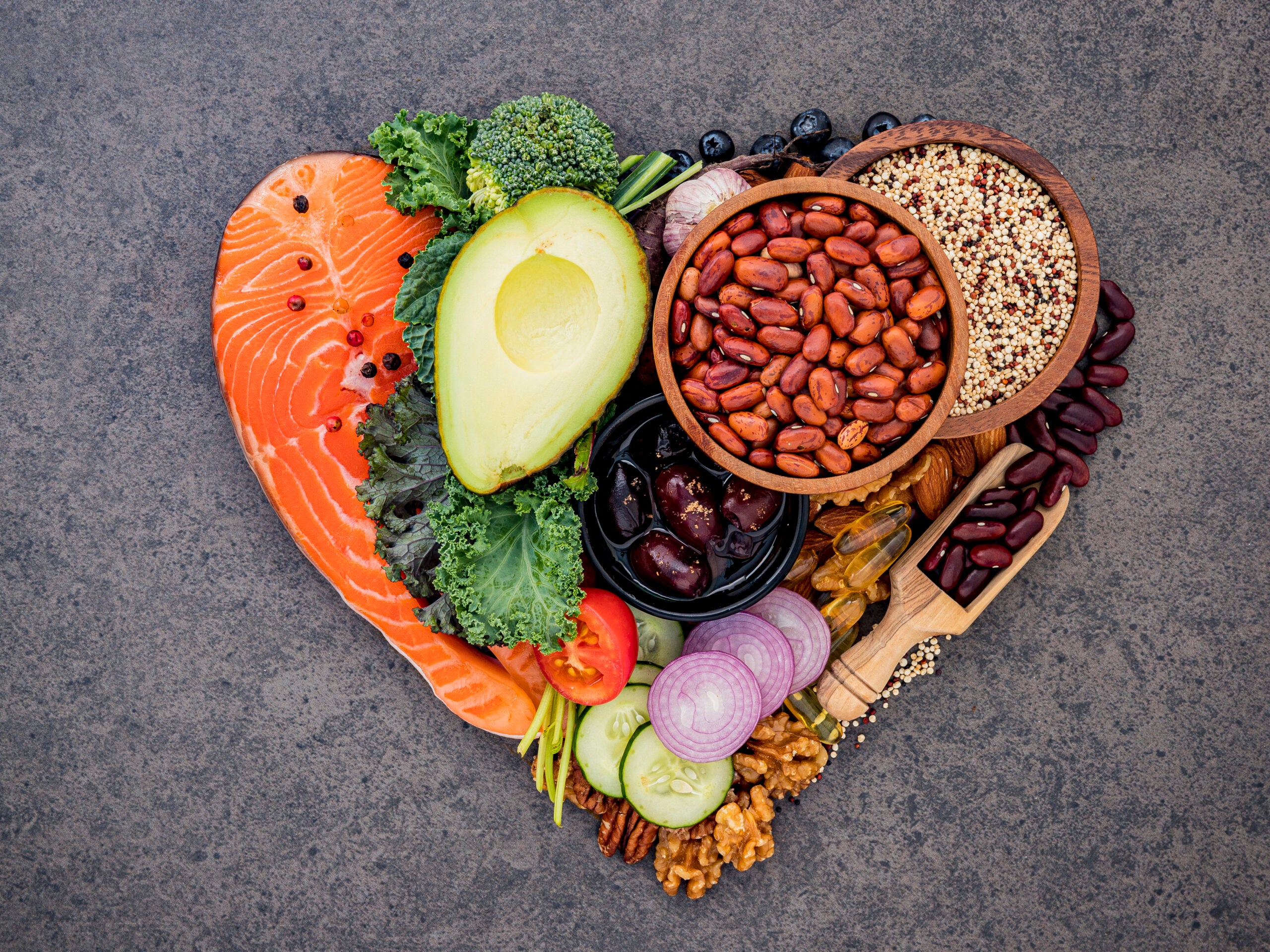
Fung and other experts in the article recommended getting more protein from plant-based foods such as quinoa, soybeans, buckwheat, and chia seeds, which are high in fiber—an ingredient most Americans actually need more of.
She said that it’s a misconception that people eating plant-based diets need to be mindful of whether they are consuming foods with the right balance of amino acids, the body’s protein building blocks. Different types of amino acids are usually consumed throughout the day, she said. “People don’t just eat one type of plant source. As long as we eat a variety of plant foods, generally, it’s not a problem,” she said.
Read the Smithsonian article: Is More Protein Always Better? Despite the Craze Around the Nutrient, Research-Backed Evidence About Its Benefits Is Complicated
Learn more
How to get more protein and fiber from a single ‘sweet-spot’ food (Harvard Chan School news)