Women athletes’ physical, mental health is focus of large new study
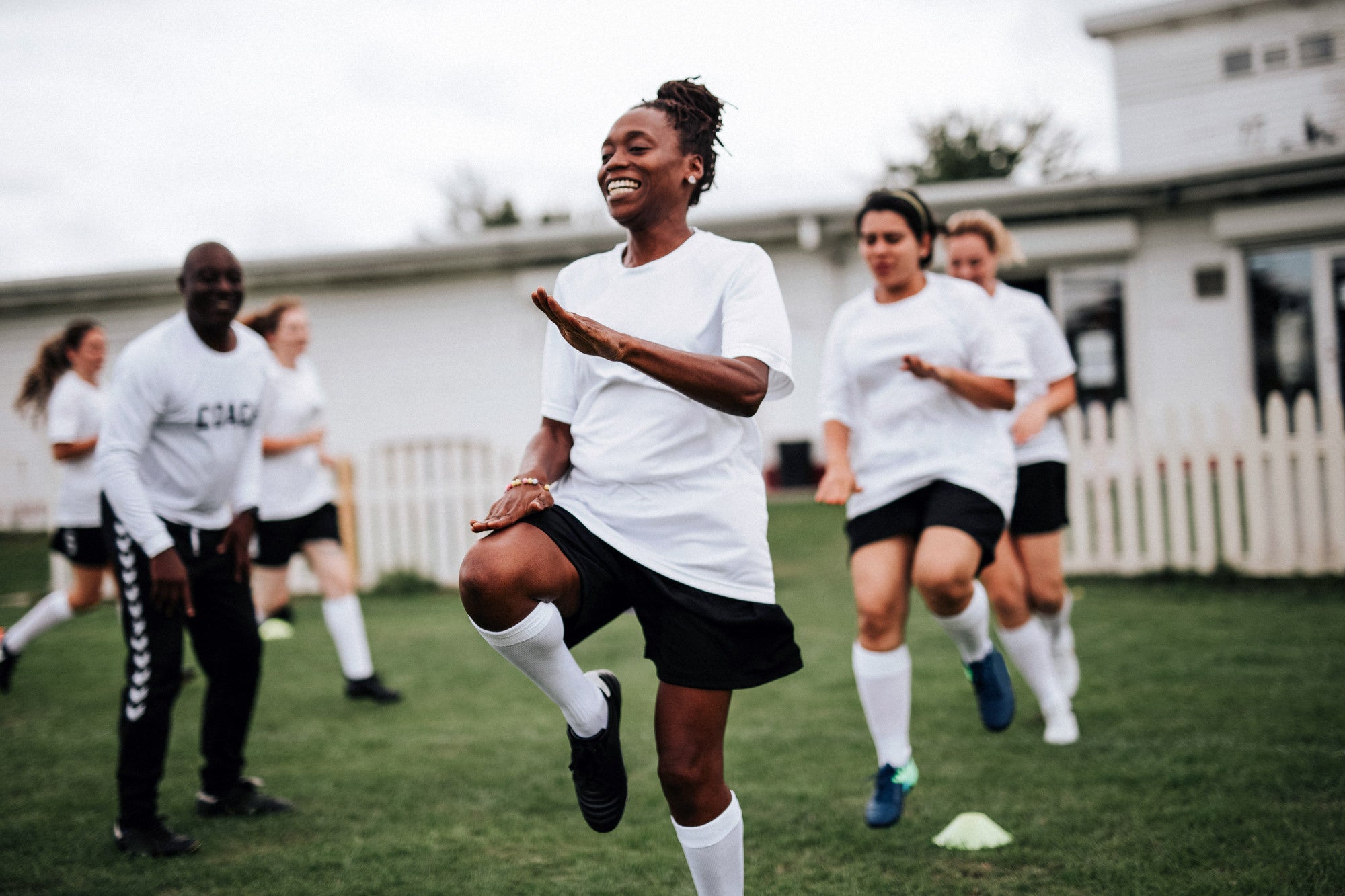
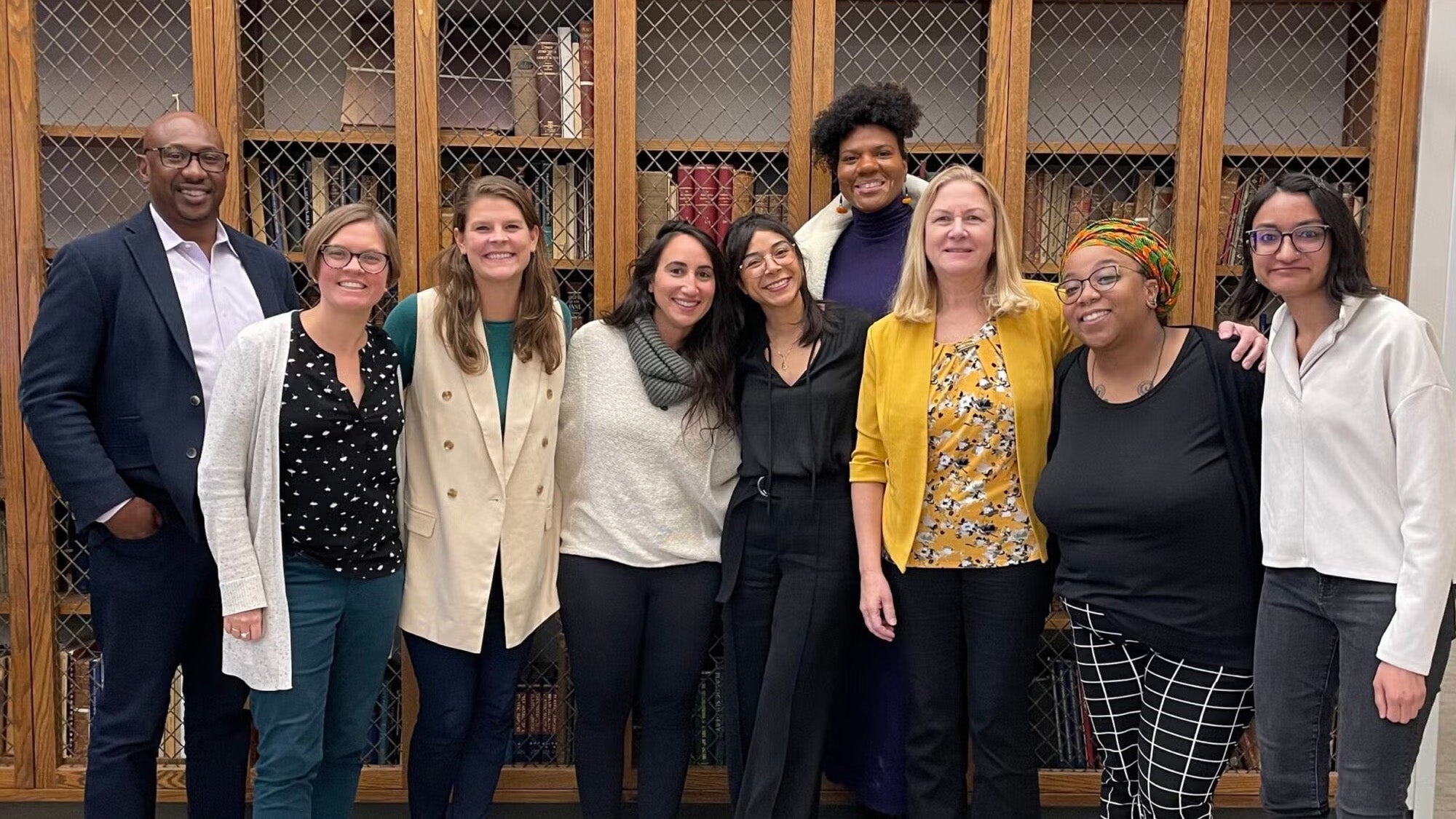
As professional women’s sports grow in popularity, researchers at Harvard T.H. Chan School of Public Health are meeting the moment with a new long-term study on the health and wellbeing of elite women athletes, those who play collegiate, Olympic, Paralympic, and professional sports. Launching this month, the Women in Sports (WINS) Study is positioned to become one of the largest, most comprehensive and collaborative studies of women in sports ever undertaken. What’s more, it will be among the first studies to center athletes from start to finish: WINS will be shaped by athletes, who will work hand-in-hand with researchers to first define the study’s questions and eventually share its findings about the factors influencing their physical and mental health, as well as their post-athletic career prospects, wellbeing, and financial security.
As they began developing WINS, the researchers looked at studies on athletes published between 2000 and 2025 and found that 90% were focused exclusively on men. The remaining 10% included at least one female participant. Importantly, fewer than 1% of studies engaged women athletes directly—a fact motivating the athletes-as-experts approach that will be central to WINS.
“Women’s sports is a space where uncertainty still defines the athlete experience,” said WINS’ co-principal investigator Rachel Grashow, senior research scientist in the Department of Environmental Health. “Even as more people celebrate these athletes, and as revenue from women’s sports climbs into the billions, women are still relying on health and safety recommendations based on the realities of men—or on no data at all.”
Grashow and her fellow WINS researchers, Alicia Whittington and Christy Glass, have experience conducting studies on professional male athletes and their families. Since 2014, they’ve been examining health and wellbeing among former National Football League (NFL) players through the Football Players Health Study at Harvard University (FPHS), the largest and most comprehensive research program of its kind. They’ve produced new evidence on a range of health risks faced by NFL players, including sleep apnea, cardiovascular disease, tinnitus, and suicide.
They plan to build WINS into an even bigger, broader study using lessons learned from the FPHS.

“Over the last decade, we kept returning to this question of: Why doesn’t the FPHS exist for women athletes?” Grashow said. “Women need—and deserve—their own scientifically backed information on training and performance and on topics that impact women’s sports more than men’s, such as low pay, parenthood, and bias and discrimination.
“It’s exciting that women athletes are going to lead efforts to fill this need,” she continued. “Their voices have been missing from the conversation, and the science has suffered.”
Insights from women athletes
How does menstruation shape an athlete’s injury risk and recovery? How does parenthood affect the length of her athletic career? What does financial security look like for women athletes in retirement?
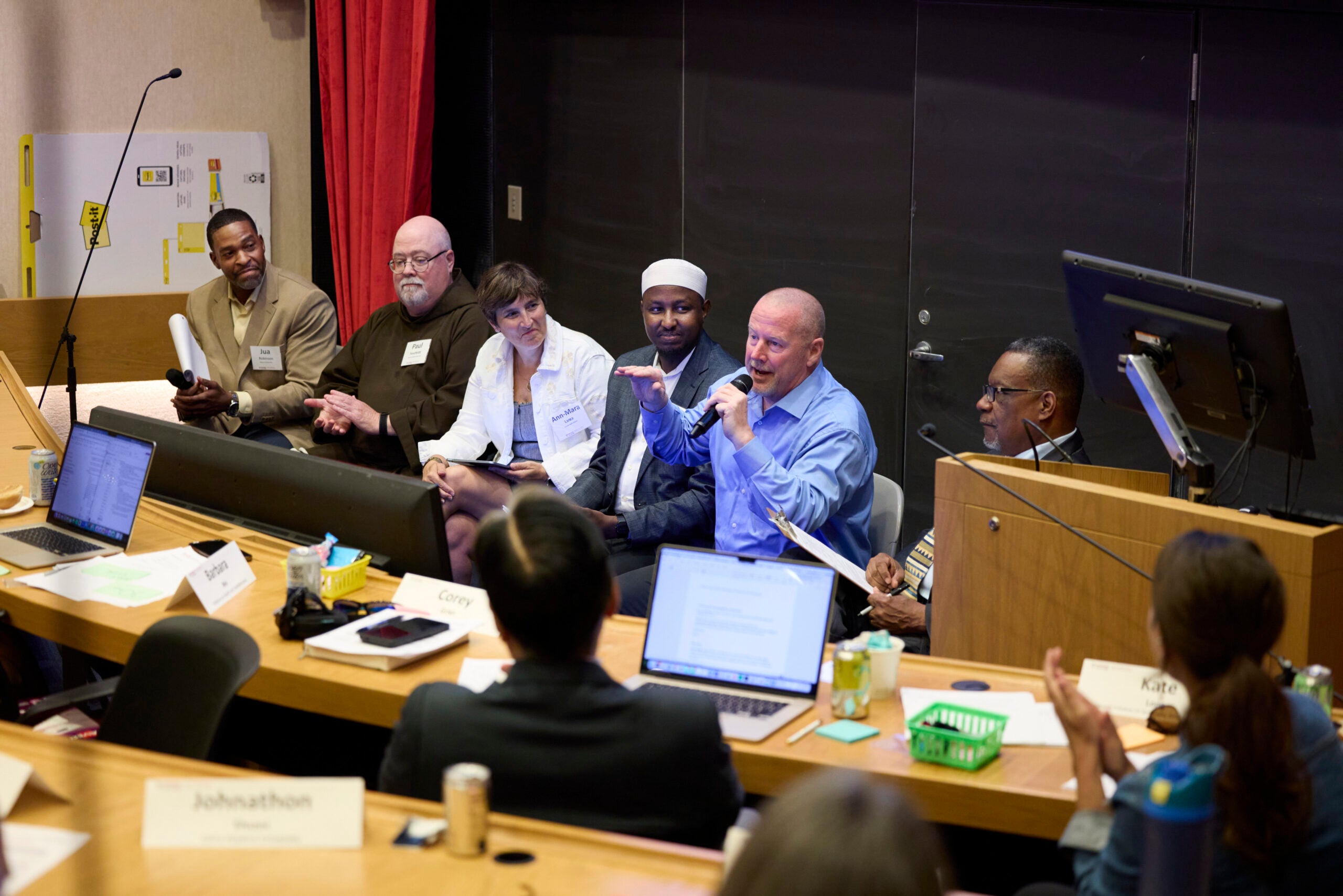
These are examples of the understudied research questions WINS will endeavor to answer. Other topics will be revealed over the course of the pilot study, as the researchers work hand-in-hand with an advisory board—which includes research scientists, sports medicine physicians, coaches, and current and former athletes—and sport-specific steering committees and focus groups to determine what topics weigh most heavily on women athletes’ minds and need scientific attention.
The first focus groups, composed of current and former basketball, track and field, soccer, ice hockey, and volleyball athletes, will share with the researchers their experiences around mental and physical health, injury, reproductive health and family planning, discrimination, and socioeconomic challenges. The researchers will then use these insights to develop sport-specific surveys, which will be distributed to athletes from each of the five sports.
At the conclusion of the study’s first year, the researchers, guided by the advisory board and steering committees, will collect and analyze the survey results. This will produce a body of preliminary data to inform which studies should come next.
We can’t sit idly by and watch women athletes train and compete and entertain us without meaningful research to help protect their health and safety.
Christy Glass, WINS co-principal investigator
This collaborative approach—what’s known as the community-based participatory research model—is the backbone of WINS.
“The idea is, ‘nothing about you, without you,’” said Whittington, WINS’ senior director of community engagement and health equity. “Athletes will be involved in every stage of the research, working alongside scientists on everything from the surveys we’re designing to the translation and dissemination of our findings. As scientists, we are well trained in conducting the research, but they’re the experts of their lives and experiences. Merging the two is where you create some of the most impactful science.”
She added that the study—by considering biological, psychological, and social factors that affect health as they do in the FPHS—“provides the opportunity to examine the wellbeing of athletes in a more holistic—and humanistic—way.”
As women’s sports grow, ‘we can’t sit idly by’
The vision for WINS is long-term and expansive. Grashow said her hope is to eventually study athletes from a broader range of sports. For now, the researchers are focused on getting the five sport-focused pilot study off the ground—a milestone that Glass, WINS’ co-principal investigator, said is coming not a moment too soon, given that there are more eyes on women athletes than ever before.
“The exponential growth women’s sports have been experiencing is complicated for athletes, since it is happening alongside greater scrutiny of athletes themselves,” she said. “How do athletes experience this attention? What guardrails are needed to protect their mental health and wellbeing in this context?”
She added, “Speaking as both a women’s sports fan and as a researcher, we can’t sit idly by and watch women athletes train and compete and entertain us without meaningful research to help protect their health and safety.”
Kate Ackerman, whose Women’s Health, Sports, and Performance (WHSP) Institute is funding the first year of WINS, echoed Glass’ sense of urgency.
“In the last five years, women’s sports have gained unprecedented popularity and attention. Yet the study of elite female athlete health and performance during competitive years and into retirement is lagging,” said Ackerman, associate professor of medicine at Harvard Medical School and co-founder and director of WHSP. “With support from the Wu Tsai Human Performance Alliance, and collaborative work between WHSP and Harvard Chan School, WINS will help close the gap.”