Longevity Medicine: From Science to Clinical Practice
This new course is currently in development. Click subscribe to be notified when the course is open for enrollment.

Program Overview
This self-paced online program helps physicians translate the rapidly evolving science of healthy aging into responsible, evidence-based clinical care. Across eight clinically focused modules, participants progress from the foundations of longevity medicine through biological and functional assessment, evidence-based interventions, emerging technologies, and the development of personalized longevity plans.
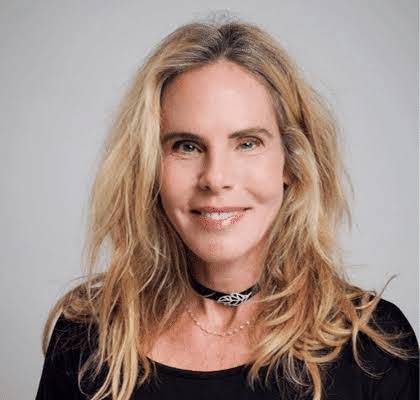
The program also brings a distinctive perspective: healthy longevity is shaped across the entire life course, beginning far earlier than midlife. This view draws on Professor Strauss’s background in neonatal and developmental medicine, including what to assess earlier in life and how early exposures shape health decades later.
Teaching is grounded in a working, hospital-based longevity center that treats patients today, one of very few embedded within an academic medical center. Participants see how an evidence-based longevity service actually operates, rather than a hypothetical model.
Throughout the program, clinical examples, evidence-appraisal frameworks, assessment tools, and practical exercises help participants move beyond understanding longevity science to applying it in real-world patient care.
Participants leave with a practical framework for assessing patients, interpreting longevity biomarkers and interventions, counseling patients amid competing claims, and developing evidence-based longevity services.
An evidence-based clinical framework for physicians
Learning Objectives
In the course, participants will be:
- Introduced to the principles of longevity medicine and to how the science of aging is translated into clinical decision-making.
- Taught the biology of aging and its measurement: the hallmarks of aging, biological clocks, omics and genetics, and the criteria that make a biomarker ready for clinical use.
- Guided, system by system, through the underlying physiology, the age-related changes and their clinical assessment, and the evidence-based interventions, with the strength of evidence stated for every test and treatment.
- Presented with the pharmacology of aging and the supplement market, and with a prescriber’s framework for using them responsibly.
- Trained to assess a whole patient from the first consultation to the written plan, and to build a complete longevity plan on the basis of everything taught in the course.
- Shown how to take all of this to implementation, clinical and business, and how to set up and run a longevity clinic in practice.
Program Details
This program is fully online and self-paced, allowing physicians to complete the learning experience alongside their professional responsibilities.
Each of the eight modules combines short, expert-led video segments with clinical examples, brief readings, knowledge checks, and self-directed activities. The curriculum emphasizes practical application, helping participants move from scientific concepts to clinical reasoning and implementation.
The program concludes with a capstone exercise in which participants develop a comprehensive longevity plan for a patient or clinical setting. Practical resources—including assessment frameworks, biomarker interpretation guidance, and intervention appraisal tools—support the application of course concepts in everyday practice.
This program is designed for physicians and physicians-in-training who want to approach longevity medicine with scientific rigor and clinical responsibility. Participants may include:
- Medical students and residents in clinical training
- Family physicians and internists
- Cardiologists, endocrinologists, and other specialists
- Pediatricians and obstetrician-gynecologists
- Physicians working in preventive or longevity care
- Clinic owners, medical directors, and physician leaders
The program may also be relevant to organizations developing or strengthening evidence-based longevity and preventive care services, including hospitals and health systems, academic medical centers, private and group practices, insurers, and corporate health programs.
No prior training in longevity medicine is required. Completion of Fundamentals of Longevity Science is recommended, but not required.
By the end of the program, participants will be equipped to move from evaluating longevity science to applying it responsibly in clinical settings.
The curriculum is structured as follows:
| M1: Longevity Medicine Across the Life Course |
| M2: Hallmarks of Aging and Biological Clocks |
| M3: Omics, Genetics and the Measurement of Aging |
| M4: Cardiometabolic and Inflammatory Aging |
| M5: Muscle, Bone and Physical Function |
| M6: Brain Aging: Cognition and Sleep |
| M7: Hormonal Aging: Menopause and Andropause |
| M8: Longevity Pharmacotherapy: Geroscience, Drugs and Supplements |
| M9: The Integrative Case: The Longevity Consultation |
| M10: Building Longevity Services |
Participants will also develop practical assets they can use beyond the course, including assessment frameworks, biomarker interpretation guidance, intervention-appraisal tools, and a structured approach to patient counseling.