Unloading
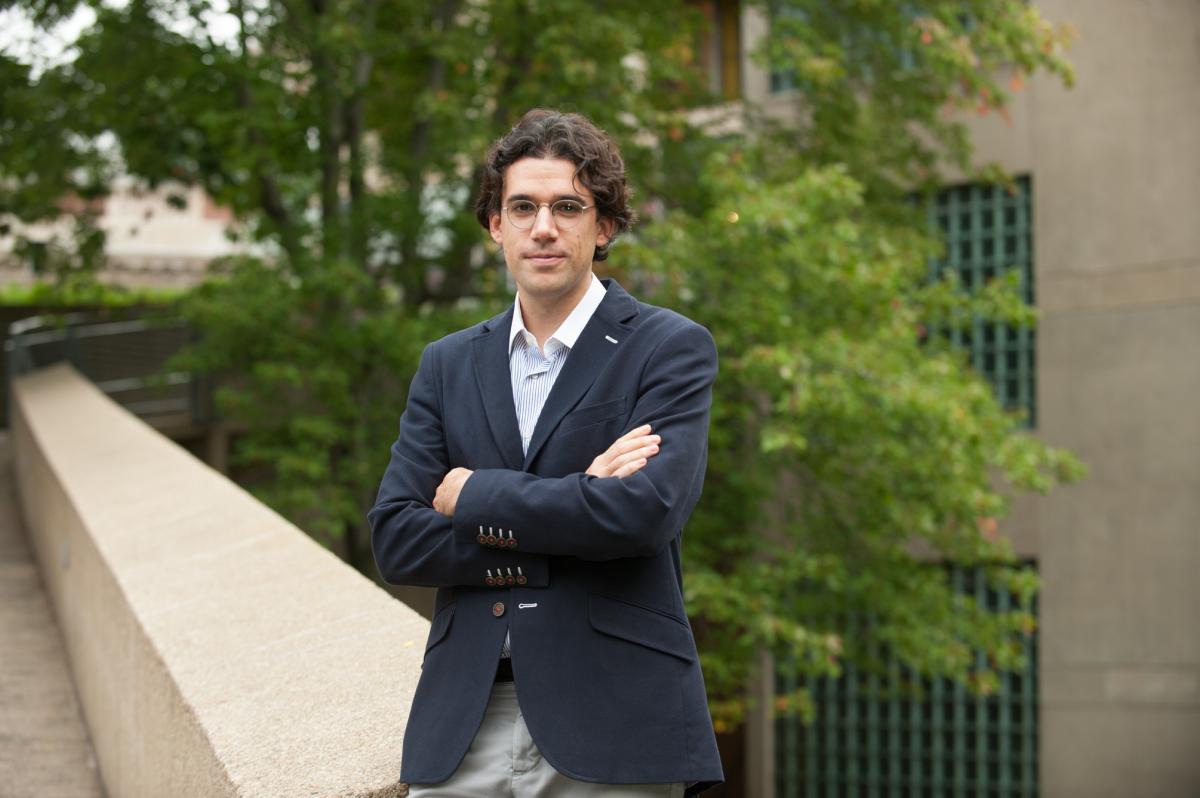
Jake Wheeler is a Winokur Fellow and DrPH candidate.
You can mention most American states and get a shrug. Mississippi is not one of them. When I told people I was spending the summer in the Delta, they almost always had a reaction. Usually it was the same question: “Why there?” It was a response I recognized from years of working overseas. South Sudan. Ukraine. Places people assume must come with an explanation. Somehow Mississippi did too.
The place arrives already loaded with poverty, race, and a long history of being told through deficits. And, if I’m honest, I was carrying some of that freight too.
So, I approached Mississippi the way I’d approached every unfamiliar place before it. I read. I read the rankings, the histories, the reports, because that is how a careful person prepares to be useful somewhere. But a place narrated almost entirely through its damage will hand you, if you read enough of it, a very detailed version of the story everyone already believes. I showed up with better-sourced assumptions, not fewer of them. I confused preparation with understanding. The reports weren’t wrong. They were simply describing the Delta from farther away than I had been standing.
A book I’d brought quoted Morgan Parker’s poem “Now More Than Ever.” I couldn’t stop thinking about it. It made me question what I expected to get from coming here in the first place. I read it first as a warning, and then, less comfortably, as a description. If I was honest about why I’d chosen this place, part of the answer was what I could get out of it. The exposure. The experience. A story. And that impulse was an uncomfortable one, because Mississippi is a place defined by what has been taken from it. Cotton, then the blues, then its own people. The vacancy in its towns is the residue of generations spent producing things and sending them off, and the last thing it needed was one more outsider who came to take something home.
I have spent my career in global health, moving in and out of communities that weren’t my own, and I came back for a doctorate partly to do that work at home instead. Partly, I think, to escape the discomfort of always being the person who eventually leaves. Two weeks before Mississippi I had been in Klamath territory, in Indian Country, an outsider distrusted for a history I’d inherited but hadn’t chosen. The thing I’d come home to leave behind was waiting for me here. You don’t outrun your position by changing the map.
For all the places I’d worked, I still arrived carrying more of myself than I realized. The Dream Center took care of that. The staff called me their intern, and the first time, it stung. I’m a doctoral student with a full-time job, not an intern. Then I heard the ego in it and let it go.
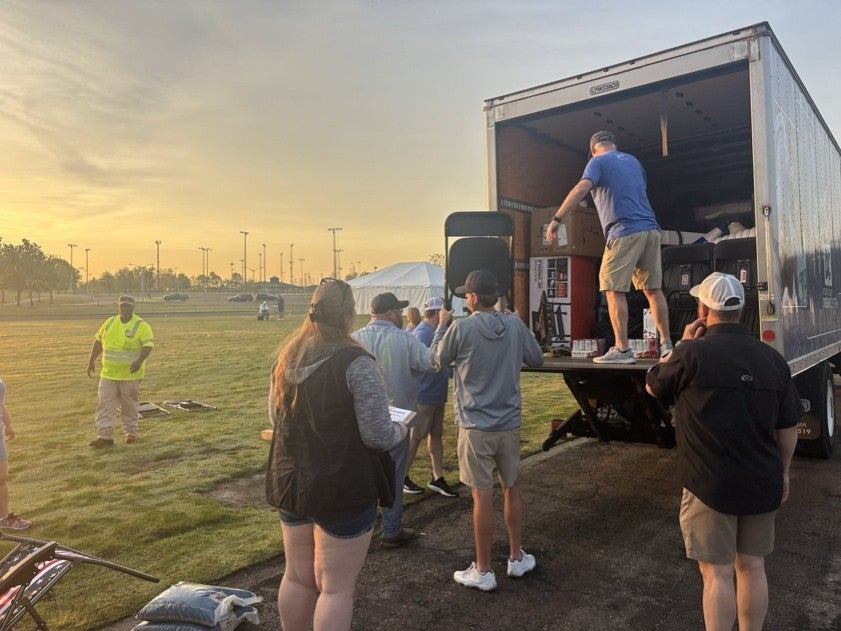
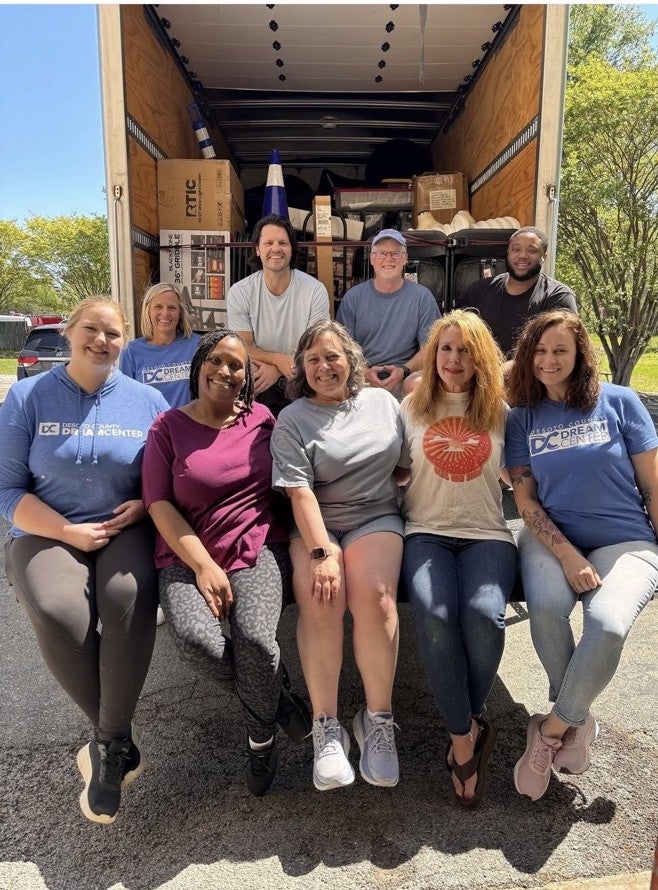
Most of what they needed from me wasn’t doctoral. I unloaded trucks. I showed up early and moved things. I went to the after-school program, the foster homes, the nursing homes. I told myself I was there to understand the system—that to understand it you had to see its parts. It took me a while to admit I was also just there to help. On my last day, someone said they’d miss me. “The muscle.” The most honest assessment of my contribution all summer wasn’t my brain. It was my back.
The clearest window into the work was the Emergency Needs Closet.
One Wednesday morning I sat at the intake desk, helping collect information from people as they came in. Later, I worked with staff to simplify some of the forms and intake process so more people could be seen. The forms weren’t the point. The conversations were. Everyone arrived with a reason for coming, but it often took a few minutes before the full picture emerged. Food was often the reason people walked through the door, but it was rarely the only reason. Maybe it was a utility bill that had gotten away from them, rent that had fallen behind, or kids home for the summer stretching an already tight budget.
A volunteer named Wanda showed me how it’s done. She had a way of hearing the problems underneath the one people thought they were there to solve. She’d ask what brought someone in, and then she’d wait. Never in a hurry to fill the silence. She wasn’t collecting stories. She was earning them, one Wednesday at a time.
I came wanting to take something from Mississippi. By the end, I found myself thinking more about what I could leave behind. Not insight; the Dream Center didn’t need a Harvard student to explain its own work. What I could leave was smaller and, I hoped, useful: a resource guide the staff could keep building after I left, a connection to my work at Americares that might someday help the clinic, and, on the days they needed it, my back.
Before we left for our placements, Jocelyn Chu, who runs the community-engaged learning program at our school, asked us what our work would look like if we planned for the ending from the beginning. I didn’t fully appreciate the question then, but I think I do now. It asks you to measure the work not by what you carry away from a place, but by whether anything you leave behind continues to matter after you’re gone.
Even this essay can’t escape the temptation to take something home. It turns a place into a story with my name attached to it. I can only hope it points back to the people who did the teaching. They’ll still be there next Wednesday morning, doing the work. People kept asking me, “Why Mississippi?” as if the place were the thing that needed explaining. After a summer there, I think the better question is why I believed I understood it before I arrived.