Endometrial cancer is on the rise. Lifestyle changes can reduce the risk.

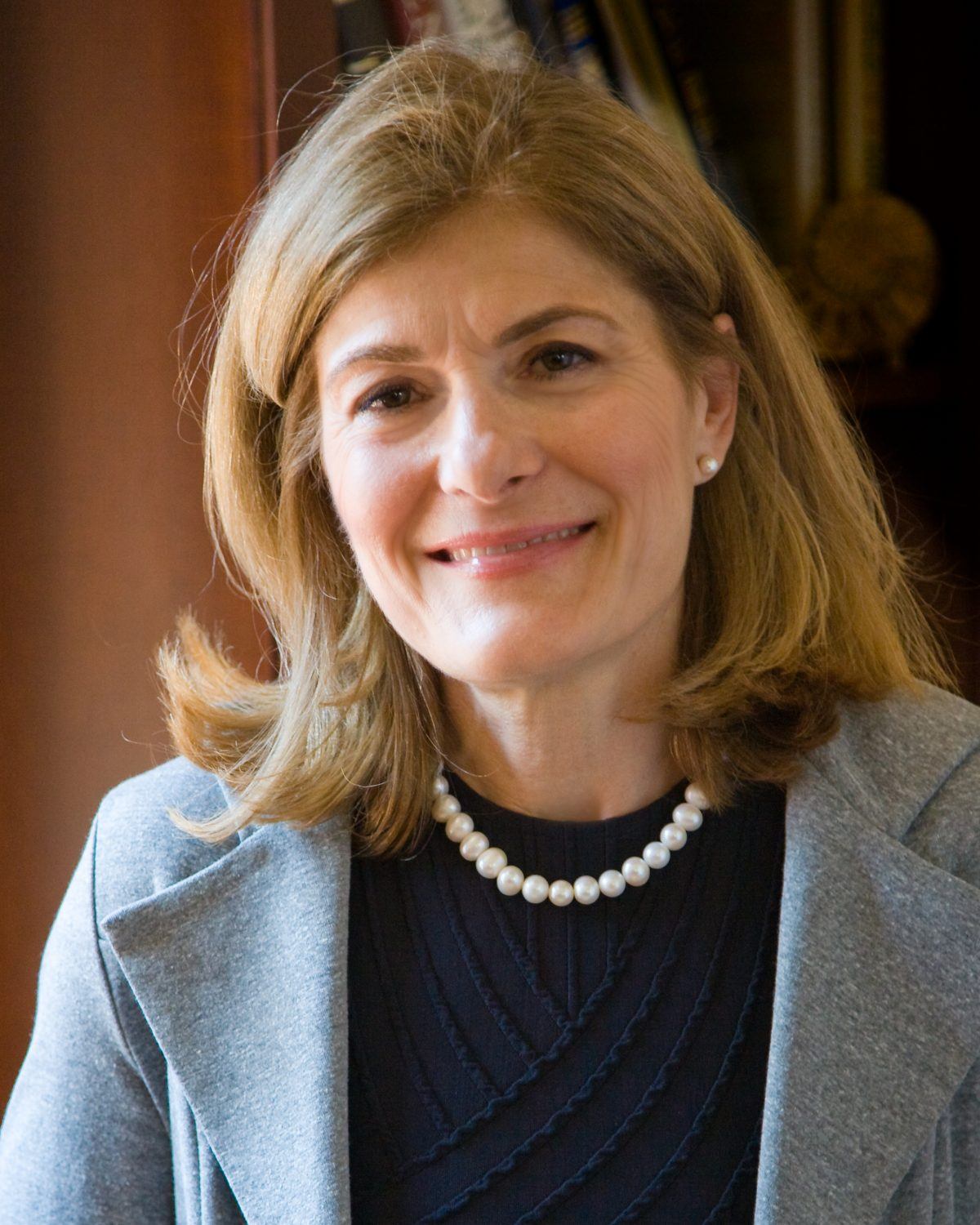
Lifestyle changes, such as eating a balanced diet and managing stress, can help reduce women’s risk of endometrial cancer, according to Immaculata De Vivo of Harvard T.H. Chan School of Public Health.
De Vivo, professor in the Department of Epidemiology, spoke about endometrial cancer—a cancer of the lining of the uterus—on a June 18 WebMD podcast.
De Vivo noted that although endometrial cancer has typically been considered a post-menopausal disease, it’s on the rise among younger women. “The shift to younger women is significant, and it likely reflects earlier and more prolonged exposure to risk factors like obesity and metabolic health issues,” she said.
Research suggests that 70% to 80% of endometrial cancers are linked to excess body weight, De Vivo said. She explained that adipose tissue produces an excess of estrogen, which upsets the normal hormonal balance between estrogen and progesterone in the uterus and can stimulate its lining in ways that increase cancer risk. “From an epidemiologic standpoint, the link between obesity and endometrial cancer is one of the strongest we’ve ever seen among cancers,” she said. “Women with obesity can have two to four times the risk compared to those at a healthy weight.”
Stress can also raise the risk of endometrial cancer. Research shows that chronic stress can influence inflammation, immune function, and hormonal balance, all of which are relevant to long-term health in general as well as to endometrial cancer, De Vivo said. While eliminating stress isn’t realistic, she recommended trying to manage it via things like physical activity, yoga, social connections, and spending time in nature.
De Vivo pointed out that Black women have roughly twice the mortality rate from endometrial cancer as that of White women—inequities that reflect “differences in access to care, delays in diagnosis, treatment patterns, and the impact of systemic bias.” She also noted that more funding is needed to study the disease. “Greater awareness and research investment are essential if we want to reverse these trends and reduce inequities in outcomes,” she said.
De Vivo encouraged patients to feel empowered in their health care visits. “You have agency,” she said. “Don’t be intimidated. You need to ask questions like, ‘What is my risk? What can I do to lower it?’ And most importantly, don’t ignore symptoms, especially abnormal bleeding. … This is a disease that, if caught early, is treatable.”
DeVivo also spoke about the epidemiology of endometrial cancer and how clinicians can use information about risk factors in an August 5 Medscape podcast.
Listen to the WebMD podcast or read the transcript:
The Science of Prevention: What Epidemiology Reveals About Endometrial Cancer
Listen to the Medscape podcast or read the transcript:
What Can Risk Factors Teach Us About Endometrial Cancer?
Note: This article was updated on August 6, 2025.