ICATT Program Demonstrates Scalable and Equitable Model for Future U.S. Public Health Emergency Response
May 11, 2026 – A new study from Harvard T.H. Chan School of Public Health and the U.S. Centers for Disease Control and Prevention (CDC) found that the Increasing Community Access to Testing, Treatment, and Response (ICATT) program expanded COVID-19 testing for underserved communities. The study also found that the ICATT public-private pharmacy model can support future emergency response, surveillance, and research.
The study was published in May 2026 in NEJM Catalyst Innovations in Care Delivery. According to the researchers, ICATT offers a replicable framework for future public health preparedness by combining broad geographic reach, operational flexibility, and real-time data reporting.
Rapid and equitable deployment of testing and other countermeasures remains a persistent challenge in pandemics. Public Health infrastructure has often been fragmented, and policymakers have emphasized the need for systems that can scale quickly while reaching uninsured and high-vulnerability communities.
This paper analyzed ICATT operational and testing data from April 2020 through December 2024, including program performance indicators and cross-agency implementation metrics. The authors assessed program scale, testing outcomes, turnaround performance, and the model’s role in supporting broader federal response efforts. “ICATT demonstrated that a pharmacy-based public-private network can maintain readiness, expand quickly, and deliver data needed for emergency response, surveillance, and research,” according to the authors of the paper.
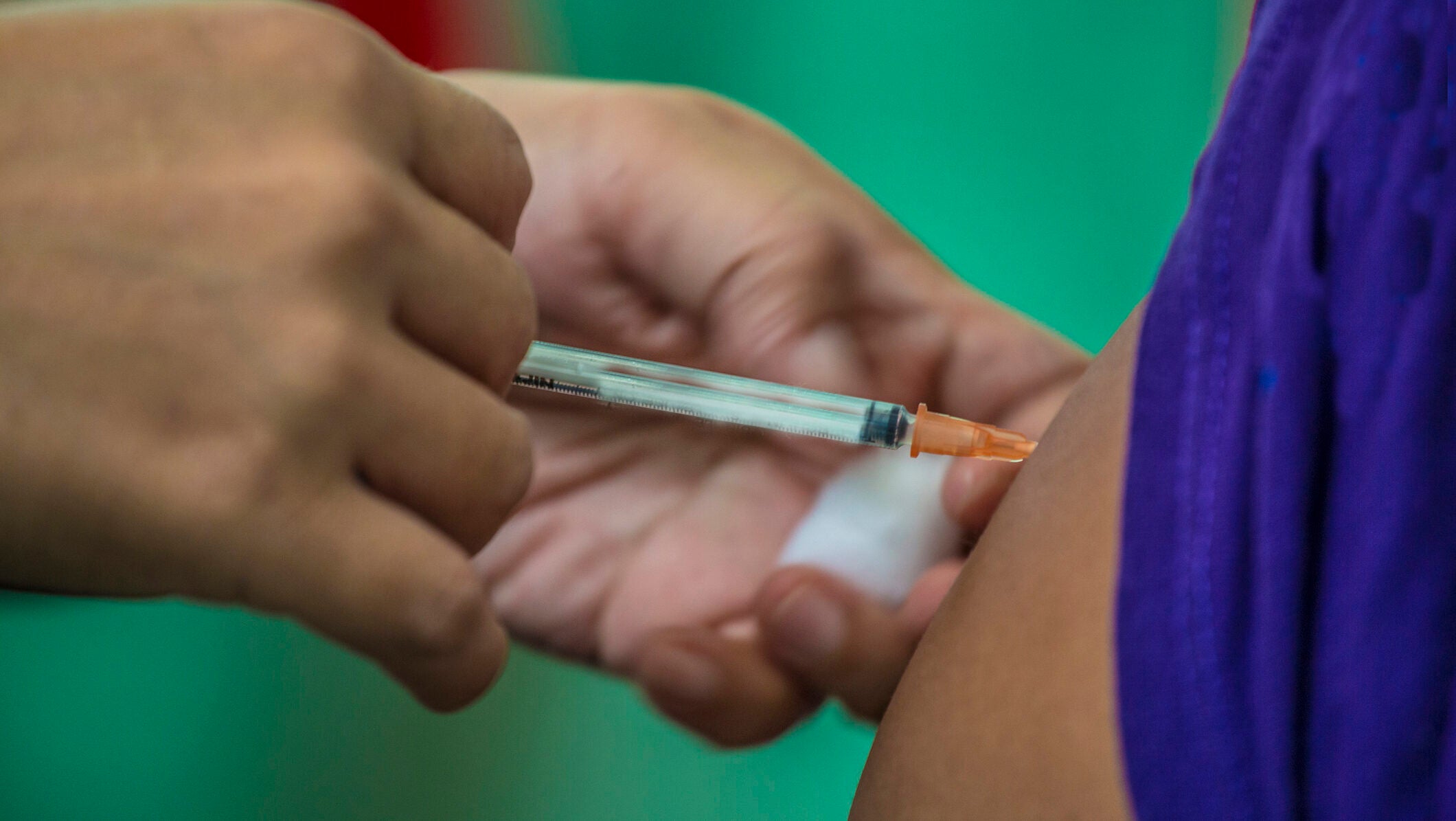
The study found that ICATT facilitated more than 49.2 million tests across roughly 16,000 sites in over 2,000 counties over a timespan of 57 months. About 7.8 million tests (16.1%) were positive. During the COVID-19 public health emergency, ICATT represented 4.2% of nationwide testing and 7.8% of positive results in the National Unified Testing dataset. The program also supported other related efforts, such as vaccine delivery to uninsured and underinsured adults (about 880,000 vaccines at 20,000 sites) and partnerships for surveillance and emergency operations.
“Rapid distribution of diagnostic testing and countermeasures in community settings is a persistent challenge during pandemics,” said co-author Thomas C. Tsai, MD, MPH, associate professor of health policy and management at Harvard T.H. Chan School of Public Health and co-director of the Healthcare Quality and Outcomes Lab.
The paper’s authors noted limitations, including operational and data-integration challenges across partners, changing testing demand and test types over time, and the fact that some national comparative analyses cited were internal CDC analyses. Future research should assess how this model can be adapted for other infectious disease threats, better integrated with local health systems, and used to guide next-generation emergency preparedness program.