Polycystic ovary syndrome and menstrual irregularity mapped by researchers
People with polycystic ovary syndrome (PCOS), an endocrine disorder with menstrual irregularity as a common symptom, experienced more regular periods as they aged, according to a new study led by Harvard T.H. Chan School of Public Health. According to the researchers, it is the most comprehensive study to date of menstrual patterns across the lifespan for people with PCOS or long-term menstrual irregularity without a PCOS diagnosis.
The study was published in the April 2026 edition of the American Journal of Obstetrics and Gynecology. Shruthi Mahalingaiah, Mark and Catherine Winkler Associate Professor of Environmental Reproductive and Women’s Health, was the corresponding author.
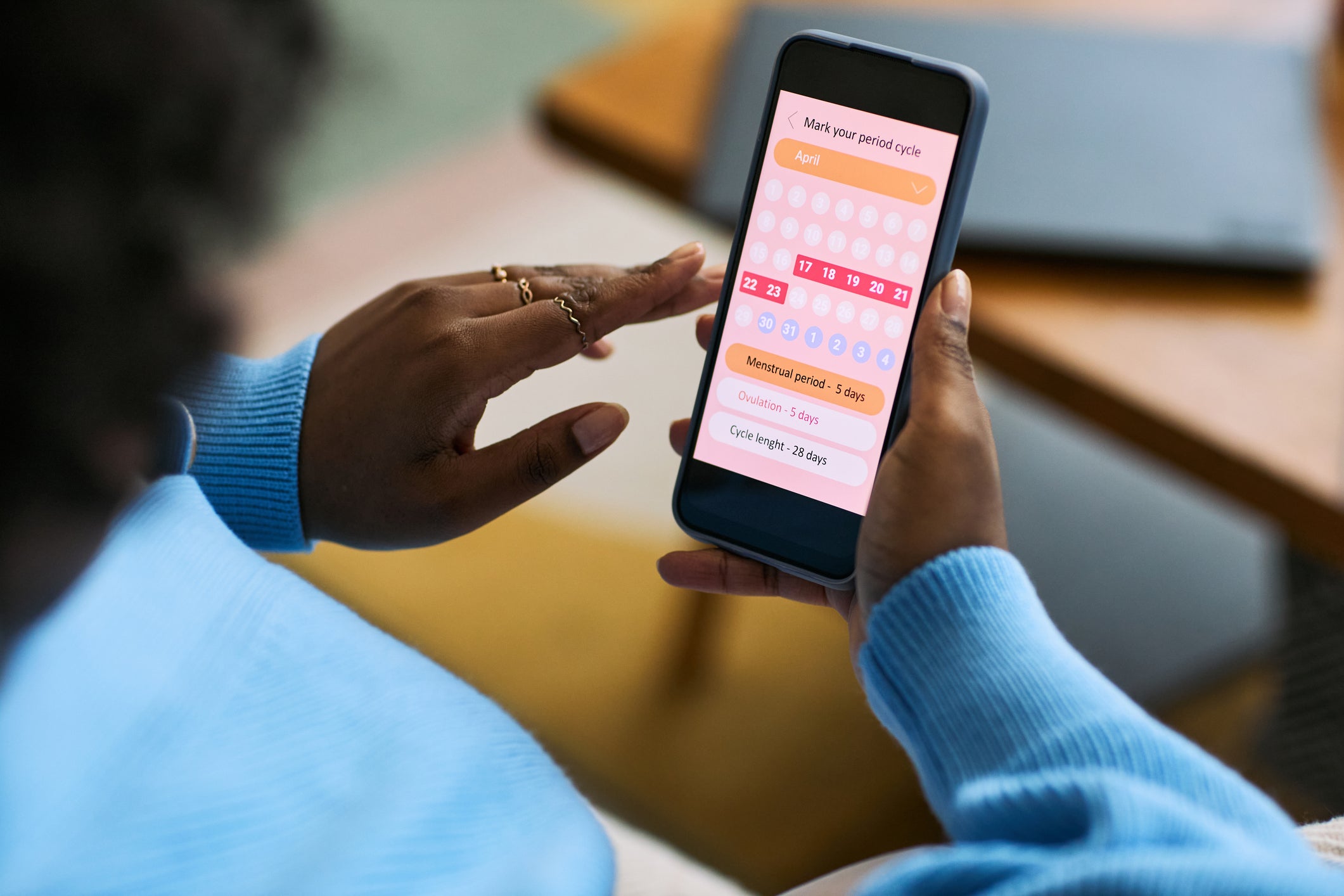
Few studies have examined the menstrual histories of people with PCOS and/or irregular periods, with most of these studies relying on a small number of homogenous participants. The researchers sought to expand the knowledge base by looking at whether menstrual patterns changed over time among those who experienced irregular periods in early life, with and without a PCOS diagnosis. To find answers, they used data from the Apple Women’s Health Study, which collects information on menstruation and health via smartphone among tens of thousands of participants ages 18 to 50+ across the U.S. They analyzed data from more than 16,200 menstrual cycles across nearly 16,000 participants falling into one of three categories: those who self-reported being diagnosed with PCOS, those who self-reported early-life menstrual irregularity, and those who self-reported early life menstrual regularity.
The study found that in early reproductive years, participants with PCOS and those who reported early life menstrual irregularity had longer and more irregular cycles than those who reported early life regularity—as expected. These gaps closed as participants got older, however. Between ages 18 and 40, participants with PCOS and early menstrual irregularity went on to experience increasingly regular periods.
According to the researchers, the study has important implications for clinicians and their patients living with PCOS or whose periods are otherwise irregular. “The findings are useful to these persons and their healthcare providers as an aid in understanding the natural course of their condition and in managing the many aspects of life, such as family planning, that are related to menstrual function,” they wrote.
Read the study: Variability of menstrual cycles by age, polycystic ovary syndrome, and early-life cycle irregularity in the Apple Women’s Health Study
Learn more:
Apple Women’s Health Study advances understanding of menstrual cycles and health (Harvard Chan School news)
Menstrual periods are arriving earlier for younger generations, especially among racial minority and lower-income individuals (Harvard Chan School news)