This River Will Carry You Home: Lessons from Rwanda’s Healing Circles
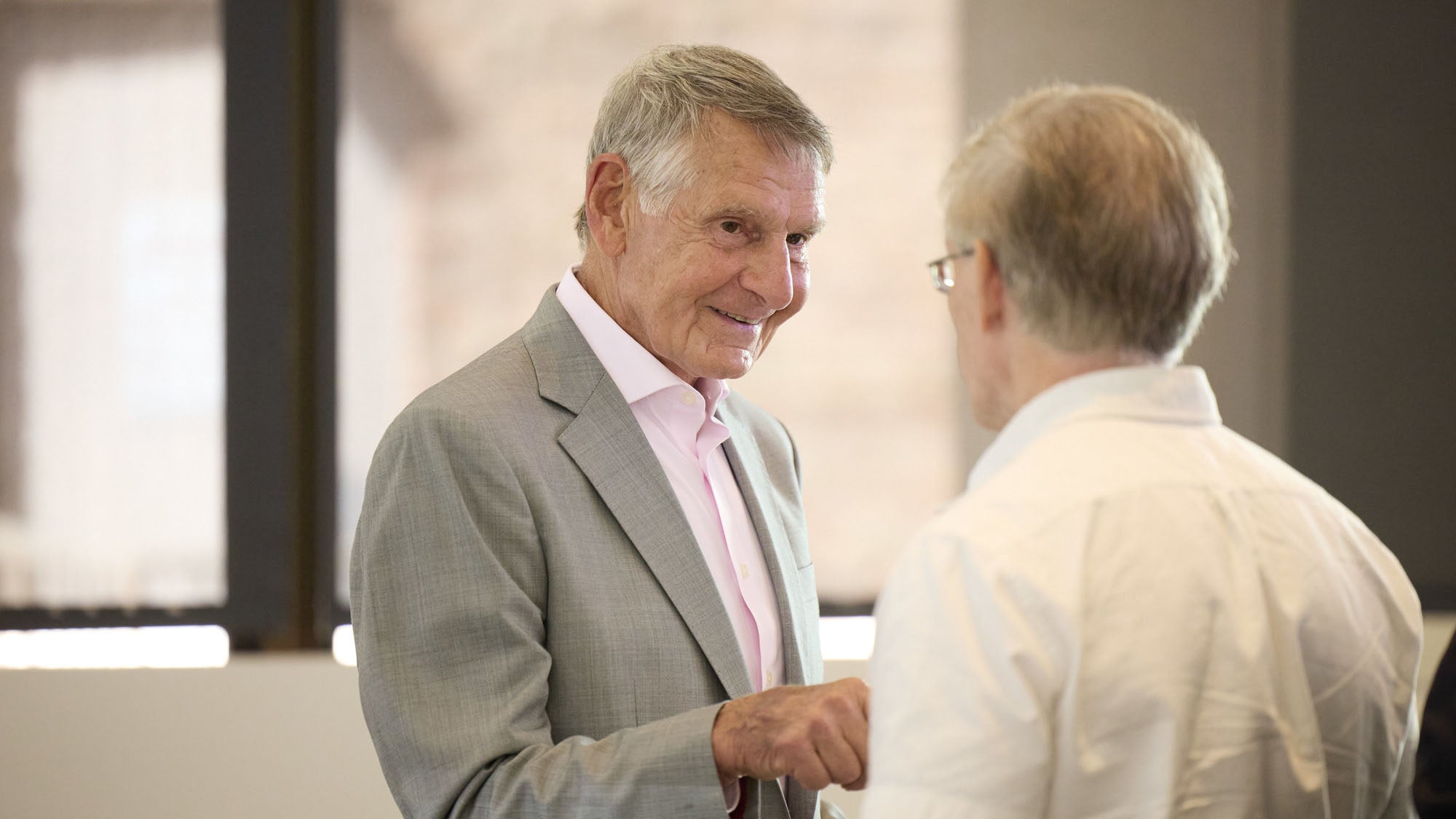
Zakaria Mohammed is a Rose Service Learning Fellow and a Master of Public Health candidate in Health Management.
Arriving in Kigali
The first thing that surprised me about Rwanda was the air, a quiet I hadn’t expected.
I had a layover in Cairo, and I remembered stepping out of that airport: the heat pressing in immediately, thick with exhaust and spice and noise, the city grabbing you by the collar before you had even found your bearings. Kigali was entirely different. When I walked out of Kigali Airport into the January evening, the air was cool and clean, carrying the faint green scent of rain-soaked hills. The car park was orderly, almost serene. Drivers stood quietly beside their vehicles, holding cards. No one pushed. The road into the city was smooth and lined with bougainvillea, the hills rolling away in every direction, dark and lush against the last of the light. I had been fascinated by Rwanda long before I arrived. A country that in 1994 endured one of the worst atrocities in modern history, and then, with extraordinary deliberateness, chose to rebuild. Not just its roads and institutions, but something harder to name: a shared sense of what it could become.
Meeting the Team
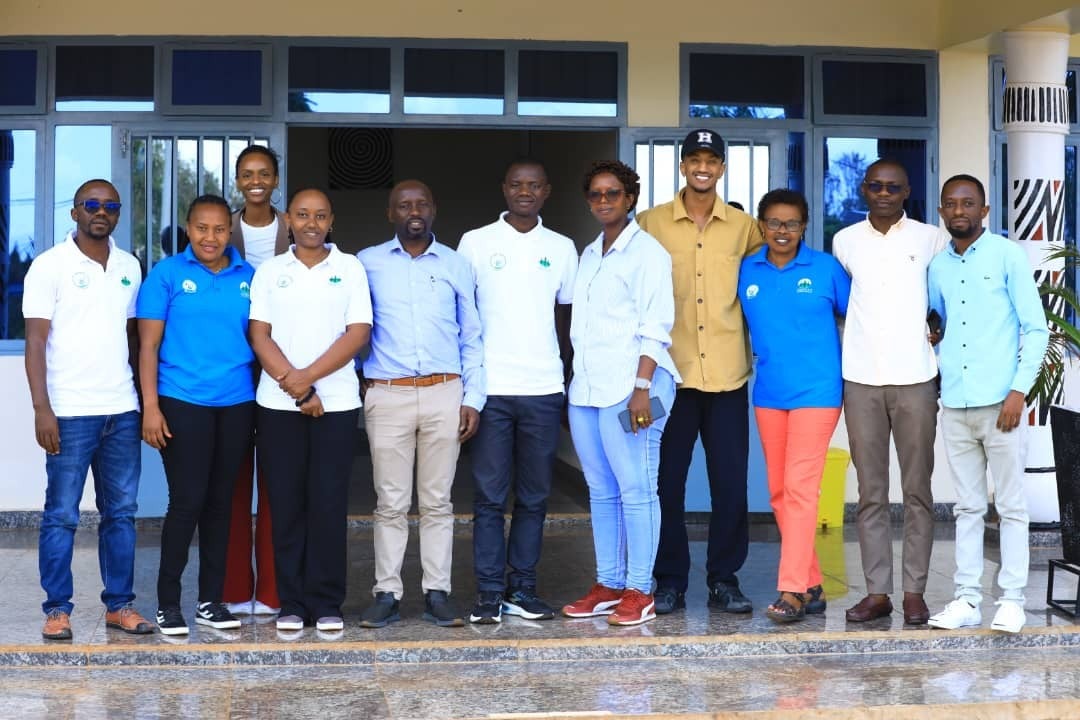
My Rose Service Learning Fellowship was with the Ubuntu Center for Peace, and my first meeting was with its co-founder and Executive Director, Dr. Jean Bosco Niyonzima, a quietly commanding man whose warmth you feel before he has finished his first sentence. Jean Bosco lost family in the genocide. He has spent the decades since building something that might, in its own way, answer it. Along with Aline Gaju, Ubuntu’s Executive and Programme Coordinator, and a deeply committed team who move with the easy familiarity of people who have been through something together, Jean Bosco has created an organization that feels less like an NGO and more like a family with a mission.
That mission is built on a deceptively simple idea: that healing from trauma is not only a clinical process, but fundamentally a social and relational one. Ubuntu trains ordinary community members (teachers, farmers, neighbours) to facilitate 15-week healing circles for trauma survivors across Rwanda through its Community-Based Social Healing (CBSH) model. The philosophy comes from a Nguni Bantu concept: ubuntu, meaning “I am because we are.” The organization has reached over 30,320 people at around $24 (USD) per participant, and its model is now being piloted for integration into Rwanda’s primary health care system in partnership with district authorities and health system actors.
My role was to explore how the Community Healing Assistants (CHAs) who facilitate these circles were experiencing the work, and what Ubuntu might do to sustain them as the programme scales.
Inside the Circle
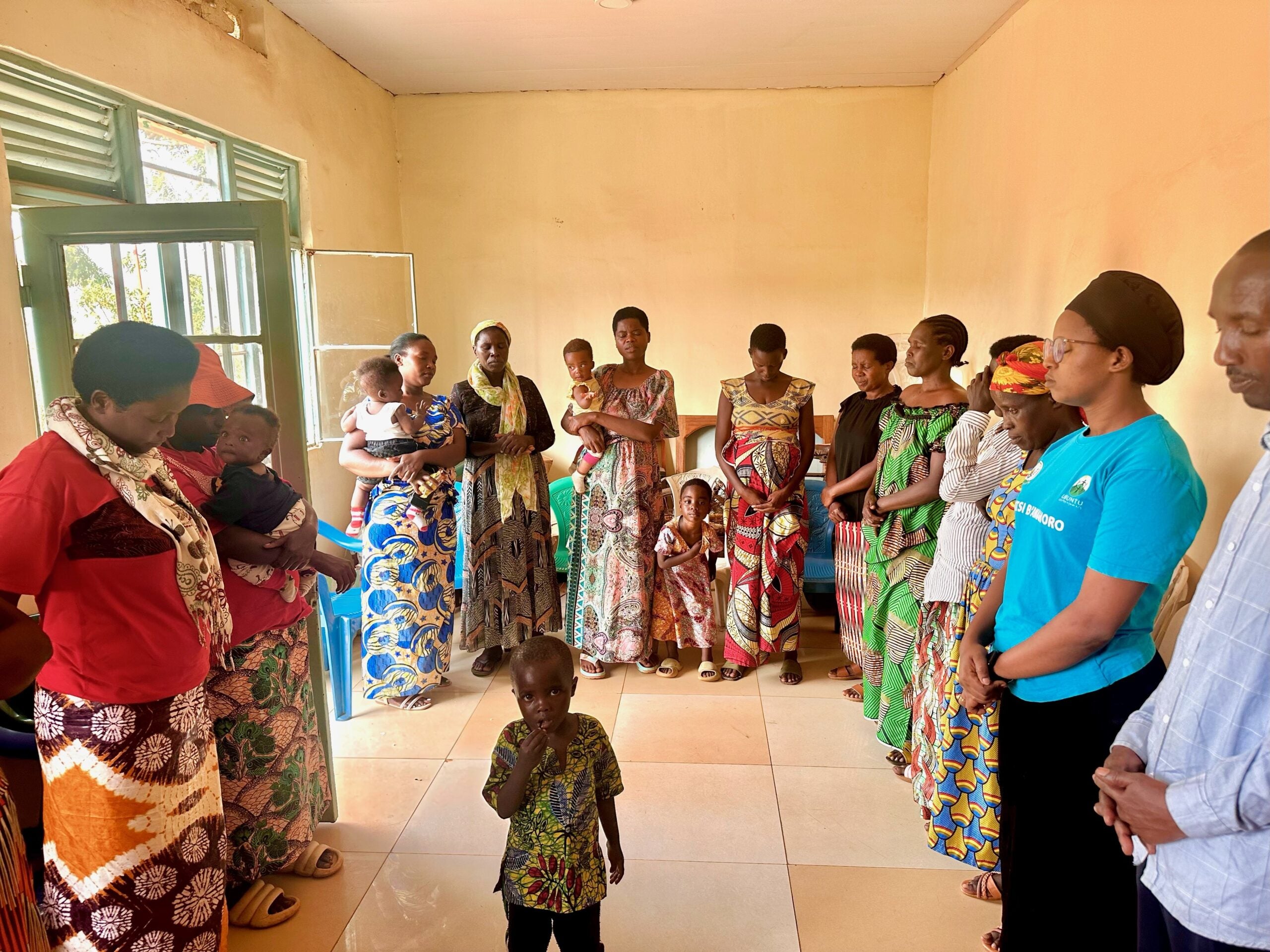
Before I ran a single focus group or wrote a single field note, I sat in on a healing circle in Gacurabwenge, in Kamonyi District. I want to try to describe what that was like, though I am not sure I have the right words for it.
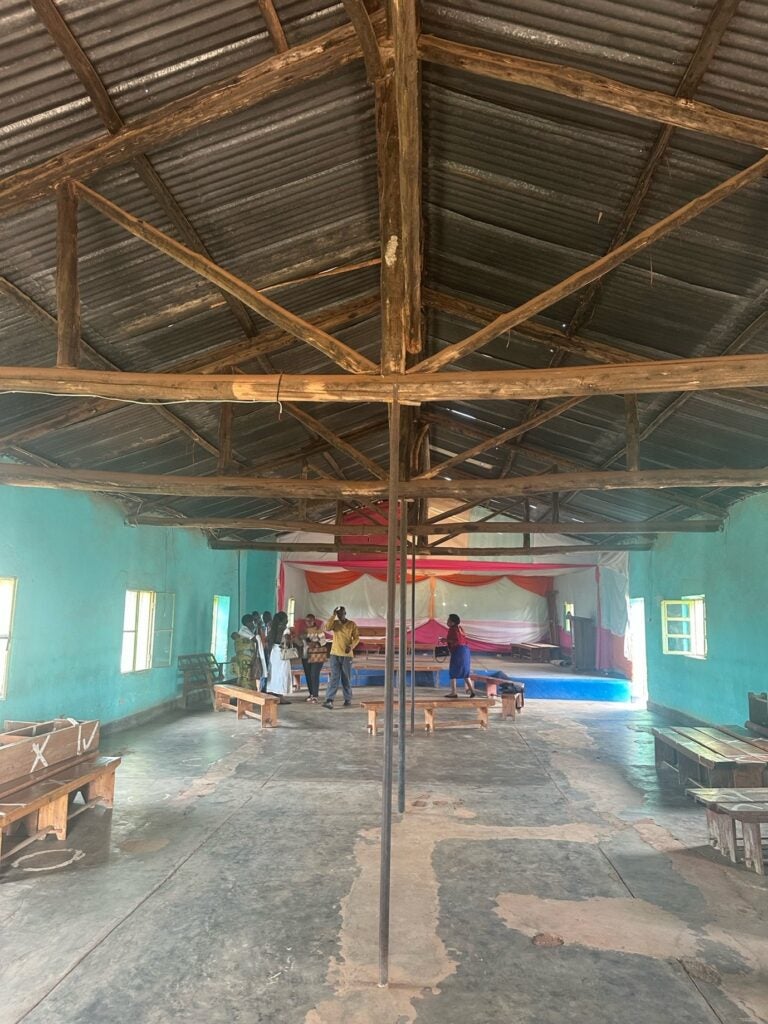
The circle was held in a church. Not a grand one, a wide, open-sided building with turquoise-painted walls, a corrugated iron roof carried on rough wooden beams, and a concrete floor worn smooth over years. Light fell through unglazed windows in long pale rectangles. Outside, through the open walls, you could see red laterite earth, pine trees standing in the heat haze, and the hills of Kamonyi rolling away into the distance, fold after fold. Inside, wooden benches had been pulled into a loose oval. About fifteen people sat together, most of them women, a few men, ranging from perhaps twenty to sixty years old. The CHA who facilitated wore the organization’s pale blue shirt. She opened with a breathing exercise, leading the group through slow, deliberate breaths, hands resting open on their knees. The room, which had been quietly restless, settled. Something in the air changed.
Over the weeks of a healing circle, participants learn to name their emotions, to sit with discomfort rather than flee from it, to map their story using a methodology called the Tree of Life. They sing together, witness each other, and when someone is ready, they share.
That morning, a young woman spoke.
Her mother was Tutsi, her father Hutu. She grew up in a household fractured by that fact, her father’s shame turning, regularly, into violence against her mother. Her parents eventually separated. She was a good student, she said, and when she finished secondary school she went to find her estranged father to share the news of her results. He met her with a machete.
She survived. But she carried the scar of it – and something harder to see than a scar, a fury that had calcified into shame, and then into withdrawal. She had held the rage so long it had begun to feel like the only solid thing inside her.
Then she joined the circle.
She described what the weeks had given her, not a resolution, but a language. A way of naming what she felt without being consumed by it. People who placed both hands on their hearts when she spoke, the circle’s gesture for: I am here, I hear you, you are not alone. She said she had forgiven her father. Not for him. For herself.
By the time she finished, the room was very still. Around me, hands had gone to hearts, not on cue, not performed, just there. I found my own hands doing the same before I had decided to move them.
The River
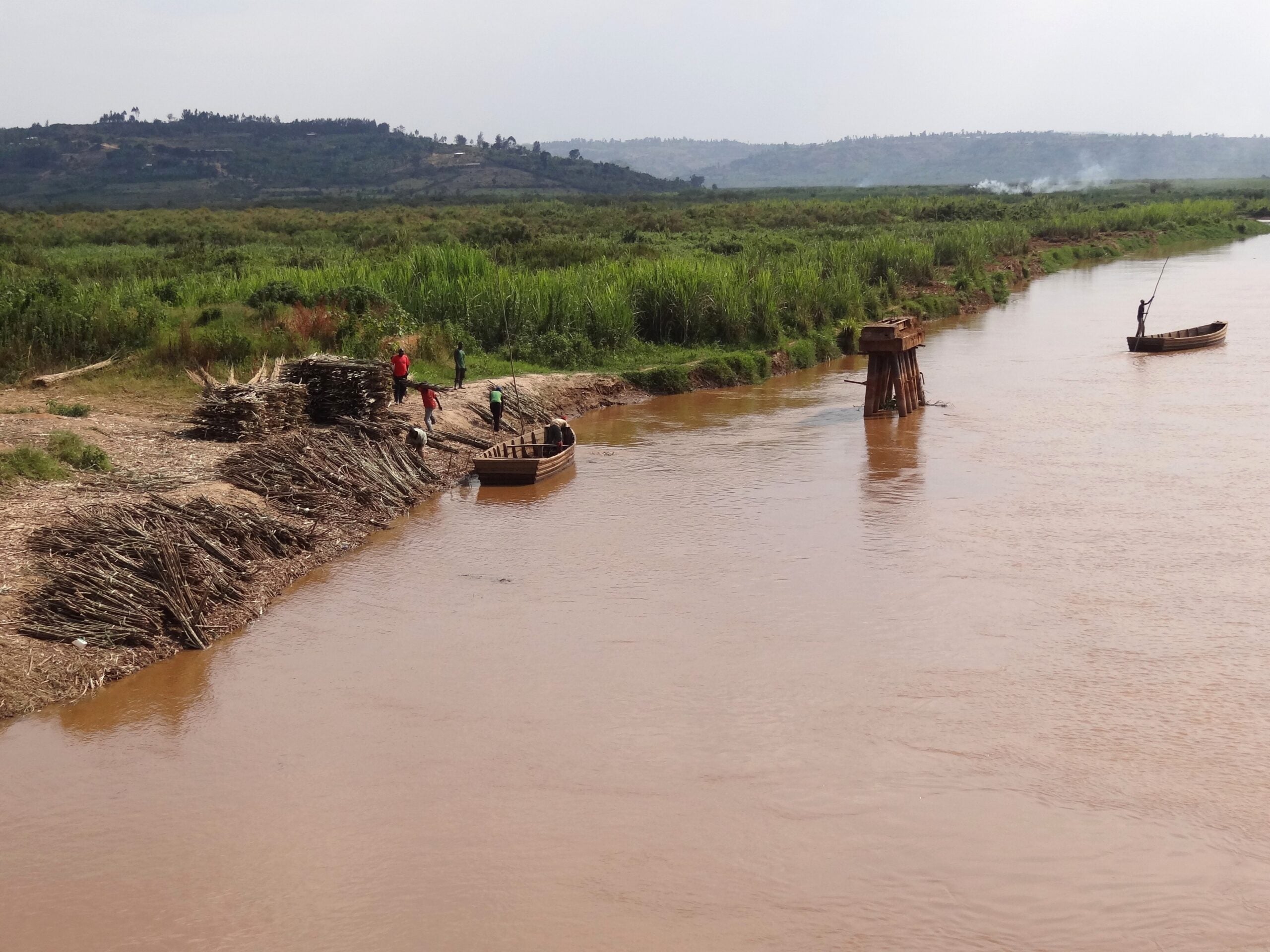
One afternoon, driving through the hills outside Kigali with a member of the Ubuntu team, we crossed a bridge over the Nyabarongo River. Wide and brown, it moved slowly between banks of thick green reeds.
My colleague went quiet. Not the quiet of someone composing their thoughts – the quiet of someone encountering something.
I asked if she was alright.
She paused, then said: her mother had been thrown into that river during the genocide. The killers had told her she was from somewhere else, and that this river would take her back to where she came from.
She said it without drama, looking straight ahead. Just, this is what happened here. This is the water we drive past.
I did not say anything for a while. There was nothing to say. What I felt, sitting beside someone who carries that and still shows up every day to build something that heals people, was something I do not have a clean academic word for. Humility is close. Awe is closer.
What I Carry Home
I arrived in Rwanda convinced I had a head start. I am a British-Eritrean physician, raised by parents who fled conflict, with time spent in humanitarian settings and working in psychiatric wards. I told myself, without examining it carefully enough, that shared histories of hardship gave me some intuitive proximity to what I was walking into. Rwanda corrected me on this, gently, but thoroughly. Feeling close to a context can quietly become a way of not really listening to it. In between the circle in Kamonyi and the drive over the Nyabarongo, I ran focus groups and interviews across two districts, synthesised data, and presented findings to Ubuntu staff and government officials. The insights I had planned to find mattered. But the ones I had not planned for mattered more.
Proximity alone does not produce understanding, it requires slowing down, listening carefully, and remaining open to the possibility that one’s assumptions may be wrong.
I came to Rwanda thinking I had something to offer. What I did not expect was to leave feeling quietly schooled, not in the way that stings, but in the way that opens something up. The CHAs I met carry histories of their own and still show up, week after week, for their communities. They are not intermediaries between a health system and a population. They are the thing itself.
Watching them, I understood something no classroom had quite managed to teach me: the most important infrastructure in community health is not the protocol, the platform, or the policy brief.
It is a person who keeps coming back.
The Ubuntu Center for Peace is a Rwandan community-based organization delivering Community-Based Social Healing (CBSH) and trauma recovery through trained Community Healing Assistants (CHAs). The model is increasingly being explored as a scalable approach to community mental health in low-resource and post-conflict settings. Learn more at ubuntucenterforpeace.org.