India Research Center
The India Research Center, based in Mumbai, serves as a hub for Harvard Chan School’s research projects, educational programs, and knowledge translation and communication work across India.
Peninsula Corporate Park,
Lower Parel, Mumbai
India
Improving Public Health Through Climate Action
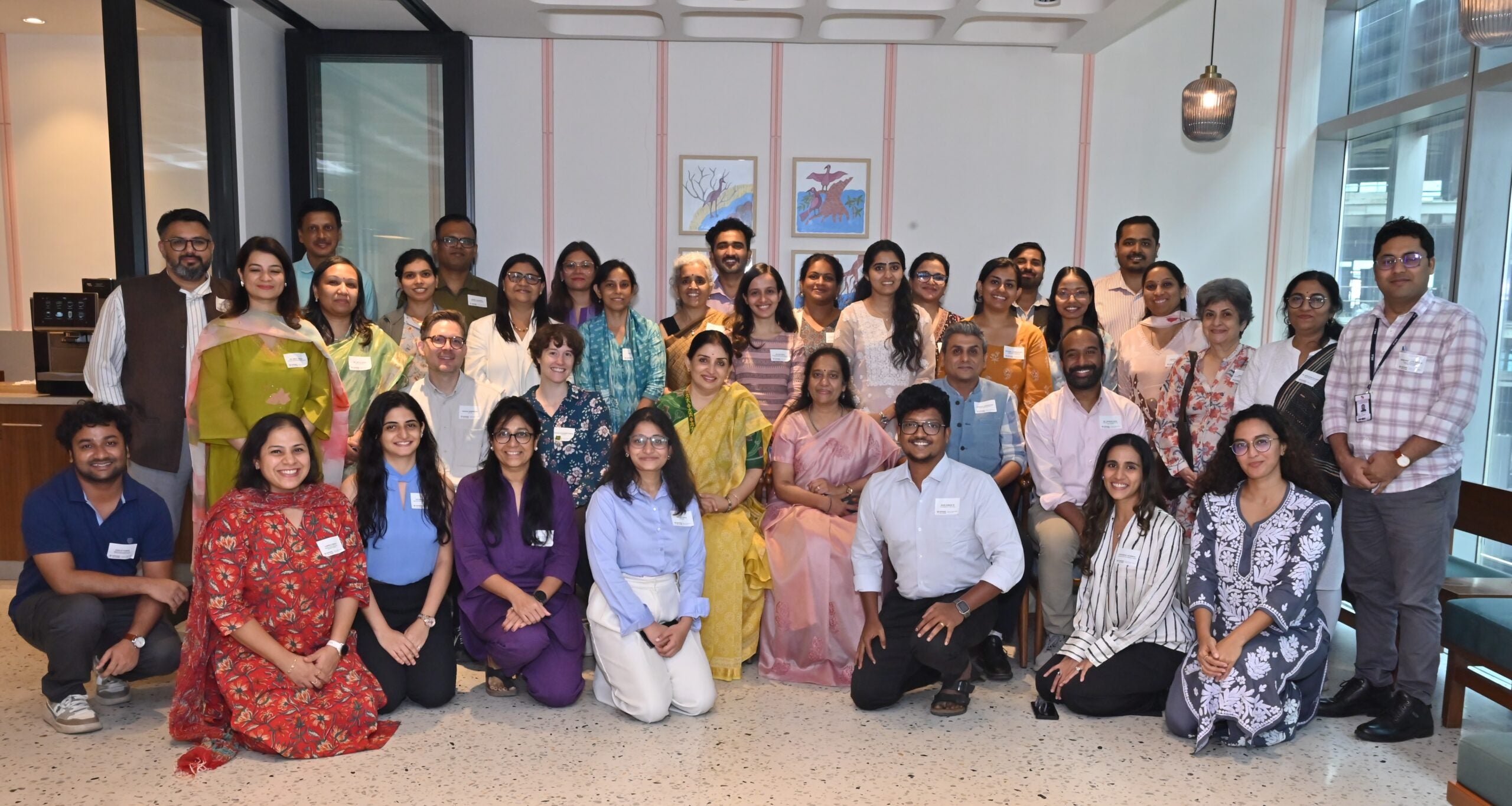
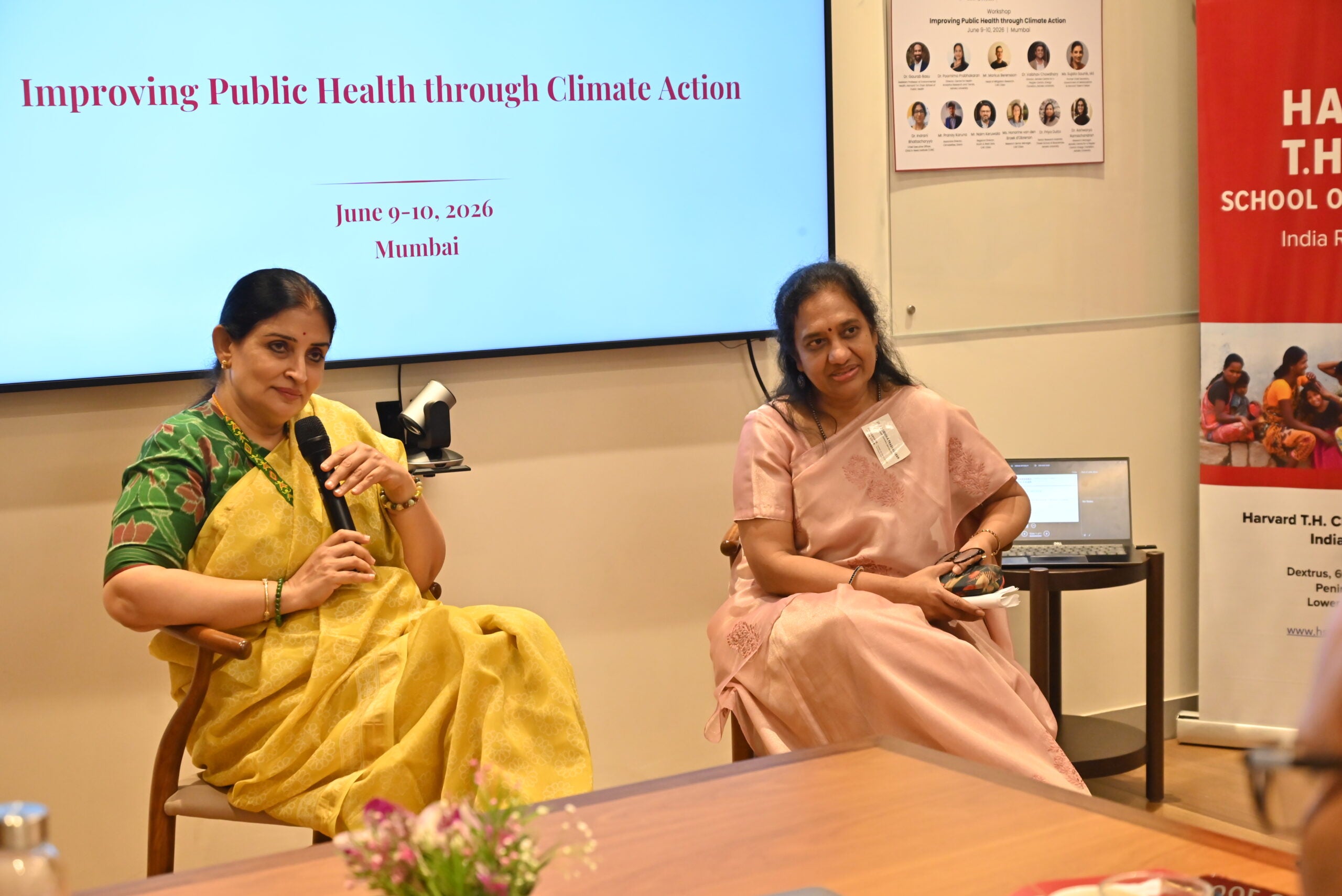
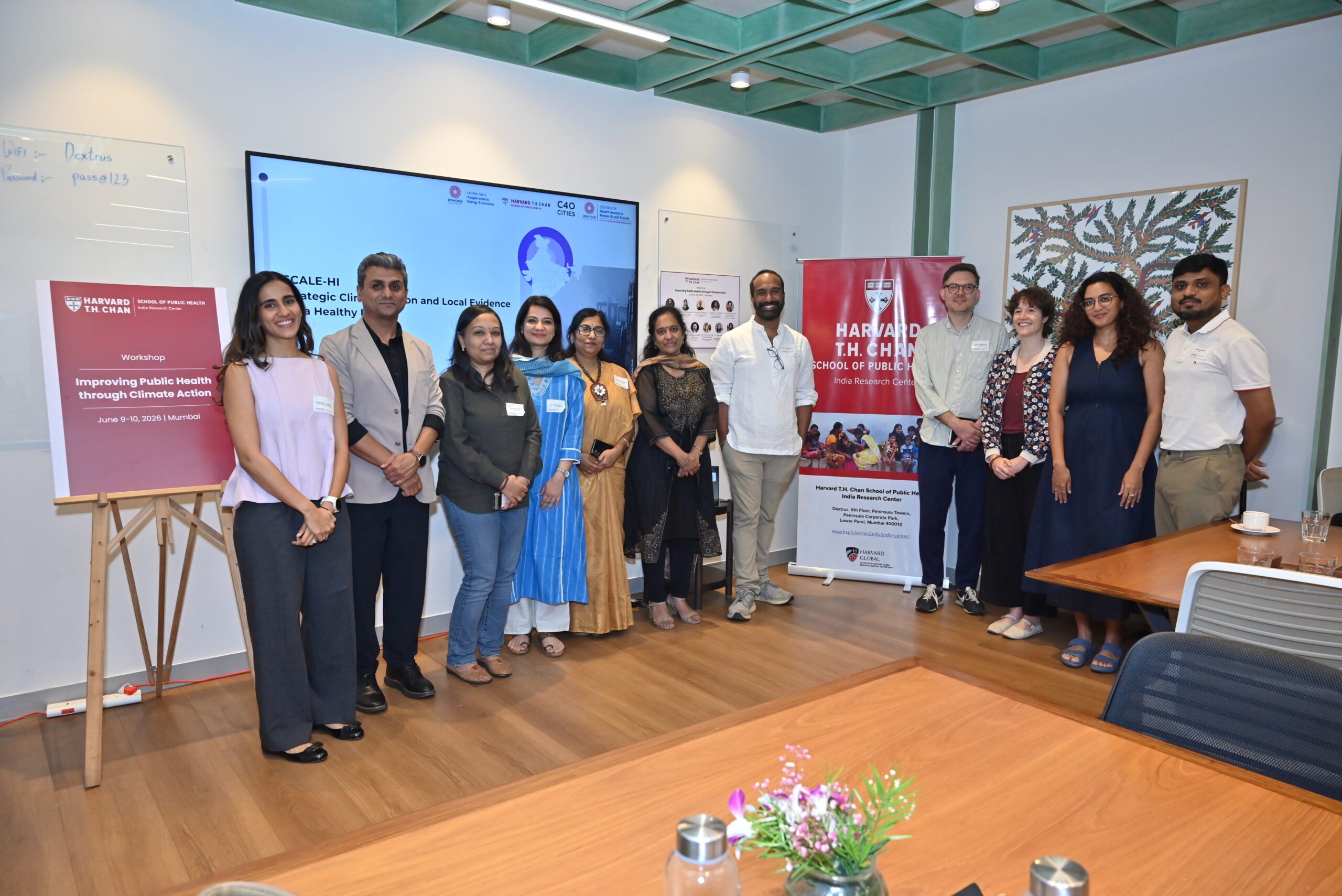
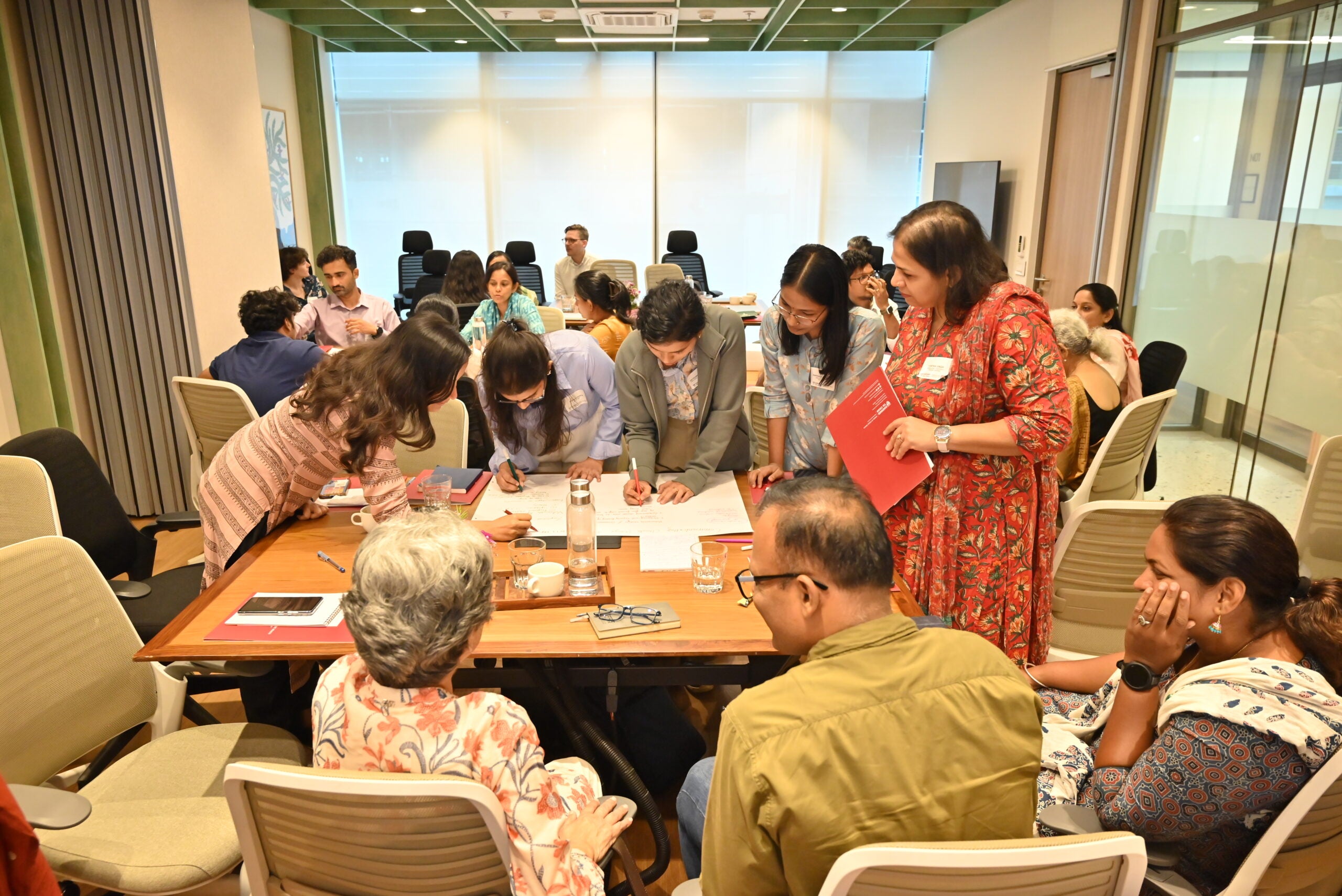
The Harvard T.H. Chan School of Public Health – India Research Center hosted a workshop “Improving Public Health Through Climate Action”, led by Dr. Gaurab Basu, Assistant Professor of Environmental Health, Harvard T.H. Chan School of Public Health, in Mumbai, on June 9-10, 2026.
For health professionals in India, the intersection of environmental shifts and disease patterns presents a critical challenge and a unique opportunity for leadership. This workshop was designed to equip medical and public health professionals and researchers with tools to more actively engage stakeholders in climate policy to improve the health of the community. To illustrate how data could drive systemic change, this workshop presented three ongoing high-impact projects covering national policy integration, urban transformation, and rural intervention.
Objectives
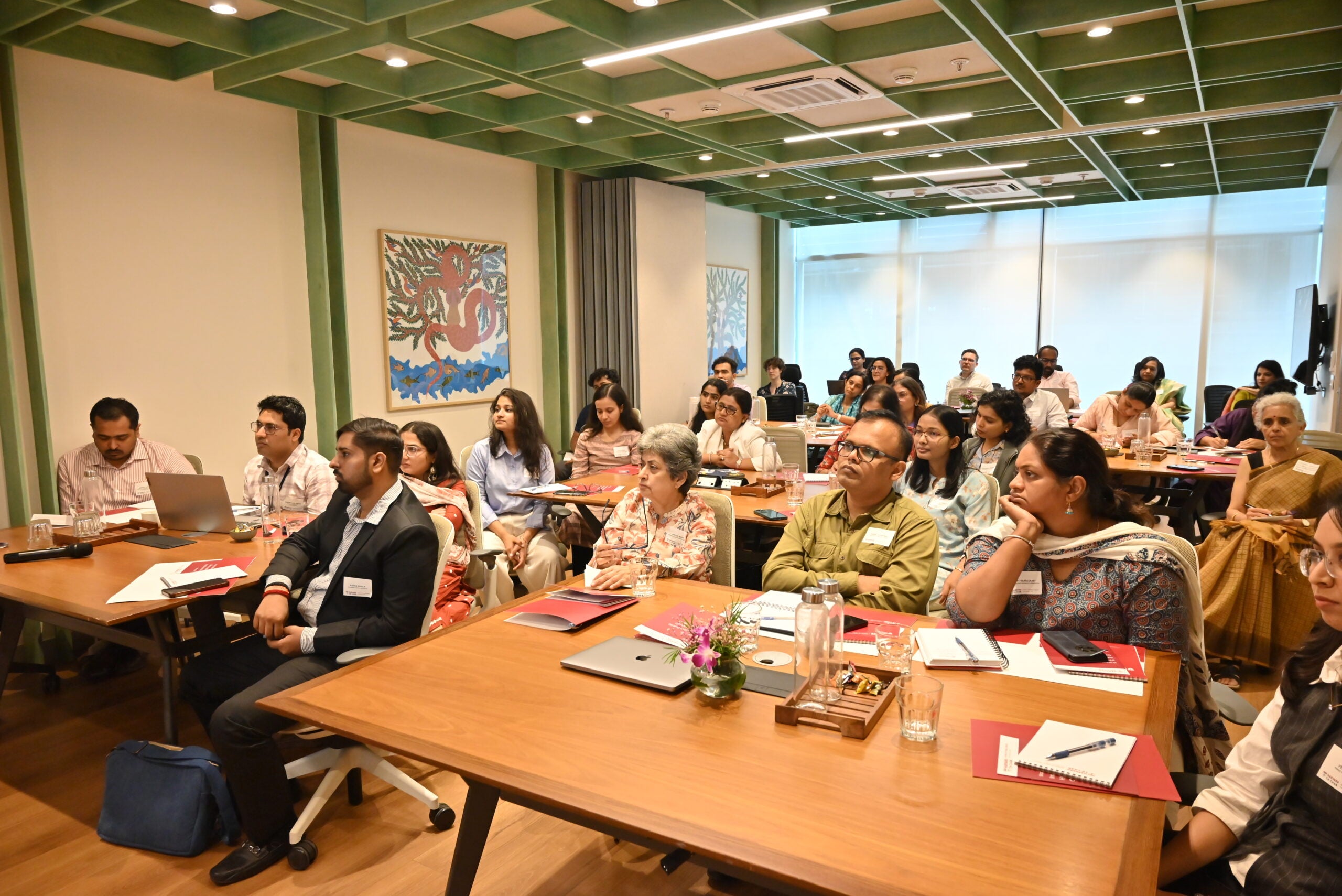
The workshop brought together a diverse group of public health professionals, researchers, and students to explore the critical intersection between climate change and public health in India. Grounded in the urgent need for evidence-based climate action, the discussions highlighted how localized research and robust data systems can inform policies and guide effective interventions.
Over the course of two days, the sessions:
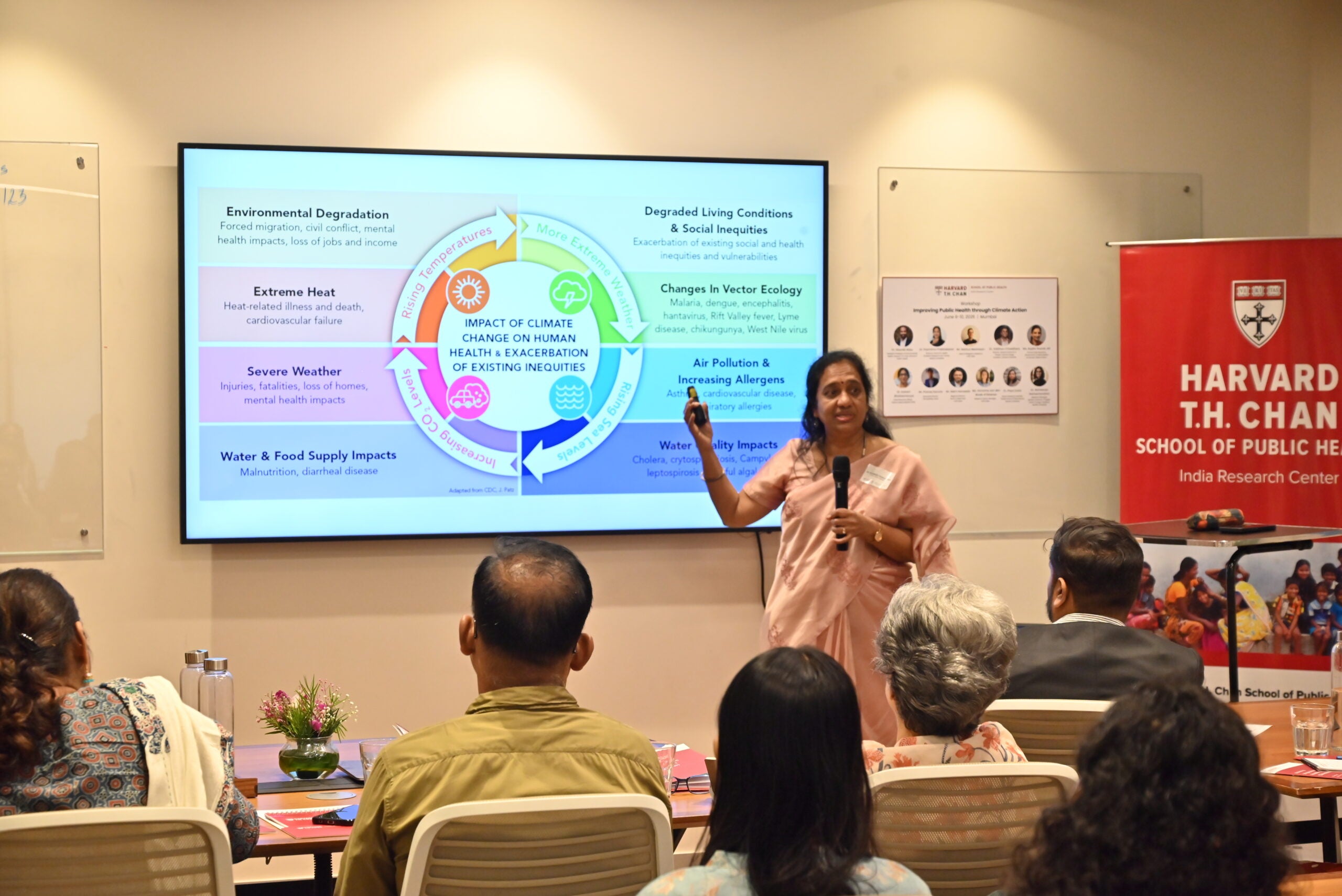
- Explored mechanisms through which climate change, air pollution, and ecological degradation impacted human health
- Reviewed the latest global research alongside emerging localized evidence
- Considered ways in which climate policy could improve the health of communities
- Discussed opportunities to use community-engaged research to support evidence-based decision-making at different levels of government
Topics Addressed
Introduction to Climate Change and Health
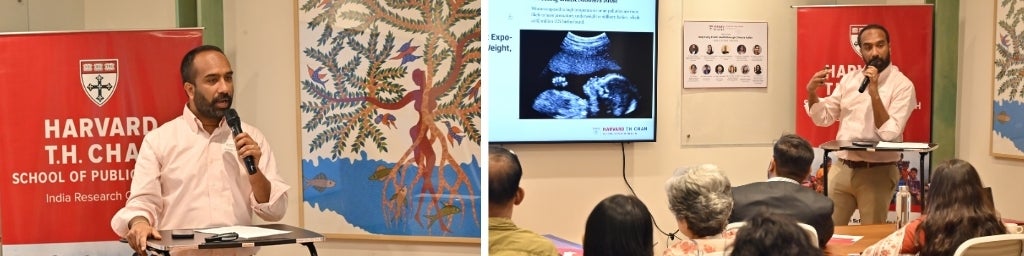
Dr. Gaurab Basu
Assistant Professor of Environmental Health, Harvard T.H. Chan School of Public Health
Health Impacts in India
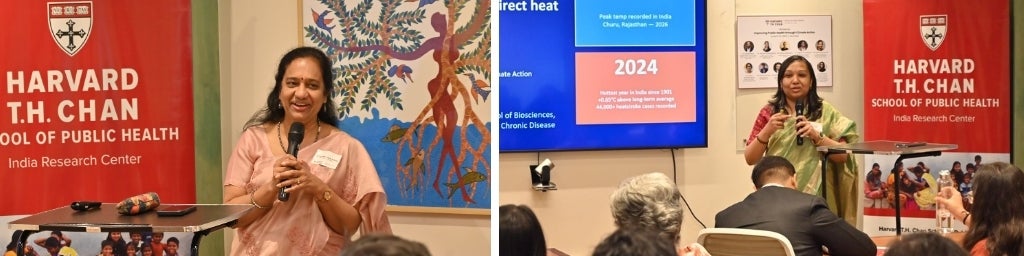
Dr. Poornima Prabhakaran Director and Dr. Priya Dutta, Senior Research Scientist, Centre for Health Analytics Research and Trends (CHART), Ashoka University and Centre for Chronic Disease Control (CCDC)
Mumbai Climate Action Plan
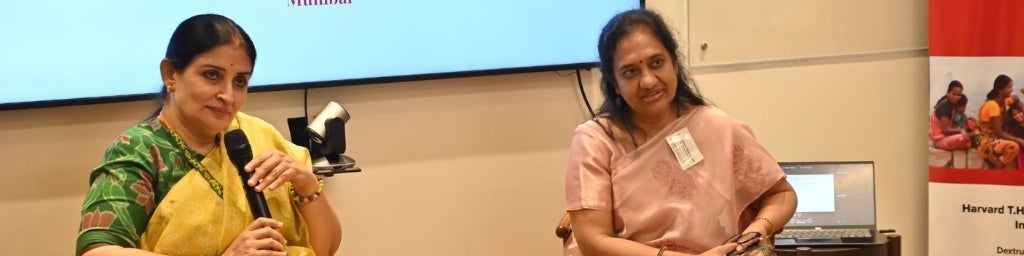
Fireside chat with Ms. Sujata Saunik, IAS, Former Chief Secretary, Government of Maharashtra and Harvard Takemi Fellow
India’s Energy Transition
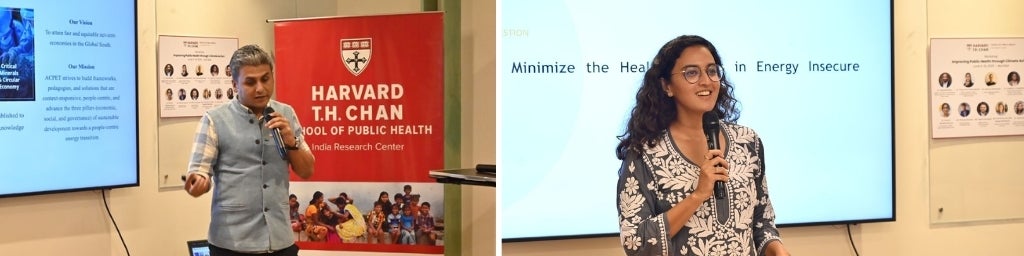
Mr. Vaibhav Chowdhary, Director and Dr. Aishwarya Ramachandran, Research Manager, Ashoka Centre for a People Centric Energy Transition (ACPET), Ashoka University
The Indian Sundarbans – A Case Study of Global Health Inequities
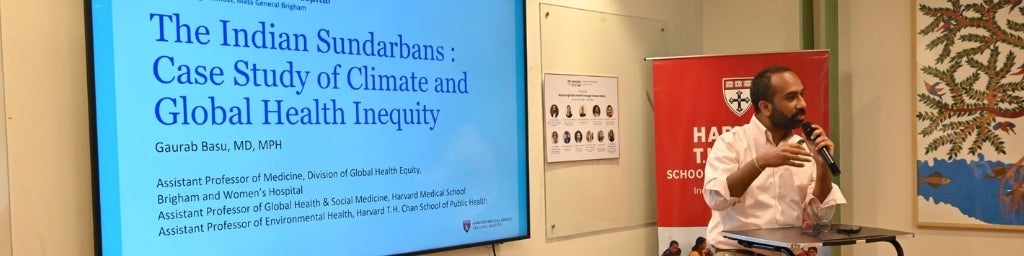
Dr. Gaurab Basu
Assistant Professor of Environmental Health, Harvard T.H. Chan School of Public Health
The Role of Indian Cities
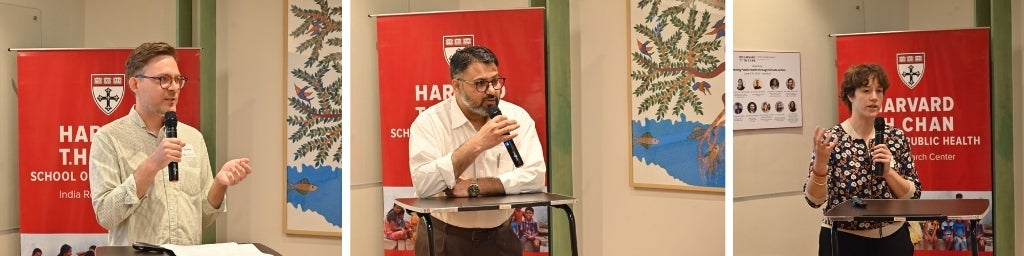
Mr. Markus Berensson, Head of Mitigation Research, Mr. Naim Keruwala, Regional Director, South & West Asia, Ms. Honorine van den Broek d’Obrenan, Research Senior Manager, C40 Cities
Best Practices in Community Engagement
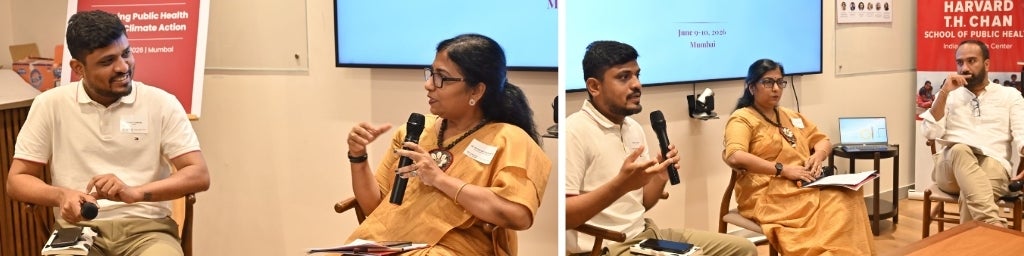
Panel Discussion with Dr. Indrani Bhattacharyya, Chief Executive Officer, Child In Need Institute (CINI) and Mr. Pranay Karuna, Associate Director, Dasra
A New Project on Climate Mitigation in India
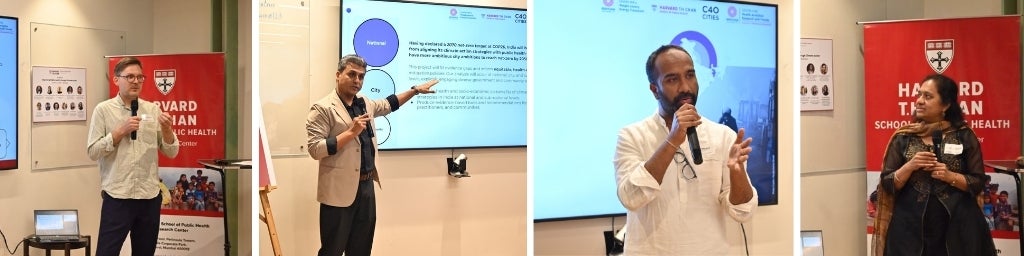
Speakers: Mr. Markus Berensson, Mr. Vaibhav Chowdhary, Dr. Gaurab Basu and Dr. Poornima Prabhakaran