Office of Field Education and Practice
Field education and hands-on practice are fundamental components of public health education, providing students with real-world experience and the opportunity to apply theoretical knowledge in practical settings.
677 Huntington Avenue
Boston, MA 02115
Spring 2026 Rose Service Learning Fellows
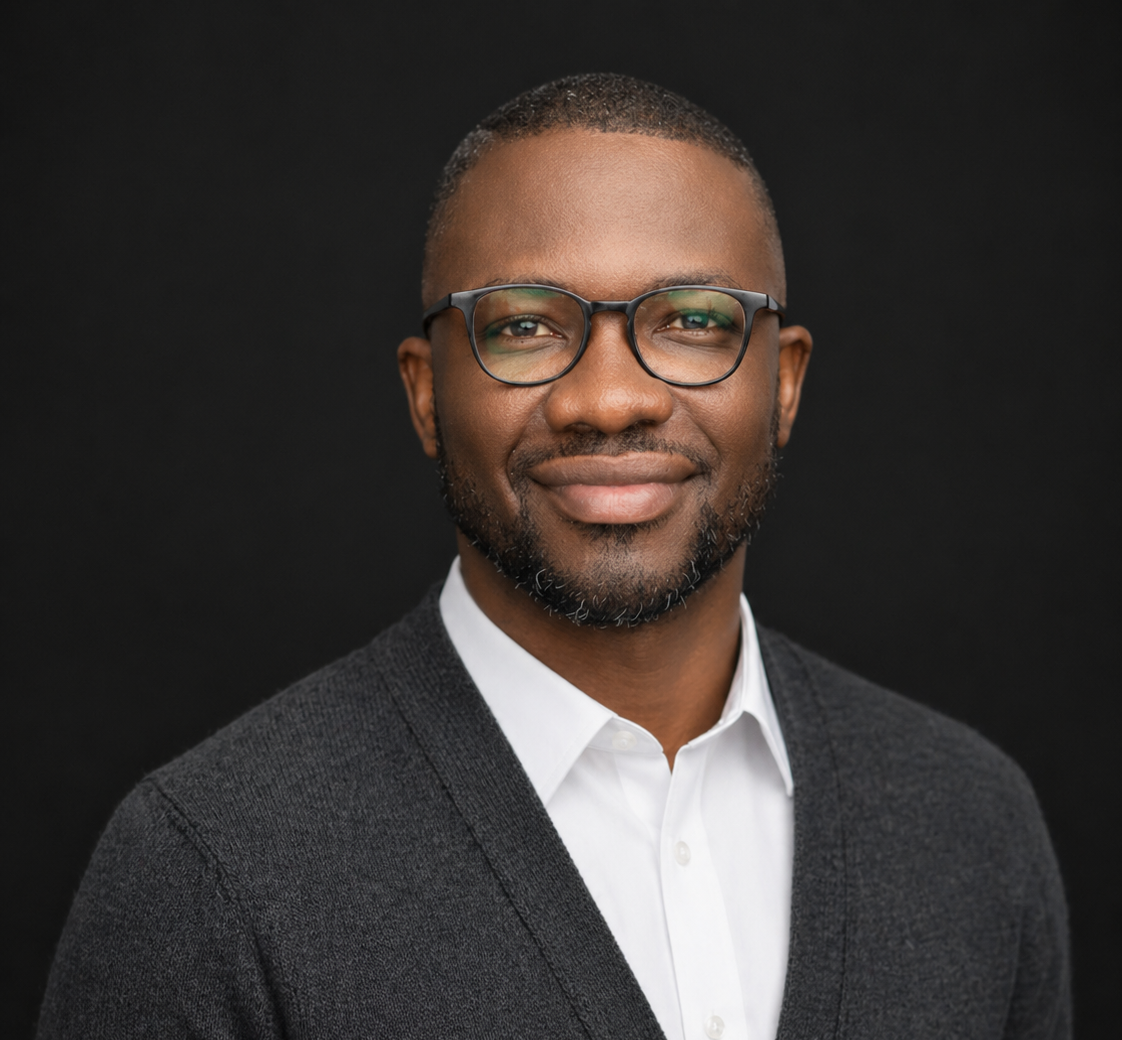
Olakunle Ajayi is an MPH student at the Harvard T.H. Chan School of Public Health with over a decade of experience in health systems strengthening across low- and middle-income countries. His work spans global health financing, primary healthcare system improvement, and multi-country program implementation with organizations including the Bill & Melinda Gates Foundation and the Centers for Disease Control and Prevention. His research focuses on strengthening health systems performance, health economics and outcome research, and translating data into policy and practice.
Olakunle’s project assesses the readiness of primary healthcare facilities and examines community barriers to accessing care in Ekiti State, Nigeria. Through facility assessments and stakeholder engagement, the project generates community-informed evidence to support local governments and health authorities in strengthening primary healthcare delivery. The initiative emphasizes co-design and validation with communities to ensure findings translate into actionable improvements.
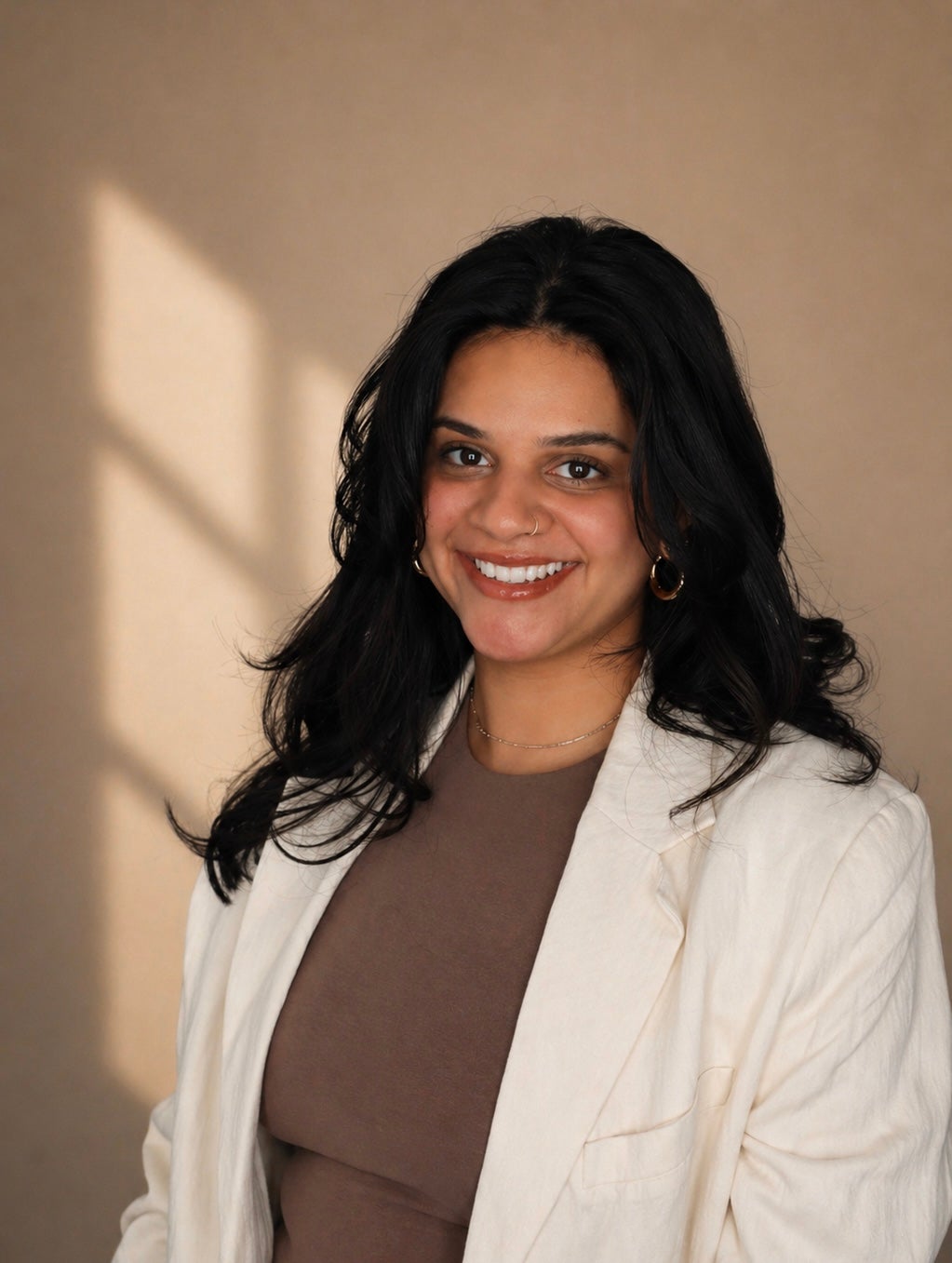
Farwa Akbari is a Master of Public Health candidate at the Harvard T.H. Chan School of Public Health, concentrating in Health and Social Behavior and Humanitarian Studies. She earned her Bachelor of Science in Public Health from the University of Michigan in 2023, which laid the foundation for her academic and professional work in both global public health research. She was previously employed as a Data Analyst at RTI International on USAID’s Act to End Neglected Tropical Diseases East program, where she supported data-driven strategies to reduce globally neglected tropical disease transmission. Farwa’s interests lie at the intersection of social behavior and health systems, with a focus on how these forces shape global health outcomes. She offers a data-driven, analytically grounded perspective informed by a strong focus on social determinants of health.
This project will evaluate the public health impacts of the Zero Waste Campaign in Zanzibar in collaboration with the Mayor’s Office of Zanzibar and the Generation Zanzibar Environmental Cooperative Union (GZECU). Focusing on the relationship between waste management, water quality, and vector-borne diseases, it integrates research, local knowledge, and youth-led action to advance sustainable health and environmental outcomes in Zanzibar.
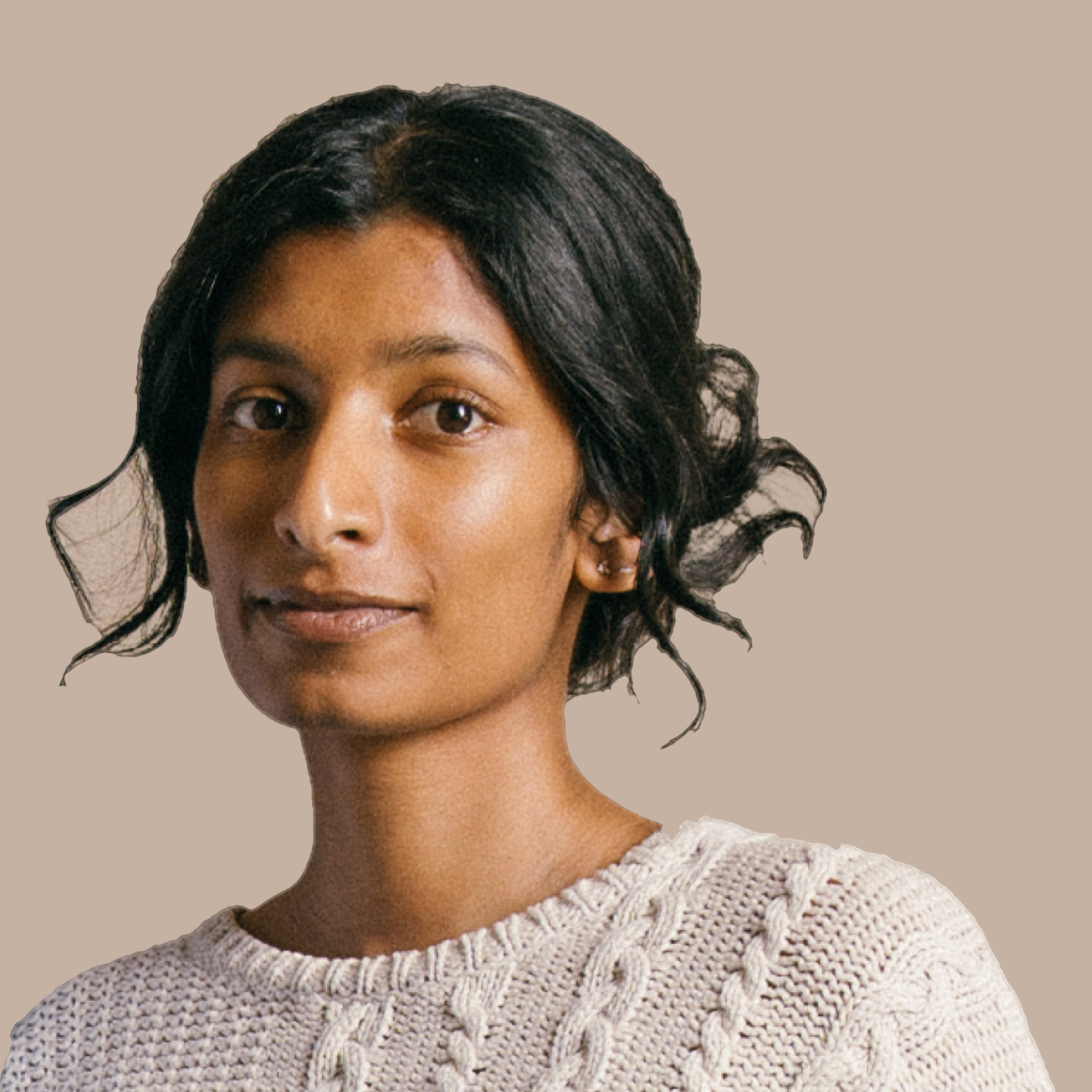
Ridhi Arun is a doctoral student in the Doctor of Public Health program at Harvard T.H. Chan School of Public Health. Her research examines the embodied effects of forced displacement and how resettlement systems can be redesigned through community-driven approaches to better support the health and dignity of displaced populations.
Ridhi’s project is embedded at the Refugee Health Promotion Project (RHPP) at Harborview Medical Center in Seattle, a specialized clinic providing coordinated care for refugee children with complex medical needs. Through stakeholder interviews and ecosystem mapping, she is learning how community-engaged research is conducted in a clinical setting serving forcibly displaced populations. Her work bridges her doctoral focus on systems that serve refugee communities with hands-on practice in translating qualitative findings into actionable tools for a safety-net health program.
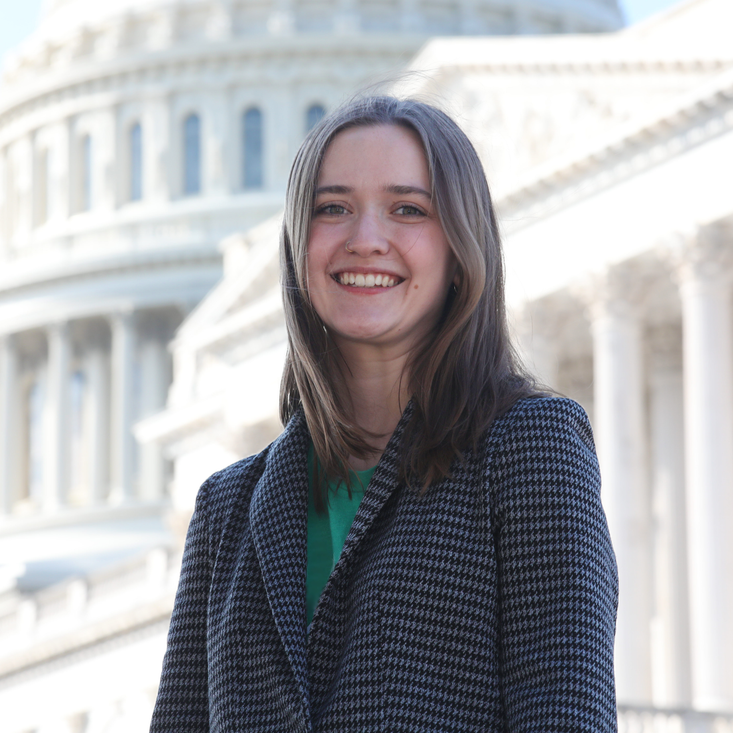
Lindsay is pursuing a Master of Public Health in Health Policy at the Harvard Chan School. She also works part-time at the United Nations Foundation, advocating for U.S. government funding for global health programs. Prior to that role, she worked on a USAID project, supporting the rollout of point-of-care tuberculosis diagnostic technologies. Lindsay grew up in Rochester, Minnesota, and received her bachelor’s degree in Global Health from the University of Iowa.
With high rates of undiagnosed and untreated hepatitis B/C in the Philippines, Lindsay will support the StITCH project in its people-centered model of primary care for hepatitis. As a part of the project’s essential implementation package, she will collaborate with the Yellow Warriors Society, a group made up of people with lived experience with hepatitis, to develop a community-led monitoring tool for this care model.
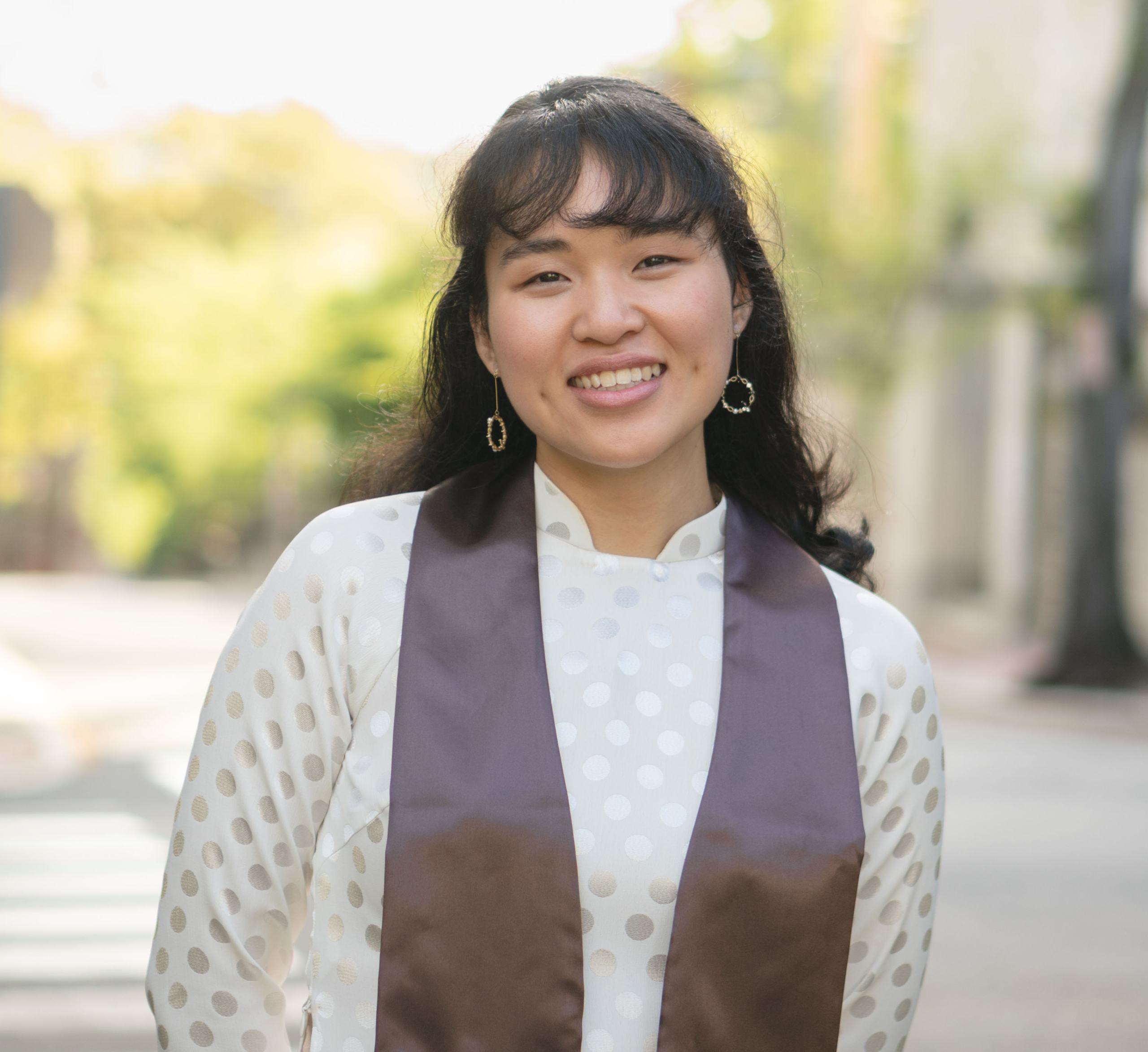
Bella is a first-year Master’s of Public Health in the Health Policy Department with an interest in U.S. safety-net programs, health equity, housing stability, food security, and expanding primary care access for vulnerable populations. She currently works as a Research Assistant with the Initiative on Health and Homelessness, contributing to a systematic review on homelessness prevention and research on the demographics of elderly homelessness. Bella also leads the Student Coalition to End Homelessness at Chan and will serve as Student Government Vice President of Student Advocacy for 2026-2027.
Bella’s project evaluates the scalability and sustainability of the StITCH people-centered model of care for hepatitis B and C in Viet Nam. Working with HAIVN, she will be assessing patient satisfaction and health care worker capacity through interviews, focus groups, and data analysis, while supporting training, policy engagement, and planning for scale-up of hepatitis services.
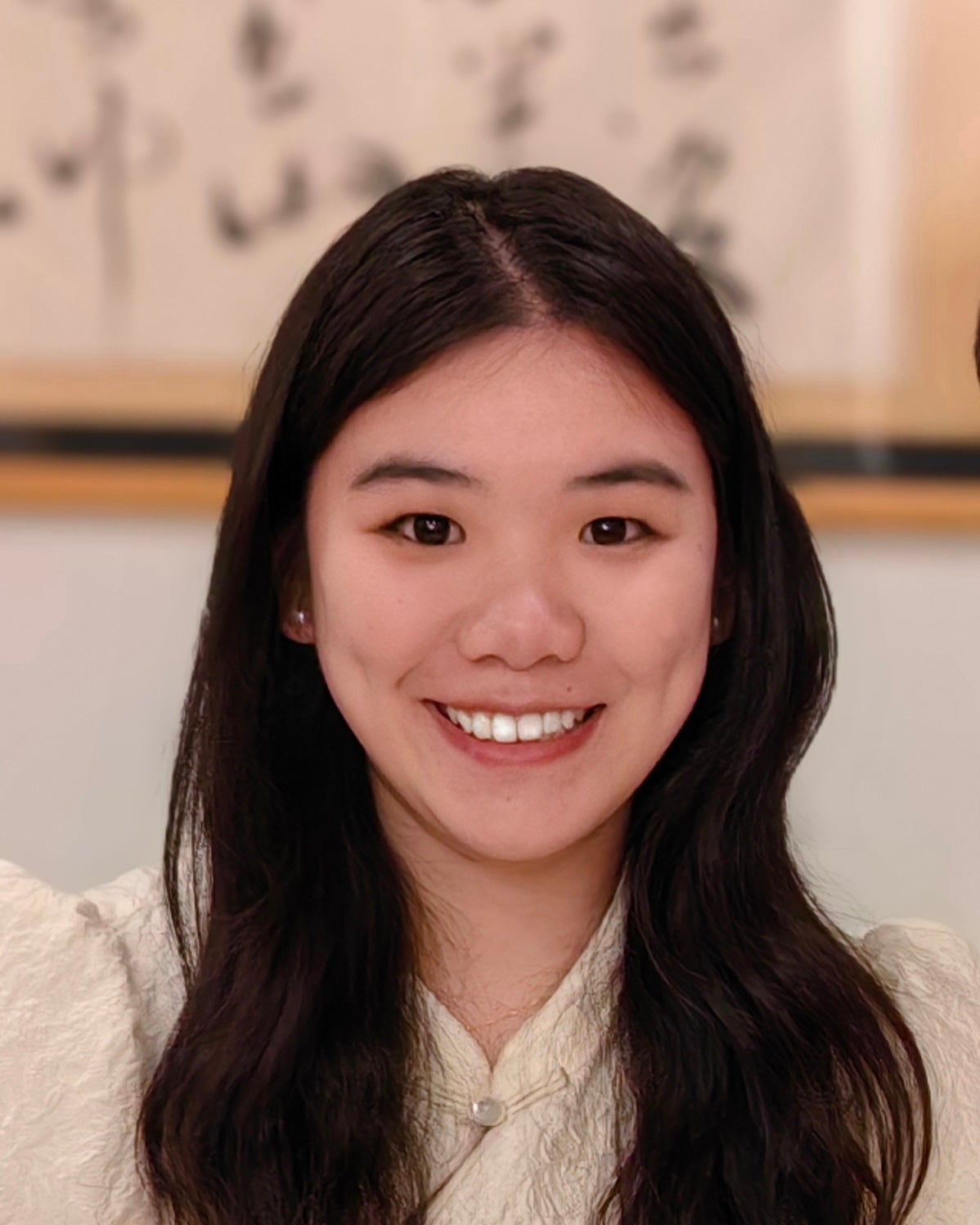
Zili Huang is a PhD student in Population Health Sciences at Harvard University, where her research focuses on global health systems, health policy, and the organizational behavior of healthcare institutions. Her work examines how governance, financing, and institutional design shape health system performance, equity, and access to care, with particular interests in low- and middle-income countries. She has also worked across academia, international organizations, and health policy practice.
Zili’s project examines how community-based support can strengthen long-term hypertension and diabetes care in Tegal, Indonesia. It focuses on patients, caregivers, community health workers, and primary care stakeholders to better understand challenges in self-management, care navigation, and continuity of care, while also identifying practical opportunities to improve community-centered chronic disease support.
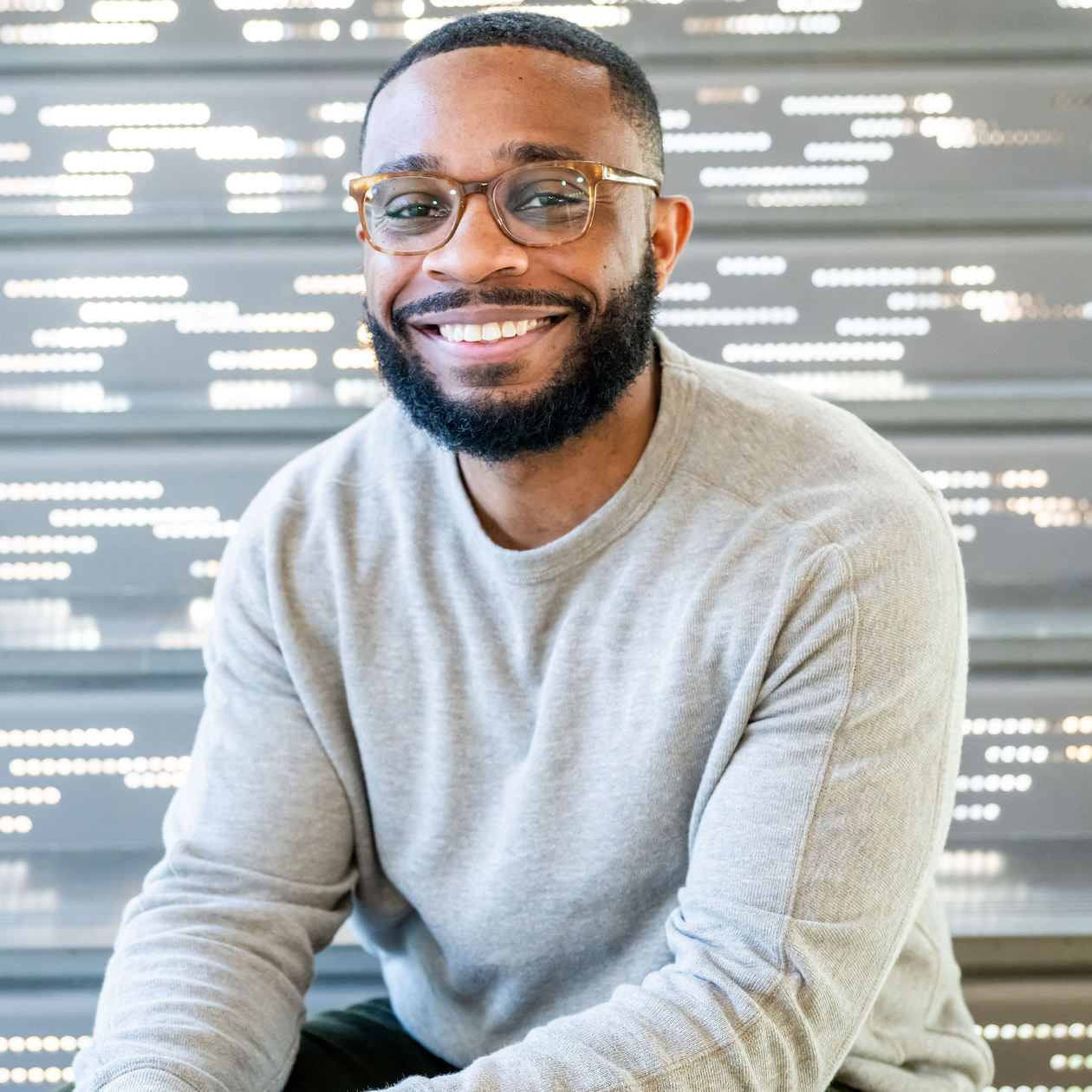
Matthew McCurdy is a Doctor of Public Health student and public health leader dedicated to advancing racial justice, community power, and design-driven innovation in health. As Co-Founder and Executive Director of BLKHLTH, he leads work to confront racism as a root cause of health inequities and to reimagine health education, advocacy, and care with Black communities. His work also explores diasporic experiences, connecting Black health, culture, and collective power across global contexts. Matthew earned his MPH from Emory University and has held roles at the CDC and U.S. Department of Health and Human Services, including as a Presidential Management Fellow.
Matthew’s project focuses on supporting BLKHLTH South Africa in building a stronger community-informed foundation for youth health, safety, and wellbeing programming in Johannesburg. Through youth-centered health education, facilitated dialogue, a participant review session, and synthesis of community priorities, the project will explore how violence, mental health challenges, and economic insecurity shape the lives of urban Black youth. The project will generate practical recommendations and accessible communications products to inform future culturally grounded programming led by BLKHLTH South Africa.
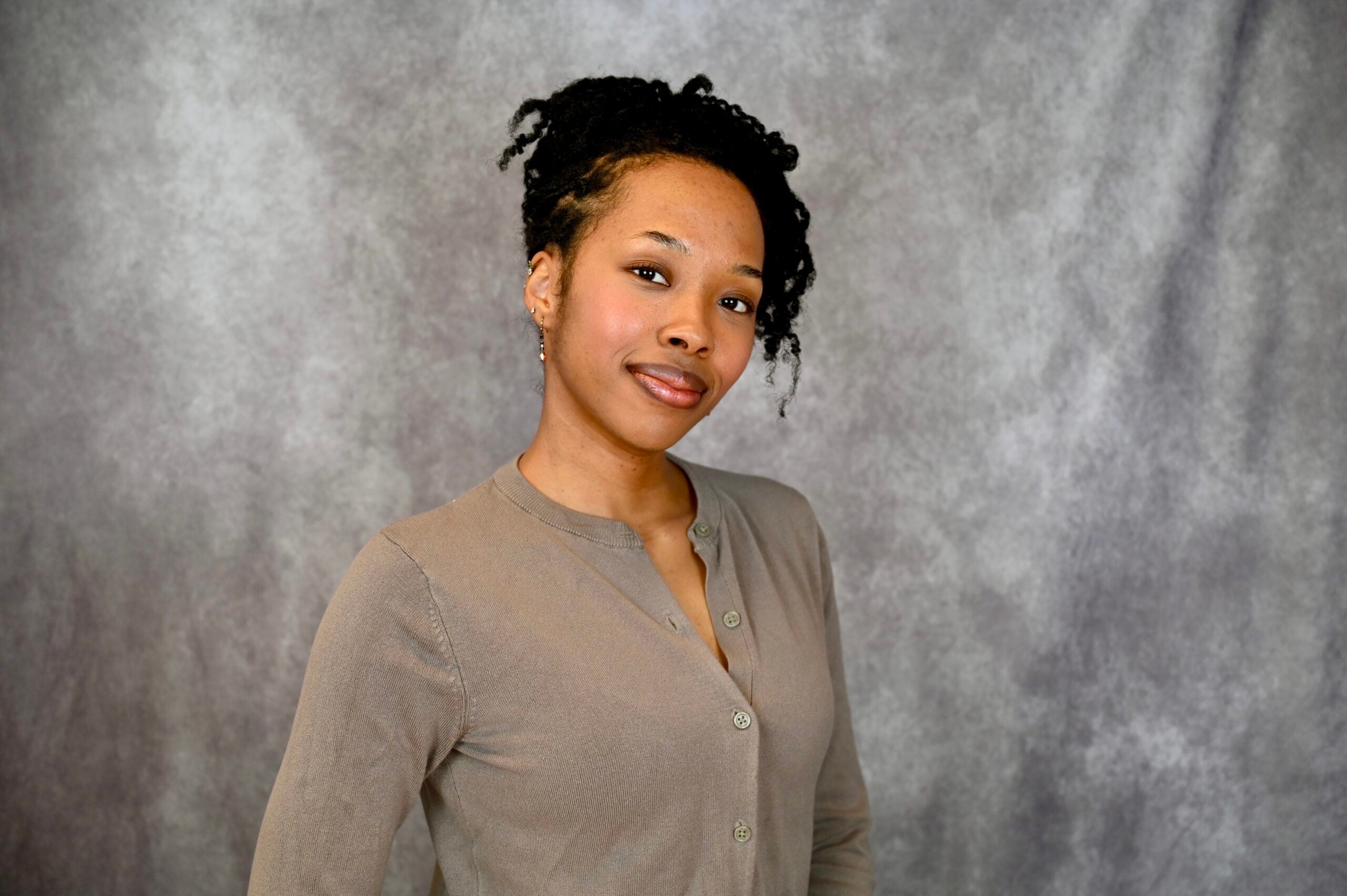
Emmanuella Michel is currently pursuing a Master of Public Health (MPH) in Health and Social Behavior at Harvard T.H. Chan School of Public Health. Her research is particularly centered on exploring the mental health consequences of climate change and natural disasters on vulnerable populations. In her work, she emphasizes the importance of disaster preparedness and the effective allocation of resources to support at-risk communities.
Emmanuella’s Rose Service Learning Fellowship project aims to investigate the mental health effects of climate change on young people in urban Zanzibar. Collaborating with Generation Zanzibar, she will perform qualitative interviews and focus groups to gather insights on climate-related stress, anxiety, and coping mechanisms among youth. The project’s objective is to create culturally relevant recommendations that prioritize youth perspectives and bolster locally driven initiatives for mental health and climate resilience.
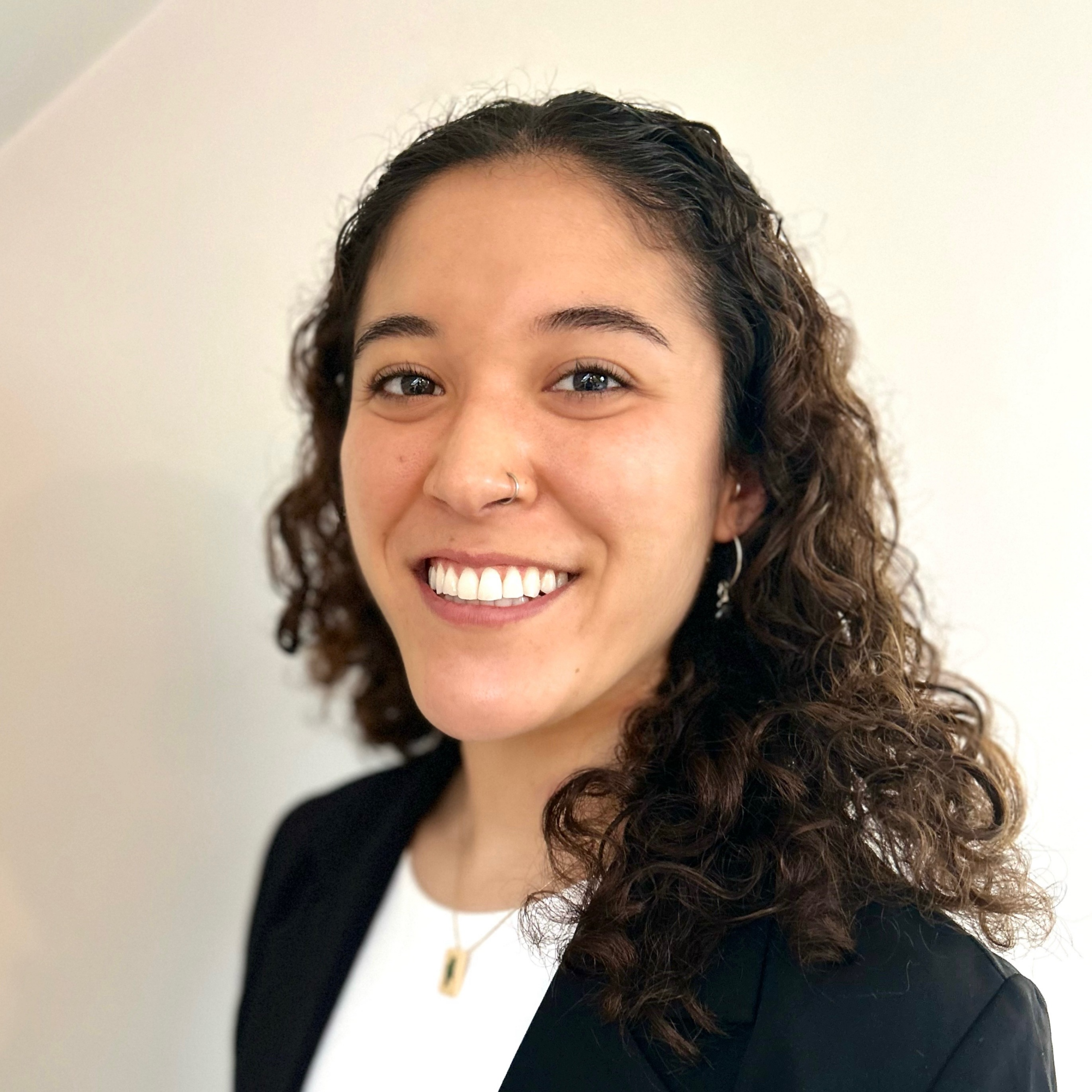
Julia is a master’s student in the MPH-65 program in Health and Social Behavior. Her research interests center on the impacts of trauma and chronic stress on the body and their effects on mental and physical well-being across the lifecourse. She is particularly interested in how community-centered research and community-driven solutions can support individual and collective healing, build community power, and promote equitable access to healthcare. Julia is passionate about expanding access to culturally resonant care for underserved and under-resourced communities and promoting structural change to advance health equity.
Julia’s project examines a community-based strategy for adults with non-oncological chronic pain in San Felipe, Chile, which combines complementary healing practices at Centro SER with primary care to deliver team-based, integrated services through a person-centered, strengths-based, whole-person approach. Using qualitative methods, she will explore how patients, providers, and municipal leaders experience this model and its effects on access to care, patient wellbeing and quality of life, and health system performance. The findings will inform efforts to strengthen and scale this strategy, with the goal of promoting more equitable chronic pain care at the national level.
Pratik is a Doctor of Public Health student. He arrives at his doctorate after a career in mental health promotion, most recently managing a mental health clinic. Pratik’s focus is on technology governance and non-clinical intervention.
Pratik’s project is a non-clinical intervention to promote mental health outcomes among youth who are resistant to or otherwise inappropriate candidates for a more traditional clinical intervention. To facilitate the intervention, Pratik will manage the provision of group-based Cognitive Behavioral Therapy, resilience coaching, and a neurodiversity assessment. The intervention will focus on improving clients’ ability to meet day-to-day tasks through skill-building, help-seeking, and formal and informal accommodations. Borrowing from holistic mental health research, the intervention should then improve mental health outcomes.

Twambo Nambao is a first-year Doctor of Public Health (DrPH) student at the Harvard T.H. Chan School of Public Health and a Zambian physician with over 13 years of experience in Maternal and Child health, infectious disease control, and health systems strengthening. She currently serves as a Malaria Field Officer at the National Malaria Elimination Centre in Zambia and formerly worked as a District Health Director, leading programs that improved maternal outcomes and service delivery. Her interests focus on community-engaged quality improvement, malaria, and maternal health in low-resource settings.
Twambo’s project focuses on improving malaria-in-pregnancy prevention in Katete, Zambia through a community-based quality improvement approach. She will work with community health workers and district health staff to explore why gaps in pregnant women-s knowledge, attitudes, and practices persist despite existing services, and to co-design practical changes in how information and services are delivered.
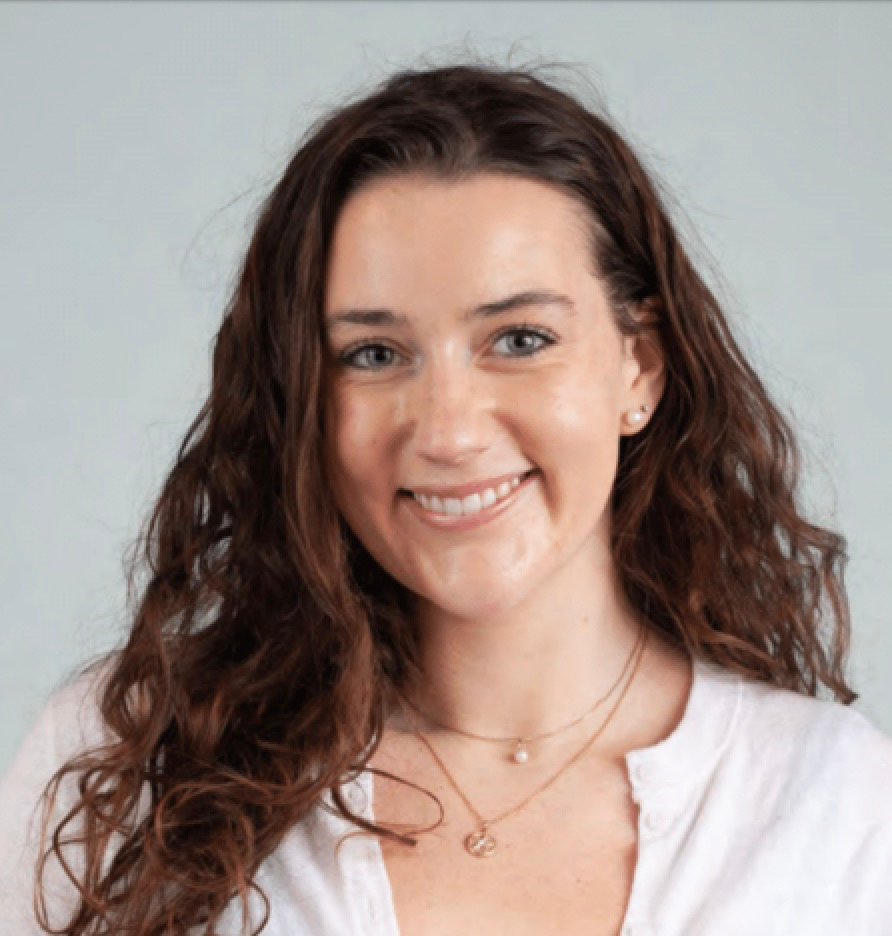
Bridget O’Kelly is a Master of Public Health student in Health and Social Behavior. She is interested in bridging inequities in women’s health access and providing community-driven solutions to our most pressing public health challenges. Bridget hopes to pursue medicine, where she’ll be able to bridge public health insights with clinical practice to directly improve health outcomes.
Bridget’s project centers on addressing the needs of women at the intersection of homelessness, addiction, and commercial sexual exploitation in Boston’s Mass. and Cass area. In close collaboration with Boston Human Exploitation Advocacy Team (HEAT) and the women they serve, Bridget will help raise community awareness about this neglected intersection and build out HEAT’s existing services, including supporting the development of a mobile triage van to assess women’s psychological, logistical, and social needs on the streets. She will also shadow HEAT’s directors as they advocate for these women across the healthcare, legal, and carceral systems that shape their lives.
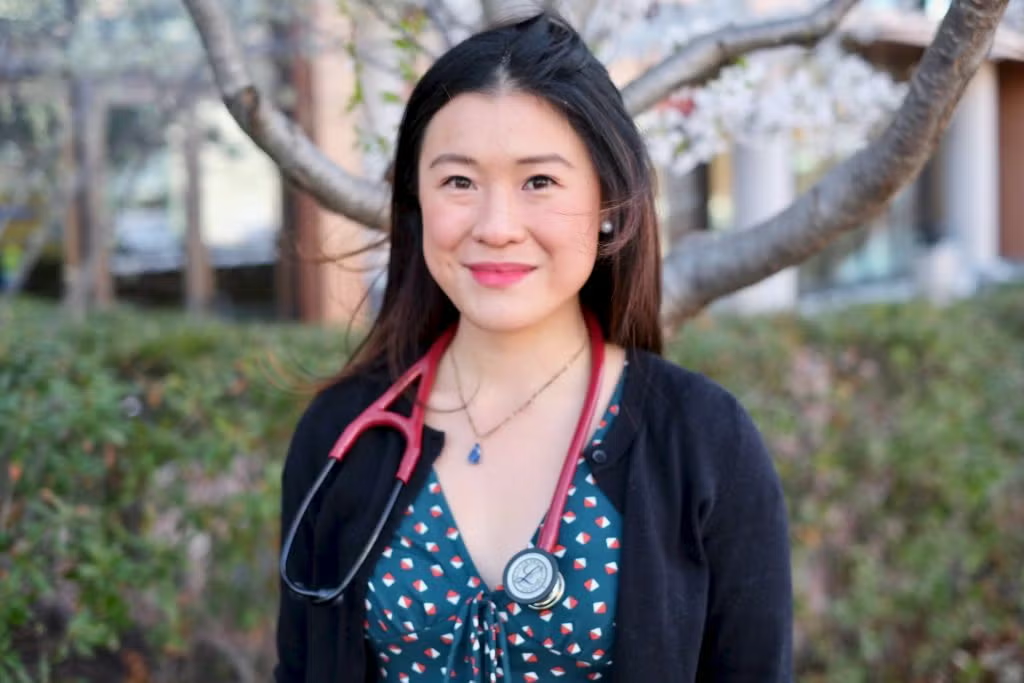
Clarisza is an ER registered nurse and MPH candidate in Global Health, born and raised in Jakarta, Indonesia. Her career has moved between emergency departments and coastal communities, driven by the same question: who gets care when the system fails them. Her research focuses on what happens to primary care when flooding arrives – how routines break, how kaders (community health volunteers) fill the gap, and what it would take to actually prepare them. She holds a Professional Diploma in Tropical Medicine from the London School of Hygiene & Tropical Medicine and fellowships with Harvard Medical School and the Alliance of Nurses for Healthy Environments.
Clarisza’s project addresses the NCD training gap among kaders in coastal Tegal, Indonesia, where flooding regularly disrupts access to primary care. She will conduct a structured training needs assessment and co-design participatory workshops covering danger sign recognition, medication adherence, blood pressure monitoring, and referral when facilities cannot be reached, building formal capacity around work kaders are already performing in their communities.
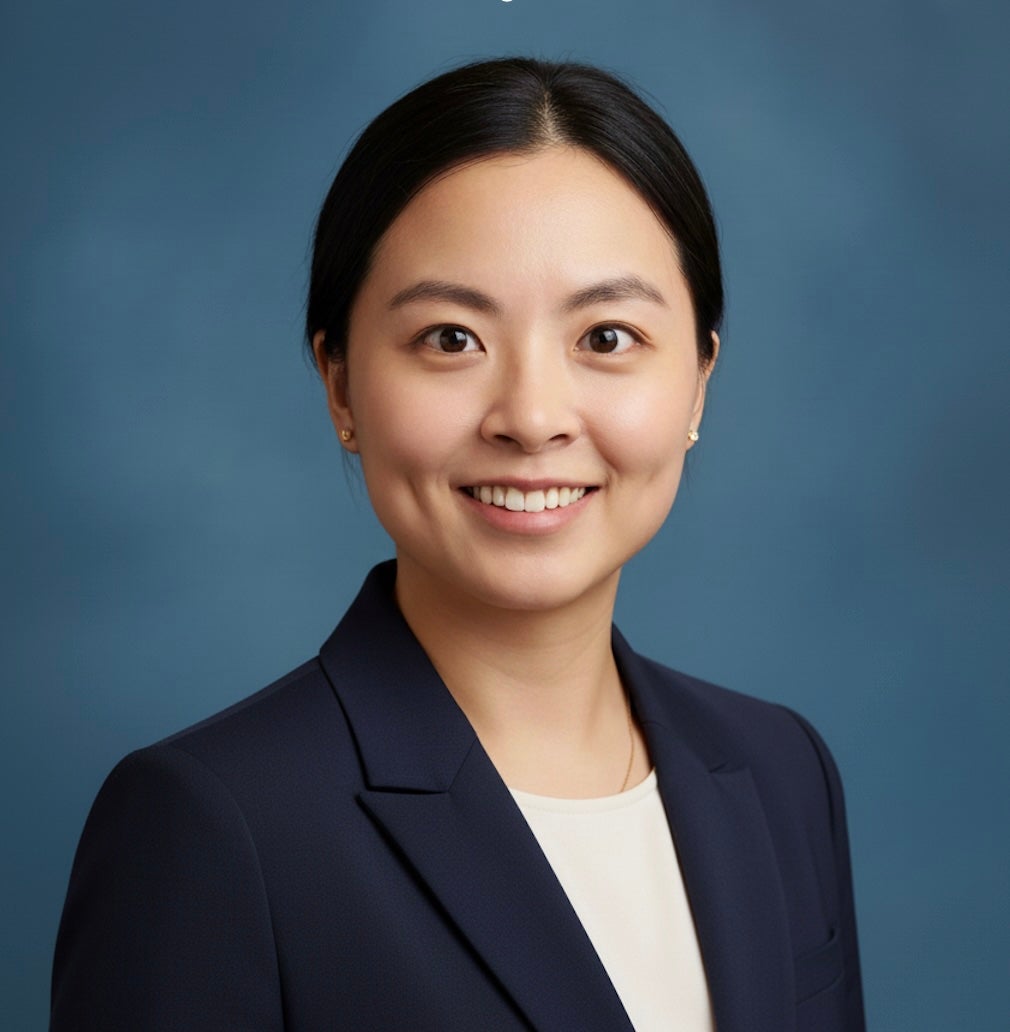
Xiaoying is a MPH student in Epidemiology at Harvard T.H. Chan School of Public Health and a software engineer at the Channing Division of Network Medicine, Brigham and Women’s Hospital, where she supports large-scale population cohort studies. Her work sits at the intersection of data science and public health practice, with a focus on prevention and communities that remain underserved before harm occurs. Having made Massachusetts her second home, this fellowship reflects her commitment to giving back to the community she has come to call her own.
Xiaoying’s project is embedded within The NAN Project, a Massachusetts-based nonprofit delivering peer-to-peer suicide prevention programming across 85+ schools statewide. Working alongside organizational leadership and clinical staff, Xiaoying is building an epidemiological evaluation infrastructure to help the organization substantiate its impact to funders and school boards. She is also conducting an equity gap analysis overlaying The NAN Project’s service footprint with Massachusetts youth risk behavior data to identify high-need, underserved districts and inform strategic expansion.

Emily Taylor is a Master of Public Health student in Health and Social Behavior with a BA in psychology from North Carolina State University and additional background in anthropology and international studies. She has professional experience in community-based research and social impact evaluation. Her research interests center on how social capital and social connection shape mental health and resilience, particularly in humanitarian- and disaster-affected communities. She is currently conducting qualitative analysis in collaboration with students and community partners in Fukushima, Japan, to better understand post-disruption recovery and reconnection.
Emily’s project focuses on how recent cuts in international humanitarian funding are affecting health and mental well-being among Myanmar migrants in Mae La temporary shelter along the Thailand-Myanmar border. Partnering with Mahidol University, community health workers, and shelter residents, her team aims to co-develop realistic, culturally grounded recommendations for sustaining essential services under tightening resource constraints.
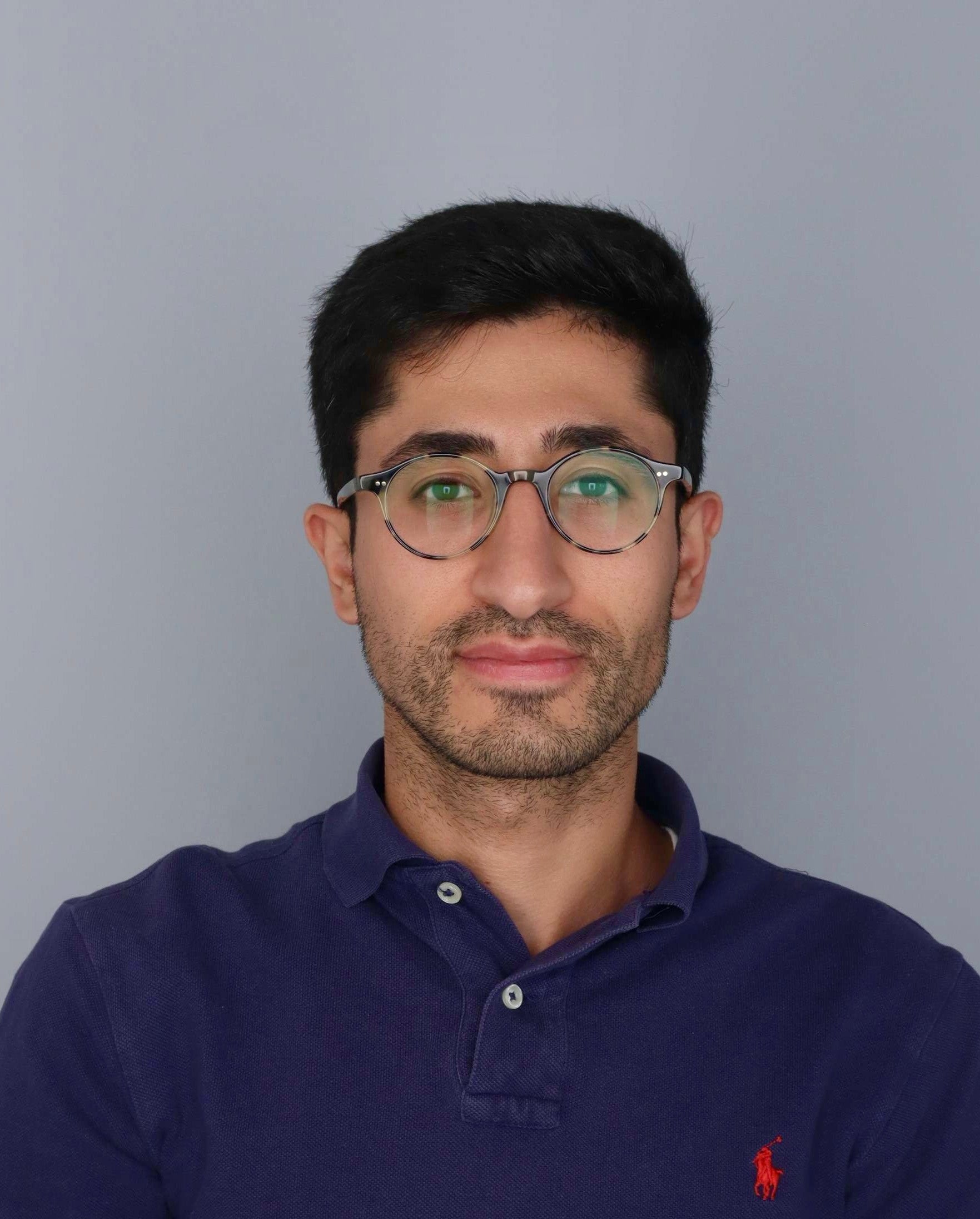
Serhat Yildirim, MD, MMSc, is a Research Associate at the FXB Center for Health and Human Rights and in the Department of Social and Behavioral Sciences, where he focuses on youth mental health in fragile and conflict-affected settings. His recent work has focused on former ISIS-affiliated child soldiers in the Middle East. His broader interests include global health, social justice, and immigrant health from a human rights lens.
Serhat’s project focuses on co-facilitating training in the Youth Readiness Intervention, a mental health intervention for war-affected youth, for local community health workers. The program aims to reach 4,000 war-affected youth in Sierra Leone experiencing mental health distress and substance use challenges.