John B. Little Center for Radiation Sciences
The JBL Center supports cutting edge biological, physical, and population-based epidemiological research to understand, interpret, and estimate the health effects of radiation to pave the way for effective preventive and therapeutic strategies.
665 Huntington Ave, |
Boston, MA 02115
Who We Are – Affiliate Faculty
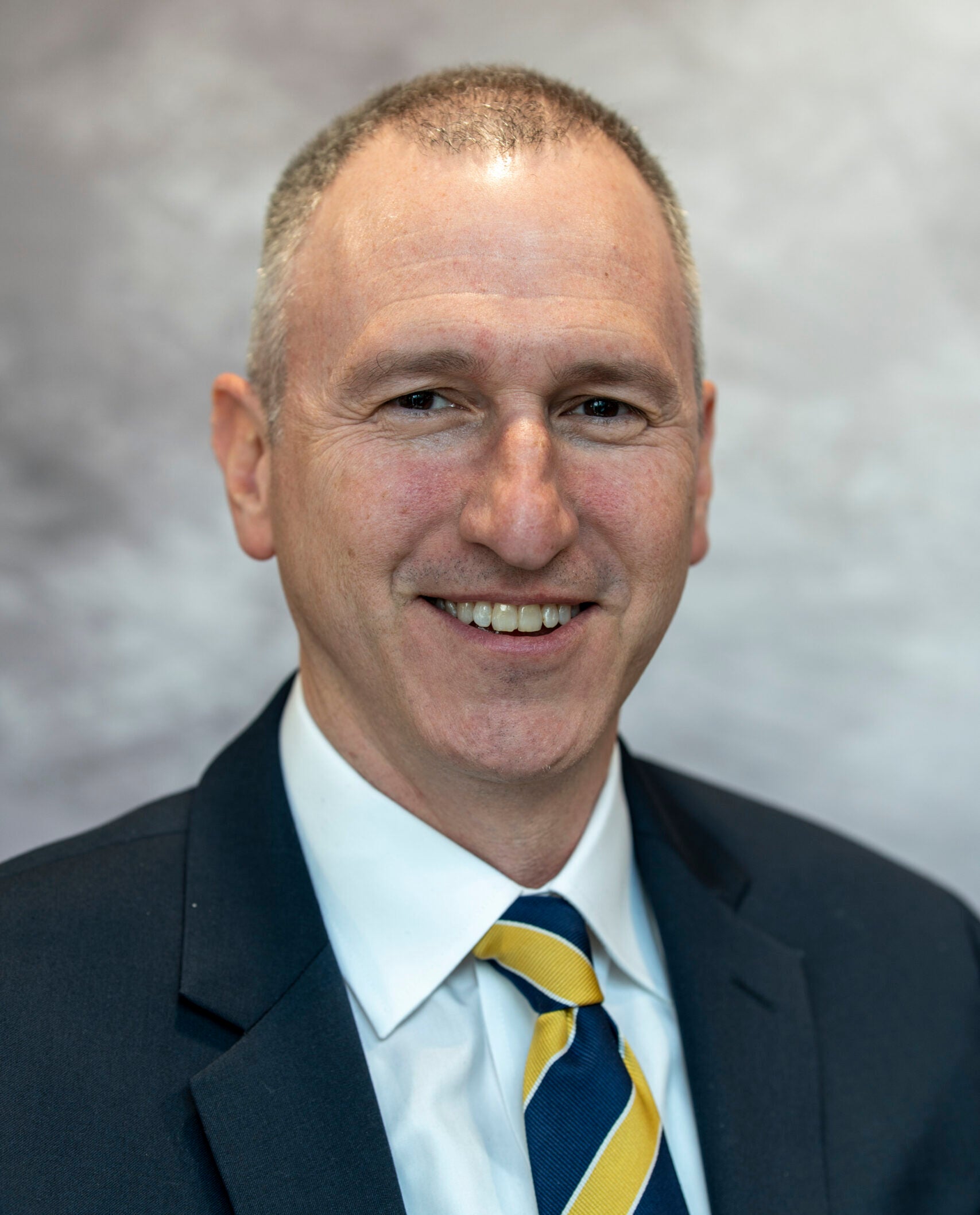
Dr. Ross Berbeco received undergraduate degrees in Physics and Astrophysics from the University of California, Berkeley, and his PhD in High Energy Physics from the University of Michigan, Ann Arbor. Following a postdoctoral fellowship at Massachusetts General Hospital, he joined the faculty of the Department of Radiation Oncology at the Brigham and Women’s Hospital and Dana-Farber Cancer Institute, and Harvard Medical School. Dr. Berbeco is currently the Mass General Brigham Radiation Oncology Vice Chair for Physics and Chief of the Division of Physics, and Professor of Radiation Oncology at HMS. He has both wet and dry labs with projects spanning computation, biophysics, device development, clinical imaging, and preclinical radiotherapy research. These projects have been funded by federal and industry grants and led to numerous publications and patents. Foremost, Dr. Berbeco is inspired by innovations and ideas that improve human health.
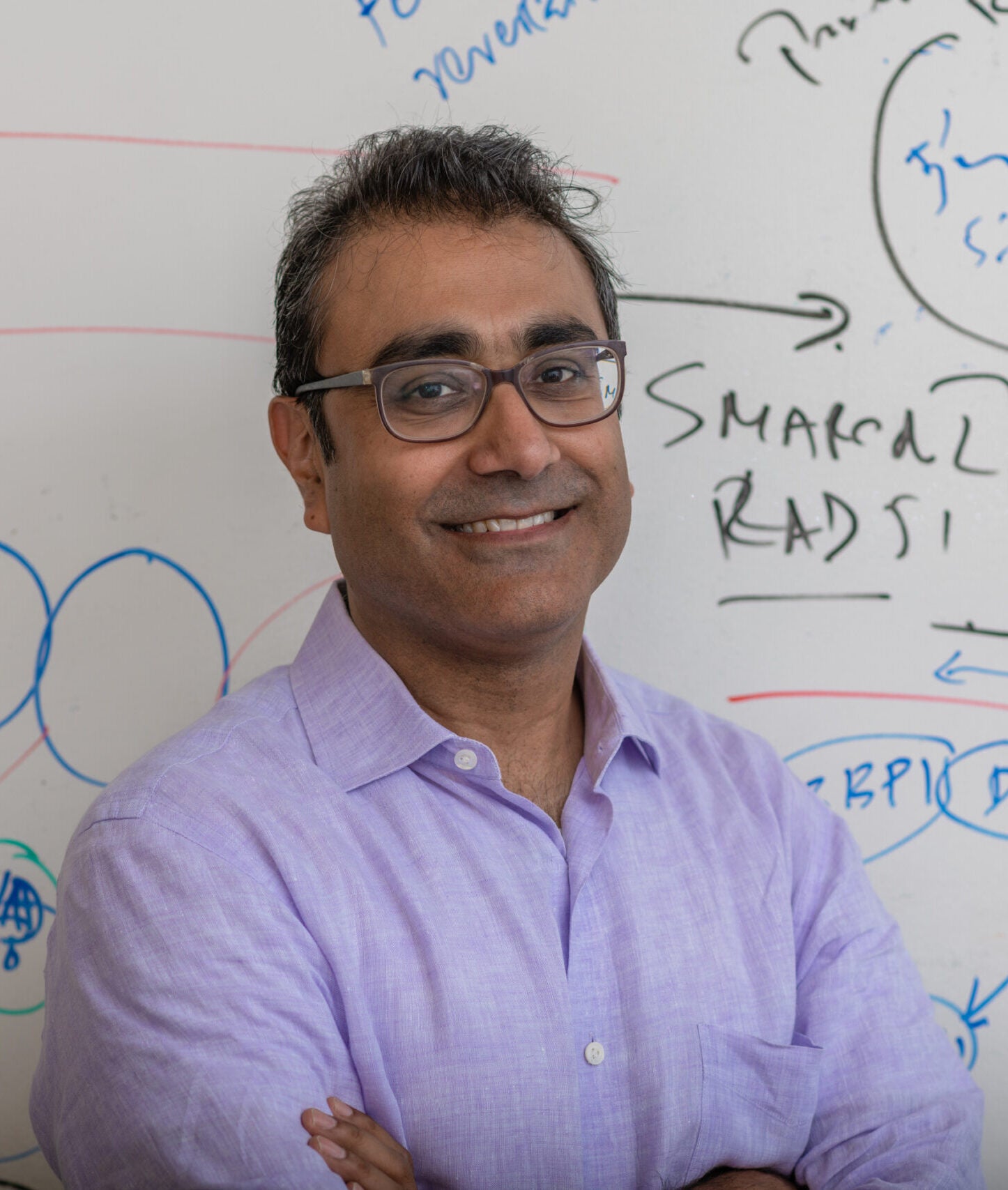
Dipanjan Chowdhury, PhD, holds the Svanberg Family Chair in Medicine at Harvard Medical School and serves as Chief of the Division of Radiation and Genome Stability at Dana-Farber Cancer Institute, where he co-directs the Center for BRCA and Related Genes and is an Associate Member of the Broad Institute. His research centers on how cells respond to DNA damage particularly double-strand breaks and how repair intersects with replication and genome stability. His lab has discovered novel factors, TIRR and DYNLL1 and defined their roles in genome stability, while uncovering new modes of regulation for established players including BRCA1, MRE11, and ATR, revealing that genome integrity is maintained by a broader regulatory network than previously appreciated. On the translational front, his lab pioneered circulating microRNA signatures as non-invasive biomarkers, demonstrating that serum miRNA patterns can identify BRCA1/2 germline carriers before cancer onset the basis of the MiDe Study, a prospective effort for affordable early detection of hereditary ovarian cancer.
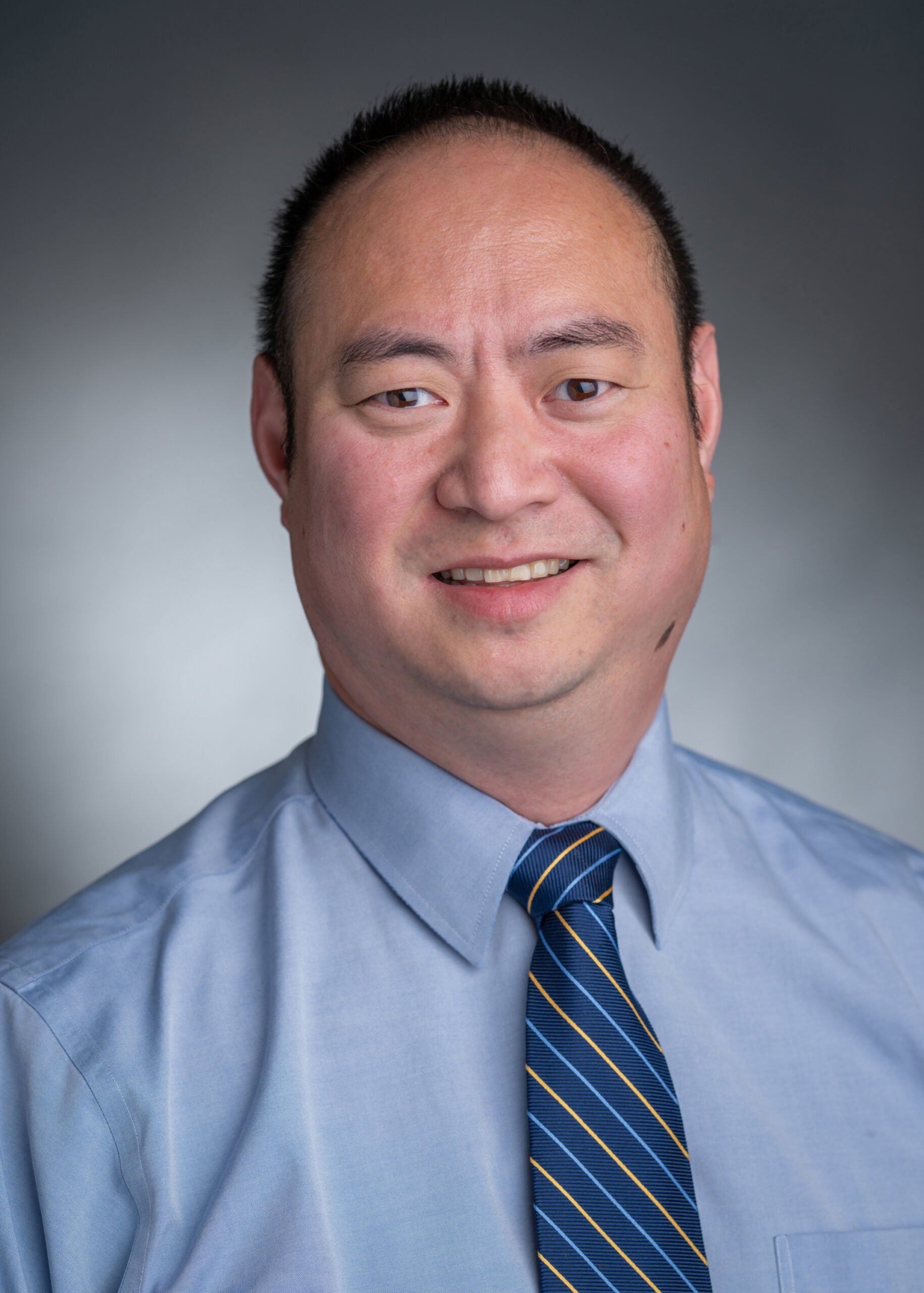
David Kozono, MD, PhD, is the Program Director for Thoracic Radiation Oncology at the Mass General Brigham Cancer Institute including Brigham and Women’s Hospital (BWH) and Massachusetts General Hospital, Institute Physician at Dana-Farber Cancer Institute, and Associate Professor of Radiation Oncology at Harvard Medical School. He is a graduate of Johns Hopkins University School of Medicine. His clinical and research focus is on precision radiation therapy for lung cancer. He seeks to empower translational radiation oncology research as the Principal Investigator of the BWH Radiation Oncology All-Department Biorepository to Accelerate New Discoveries (BROADBAND) study. He also serves as Group Vice Chair of the Alliance for Clinical Trials in Oncology and as study chair for several ongoing Alliance trials. In these roles he participates in the development and conduct of nationwide cancer clinical trials, including those testing novel radiotherapy, targeted therapies, and immunotherapy for lung cancer.
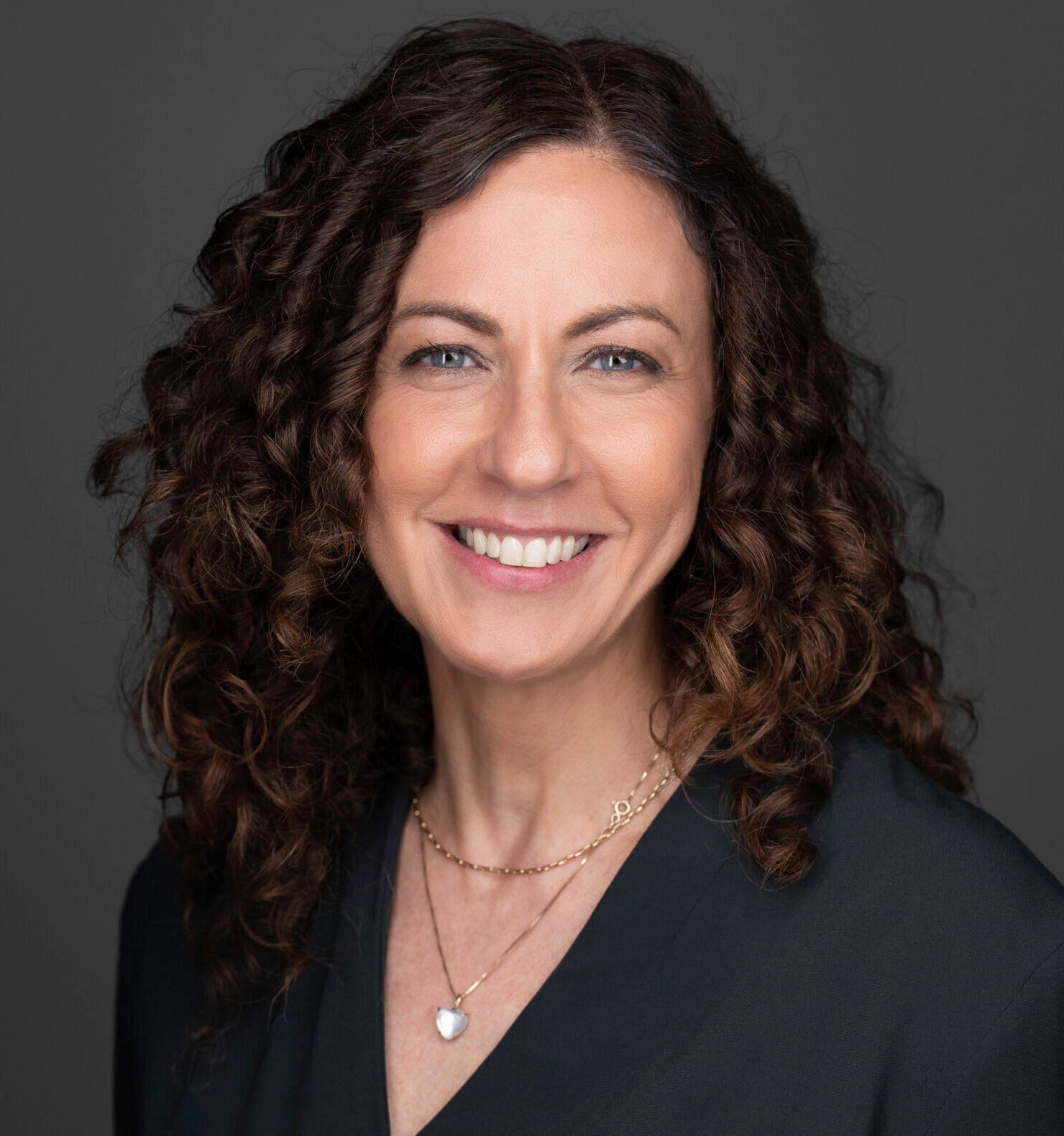
Galit Lahav received her PhD in 2001 from the Technion, Israel Institute of Technology. In 2003, she completed her postdoctoral fellowship at the Weizmann Institute of Science in Israel. She then spent a year at Harvard’s Center for Genomics Research, and in 2004 joined the Department of Systems Biology at Harvard Medical School. In 2018 Lahav became the Chair of the Department of Systems Biology.
Lahav pioneered live, single-cell imaging to reveal how mammalian cells process signals and make fate decisions via the tumor suppressor p53. Her lab discovered that cells interpret DNA damage through complex temporal p53 dynamics, such as oscillations, which shape transcriptional and cell cycle responses, influencing choices between growth, death, and senescence. Her research showed that cell-to-cell variations in p53 dynamics critically affect their responses to chemotherapy and radiotherapy, and that manipulating p53 dynamics can alter cellular outcomes. Her lab applied similar live imaging strategies to unravel the temporal dynamics of other key pathways including those regulating cell size, DNA repair, differentiation and the cell cycle.
Lahav has been recognized through several awards and honors including the Smith Family Award, Vilcek Prize for Creative Promise, and Excellence in Teaching and Mentoring awards. Lahav have established and organized leadership and management workshops for postdocs and faculty, as well as developed programs for advancing women…
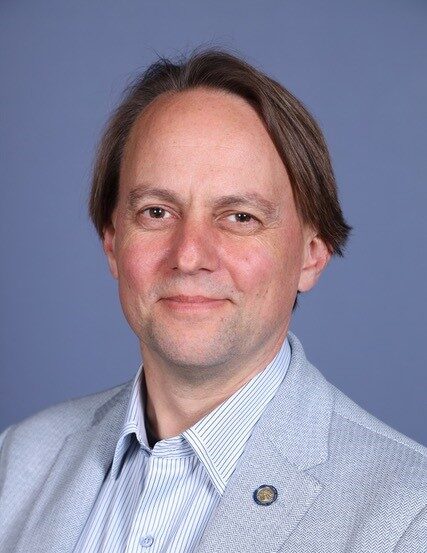
Dr. Jan Schuemann is a medical physicist at Massachusetts General Hospital. His research focuses on making radiation therapy more precise, more effective, and safer for patients. His path to medical physics began in particle physics, where he earned his masters at the University of Hamburg, Germany and his PhD at National Taiwan University. In 2010, he joined the team of Dr. Harald Paganetti at MGH, where he helped develop TOPAS, a widely-used simulation tool that calculates how radiation deposits energy in the body. From there, Dr. Schuemann’s work moved to an even finer scale, understanding how radiation damages DNA and how cells respond and repair themselves. This led to TOPAS-nBio, a nanoscale extension of TOPAS that models effects of radiation at the DNA level.
Dr. Schuemann’s lab applies experimentally-guided modeling to a variety of topics, including the use of nanoparticles to make tumors more sensitive to radiation, the potential of ultra-high dose-rate “FLASH” therapy to spare healthy tissue, and strategies to improve radiation-activated drug release and radiopharmaceutical treatments that directly target cancer cells.
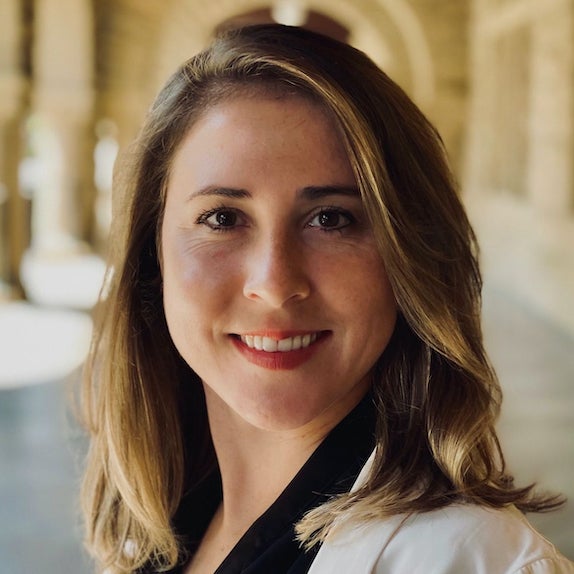
Jessalyn Ubellacker is an Assistant Professor in the Department of Molecular Metabolism at the Harvard T.H. Chan School of Public Health, where she runs a translational research laboratory focused on understanding influences of metabolic microenvironments on cancer progression. Jessalyn completed her Ph.D. in Biological and Biomedical Sciences at Harvard Medical School and M.D. at Stanford School of Medicine. During her postdoctoral training with Dr. Sean J. Morrison (UT Southwestern Medical Center), she discovered that cancer cell survival in the bloodstream is limited by lipid oxidative stress that induces cancer death by ferroptosis, while the lymph node microenvironment is protective against ferroptotic cell death. Jessalyn’s laboratory has developed metabolic and redox profiling tools that can be collaboratively applied across diverse contexts, including radiation exposure, to investigate questions such as how radiation may alter the lymphatic metabolic microenvironment to influence immune cell function.
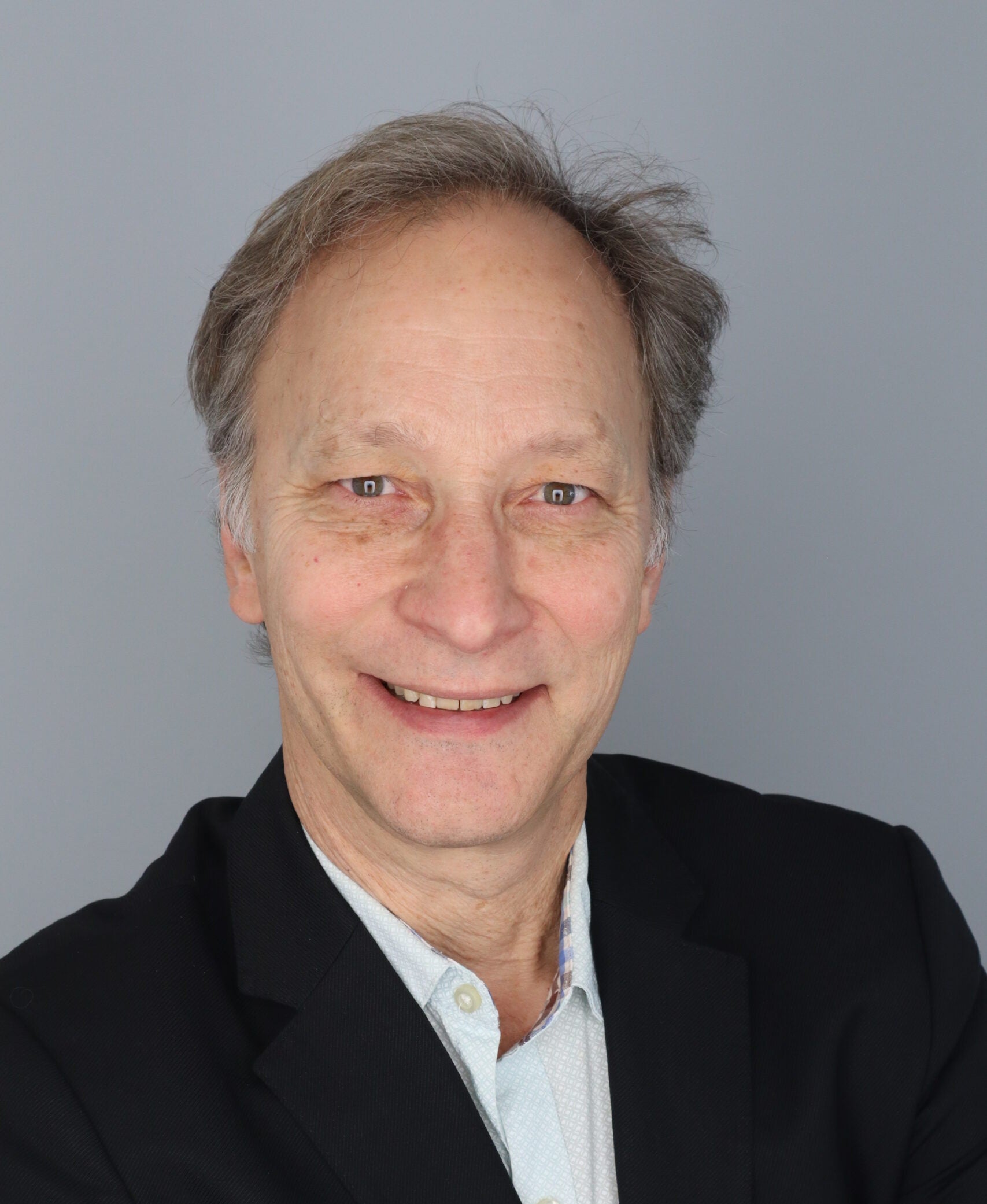
Marc G. Weisskopf, Ph.D., Sc.D., is the Cecil K. and Philip Drinker Professor of Environmental Epidemiology and Physiology at the Harvard T.H. Chan School of Public Health in the Departments of Environmental Health and Epidemiology and Director of the Harvard TH Chan NIEHS Center for Environmental Health. Dr. Weisskopf received his Ph.D. in Neuroscience from the University of California, San Francisco, and Sc.D. in Epidemiology from the Harvard T.H. Chan School of Public Health. His work focuses on the influence of environmental exposures on brain health across the life course—including amyotrophic lateral sclerosis, cognitive function and dementia, and psychiatric conditions—and he explores epidemiological methods issues to improve causal inference from observational environmental health studies. He is the Principal Investigator of the St. Louis Baby Tooth—Later Life Health Study that examines early life exposures—including to radiation related to early atomic bomb-related activity—and later life health.
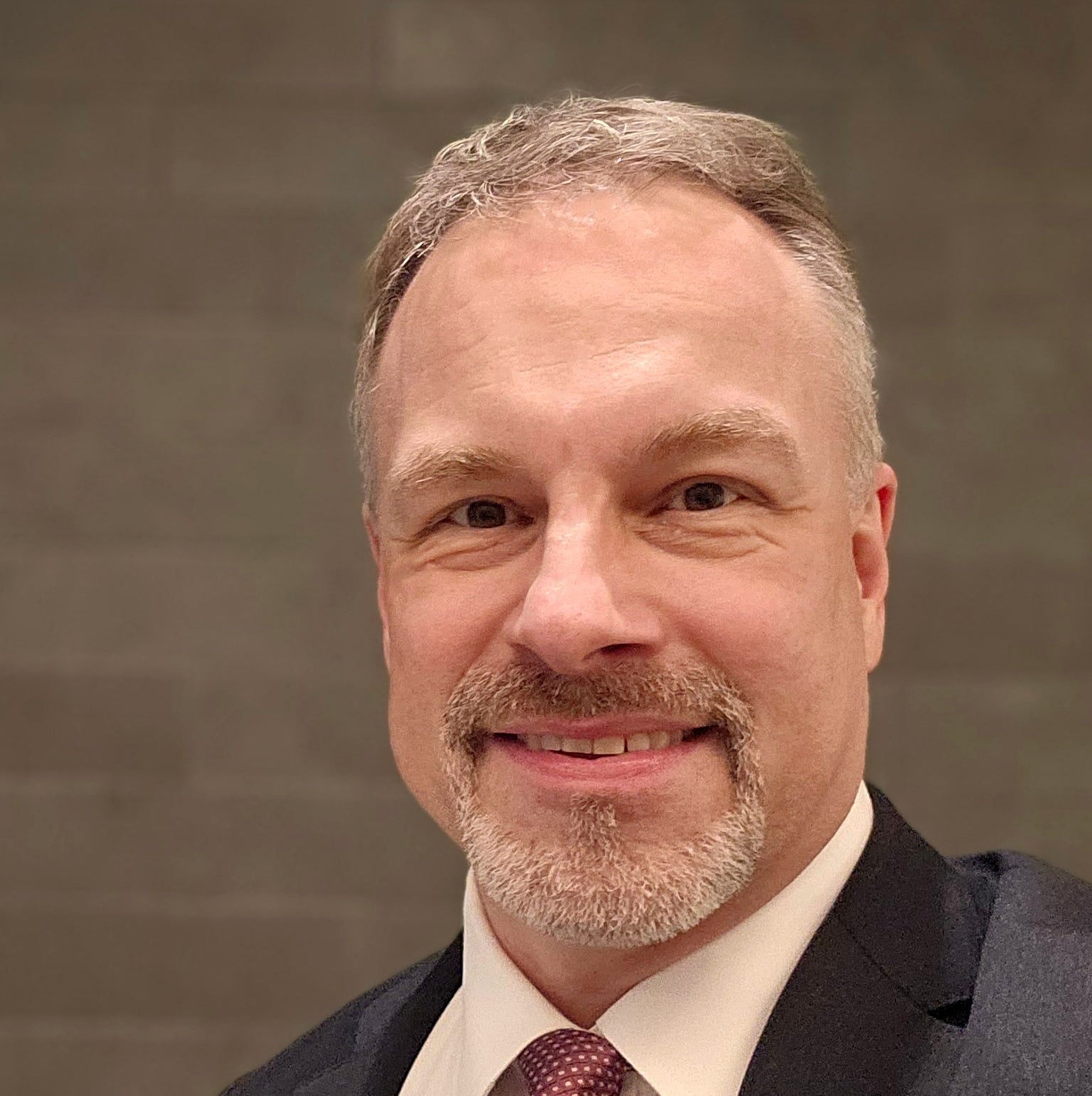
Dr. Willers earned his medical degree from the University of Hamburg Medical School in Germany. He came to Boston as a research fellow studying DNA repair in the laboratory of Simon Powell, MD, PhD, and subsequently completed his residency in Radiation Oncology at Mass General in 2005. After three years as an attending physician in the Department of Radiation Oncology at Boston Medical Center, he returned to Mass General Hospital, where his clinical practice has since focused on the care of patients with thoracic cancers. Dr. Willers is an active physician-scientist dedicated to advancing precision radiation medicine and clinical radiation biology. He leads a federally funded translational research laboratory with a focus on mechanisms of radioresistance and the development of targeted radiosensitizers. His lab has also identified biomarkers of sensitivity to proton radiation that can be clinically translated. Dr. Willers is deeply committed to team science, research mentorship, and the advancement of radiation sciences. He currently serves as the Vice President-Elect of the Radiation Research Society (2025-) and the Biology Section Editor of the International Journal of Radiation Oncology Biology Physics (aka Red Journal) (2023-).
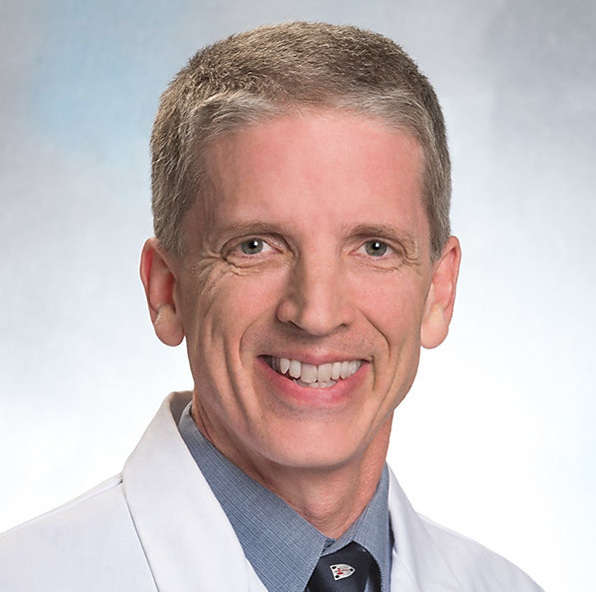
Dr. Geoffrey Young’s neuroradiology practice encompasses all facets of diagnostic brain, spine, and head and neck MRI and CT, as well as fMRI, intraoperative MRI, and cross-sectional intervention, with particular expertise in imaging of brain tumors, epilepsy, neurovascular disease, and neurodegeneration. He has served on the BWH MR Managers, Radiation Safety, and IRB Committees; founded and chaired the BWH MR Safety Committee; and wrote the first BWH MRI Safety Policy and Procedure. Dr. Young established an international neuroradiology training program, mentored more than 50 BS, MS, MD, and PhD students, postdoctoral trainees, and faculty, and lectures locally, nationally, and internationally. His preclinical and translational research on perfusion, diffusion, susceptibility and functional brain MRI, dynamic CTA, optical imaging, CT radiation biology and safety, and AI for neuroimaging has led to commercialized technical innovations, patents, NIH/NSF and foundation grants, and more than 80 publications, as well as peer review of manuscripts and grant proposals in the US and abroad. The unifying goal of Dr. Young’s research is to improve the quality, efficiency, and safety of neuroimaging diagnosis, prognosis, image-guided therapy, and treatment monitoring.