Menzies Lab
Our lab works with domestic and international organizations and institutions to strategize and address health policy and global health issues through mathematical modeling approaches, with highlights on infectious diseases such as HIV, TB, and malaria.
665 Huntington Avenue
Building 1, Room 1105, Boston, MA 02115
Meet the Team
Faculty

Nicolas Menzies leads Menzies Lab at the Department of Global Health and Population at Harvard T.H. Chan School of Public Health.
He combines empirical data with mathematical modeling to examine infectious disease control policy in high-burden settings, currently focusing on the intersection of HIV and TB epidemics in Sub-Saharan Africa and other high-burden settings.
In his empirical research, Nick has worked to improve the level of evidence on the resource requirements for HIV interventions in high-burden settings, allowing for better budgeting of these large programs and allowing decision-makers to weigh the advantages of different implementation approaches. Nick is currently working on a multi-country study to understand the costs, cost drivers, and efficiency determinants of routine immunization services. Other applied work has addressed the costs and benefits of expanding access to HIV screening and diagnosis in high-prevalence settings.
His methodological interests include Bayesian approaches to calibrating simulation models, value of information analysis, the use of simulation models for causal inference, and approaches for synthesizing results from multiple models to inform policy.
Research Scientists

Minttu is an infectious disease epidemiologist. In her research, she employs mathematical modeling to inform decision-making in the fields of reproductive health, sexually transmitted infections (STIs), and HIV. Minttu’s interests include transmission dynamics of infectious diseases, HIV-STI co-infections, and social determinants of health.
Originally from Finland, Minttu earned her BSc in general microbiology from University of Helsinki. She then relocated to London, UK, to pursue studies in public health, obtaining MPH and PhD degrees from Imperial College London. At Harvard T.H. Chan School of Public Health, Minttu leads several projects as part of the Prevention Policy Modeling Lab.
Research Analysts

Nicole Anne Swartwood is a senior research analyst in the Department of Global Health and Population at the Harvard T.H. Chan School of Public Health. Her work focuses on developing deterministic models of tuberculosis both domestically and abroad.
Nicole obtained her master of science of public health from Emory University with dual concentrations in environmental health and epidemiology. While at Emory, her research focused on the role of ambient air pollution on various respiratory health outcomes, with a specific emphasis on tuberculosis in South Asia.
Nicole also holds a bachelor of science degree in mathematics and microbiology, as well as a bachelor of arts degree in German studies, religious studies, and history, from University of Tennessee-Knoxville. Her academic interests include respiratory health, atmospheric chemistry, disease modeling, and the intersection of religion and health in Early Modern Europe. Outside of research, Nicole enjoys preparing cuisines that remind her of her travels, scribbling crosswords, and hiking in nearby mountains.
Research Associates

Graduate Students
Sarah is a PhD student in the Population Health Sciences program, advised by Dr. Nick Menzies. Her research is at the intersection of infectious disease epidemiology and economics, with a focus on the role of human behavior in disease prevention, detection, and transmission.
She is interested in infectious disease modeling, disease surveillance, antibiotic resistance, and the design and evaluation of interventions to predict, prevent, and respond to disease outbreaks. She has previous experience at MIT’s Abdul Latif Jameel Poverty Action Lab (J-PAL), EcoHealth Alliance, Population Services International, and the New York City Department of Health and Mental Hygiene. Sarah received her BA in economics from Barnard College, Columbia University, in 2017.
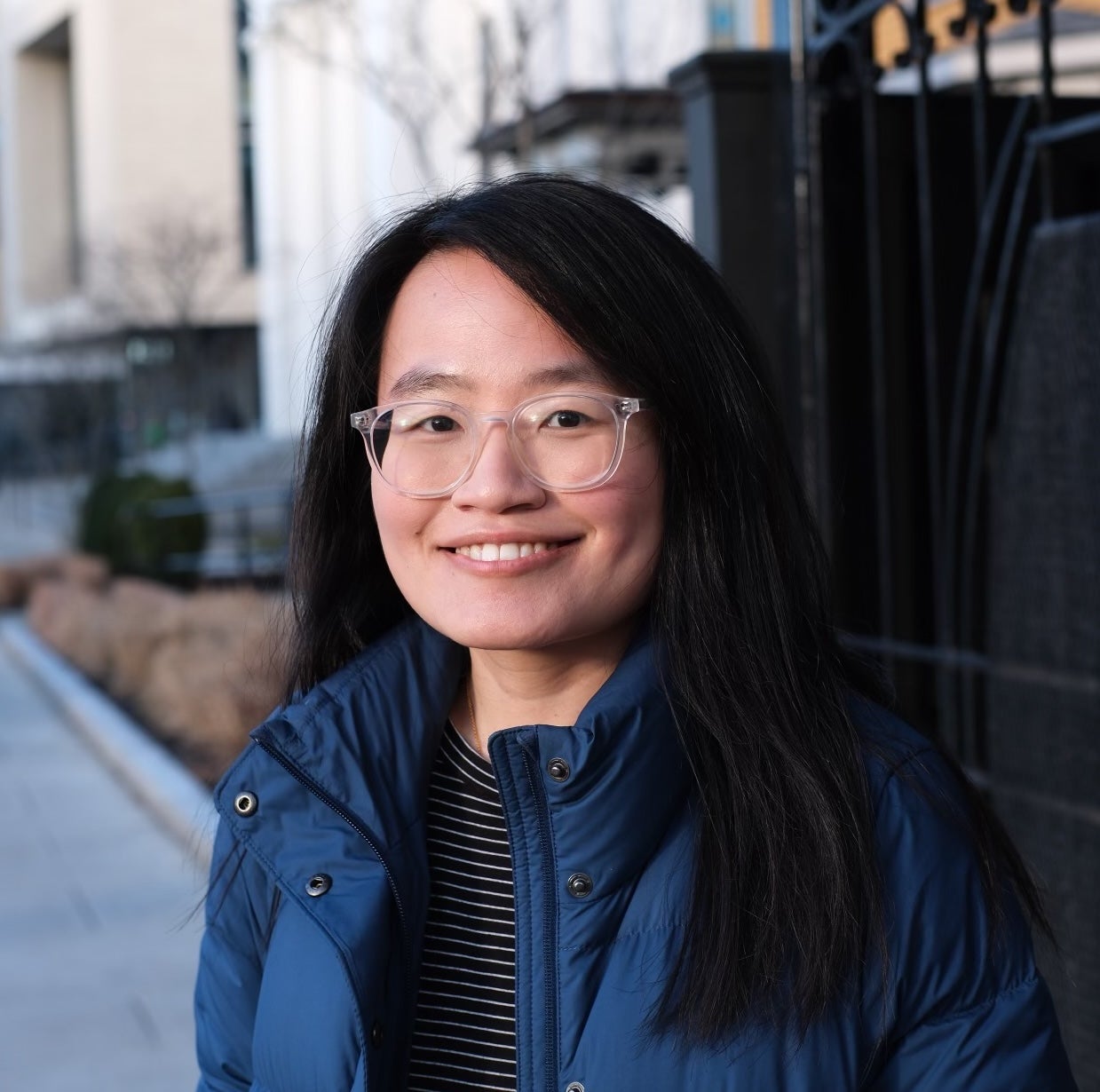
Ye Shen is a PhD candidate of decision sciences in the interfaculty health policy program at Harvard University. Through the application of simulation modeling and decision-analytic methods, Ye’s dissertation research seeks to bridge gaps in health policy and service delivery for children in disadvantaged groups by projecting longitudinal patterns of insurance coverage, service utilizations, and health outcomes to inform relevant decisions for payers and providers in primary care, dental, and medical-dental integration settings. Ye has also led or contributed to modeling and empirical work related to dental workforce, eating disorders, and food security in a variety of contexts including the United States, Canada, and low-income countries.
Ye graduated from Johns Hopkins Bloomberg School of Public Health with an MSPH in international health, human nutrition, and a certificate in public health economics. She received her BA in international relations from Tufts University. Before entering the PhD program, Ye was a cost-effectiveness specialist and data analyst for a project supporting USAID’s food and nutrition assistance activities at Tufts Friedman School of Nutrition Science and Policy.

Radhika Tampi is a PhD student in the health policy program (decision sciences track) at Harvard University. Radhika holds a BS in biomedical science from Ohio State University and an MHS in health economics from Johns Hopkins Bloomberg School of Public Health. Her current research involves assessing the cost-effectiveness of HIV, TB, and malaria interventions in settings disproportionately affected by these diseases.

Ryan is a second-year PhD student at Harvard T.H. Chan School of Public Health in the Department of Global Health and Population. He received a BS in wildlife biology and a BA in economics from Colorado State University, then obtained his MSPH in global disease epidemiology and control from Johns Hopkins University. Prior to starting his PhD, he worked as a researcher at the University of California San Francisco, Washington University in St. Louis, and Johns Hopkins. His background is in cost-effectiveness analysis and clinical trials for tuberculosis, and he has previously worked closely with universities and ministries of health in Uganda, Brazil, South Africa, and India.
At Harvard, his research focuses on infectious disease epidemiology, modeling, decision science, and health policy, with an emphasis on tuberculosis.
Alumni

Melike Hazal Can was a postdoctoral research fellow in the Department of Global Health and Population at the Harvard T.H. Chan School of Public Health. Her work focused on modeling the tuberculosis (TB) care cascade and diagnostic algorithms.
She holds a BA in economics, as well as a BS and an MS in industrial engineering.
Prior to joining the Menzies Lab, she completed her PhD in industrial engineering at Northeastern University, where she received another MS in operations research. During her graduate studies, she utilized mathematical modeling, statistics, and simulation analysis to optimize healthcare operations in collaboration with health facilities and universities. Her dissertation focused on the applications of machine learning methods in breast cancer treatment.
Her research interests include machine learning, mathematical modeling and optimization, applied statistics, and simulation modeling.

Byron Cohen was a PhD student in Population Health Sciences, Health Systems track. For part of his dissertation research, Byron used epidemiological models to evaluate potential strategies for early detection and containment of outbreaks of potential pandemic pathogens that may occur as a result of accidental lab-acquired infections in high-biosafety research facilities. For the other part of his dissertation research, Byron created an analysis to quantify the health and economic benefits of advances in global tuberculosis control.
In the summer of 2020, Byron worked as a research intern for the World Bank’s Development Impact Evaluation (DIME) unit on an evaluation of a UNICEF/DFID clean water, sanitation, and hygiene program in the Democratic Republic of Congo. Previously, Byron was part of the India Health Systems Project research team. He also has experience working on projects to help improve clean water access and water governance in the city of Gulu, Uganda. Byron earned an MPH with First Class Honours from University College Dublin in 2017, where he studied as a Mitchell Scholar. He obtained his BA in philosophy, politics, & economics from Claremont McKenna College in 2016, where he was elected Phi Beta Kappa.

Hening Cui was a research data analyst at Harvard T.H. Chan School of Public Health in the Department of Global Health and Population. Her work focused on enhancing individual-level decision-making regarding latent tuberculosis infection (LTBI) screening and subsequent treatment in the United States.
Hening holds a master of science degree in biostatistics from Columbia University. Her research at Columbia focused on investigating gene expression patterns during cardiogenesis to facilitate treatment for congenital heart defects, employing innovative approaches such as the use of single RNA sequencing data in the Linear Mixed Model (LMM) and Cox Joint Model.
Hening also holds a bachelor of science degree in applied biology and biotechnology from Hong Kong Polytechnic University. Her academic interests lie in cost-effectiveness analysis and disease modeling. Beyond her academic pursuits, Hening enjoys cooking, reading mystery novels, and script-killing.

Emmanuelle Dankwa is an infectious disease epidemiologist. Her research concerns the design of models for understanding the spread of multidrug-resistant tuberculosis (MDR-TB). MDR-TB is TB resistant to (at least) isoniazid and rifampin, the two most potent anti-TB drugs, and is a major global health concern. Her work aims to provide evidence for the formulation of control policies against MDR-TB.
She is also involved in efforts, led by the Center for Communicable Disease Dynamics (CCDD), to develop capacity in infectious disease modeling in Africa. To this end, she contributes to the design and delivery of the UGHE (University of Global Health Equity, Rwanda)/Harvard training course in mathematical modeling of infectious disease transmission.

Siva Emani was a medical student with a background in biomedical engineering interested in quantitative approaches to addressing unmet needs in global health. In the lab, he primarily worked on understanding health policy approaches to reducing the burden of tuberculosis disease in Brazil. He also enjoys playing tennis and Indian classical music.

Masa conducted research on wastewater-based surveillance for COVID-19 and measuring the social value of vaccination.
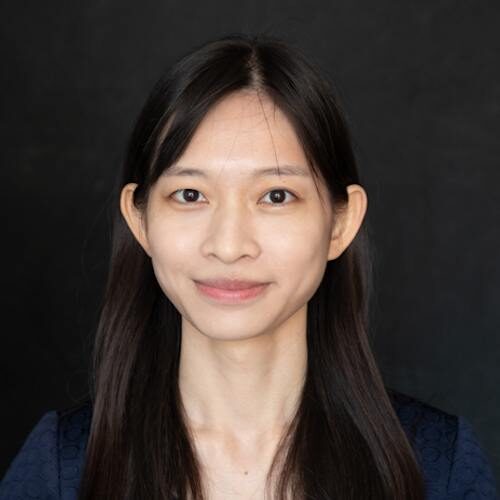
Lily Hsieh was a PhD student in Health Policy (Decision Sciences track). Her research involved using various disease-modeling techniques to evaluate the cost-effectiveness of intervention programs and new health technologies for infectious diseases. She hopes to help design intervention programs that can help improve health and reduce economic burdens in communities disproportionately affected by infectious diseases. Lily holds a BSc in pharmacology from University of British Columbia and an MPH in epidemiology of microbial diseases from Yale School of Public Health.

Lyndon James is a physician and was a PhD student in Health Policy, Decision Sciences track, at Harvard. In his doctoral research, he used simulation modeling and causal inference methods to determine the most effective—and cost-effective—treatment strategies for rifampicin-resistant tuberculosis. He also conducted research to better understand how equity can be included in cost-effectiveness analysis. Lyndon obtained his medical degree from University College London and holds an MPH from Harvard Chan School. He is a keen gardener, theatre-goer, and cook.

Sun Kim was a PhD student in Population Health Sciences (Global Health and Population track) at Harvard University. Her research interests lie in mathematical modeling and spatial analysis of infectious diseases, pandemic preparedness, and health system strengthening. Sun received her BS in biomedical engineering from Yonsei University, South Korea, and her SM in Global Health and Population from Harvard T.H. Chan School of Public Health.

Fayette Klaassen was a postdoctoral researcher in the Department of Global Health and Population at the Harvard T.H. Chan School of Public Health, where she worked on Bayesian statistical models to predict COVID-19 infections.
She received her PhD in methodology and statistics from Utrecht University in 2020. In her doctoral research, she focused on evaluating the efficiency of Bayesian hypothesis testing using inequality constraints. She is interested in developing and applying methods for evidence synthesis of replications or multiple data sources.

Do Kyung Ryuk was a research assistant in the Department of Global Health and Population at Harvard T.H. Chan School of Public Health. Her research involved assessing tuberculosis treatment outcomes in Brazil and generating effective decision-making on health policy. Do holds a BA in international studies from Kyung Hee University and an MS in global health and population from Harvard T.H. Chan School of Public Health.

Yunfei Li was a postdoctoral research fellow in the Department of Global Health and Population at Harvard T.H. Chan School of Public Health. Her research focused on the development and application of advanced quantitative methods to inform decision-making and resource prioritization in public health, within three substantive areas: (I) modeling patterns and trends in disease burden and disparities; (II) assessing the health effects, economic impacts, and cost-effectiveness of current and future preventive strategies; (III) epidemiology of diabetes, diagnosis, and risk prediction. Yunfei received a doctor of science degree from Harvard University in 2020 and a bachelor of medicine, bachelor of surgery degree from Peking University in China.

Diego Liang was a master’s student in the Department of Global Health and Population at Harvard T.H. Chan School of Public Health. His research focused on estimating trends in racial and ethnic disparities in the prevalence of syphilis among pregnant women in the United States. Diego also worked on developing fair clinical risk prediction models and equity-informed health decision-making. He has contributed to the investigation of racial and ethnic disparities in congenital syphilis and the estimation of state-level HIV incidence among needle-sharing people who inject drugs in the U.S. Prior to this, Diego earned an MBBS in public health and a BA in financial management from Sichuan University in China.
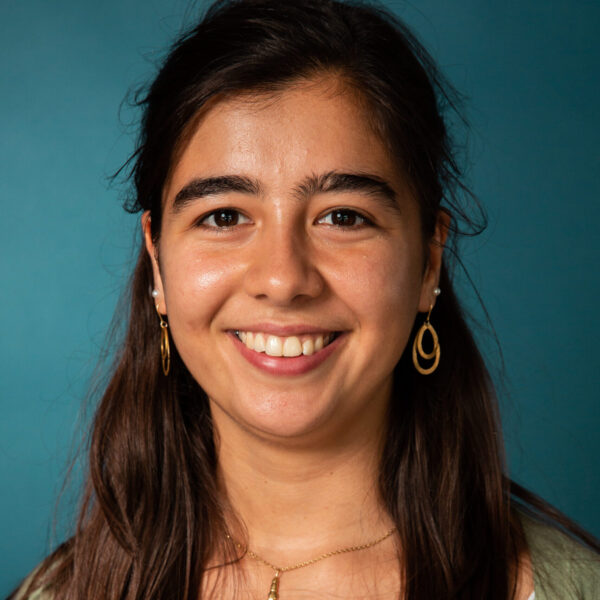
Ana van Lieshout was a research intern at Harvard T.H. Chan School of Public Health in the Department of Global Health and Population. Her work focused on the mathematical modeling of false-positive TB cases and TB preventive measures, exploring crucial aspects of TB diagnosis and control.

Allison Portnoy is an assistant professor of global health focused on vaccine decision science and policy. Her research includes economic evaluation and public health policy, simulation modeling, health equity, and the impact of vaccination on population health and economic outcomes. She is particularly interested in broadening the value of vaccination in high-burden settings. Her ongoing work spans multiple diseases areas, including human papillomavirus (HPV), measles, and tuberculosis (TB).
Allison received a doctor of science degree from the Department of Global Health and Population and completed a postdoctoral fellowship at the Center for Health Decision Science, both at Harvard T.H. Chan School of Public Health. Her previous education includes an MSPH in health policy & management from Johns Hopkins Bloomberg School of Public Health and a BA in international relations from Stanford University. She previously worked as a health economist at the International Vaccine Access Center at Johns Hopkins and conducted research projects with the World Health Organization, Agency for Healthcare Research and Quality, and the University of Washington in Seattle.

Nanki Singh was a master of science student in the Department of Global Health and Population at Harvard TH. Chan School of Public Health. Her research interests lie in long-standing infectious disease challenges in low- and middle-income countries. At the Menzies Lab, she worked on assessing TB prevalence and notification rates in LMICs. She has previously worked in the development sector with The Gates Foundation and USAID. She holds a BA from Duke University.

Stephanie Su was the research coordinator and analyst for the Menzies Lab at Harvard T.H. Chan School of Public Health in the Department of Global Health and Population.
Stephanie coordinated the Harvard side of operations and communications with the Centers for Disease Control and Prevention (CDC), the Brazil Ministry of Health, and academic institutions for global and US-based TB policy research. She also led research analyses in collaboration with the Global Fund and the Gates Foundation, conducting economic modeling and cost studies.
Prior to joining the lab, Stephanie worked in health strategy and communication, supporting private entities and NGOs such as Pfizer and FXB International. She studied business finance and public relations and received her MPH from New York University.

Jinyi Zhu is an assistant professor in the department of health policy at Vanderbilt University Medical Center. Her research focuses on applications and methods to inform decision-making for resource allocation in public health and health care. Specifically, her research falls into three main areas: 1) resource prioritization for the prevention and treatment of cardiovascular disease, 2) applied model-based cost-effectiveness analysis in other clinical areas including TB and HIV, and 3) methodological advances in disease simulation modeling (e.g., equity-informative cost-effectiveness analysis, model efficiency, and model calibration and validation).
Jinyi received a PhD in health policy from Harvard University in 2022. She also holds an MPH from Yale University and a BS in biology and BA in economics from Peking University.