Center for Health Communication
Team
Leadership
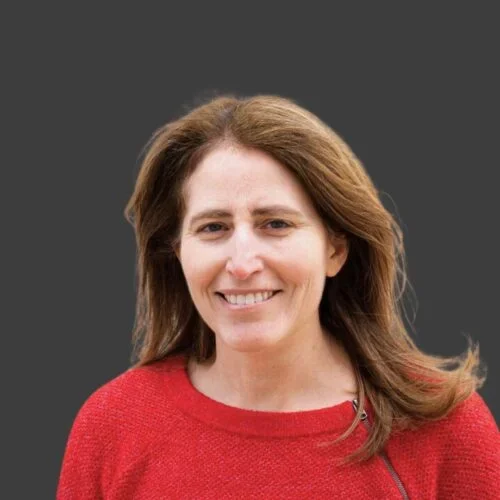
Amanda (she/her) is the senior director of Harvard T.H. Chan School of Public Health’s Center for Health Communication.
Under Amanda’s leadership the Center launched its Public Health Creators program, which equips and inspires influential creators to spread evidence-based health information on social media. Her Harvard Chan team is also conducting interdisciplinary, creator-engaged research to study how creators are reshaping health narratives and behaviors.
Amanda is also a lecturer in the Department of Social & Behavioral Sciences, where she is preparing public health students to credibly communicate health information in an increasingly skeptical and fragmented world.
In her work at the Center Amanda leverages two decades of experience in science and health journalism, media product development, and audience engagement. Before joining Harvard’s faculty, Amanda worked as a science journalist and newsroom leader at C&EN, an award-winning nonprofit science news outlet. She currently serves on the board of Science To People, a nonprofit developing an AI research assistant for creators. She holds a Bachelor of Arts in Chemistry from Johns Hopkins University and a Masters of Science in Chemistry from MIT.
Staff
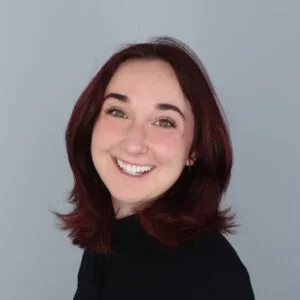
Elissa Scherer is Programs Lead at the Center for Health Communication at the Harvard T.H. Chan School of Public Health, where she develops initiatives that help trusted messengers use evidence to build understanding, trust, and connection.
A major focus of her work is the Center’s Creator Program, a community of more than 1,400 health and wellness content creators dedicated to helping their communities thrive. Elissa develops programming that connects creators with public health experts, research, and one another. This equips creators to translate evidence-based health information in ways that help audiences make informed health decisions and act together toward collective public health solutions. She brings a similar focus to the Center’s Health Coverage Fellowship, where she manages programming for more than 300 health journalists, connecting them with training, mentorship, and public health and medical experts.
Elissa also contributes to the Center’s research and evaluation, building on her background in mixed-methods research at RTI International and the University of North Carolina at Chapel Hill. She holds an MPH from Harvard and bachelor’s degrees in psychology and global studies from UNC-Chapel Hill.
Across her work, Elissa focuses on bridging the gap between evidence and action and helping trusted voices build healthier communities.
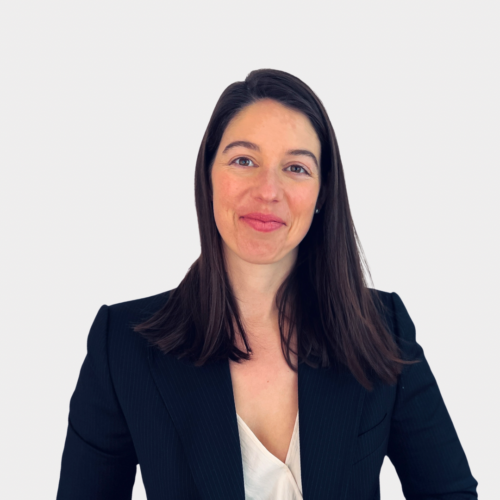
Kate Speer (she/her) is a mental health advocate and marketing executive. She was a participating creator in Harvard’s inaugural Creators Summit and is now working with the Center for Health Communication to scale the program.
She spent five years as the CEO of The Dogist, scaling its audience to 5 million and turning it into a full-fledged social impact e-commerce company, before moving into public health full-time, where she is using social media for good instead of the bottom line.
In her free time, she is finalizing her first memoir, building Mental Health is Cool, and sharing her lived experience with serious mental illness with her community of 175,000 on social media and Substack.
Larry directs the Center for Health Communication’s Health Coverage Fellowship, which helps the media do an even better job reporting on critical issues like public health and pandemics, mental health and the health impacts of climate change, and racial, ethnic, and gender disparities in health care.
Tye is a New York Times bestselling author whose most recent book, The Jazzmen, explores how Duke Ellington, Satchmo Armstrong, and Count Basie transformed America.
From 1986 to 2001, Tye was an award-winning reporter at The Boston Globe, where his primary beat was medicine. He also served as the Globe’s environmental reporter, roving national writer, investigative reporter, and sports writer. Before that, he was the environmental reporter at The Courier-Journal in Louisville, and covered government and business at The Anniston Star in Alabama.
Tye, who graduated from Brown University, was a Nieman Fellow at Harvard University in 1993-94. He has taught journalism at Boston University, Northeastern, and Tufts.
Larry is now writing, for HarperCollins, The Forger of Paris: Adolfo Kaminsky and Jewish Resistance to the Holocaust.
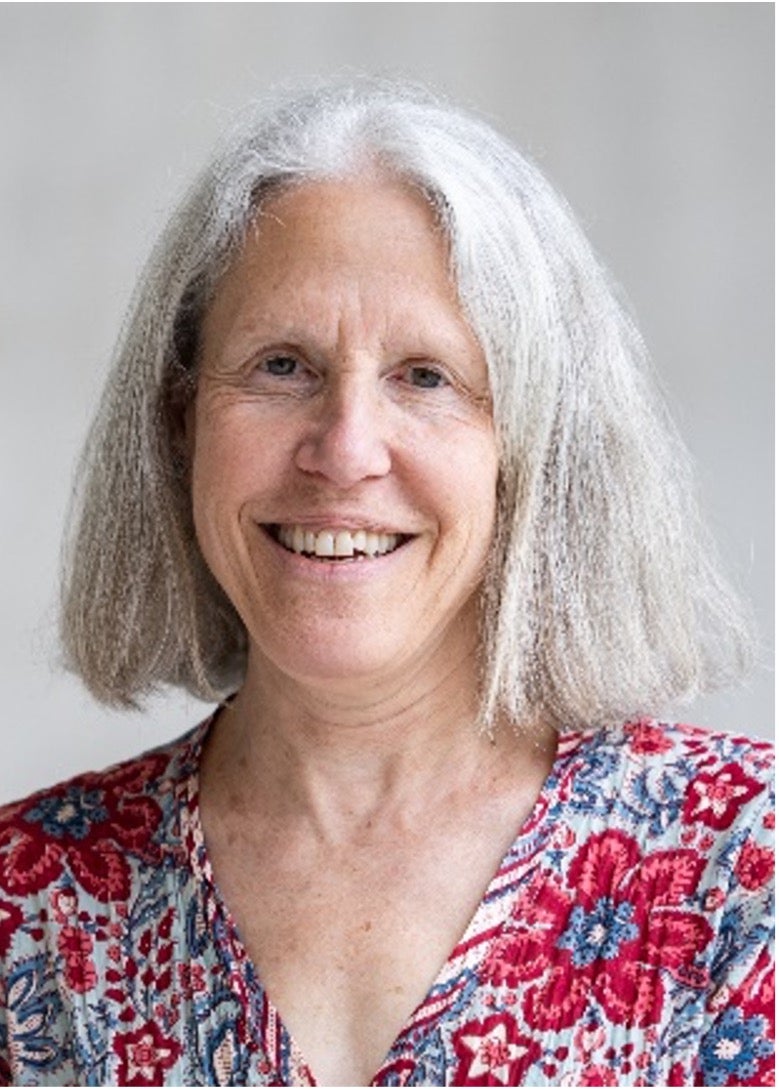
Journalist-in-residence and host, Center for Health Communication’s health journalism case study series
Gabriella Stern recently retired as Director of Communications at the World Health Organization. Based at WHO headquarters in Geneva for 6 ½ years, Gabby led the organization’s global communications strategy, managed a team of communications professionals, and served as spokesperson for the Director-General. Gabby joined WHO in March 2019 after more than three years at the Bill & Melinda Gates Foundation. Based in Seattle, she was the Director of Media & External Relations. Before moving into communications in early 2016, Gabby was a journalist. She spent almost 25 years at The Wall Street Journal in various editing and reporting roles in the U.S., Europe (during which she and her family became naturalized U.K. citizens) and Asia. Prior to joining the Journal, she worked for the Omaha, (Neb.) World-Herald. Born in New Jersey, with Bachelor’s and Master’s degrees from Yale University. Gabby is married, with two adult children. She and her husband relocated to Boston upon her retirement from WHO on Sept. 30, 2025.
Research team
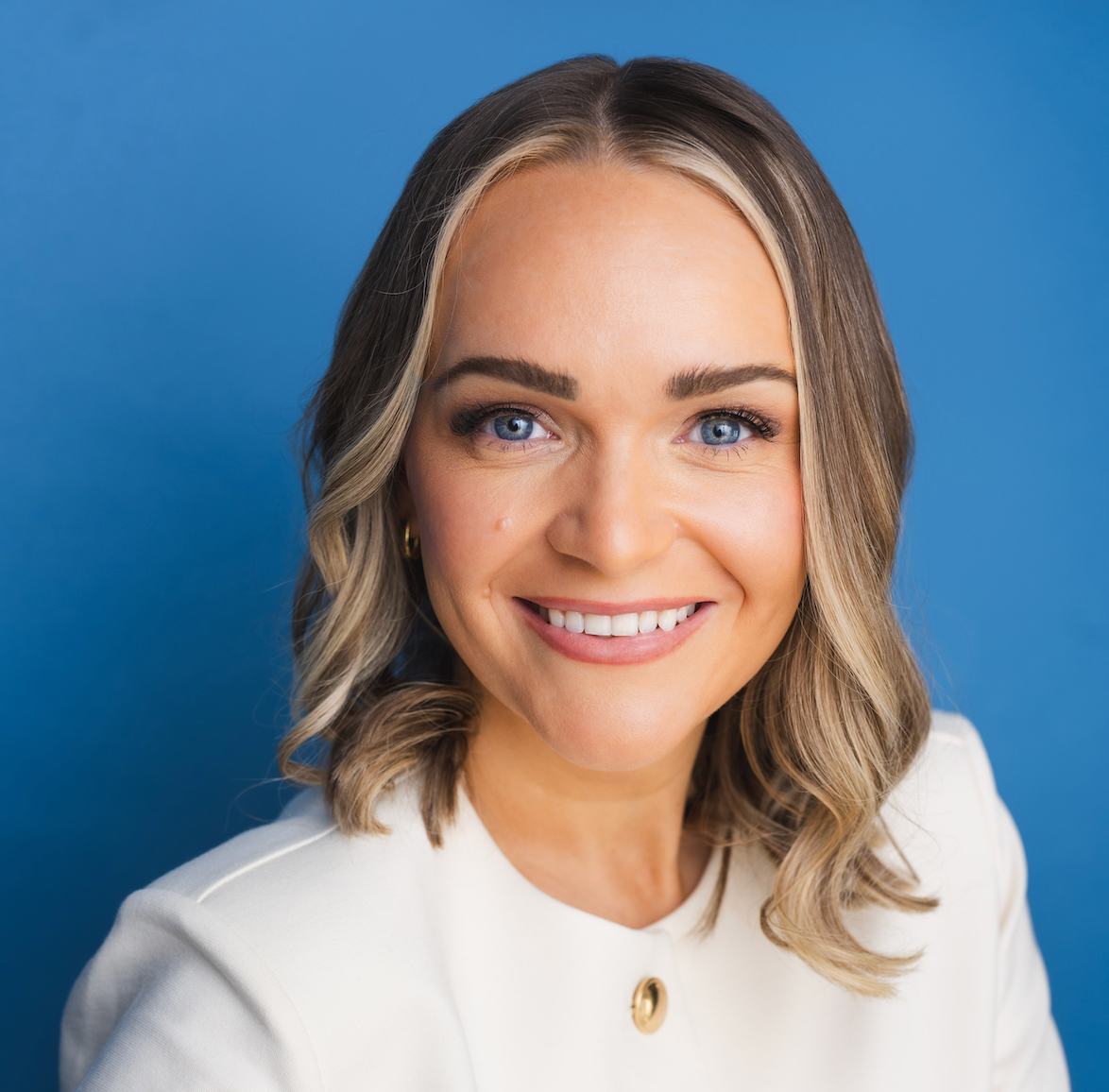
Emily McKinley is a postdoctoral Civic Science Fellow at the Center for Health Communication, where she is embedded in the Center’s Creator Program. Her research examines how emerging media technologies, including social media and AI, can influence health attitudes and behavior.
Working with creators as research collaborators, she asks questions such as: How do creators shape their audiences’ health beliefs and behaviors? What builds trust between creators and their communities, particularly in an age of AI-generated content? And can collaborations among creators, health organizations, and science institutions inspire public demand for health policy reform?
Alongside this work, Emily develops computational and AI-assisted methods for social science research that allow persuasion, health communication, and misinformation to be studied at scale.
Emily earned her PhD in Communication, with a designated emphasis in Computational Social Science, from the University of California, Davis. She has worked in consumer research and customer experience at companies such as Cotopaxi, Maverik, and Gigi Pip.
Matt Motta, PhD, is an Assistant Professor of Health Law, Policy, & Management at Boston University’s School of Public Health. He is working with the Center for Health Communication to define best practice for promoting effective public health communication on social media platforms, including evaluating the impact of its Public Health Creator program.
Matt’s research focuses on a wide range of topics related to American politics, public opinion, science communication, and both health and environmental policy. He is especially interested in identifying the social and political determinants of anti-science attitudes, and investigating their policy impact. He is also broadly interested in designing communication strategies that promote effective engagement between the public and the scientific community on politically contentious issues. Matt also conducts survey research as a Research Fellow at the Policy Lab at Brown University, and is funded by the National Science Foundation to develop new methods for effective vaccine communication.

Kali Auckly is a strategic communications leader with a background in global health and public health, focused on translating complex research and evidence into communications that move people to action.
Her foundation in this work began through global health research in Kenya and India, where she partnered with rural communities on nutrition and knowledge access. That experience grounded her approach in community listening, research, and systems thinking.
In 2019, she founded STCK Design after recognizing a consistent gap: organizations doing critical work without the communications strategy or infrastructure needed to mobilize support at scale. Since then, she has built and led a multidisciplinary team supporting 20+ mission-driven organizations working across public health, global development, climate, water, energy, and social justice.
She holds an MS in Global Health and an MPH from the Harvard T.H. Chan School of Public Health, where she concentrated in Health Communication and Planetary Health.
Kali currently contributes to research with the Center for Health Communication examining the role of social media influencers as public health collaborators and the role of collective efficacy.

Yuning Liu (she/her) is a PhD student in the Population Health Sciences program at Harvard University. She specializes in understanding the interaction between digital life and wellbeing. Specifically, she studies the impact of social media on individuals’ sense of well-being and explores ways to enhance evidence-based online health communication. Yuning’s approach draws from a multidisciplinary toolkit, incorporating theories from health communication, psychology, and mental health, while applying advanced statistical and computational methodologies. Yuning also aims to leverage the richness of data from social media platforms from both developed and developing countries in her research. Yuning was originally trained in Medicine, Economics, and Global Health. Before starting her PhD at Harvard, she was a data scientist at JPMorgan Chase Institute. She worked as a research scientist intern at the social science division of Meta (Facebook) during the summers of 2022 and 2023. As a social scientist focusing on population development, Yuning aims to provide evidence on social media and mental wellbeing, which would inform further innovative actions and policymaking.
Affiliated Faculty
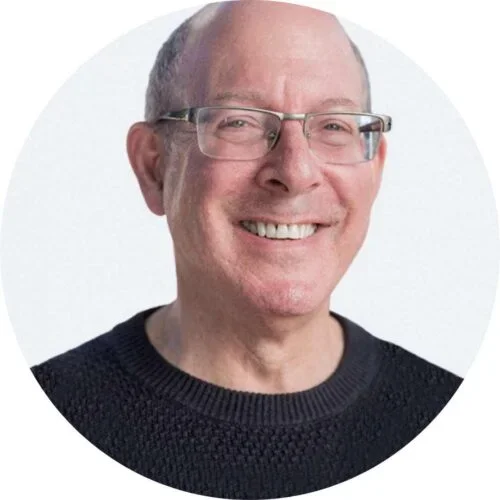
Andy Burness is an instructor in the Department of Social and Behavioral Sciences at the Harvard T.H. Chan School of Public Health, where he teaches the course “Practical Communication Strategies and Tactics for Influencing a Healthier World.”
Burness is also founder and president of Burness, a mission-driven global communications firm supporting nonprofits and the people they serve. The company has partnered with more than 600 nonprofit and governmental organizations over its more than 35 years.
Burness and his colleagues showcase solutions to the problems that cause poverty, hunger, disease and environmental degradation, often taking little-known ideas that can benefit humanity and developing communications strategies and tactics for taking these ideas to scale. The team’s unwavering mission is to help extraordinary people share their research and tell their stories for the good of the world.
In addition to his role at Harvard, Burness is currently on the faculty of The George Washington University’s School of Media and Public Affairs. He has also been an Adjunct Lecturer in Public Policy at the Harvard Kennedy School of Government.
Burness has a Bachelor of Arts Degree from Duke University and a Masters in Business Administration from the University of Maryland.
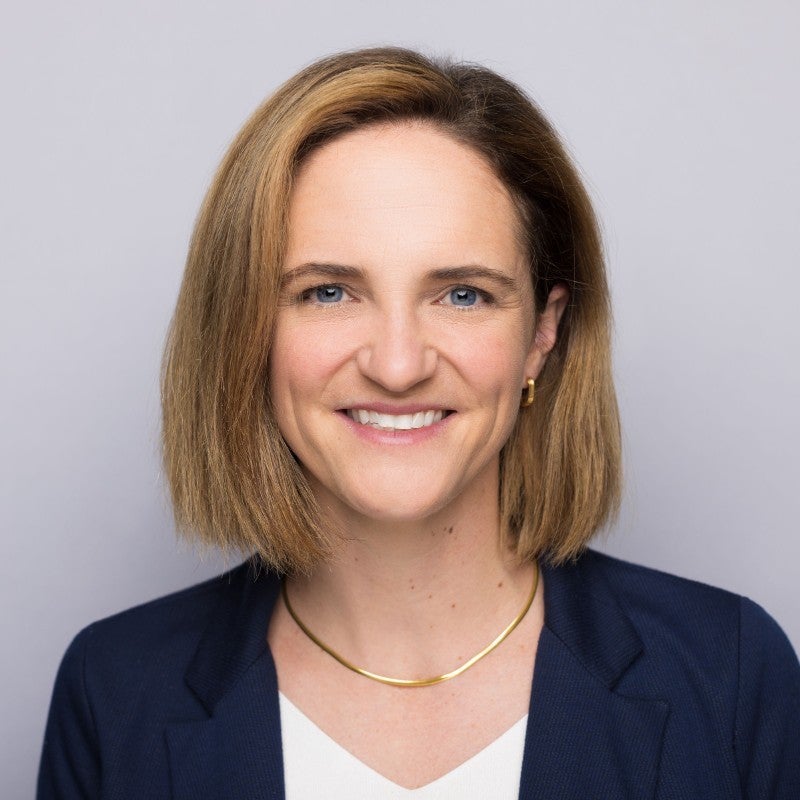
Michaela Kerrissey, PhD, MS, is an associate professor of management on the faculty at the Harvard TH Chan School of Public Health She is a leading expert in collaborative problem-solving, psychological safety, and high-quality conversation in healthcare organizations. Her research has been published in leading academic journals in both management and healthcare, such as Administrative Science Quarterly and Health Affairs. She has received Best Paper awards from the Academy of Management and the Interdisciplinary Network for Group Research and was listed in 2023 on Thinkers50 Radar, a global ranking of top management thinkers.
Dr. Kerrissey holds a BA from Duke University, an MS from the Harvard School of Public Health, and a PhD from Harvard University. She was awarded the Robertson Scholarship at Duke, a Hart Leaders Fellowship, and a Reynolds Fellowship at Harvard. Prior to her academic engagement, she was a consulting team leader at The Bridgespan Group, which was launched by Bain & Company.
Dr. Lindsay E. Rosenfeld is an Instructor in the Department of Social & Behavioral Sciences at the Harvard T.H. Chan School of Public Health and a social epidemiologist with research, practice, and policy interests focused on the social and structural determinants of health and child equity. She specializes in health literacy, families, children and youth with complex needs, and organization/systems change. Dr. Rosenfeld also holds appointments at the Heller School for Social Policy and Management at Brandeis University and Boston Children’s Hospital as well as consultancies in Greater Boston and across the country.
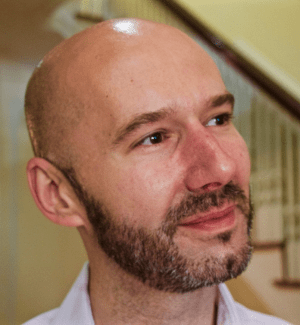
Dr. Pedja Stojicic is an Executive Director of People Power Health a group of community organizers and trainers focused on bringing the social movement and community organizing skills to healthcare professionals, caregivers, and healers. In the past, he was a Project Director at Rippel Foundation working with the Hospital Systems, RWJF, CMS, QIOs, Center for Public Health Leadership, Primary Care Progress, Way to Wellville, Healthcare Anchor Network and many others. As a life-long activist, he currently serves on the advisory board of Leading Change Network, one of the largest global networks of social movement leaders.
Originally from Serbia, Dr. Stojicic has served as president and executive director of Youth of JAZAS, a Serbian NGO fighting HIV/AIDS, and as a president of Serbia on the Move movement-building organization from Belgrade.
He earned his Master of Public Health (MPH) degree from the Harvard T.H. Chan School of Public Health and a Medical Degree from Belgrade University School of Medicine. Dr. Stojicic is an Adjunct Lecturer on Health Policy and Management at the Harvard T.H Chan School of Public Health. He currently teaches three courses – Enabling Teams, Enabling Large System Change, and Narrative Leadership.
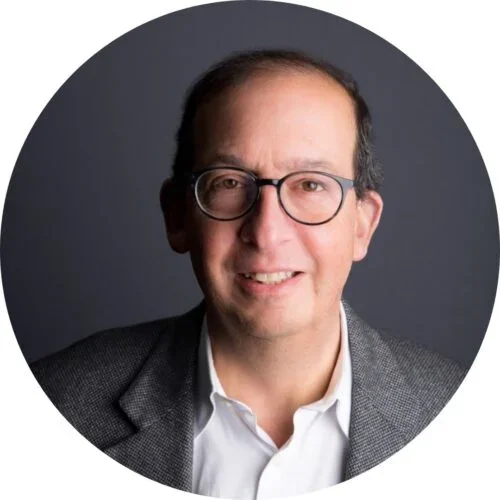
Dick Tofel is a distinguished visiting fellow in the Department of Social and Behavioral Sciences at the Harvard T.H. Chan School of Public Health, where he led a faculty seminar on “The Pandemic, the Press, and Public Health” and teaches a course on “Engaging with the Press.”
Dick is also the principal of Gallatin Advisory LLC. Prior to that, he was the founding general manager (and first employee) of ProPublica from 2007-2012, and its president from 2013 until September 2021. As president, he had responsibility for all of ProPublica’s non-journalism operations, including communications, legal, development, finance and budgeting, and human resources.
He serves on the board/advisory board of the American Journalism Project, the Center for Media Engagement at the University of Texas, Austin, the Center for News, Technology & Innovation, The Dial, Harvard Public Health magazine, Outlier Media, Outrider Foundation, Retro Report, the Shorenstein Center on Media, Politics and Public Policy at the Harvard Kennedy School and the Center for Media and Democracy in Israel.
Tofel is a graduate of Harvard College, Harvard Law School and the Harvard Kennedy School (masters in public policy).

Dr. K. “Vish” Viswanath is Lee Kum Kee Professor of Health Communication in the Department of Social and Behavioral Sciences at the Harvard T. H. Chan School of Public Health (HSPH) and in the McGraw-Patterson Center for Population Sciences at the Dana-Farber Cancer Institute (DFCI). He is also the Faculty Director of the Health Communication Core of the Dana-Farber/Harvard Cancer Center (DF/HCC). Other additional administrative and scientific leadership positions held by Dr. Viswanath include: Director of the Center for Translational Communication Science, DFCI; Director, Harvard Chan India Research Center and Director, Lee Kum Sheung Center for Health and Happiness, Harvard Chan. He is the founding Director of DF/HCC’s Enhancing Communications for Health Outcomes (ECHO) Laboratory.
Dr. Viswanath’s work is driven by two fundamental concerns: (a) how to center equity in drawing on translational communication science to promote health and well-being for ALL population groups, and (b) to involve community-based organizations and stakeholders through participatory research in promoting social change. The ultimate goal of the program of research in his lab is to influence public health policy and practice through knowledge translation and translational communication. His work draws from literatures in communication science, social epidemiology, dissemination and implementation, and social and health behavior sciences.