Cancer Implementation Science
A research program focused on applying implementation science to cancer prevention and control. Our goal is to support communities in Massachusetts in developing sustainable strategies and partnerships to make evidence-based cancer control more accessible.
Co-Investigators and Collaborators
Zinzi D. Bailey, ScD, MSPH is an Associate Professor at the University of Minnesota. Dr. Bailey is a social epidemiologist focused on the health impacts of and policy solutions for structural and institutional racism. She also studies the use of data in equitable policy and management. Her specific research focus identifies and characterizes the interconnected mechanisms between structural racism and observed health inequities in cancer, HIV, and aging, especially as they relate to the criminal legal system and housing policy. Dr. Bailey is a member of the Capacity-Building team for Mass-ACCERT, bringing practice and research-based expertise in community organizing for social justice to the team.
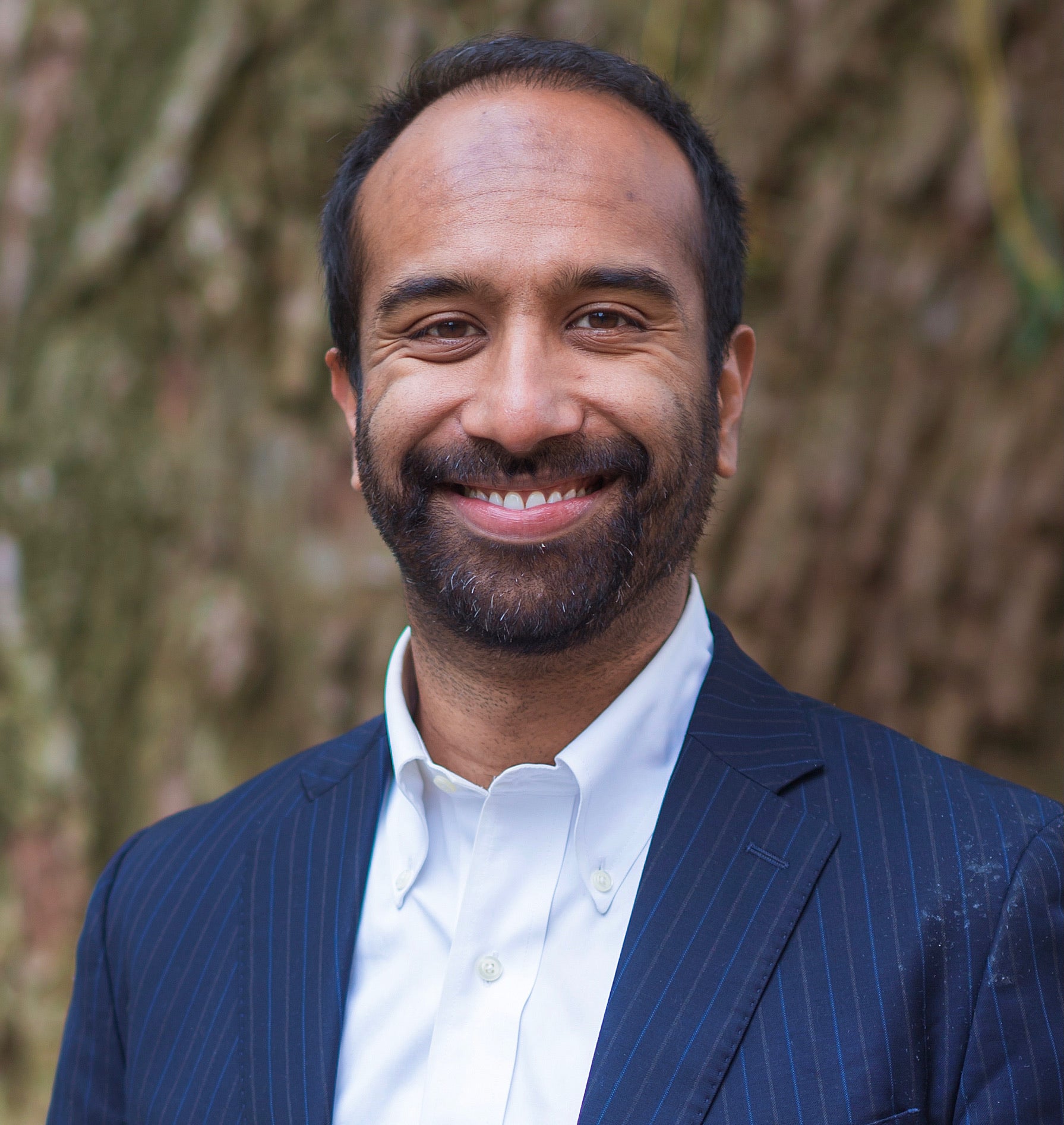
Gaurab Basu, MD, MPH is a physician and assistant professor of medicine in the Division of Global Health Equity at Brigham and Women’s Hospital, and assistant professor of global health & social medicine at Harvard Medical School (HMS). At Harvard T.H. Chan School of Public Health, he is an assistant professor of environmental health and faculty at the Center for Climate, Health, and the Global Environment (Harvard Chan C-CHANGE) and the Harvard FXB Center for Health and Human Rights. His work focuses on the intersection of climate change, global health equity, human rights, medical education, and public policy.
Dr. Basu has developed and evaluated numerous innovative health equity curricular programs. He received the inaugural HMS Equity, Social Justice, and Advocacy Faculty Award and the HMS Charles McCabe Faculty Prize in Excellence. He has been an HMS Curtis Prout Academy Fellow and a Harvard Macy Scholar. He previously co-founded the Center for Health Equity Education & Advocacy at Cambridge Health Alliance.
Dr. Basu is on the Capacity Building Team for Mass-ACCERT, supporting the inaugural “Connecting Cancer Research on Social Determinants to Civic Engagement” cohort.
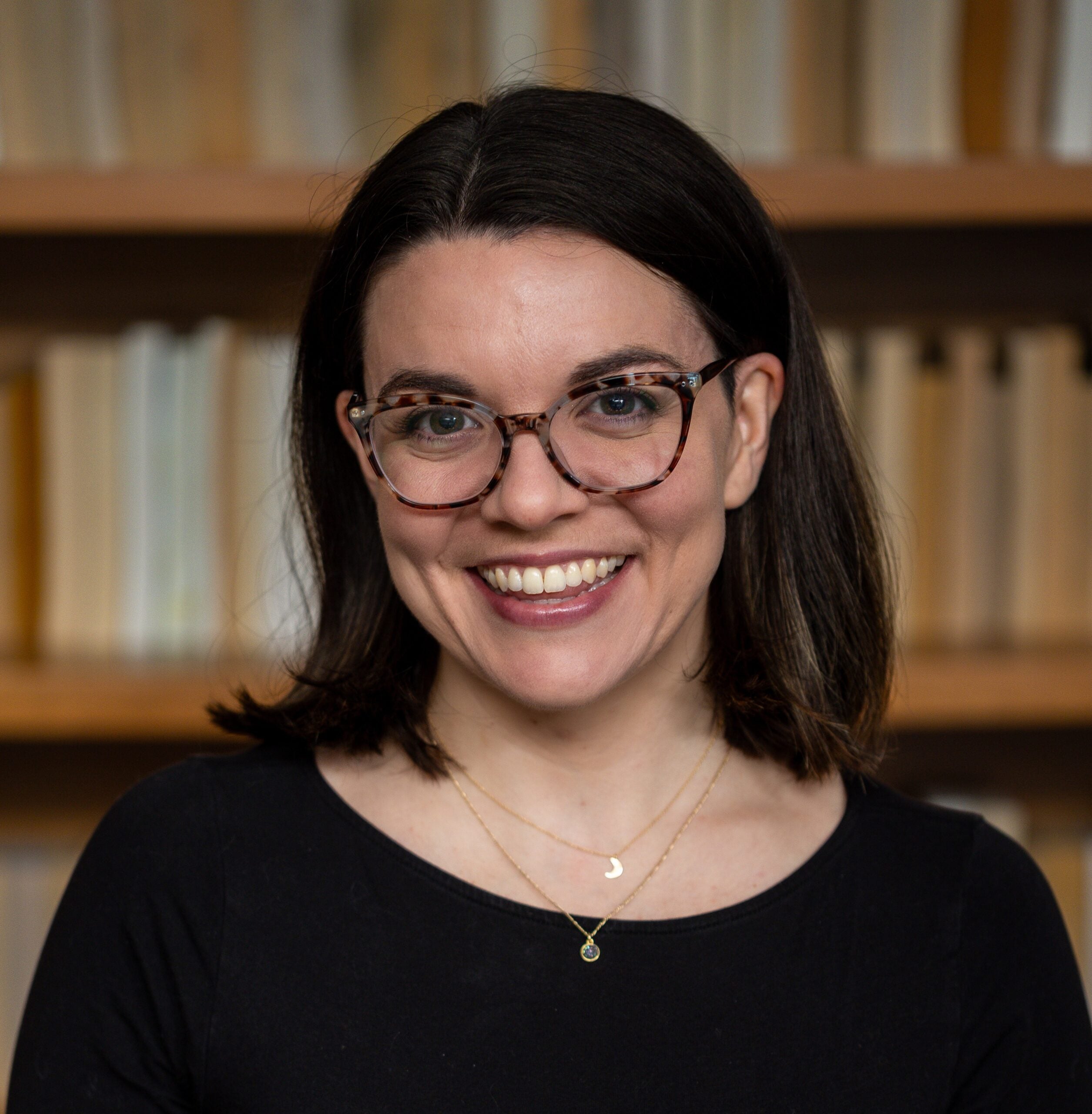
Johanna DeBari, MA is a scholar-practitioner who leads the implementation of a broad range of workforce development training initiatives to build a pipeline for development at Caring Health Center (CHC). She has over 10 years of experience designing learning environments and educational programs related to gender equity and intimate violence prevention, as well as direct advocacy work, in both non-profit, community-based, and university settings. She has training as a restorative justice facilitator and expertise as a trauma-informed practitioner. She earned her Bachelor’s in Sociology and Holocaust and Genocide Studies from Keene State College in 2014 and her Master’s of Arts in International Studies, with certificates in Human Rights and Feminist Studies from the University of Connecticut in 2016.
For Mass-ACCERT, Johanna is part of the Caring Health Center TMB Learning Institute team contributing to the development and implementation of the intervention curriculum training course entitled “Agents of Digital Access: Digital Navigator Course.
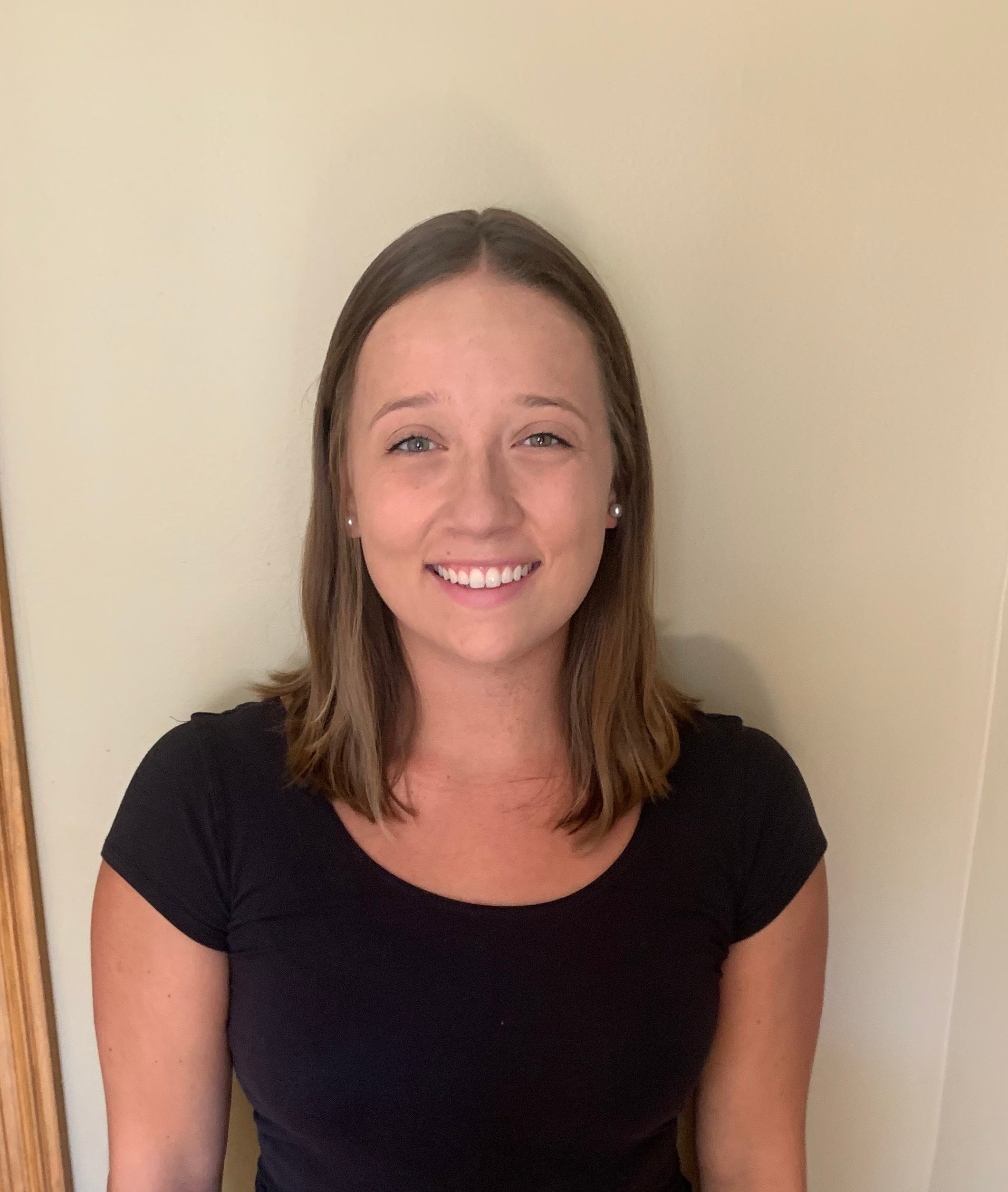
Michelle Fredericks, MPH is a Data Analyst with the Survey and Qualitative Methods Core at Dana-Farber Cancer Institute. Michelle received her Master of Public Health degree with a concentration in epidemiology and biostatistics from Boston University School of Public Health and her undergraduate degree in Health Policy and Management from Providence College.
Michelle was part of the Evaluation Unit for ISCCCE where she helped provide data management and analysis support for various projects. She now continues to provide data management and analytical support for Mass-ACCERT, as a data analyst in the RMMDM Core, and MCPCRN.
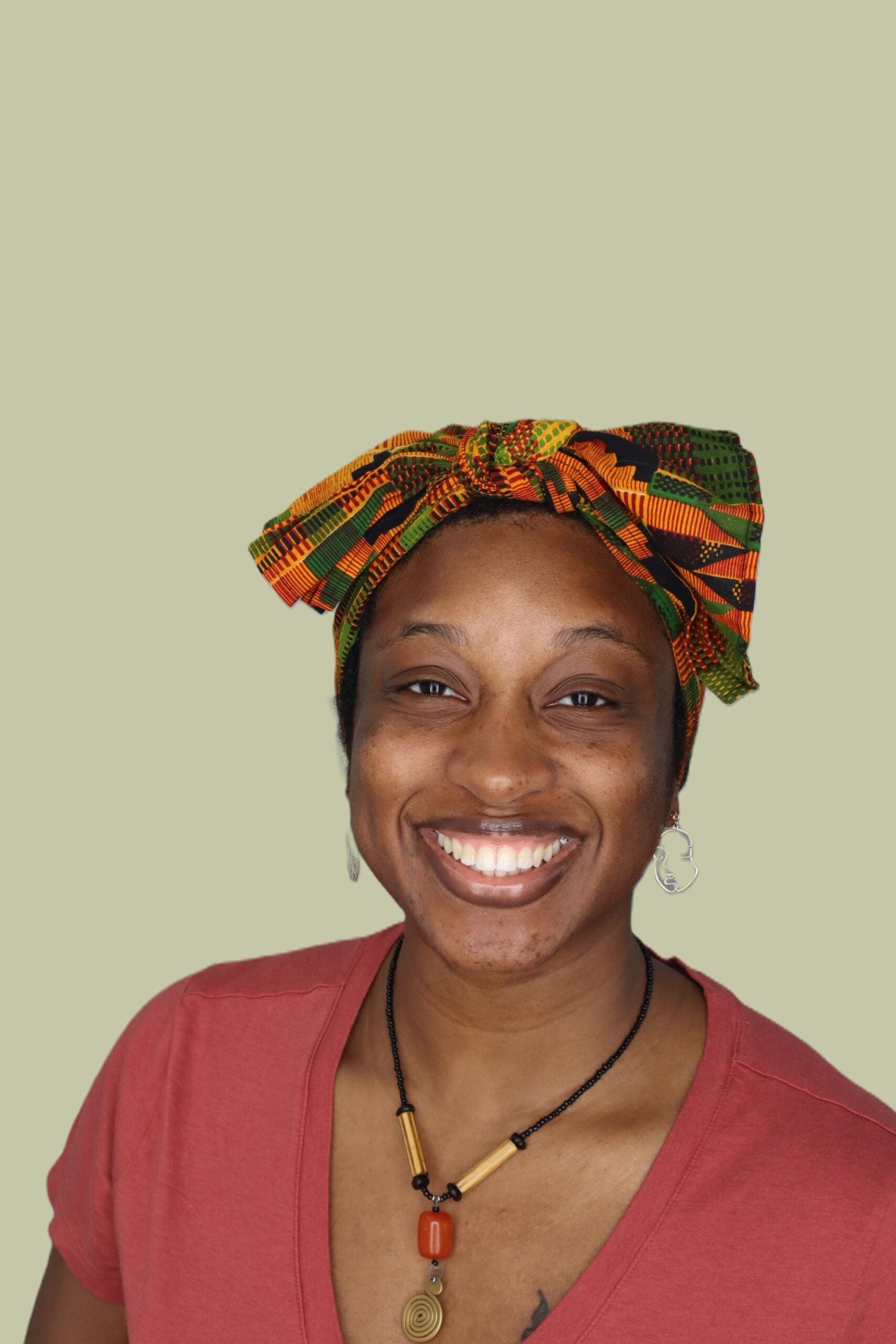
Davine Holness, LICSW (she/her) is a consultant who serves as a member of the Capacity Building Team for the Mass ACCERT (Massachusetts Center for Advancing Cancer Control Engaged Research Through Transformative Solutions) project. She is a Clinical Social Worker, clinical supervisor, and Community of Practice facilitator. Her professional and lived experience inform both her direct service work with marginalized populations, and her research work to address Structural Determinants of Health (SDOH). Alongside other members of the Capacity Building Team, she co-leads a cohort with the goal of strengthening community-academic partnerships to better address SDOH in cancer outcomes. Within this project, her focus is on ways of building trusting relationships that empower impacted communities. Her previous work included serving as the Clinical Director of Boston GLASS (a community center for LBGTQ+ Youth of Color), and co-investigating on a project to examine how lived experience practitioners tailor evidence-based interventions to meet the specific needs of LGBTQ+ Youth of Color.

Lynn N. Ibekwe-Agunanna, PhD, MPH is an Assistant Professor in the Department of Social and Behavioral Sciences and the Advancing Implementation & Improvement Science (AIIS) program at the Peter O’Donnell Jr. School of Public Health at UT Southwestern Medical Center in Dallas, Texas. She also holds a secondary appointment at the Harold C. Simmons Comprehensive Cancer Center.
Dr. Ibekwe-Agunanna is an interdisciplinary public health researcher whose work integrates social and behavioral sciences, implementation science, and health services research to understand and address health disparities in the U.S., with a particular focus on racial inequities in cancer prevention, early detection, and related outcomes across the cancer care continuum.
Working in partnership with community, clinical, health system, and multidisciplinary research collaborators, her primary lines of research include: (1) examining how social, economic, structural, and contextual conditions influence cancer screening behaviors, care processes, and related outcomes; and (2) developing and testing strategies to improve equitable access to and delivery of evidence-based cancer screening and other prevention and control interventions.
Prior to joining UT Southwestern, Dr. Ibekwe-Agunanna completed a National Cancer Institute (NCI) T32 Postdoctoral Fellowship in Cancer Prevention at the Harvard T.H. Chan School of Public Health. She earned her PhD in Behavioral Sciences from…

Eric Leslie is the founder and lead organizer of Union Capital (unioncapital.org). Originally from Cambridge, MA, Eric began his career as a community organizer in Baltimore and New York City with the Industrial Areas Foundation. Eric later joined Teach For America and taught in North Philadelphia, serving as principal of KIPP Philadelphia Charter School from 2008-2012. Eric returned home to attend the Mid-Career MPA program at the Harvard Kennedy School of Government in 2013 and founded Union Capital the following year. Founded in 2014, Union Capital’s mission is to transform social capital into opportunity by rewarding community engagement. UC’s innovative approach combines technology and relationship building to strengthen neighborhood networks, build social capital, and create new pathways of opportunity for individuals and community. He lives back in Cambridge again with his wife and two daughters.
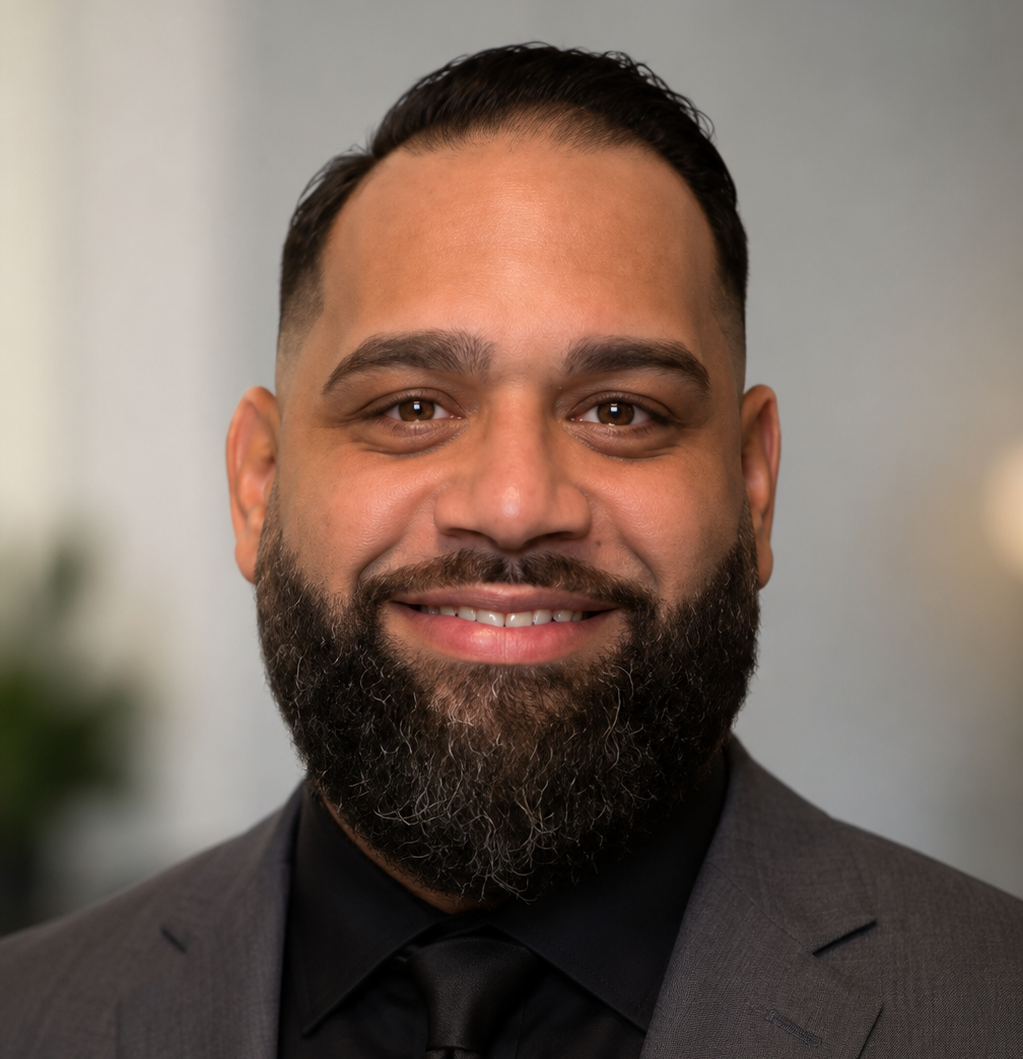
Roberto “Tito” Martinez is Union Capital’s Director of Springfield. He has a deep-rooted passion for community and the power of social capital. Born and raised in Springfield, Tito is a proud Puerto Rican who also spent four years living in Puerto Rico, where he completed high school. From a young age, Tito was inspired by his father, a long-time business owner in Springfield who worked closely with the local community. At just 13, Tito experienced a life-changing moment when his mother tragically passed away in a car accident. In the wake of this loss, the love and support from the community—through flowers and gifts left at their home and business—opened his eyes to the power of social capital.
In May 2022, he joined Union Capital after partnering with Eric Leslie, Union Capital’s founder, for a program. This partnership deepened his involvement with Union Capital, and it was decided that Union Capital Boston would expand to Springfield. Union Capital Springfield officially launched on September 30, 2023.
Tito is responsible for hosting Network Nights each month and organizing various events with local partners. Tito works closely with Network Coordinators to ensure that members receive the resources and support they need to thrive. Tito’s dedication to building connections and fostering social capital continues to inspire him as he helps others do the same.
Tito supports the Mass-ACCERT partnership with Union Capital.
Catherine Nagawa, PhD is a behavioral epidemiologist based in the Department of Health Promotion Sciences and the TSET Health Promotion Research Center at the University of Oklahoma Health Campus. She uses quantitative and qualitative research methods to identify behavior change strategies that promote sustained health behavior change in cancer prevention and control, with a focus on tobacco use and patient care engagement. Her current project seeks to bridge gaps in tobacco treatment for individuals with mental health disorders. Previously, she explored the role of social support in helping individuals with mental health conditions overcome cessation challenges as they attempted to quit tobacco use. Dr. Nagawa is an investigator conducting mixed-methods research on barriers to tobacco cessation implementation in community health centers as part of MCPCRN.

Hannah Ndungu, MPH is a first-generation college graduate of Kenyan descent. She is the Project Manager of the Office for Workforce Development & Training / Tania M. Barber Learning Institute (TMB LI) at Caring Health Center (CHC). She is responsible for the strategic implementation of workforce training projects on scope, on budget, and on time, and oversees training on the job and workforce development programs. Hannah earned her Master’s degree in public health and graduated with honors from American International College (AIC). Hannah also has over 5 years of experience working in non-profit organizations in promoting the resilience and empowerment of women of color, families & communities. As an educator, she also has experience in teaching and loves bringing learning to life for children and adolescents through creating curriculum, organizing and facilitating age-appropriate, thematic-based activities and educating them on critical life skills across classrooms, after school programs and in summer camps.
For Mass-ACCERT, Hannah is part of the CHC TMB Learning Institute team contributing to the development and implementation of the intervention curriculum training course entitled “Agents of Digital Access: Digital Navigator Course.”
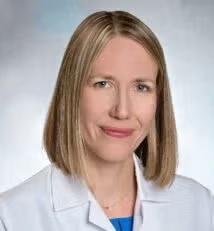
Lydia Pace, MD, MPH is a primary care physician and a researcher in the Division of Women’s Health at Brigham and Women’s Hospital. Her research focuses on advancing equity in delivery of women’s healthcare services, including cancer screening, in both the United States and in limited-resource settings around the world. She is the recipient of National Cancer Institute funding to examine breast cancer care quality and implementation of early detection programs in Rwanda, where she lived from 2011-2014 and continues to work. She also partners with the World Health Organization’s Global Breast Cancer Initiative. Dr. Pace also leads policy research and clinical initiatives to improve access to high-quality contraceptive care in the United States. She directs the Connors Center’s Global Women’s Health Fellowship. Clinically, she practices primary care at the Jen Center for Primary Care at Brigham and Women’s Hospital and cares for women at elevated risk of developing breast cancer in the BWH Breast Cancer Risk Assessment, Education and Prevention (B-PREP) program.
Dr. Pace directed the ISCCCE I-lab, oversees the Implementation Learning Community and supports implementation for MCPCRN and Mass-ACCERT.
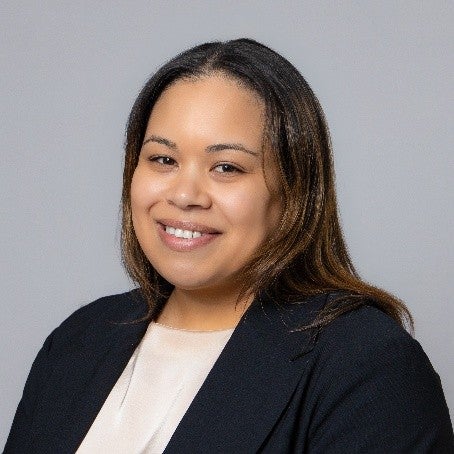
Jessica Pagan, LICSW is a Licensed Independent Clinical Social Worker and a dynamic leader in the field of community behavioral health. For over a decade, she has been deeply committed to advancing behavioral health equity, integrating trauma-informed care, and promoting culturally responsive mental health services for individuals, families, and communities across Massachusetts. As a bilingual social worker, she maintains a strong foundation in clinical practice, program leadership, and systems-level change, with a focus on supporting underserved and high-risk populations.
Currently, serving as the Senior Manager of Behavioral Health Integration at the Massachusetts League of Community Health Centers, where she leads statewide behavioral health training and technical assistance initiatives across federally qualified and hospital licensed health centers. Her work centers on developing trauma-informed, socially just, and clinically integrated programs that address workforce development, clinician burnout, and behavioral health access. Facilitating peer learning forums, conducting site visits, and collaborating with strategic partners to improve behavioral health integration and policy alignment.
Throughout her career, she has contributed to the design, implementation, and evaluation of programs funded by local and state grants. Jessica provides support for the MCPCRN behavioral health study.
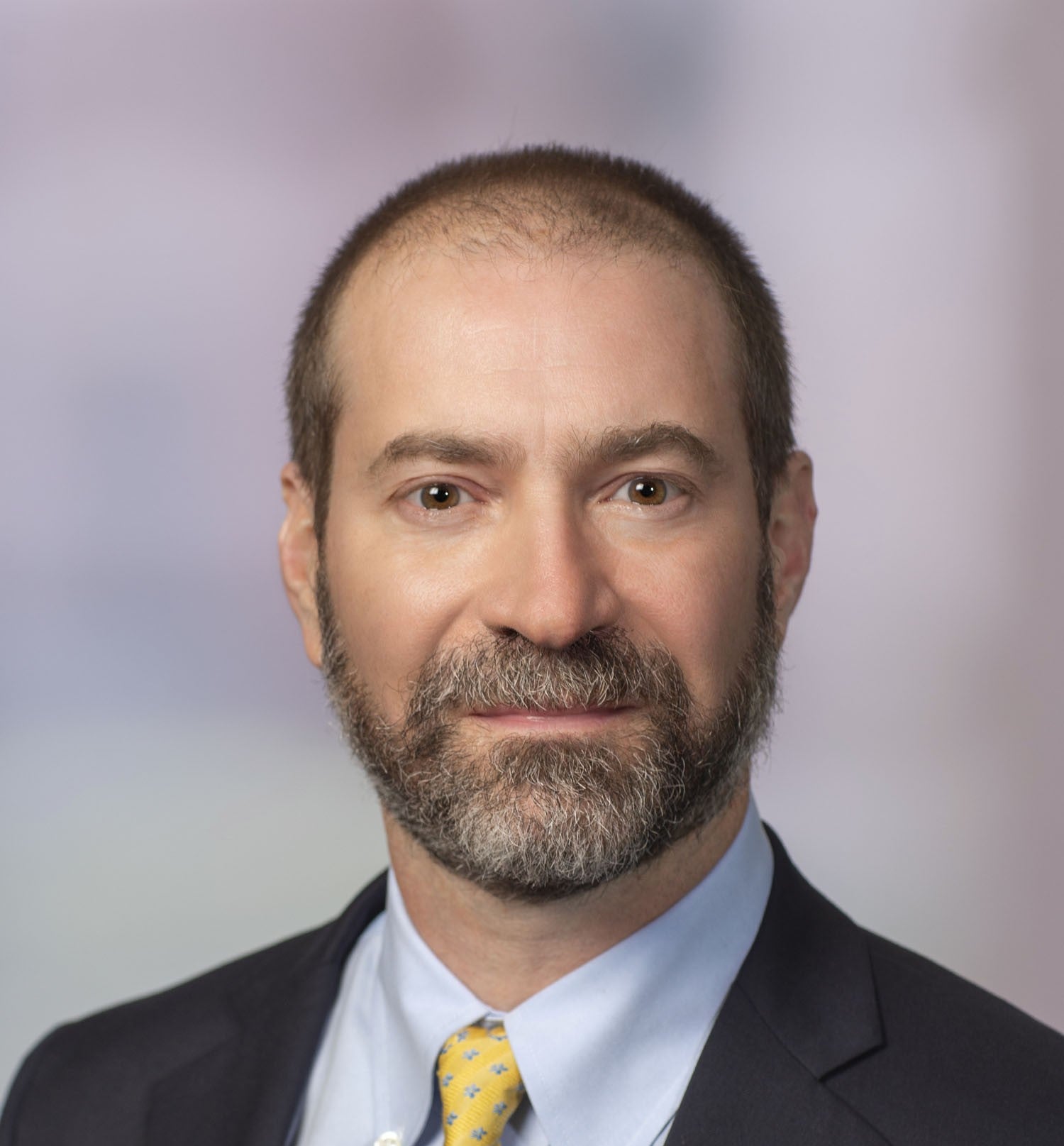
Paul Pirraglia, MD, MPH is the Chief of the Division of General Medicine and Community Health at Baystate Health, an Associate Professor of Medicine at the University of Massachusetts Medical School-Baystate, and the Co-Chief Medical Officer of the BeHealthy Partnership Medicaid Accountable Care Organization. He is a general internist who does health care administration, primary care for adults, medical education, and research. He majored in Psychology at Johns Hopkins University as an undergraduate, received his MD degree with honors in research from Cornell University Medical College, did his residency training at Brown University/Rhode Island Hospital, and has an MPH from the Harvard School of Public Health. His research has focused on systems of care for those with complex, overlapping medical and psychiatric conditions as well as to traditionally under-resourced/underserved populations.
Dr. Pirraglia is the Site Principal Investigator for Baystate Health’s participation in Mass-ACCERT.

Vrinda Prakash, MPH, BDS is Vice President of Research and Population Health at Caring Health Center (CHC), a Federally Qualified Health Center (FQHC) in Springfield, MA. CHC’s Research and Population Health department manages a portfolio of federal and state-funded grants and partners with academic and community collaborators to advance implementation science and FQHC-led research grounded in the needs of the communities CHC serves. Vrinda leads several of the department’s community-based and community-led research and public health initiatives, with work centered on research-to-practice translation and implementation science. She oversees research administration and program implementation at CHC and brings expertise in program evaluation, grants management, quantitative data analysis, and community-based participatory research, all in service of addressing health inequities through evidence-based practices that improve healthcare access and outcomes. She holds a Bachelor of Dental Surgery from Rajiv Gandhi University of Health Sciences in India and a Master of Public Health in Epidemiology from the University of Massachusetts Amherst.
For Mass-ACCERT, Vrinda is part of the CHC research team supporting the oversight of the development and implementation of the community health center-based social determinants of health (SDH) intervention.
Emily C. Repasky, MA is a Qualitative Researcher in the Advancing Implementation and Improvement Science (AIIS) program at the O’Donnell School of Public Health at UT Southwestern Medical Center in Dallas, Texas. She holds an M.A. in Anthropology from Texas State University, where she received comprehensive training in qualitative and mixed methods research methodologies. Since joining UT Southwestern in 2022, she has led multidisciplinary research teams through rigorous qualitative data collection and analysis for several implementation science, population health, and social-behavioral health studies. She specializes in qualitative data collection and analysis techniques and regularly supports investigators with qualitative study design, manuscript development, and other dissemination activities.
Emily provides project coordination and qualitative methods support for the facilitation team on the Mass-ACCERT Gateway to Health study.
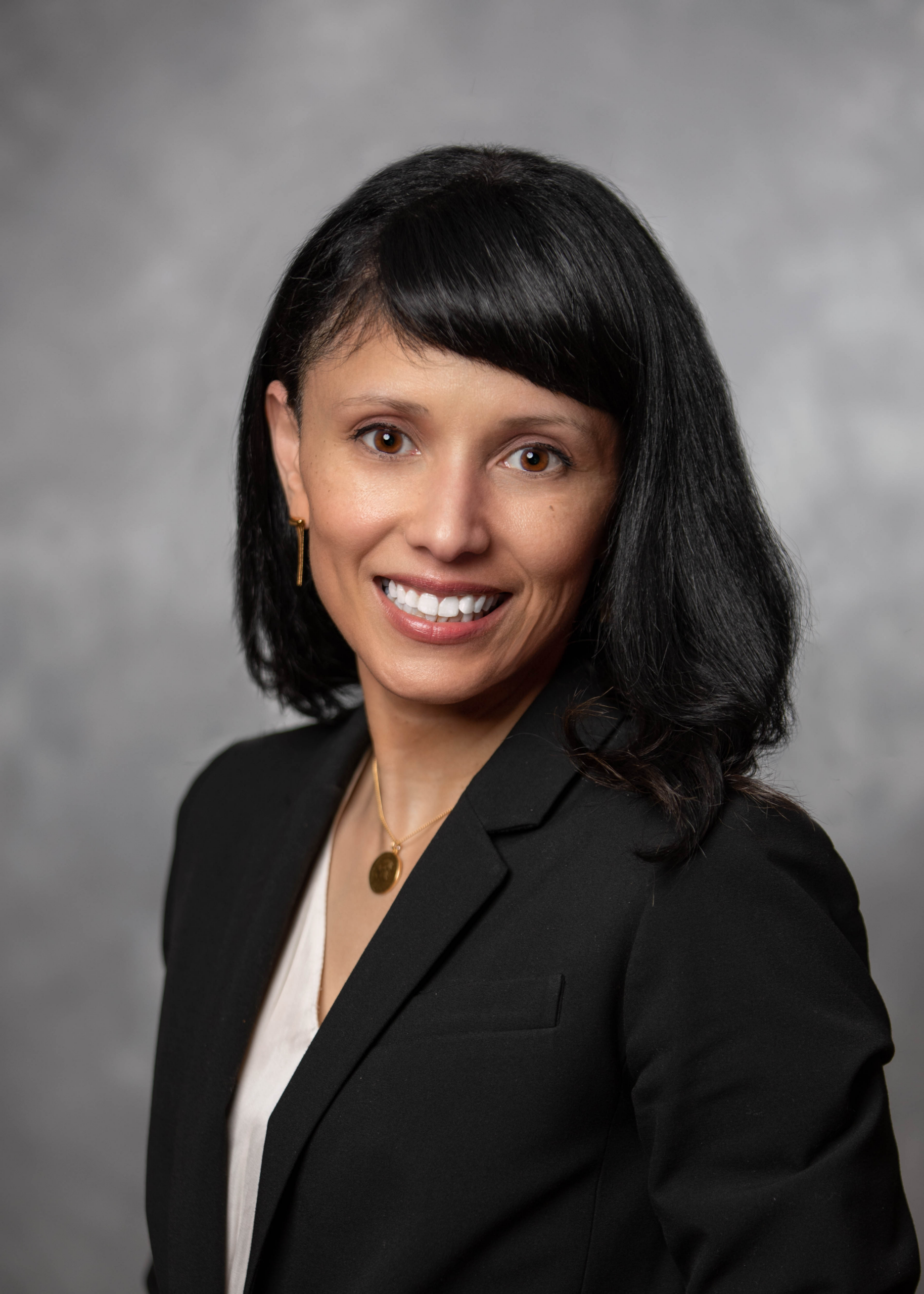
Dr. Yedalis Ruíz is an educational researcher and scholar/practitioner with 22 years experience working in community educational programming, STEM education, assessment and evaluation. Dr. Ruiz leads the development and implementation of a workforce development model designed to enhance the success, retention, and personal development of Caring Health Center’s employee community. Dr. Ruíz earned her bachelor’s degree in psychology and education from Mount Holyoke College and graduated with honors and Phi Beta Kappa. She holds a master’s degree in policy studies, and a PhD in Education, Policy, Research and Administration concentrating on urban education with an emphasis on first generation students and adult learners, both from UMass Amherst. She is a quantitative and qualitative researcher, trained in educational program evaluation and assessment methodologies. Dr. Ruíz is a faculty affiliate at UMass Amherst’s College of Education and teaches courses on professional practice and career development. She has been adjunct professor for the American Women’s College at Bay Path University since 2013. She has presented nationally at research conferences and is a published author.
For Mass-ACCERT, Dr. Ruiz is the lead scholar practitioner designing and implementing the intervention curriculum training course entitled “Agents of Digital Access: Digital Navigator Course.”
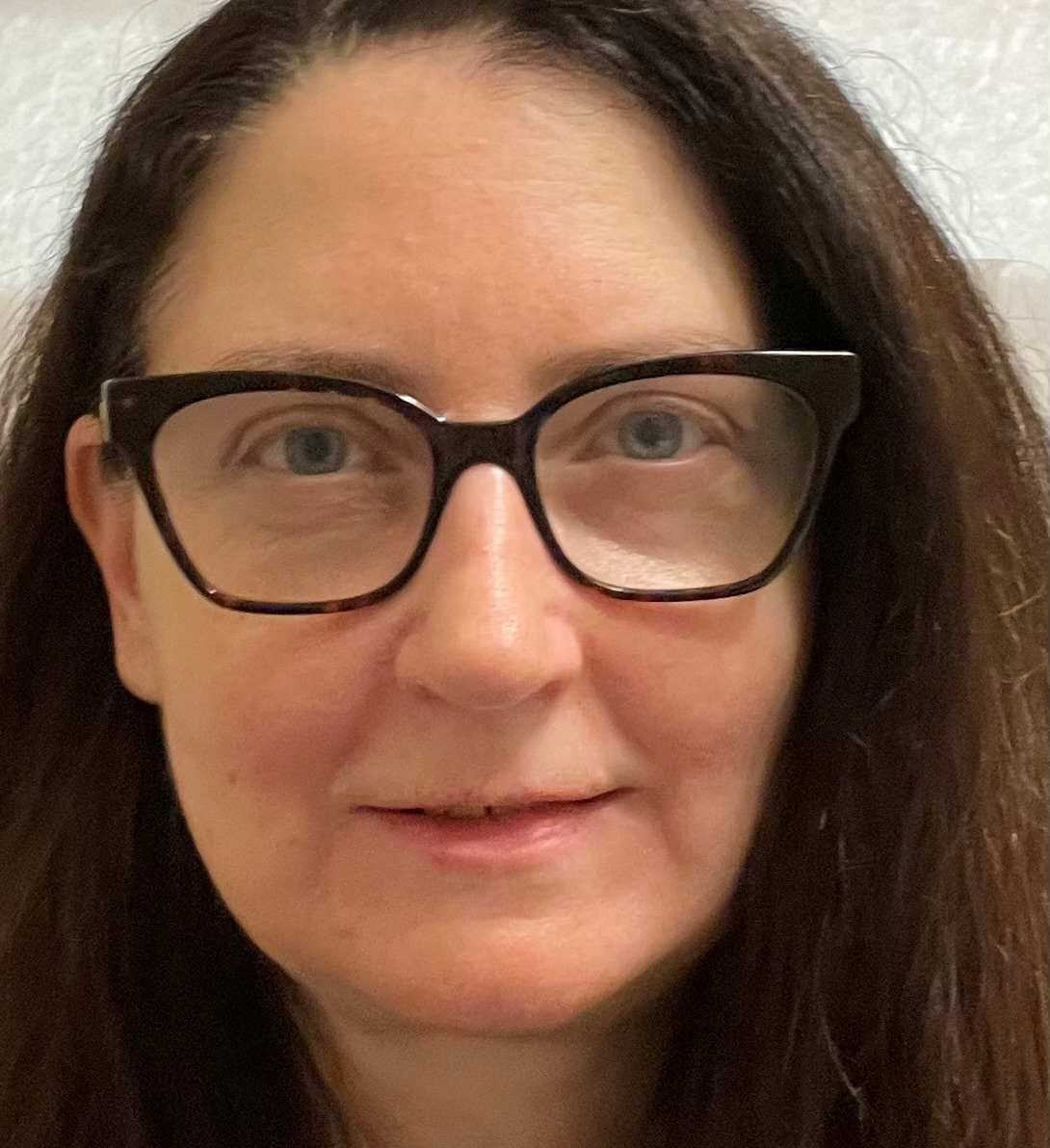
Michelle Rys is a Sr. Project Manager at Caring Health Center (CHC), where she designs digital navigation workflows that help patients build the skills needed to use technology and online tools to access healthcare, while also guiding organizational strategic project management efforts in collaboration with executive leadership. She previously served at CHC as a telehealth program manager while overseeing community health worker initiatives with a focus on developing social care training and programming. Before joining CHC, Michelle built a career in medical technology through progressively senior technical and managerial roles, beginning as a software trainer traveling to clinical institutions throughout the US and Puerto Rico to teach users enterprise medical software, later managing technical trainers and implementation engineers, and ultimately leading a professional services department. Michelle holds a bachelor’s degree in Political Science from the University of Massachusetts and lives in Connecticut.
Michelle is a Senior Project Manager for Mass-ACCERT and participates on the digital intervention training team. She deploys community engagement integration strategies and digital access training and workflows.