National Studies on Air Pollution and Health
The National Studies on Air Pollution and Health (NSAPH) harnesses the power of data science to understand emerging threats, develop innovative solutions, and promote evidence-based policies at the intersection of climate change, air pollution, and human health.
677 Huntington Ave, Boston, MA 02115
Meet Our Members
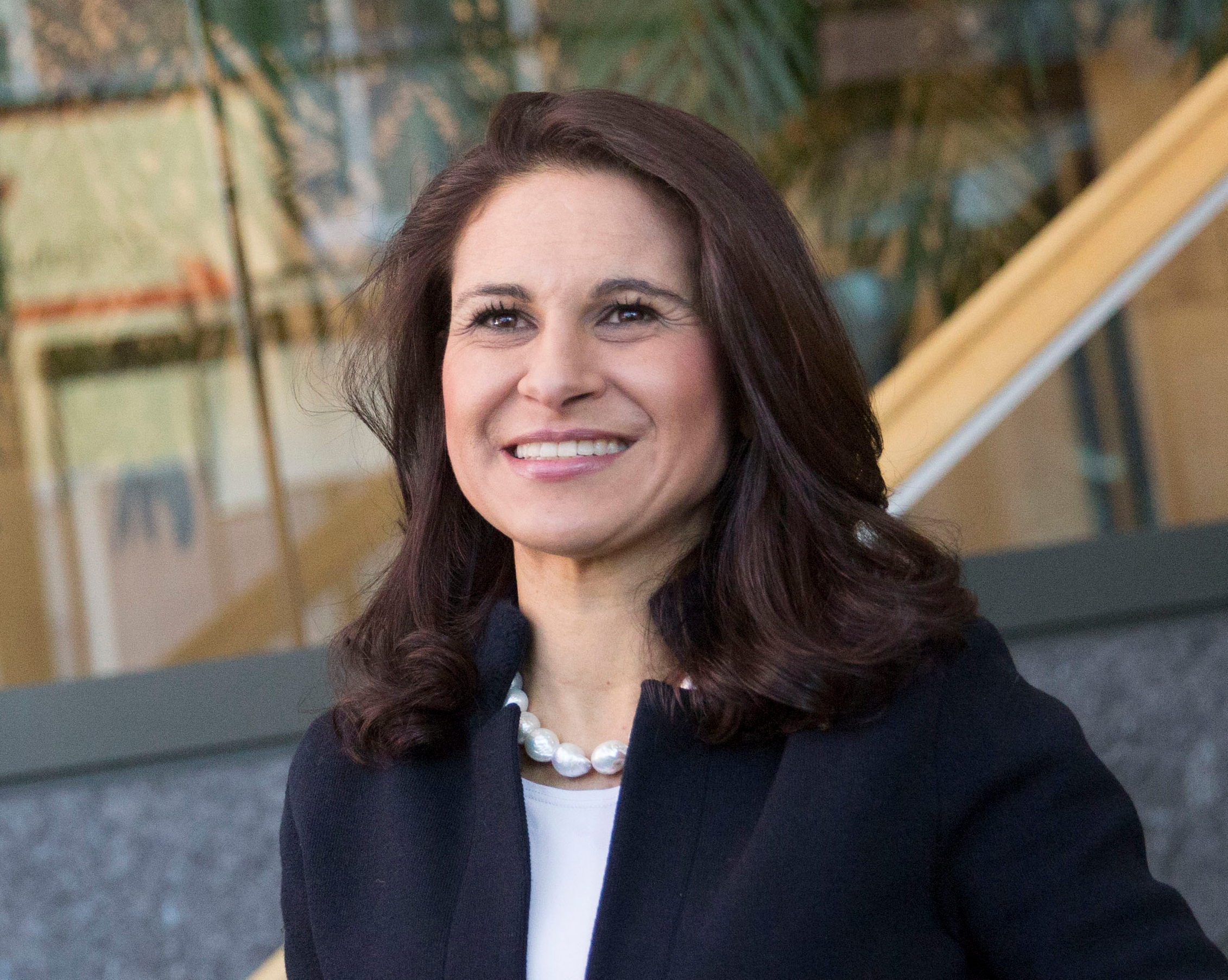
Dr. Francesca Dominici is the Clarence James Gamble Professor of Biostatistics, Population and Data Science at the Harvard T.H. Chan School of Public Health and Director of the Harvard Data Science Initiative at Harvard University. She is a member of the National Academy of Medicine and of the International Society of Mathematical Statistics. In 2024, she was named by TIME100 Health as one of the most influential scientists in global health in the world. Before being appointed founding Director of the Harvard Data Science Initiative, she was Senior Associate Dean for Research at the Harvard TH Chan School of Public Health. Dr. Dominici is also the founder and lead Principal Investigator (PI) for the National Studies on Air Pollution and Health Group (NSAPH), as well as a co-founding PI and leader for the BUSPH-HSPH Climate Change and Health Research Coordinating Center, CAFÉ.
Dr. Dominici’s research has focused on machine learning, Artificial Intelligence, causal inference, and data science to impact climate and environmental policy. Her air pollution studies have directly and routinely impacted air quality policy, leading to more stringent ambient air quality standards in the U.S. Her work has been covered by the New York Times, the Los Angeles Times, the BBC, the Guardian, CNN, and NPR.
Among her most recent awards, she was recognized as the Mosteller Statistician of the Year by the Boston Chapter of the American Statistical Associa…
Danielle Braun is a Principal Research scientist in the Biostatistics Department at the Harvard T.H. Chan School of Public Health and at the Department of Data Science at Dana-Farber Cancer Institute. Her areas of research include risk prediction, genetic epidemiology, measurement error, survival analysis, frailty models, clinical tool development, causal inference, and environmental health. As a Principal Research Scientist Danielle co-leads the BayesMendel lab and is Director of Data Science for Environmental and Climate Health in the NSAPH group.
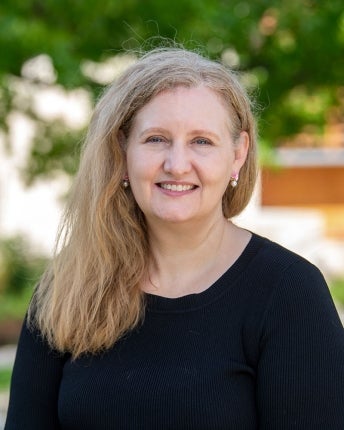
Prof. Michelle Bell is an environmental epidemiologist at Yale University in the School of the Environment.

Falco is an Assistant Professor in the Department of Biostatistics at the University of California, Los Angeles (UCLA) and a visiting scientist at Harvard University.
His research interests are primarily in methodological and applied (bio)statistics with a focus on applications of causal inference and artificial intelligence in public health and medicine.
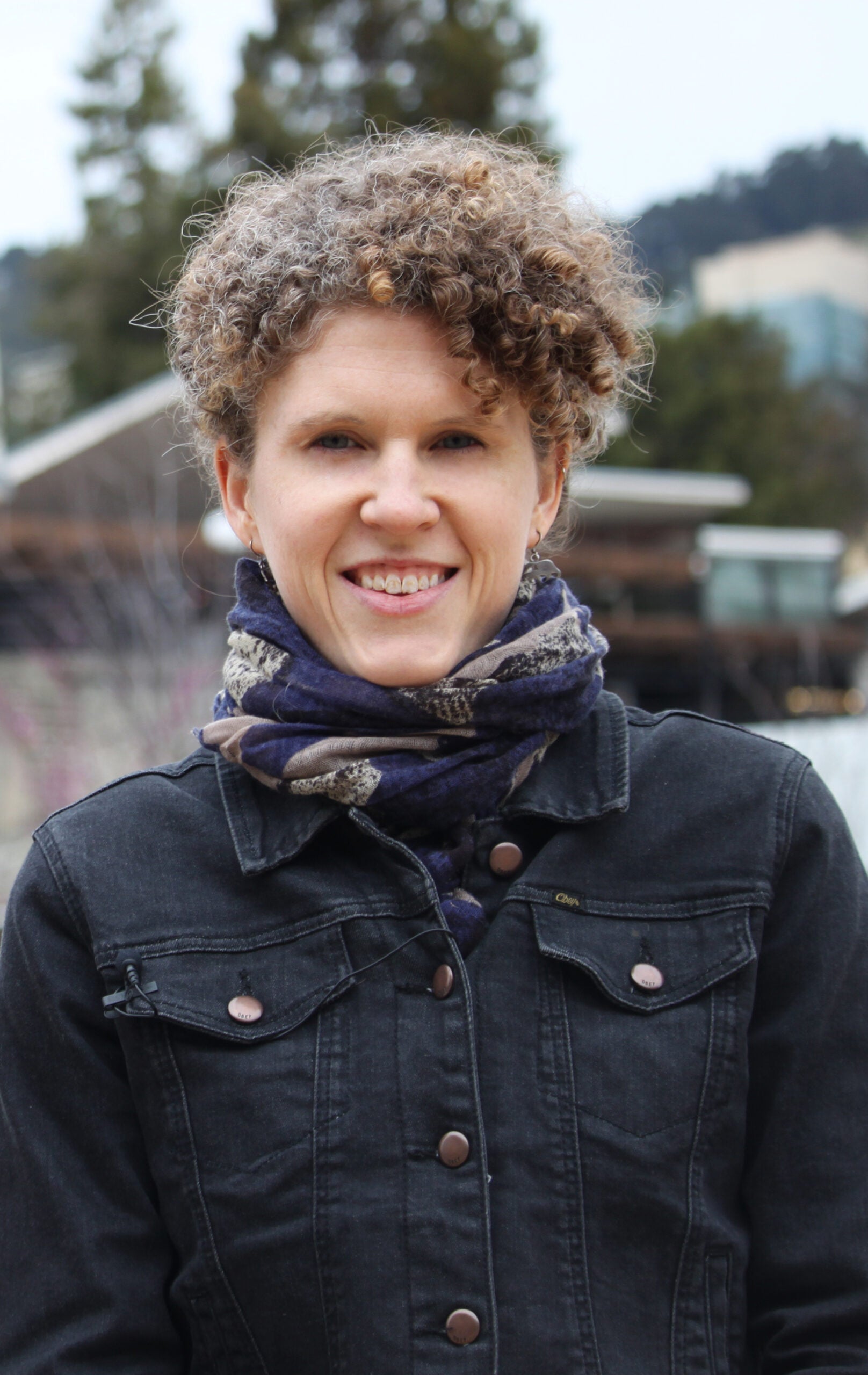
Joan A. Casey received her doctoral degree from the Department of Environmental Health Sciences at Johns Hopkins Bloomberg School of Public Health in 2014. Dr. Casey is an environmental epidemiologist who focuses on aging, environmental justice, and sustainability. She considers vulnerable populations and the implications of health disparities, particularly in an era of climate change. Dr. Casey also holds a BS in Biological and Environmental Engineering from Cornell University and an MA in Applied Physiology from Teachers College at Columbia University.
Dr. Helen Suh is a Professor in Civil and Environmental Engineering at Tufts University. Dr. Suh is an internationally recognized expert in environmental epidemiology and has led multidisciplinary research teams for over 25 years. Her research is focused on the association of air pollution and neighborhood characteristics on cognitive decline and dementia, and cardiorespiratory health and the impact of extreme weather events on community health resiliency. Within the past five years, Dr. Suh has conducted research studies funded by the National Institutes of Health and has served on study sections for the U.S. National Institutes of Health and as an expert witness for the U.S. Department of Justice. Dr. Suh graduated from the Massachusetts Institute of Technology, with an SB in Biology in 1985, and from Harvard University, with an MS and ScD in Environmental Health in 1990 and 1993, respectively. Dr. Suh is a member of the International Society of Environmental Epidemiology.
Joseph Antonelli is an assistant professor in the Department of Statistics at the University of Florida. He completed his PhD in Biostatistics at Harvard University, where he also completed three years of postdoctoral training. He has a broad interest in statistics, but most of his research has centered around high-dimensional modeling, flexible Bayesian models, causal inference, and spatial statistics. He has applied his methodological research to a number of problems in environmental health and criminology.
Chirag Patel’s long-term research goal is to solve problems in human health and disease by developing computational & statistical approaches to reason over large-scale environmental exposure and genomic data.
Sharon-Lise Normand, Ph.D., is S. James Adelstein Professor of Health Care Policy (Biostatistics) in the Department of Health Care Policy at Harvard Medical School and Professor in the Department of Biostatistics at the Harvard School of Public Health. Dr. Normand is a recognized authority on the development of statistical methodology for clustered observational data and has played an essential role in emphasizing the importance of statistics in assessing the quality of healthcare. She has made innovative research contributions to statistical methodology for combining information for provider profiling, for meta-analysis, and to causal inference for assessing the quality and effectiveness of healthcare services.
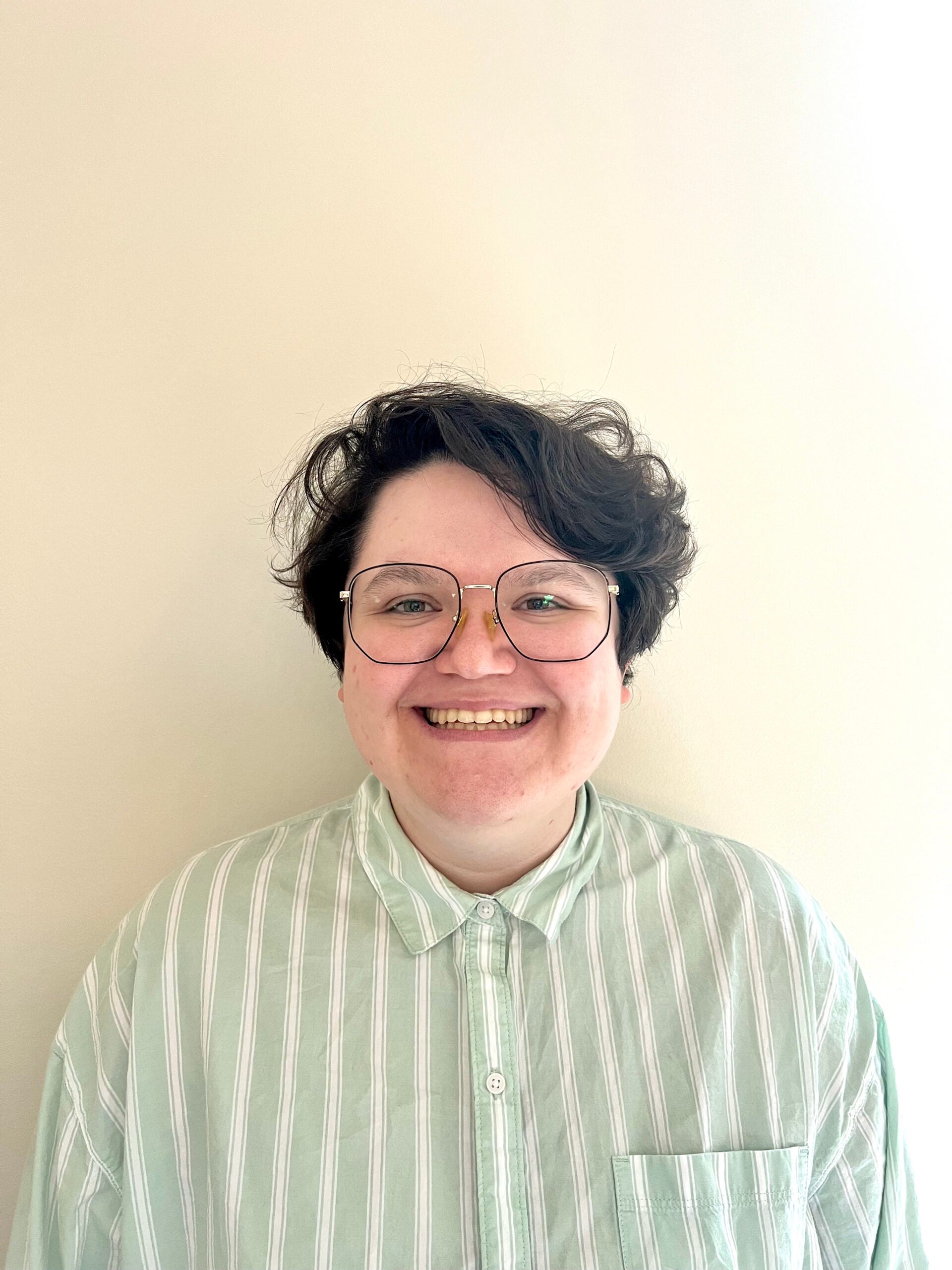
Catherine Adcock is the Program Coordinator at the National Studies on Air Pollution and Health (NSAPH) lab and the Harvard Data Science Initiative (HDSI). She provides administrative support to NSAPH, the HDSI, the Harvard Data Science Review, and to Dr. Francesca Dominici in her roles as faculty director of the HDSI and Professor of Biostatistics. Catherine graduated from Capital University with a BA in History.
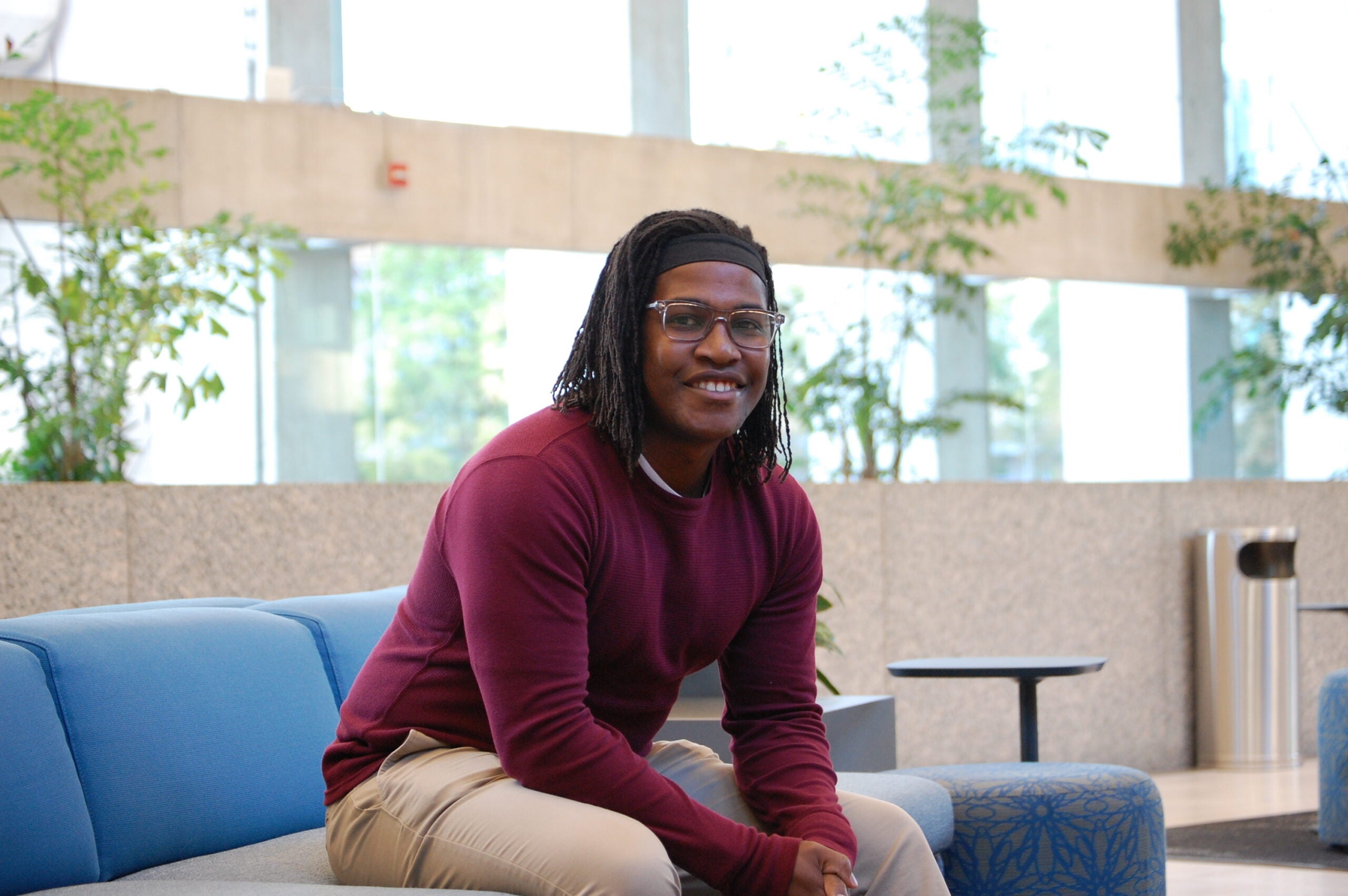
Tinashe is a Programmer on the NSAPH Data Science team and Research Software Engineer for the Golden Lab Planetary Health Research Group. In addition to his work in psychology, Tinashe has experience as a data scientist in People Analytics, where he worked on NLP and text mining solutions geared to improve employee success, and as a data scientist in Real World Oncology Data (RWD) at ConcertAI, where he developed dashboards for pharmacovigilence of Adverse Events related to cancer treatment exposure.
Tinashe is an advocate for the growing importance of the Research Software Engineer role in the scientific arena. He holds a mentorship position in the official Data Science Learning Community, and is staff writer on the US chapter of the Research Software Engineers Association (US-RSE), where he publishes monthly newsletters and think pieces about research software engineering.
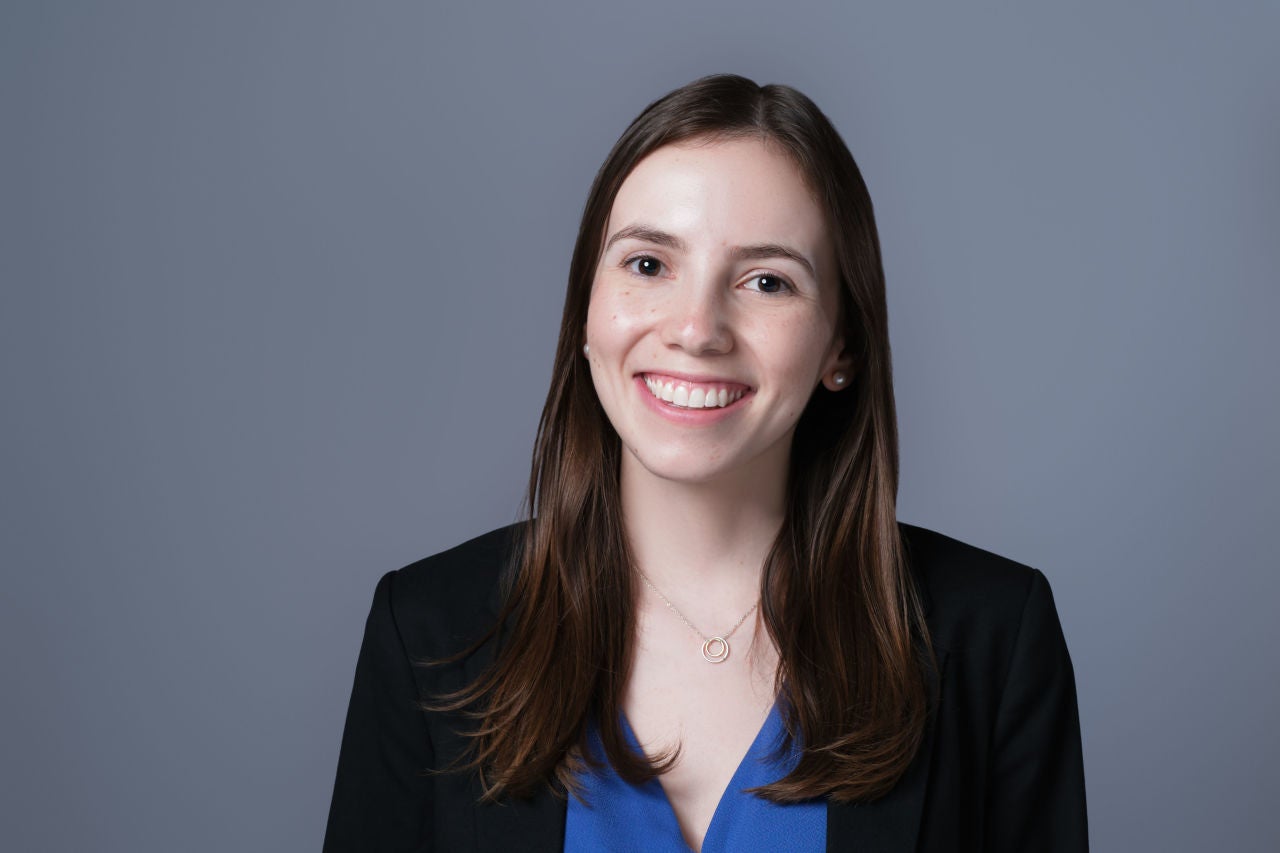
Lauren Mock is a biostatistician with the NSAPH group. She researches the effects of heat and air pollution exposures on a variety of health outcomes, including neurodegenerative diseases, heat-related illness, and mortality, with a particular focus on treatment effect heterogeneity. Lauren holds a BA in Earth & Environmental Science and an SM in Biostatistics.
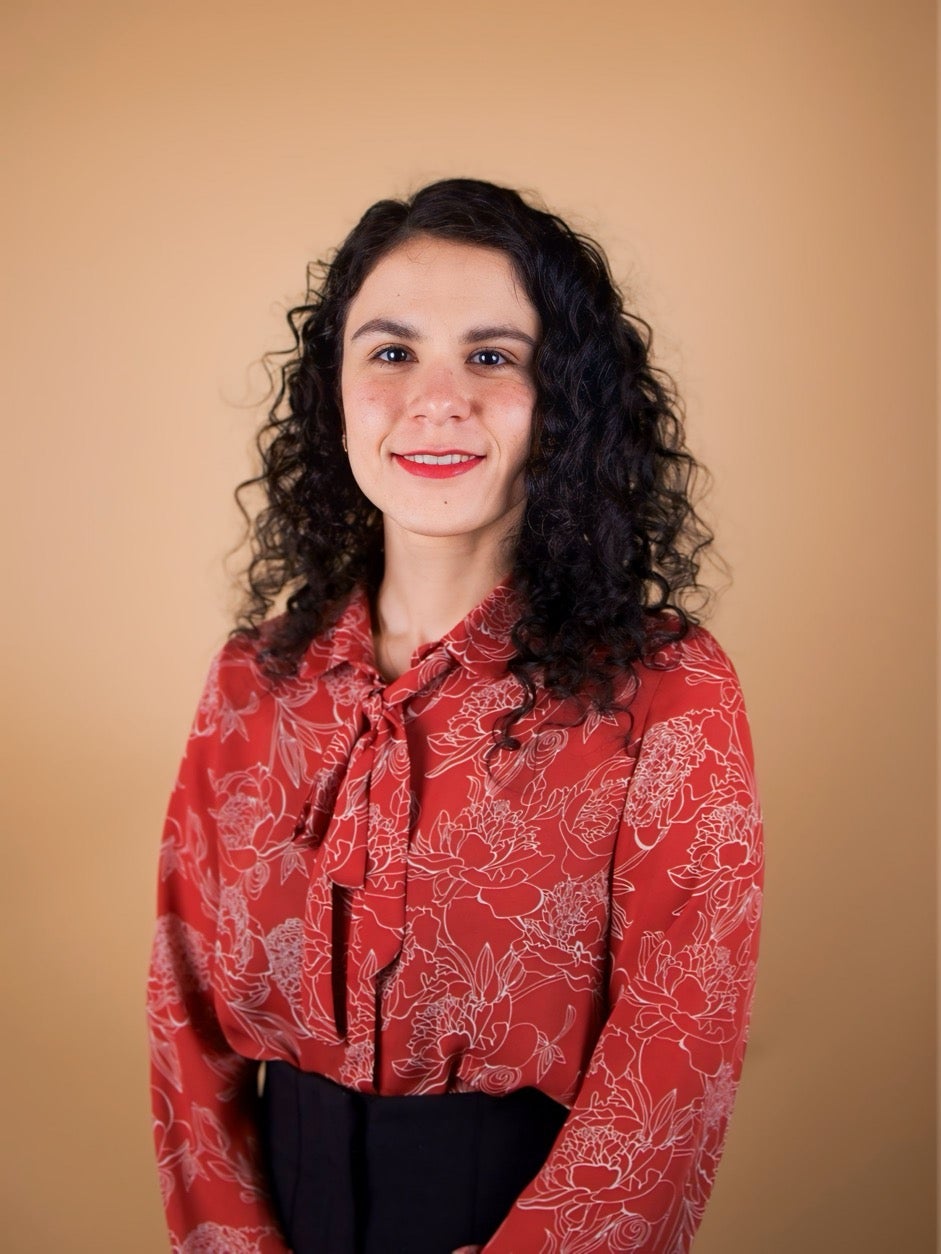
Mahima Kaur is a Programmer in the NSAPH Data Science team. She joined in July 2024 and contributes to developing reproducible and scalable data preprocessing pipelines using open science tools such as Python, R, and SQL. Her work supports large-scale public health research, particularly in analyzing Medicare data and environmental exposures. Mahima holds a Master’s degree in Health Informatics from Yale University and brings a strong foundation in programming, data analytics, and health data science to her role.
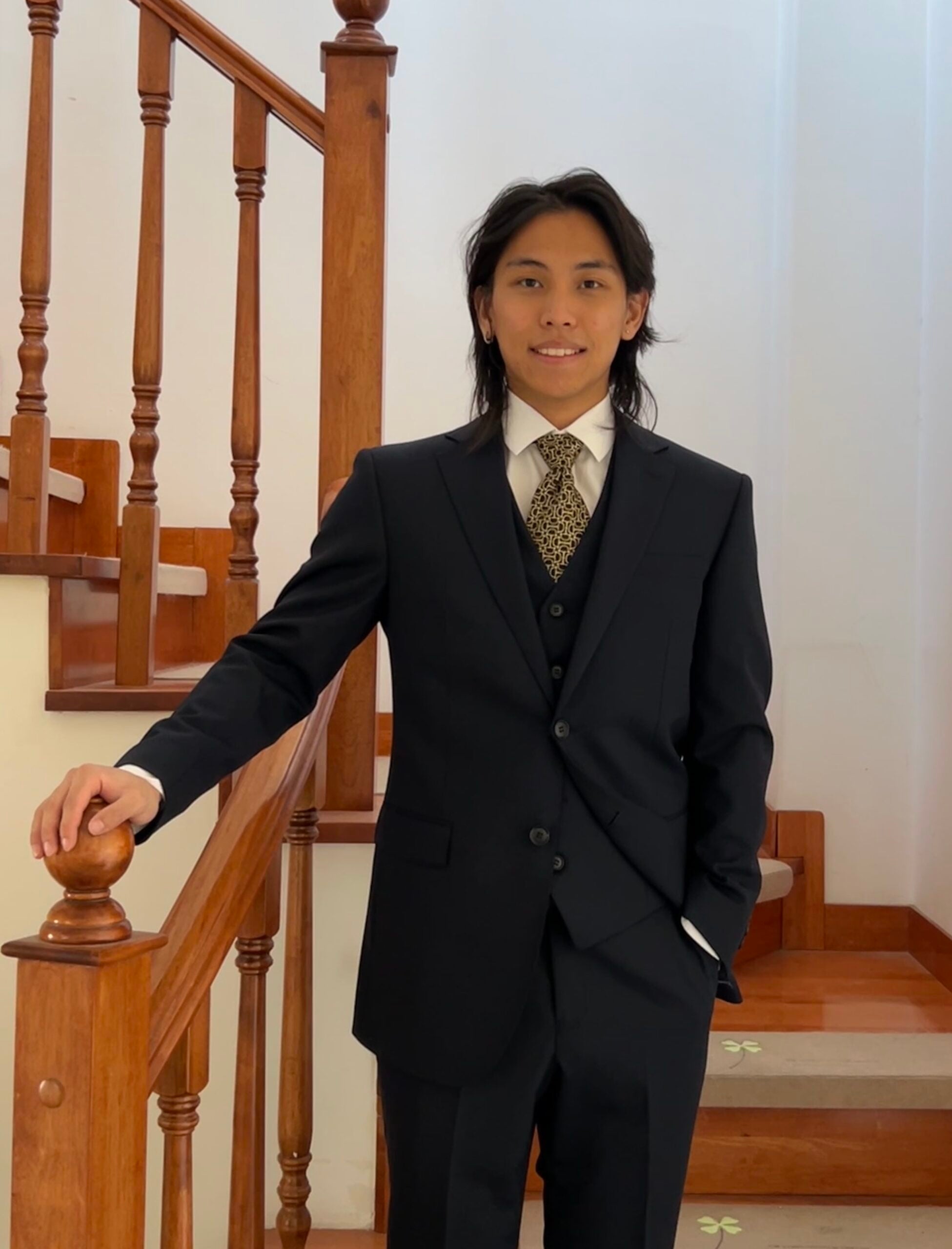
Hengyuan Wang is a graduate student in Health Data Science at the Harvard T.H. Chan School of Public Health, with a background in Computational & Systems Biology from UCLA. His academic and professional work spans biomedical data science, clinical informatics, and biostatistical modeling. He has conducted research in transcriptomics, immunotherapy efficacy prediction, and brain–behavior modeling at UCLA, and has built clinical data infrastructure and decision-support prototypes at the Beijing Institute of Life Sciences. At Huahui Anjian Biotechnology, he developed an AI-integrated analytics toolkit and performed survival analysis, GLMs, and other statistical evaluations to support clinical insights and IPO-related strategy. Across research and industry settings, Hengyuan is committed to advancing responsible, data-driven innovation in medicine and public health.

Qianyu (Rita) Fan is a master’s student in Health Data Science who focuses on leveraging data-driven methods to advance public health in the context of climate change and air pollution. She is passionate about developing innovative, human-centered solutions that improve lives and support healthier communities.

Michelle is a Data Scientist interested in extracting structure and detecting hidden patterns from data. Previously, she held various roles in industry where she deployed Machine Learning tasks in production settings. She transitioned to research after volunteering with the UT Covid-19 Modeling Consortium. As a Research Associate Data Scientist for the Department of Statistics and Data Science at The University of Texas at Austin she worked with research groups to further our understanding of human activity and health outcomes.
Steven is a junior at UC Berkeley studying Mathematics and Computer Science. He joined NSAPH in 2025 and is working on building and scaling reproducible data pipelines for large-scale environmental datasets.
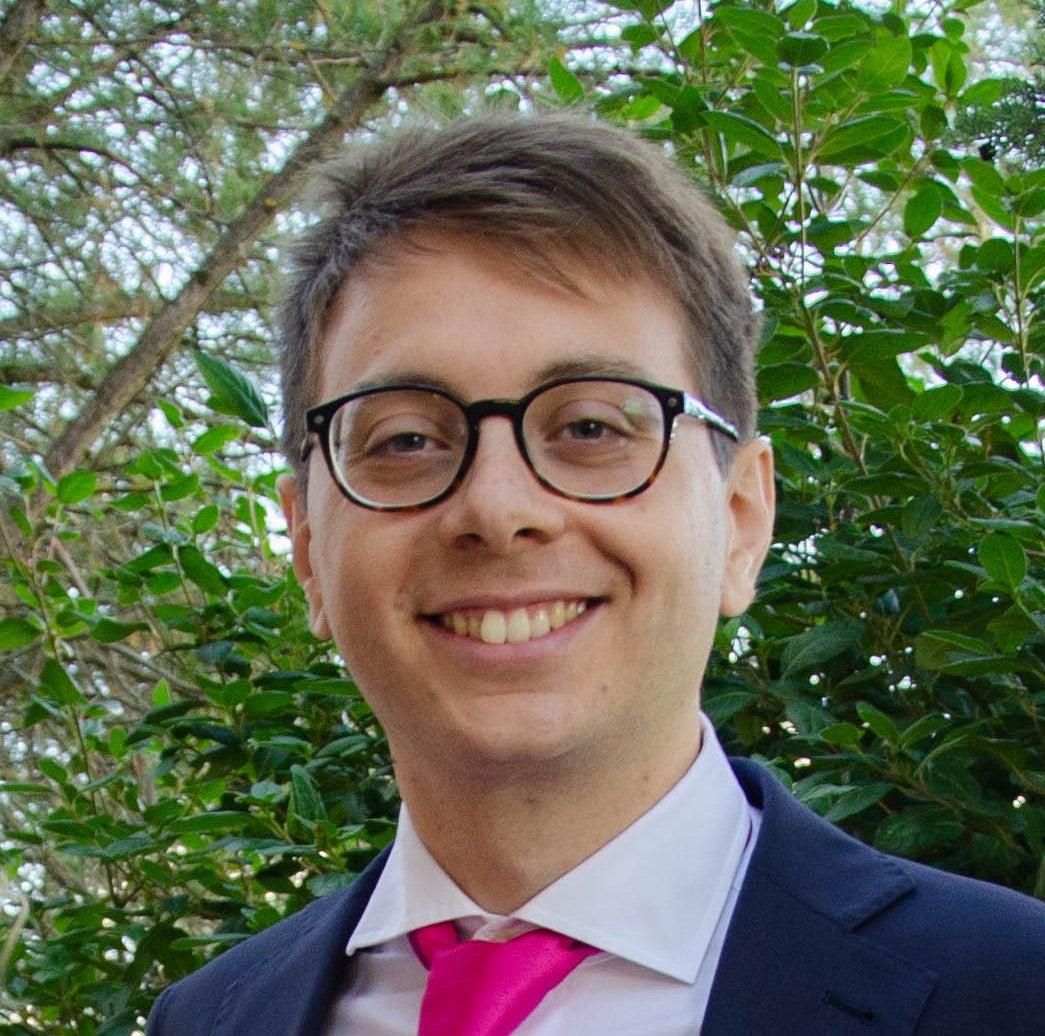
Giacomo De Nicola is a postdoctoral fellow at the Harvard T.H. Chan School of Public Health, under the joint mentorship of Christopher Golden and Francesca Dominici. His research broadly seeks to design, implement and leverage modern statistical tools to address real-world problems, with a focus on applications in public and planetary health. His current postdoc research is part of the Climate-Smart Public Health project, where he aims at understanding and measuring the impact of climate and climate change on health outcomes. Giacomo holds a PhD in Statistics from LMU Munich, an MSc in Economic and Social Sciences from Bocconi University, and a BSc in Statistics from the University of Florence, where he received the best student award for graduating top of his class. His research on assessing excess mortality during crises earned him a special award from the Federal Statistical Office of Germany.
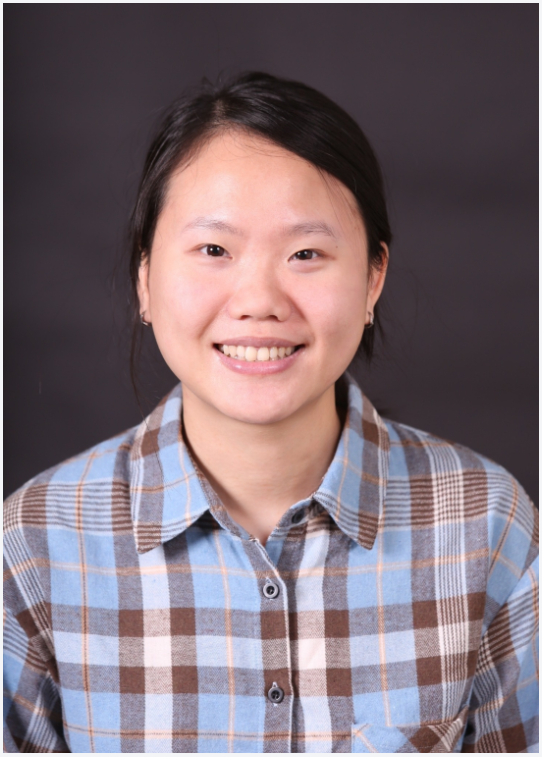
Trang Bui is a postdoctoral associate at University of Rochester. She started working with NSAPH since July, 2024. Her research interests are experimental design, network analysis, causal inference and AI validation and monitoring.
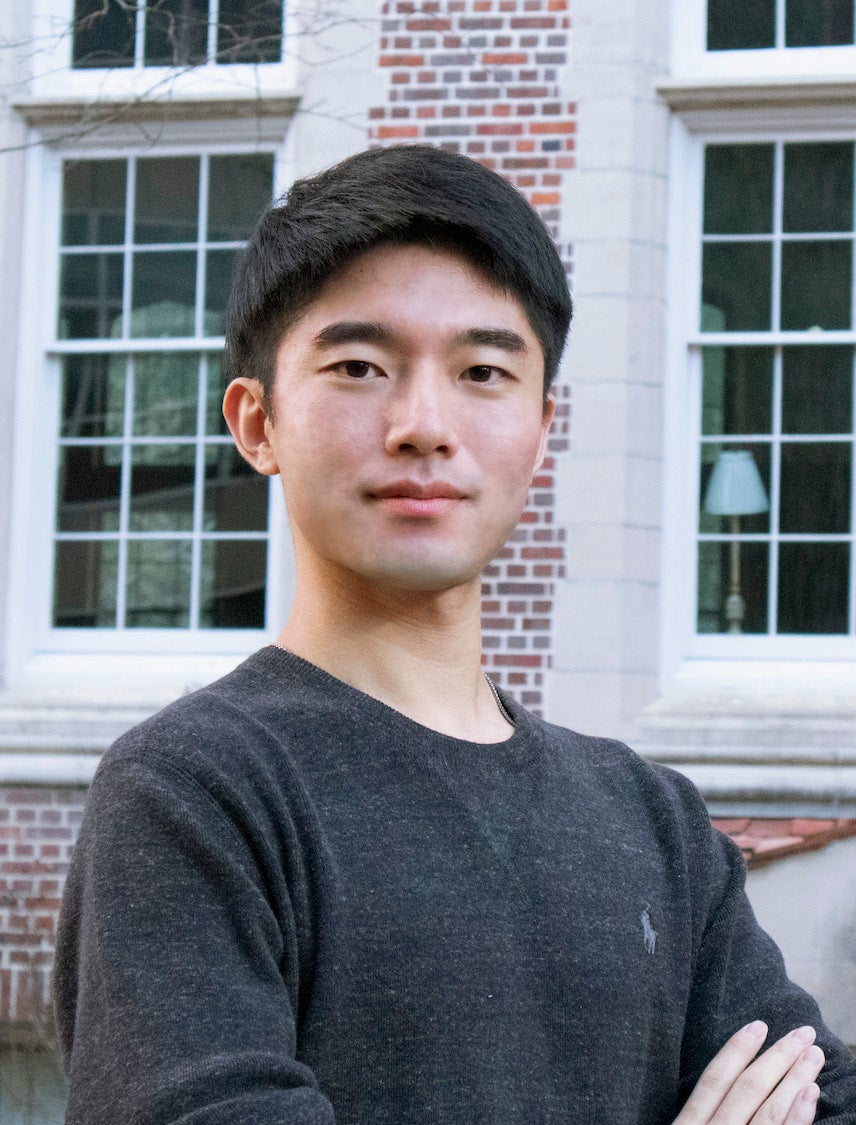
Heejun is a Postdoctoral Research Fellow at NSAPH, having started in June 2024. He completed his Ph.D. in Statistics at the University of Florida under the supervision of Dr. Joseph Antonelli.
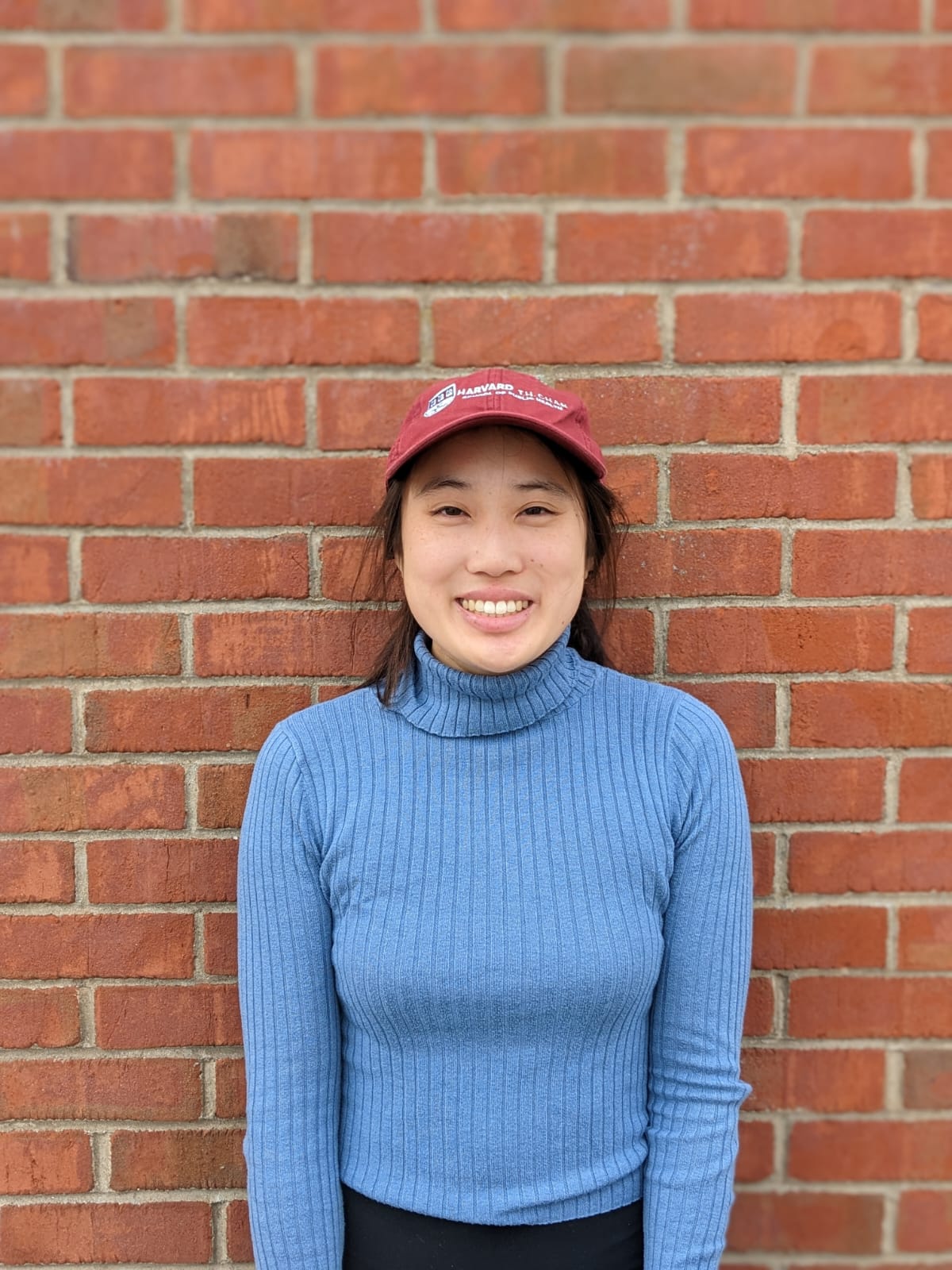
Veronica is a second-year postdoctoral fellow as part of NSAPH who studies the association between environmental exposures and hospitalizations with neurological diseases in the Medicare population.

Claudio Battiloro is a Postdoctoral fellow at the Harvard T.H. Chan School of Public Health and a former Visiting Associate at the SEAS of the University of Pennsylvania. He received a M.Sc. cum laude in Data Science and a Ph.D. cum laude in Information and Communication Technologies from Sapienza University of Rome. Claudio’s research interests include theory and methods for topological signal processing and deep learning-fields in which he has several pioneering contributions-, distributed stochastic optimization, and (broadly) AI for Healthy Climate Adaptation. He has over 35 publications, including papers published in top-tier journals (e.g., Journal of Machine Learning Research, IEEE Transactions on Signal Processing, IEEE Transactions on IoT and IEEE Transaction on Green Communications and Networking) and conferences (e.g. ICLR, ICML,ICASSP, and IJCNN). Claudio received different awards, such as the IEEE SPS Italian Chapter Best M.Sc. Thesis Award (2020), the GTTI Best Ph.D. Thesis Award (2024), and the “Elio Di Claudio” award for the best Ph.D. Thesis in ICT in 2024.
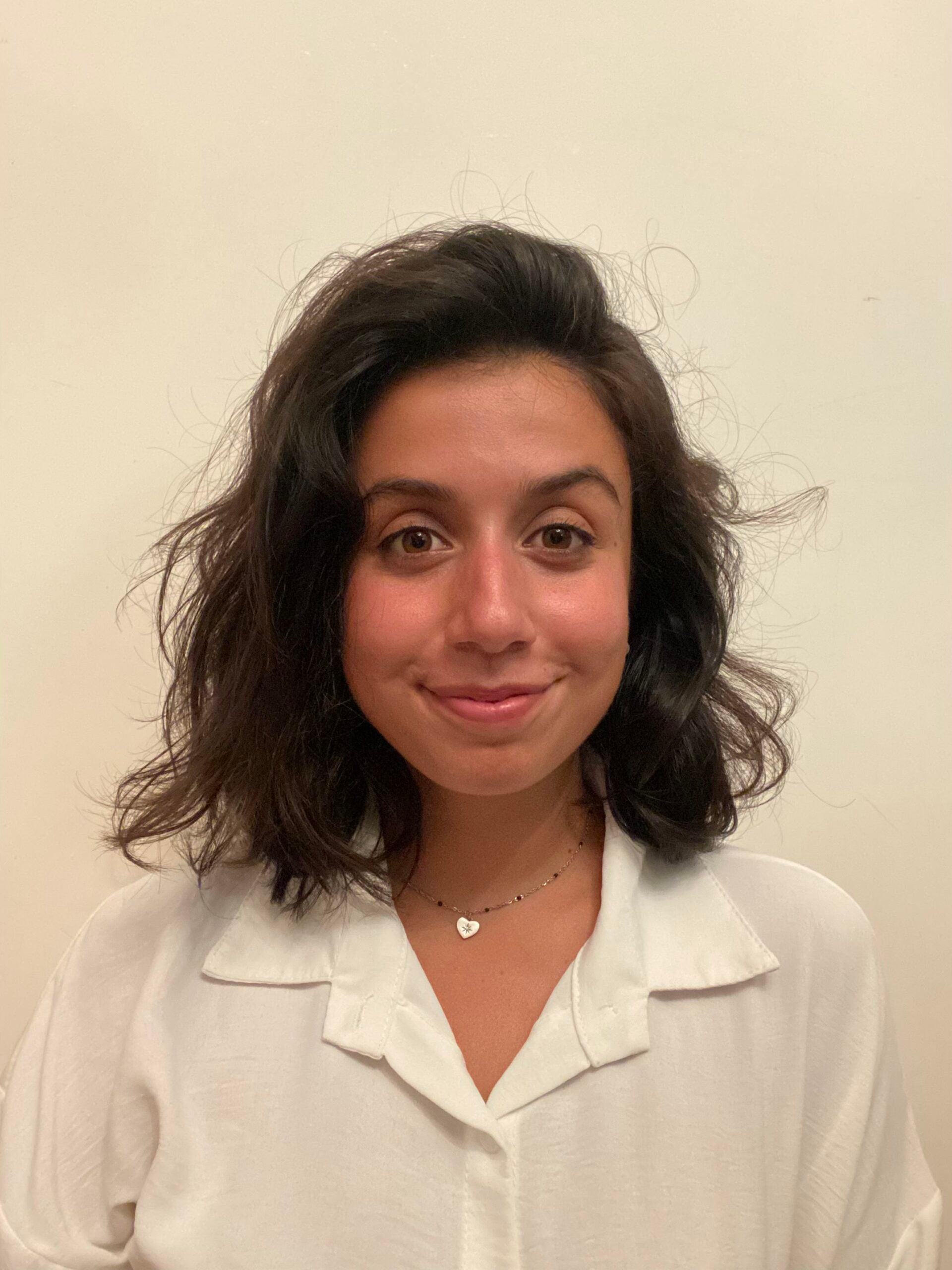
Federica is a Postdoctoral Research Fellow at NSAPH, having started in June 2024. Her research focuses on evaluating the effects of pollutant exposure on various health outcomes.
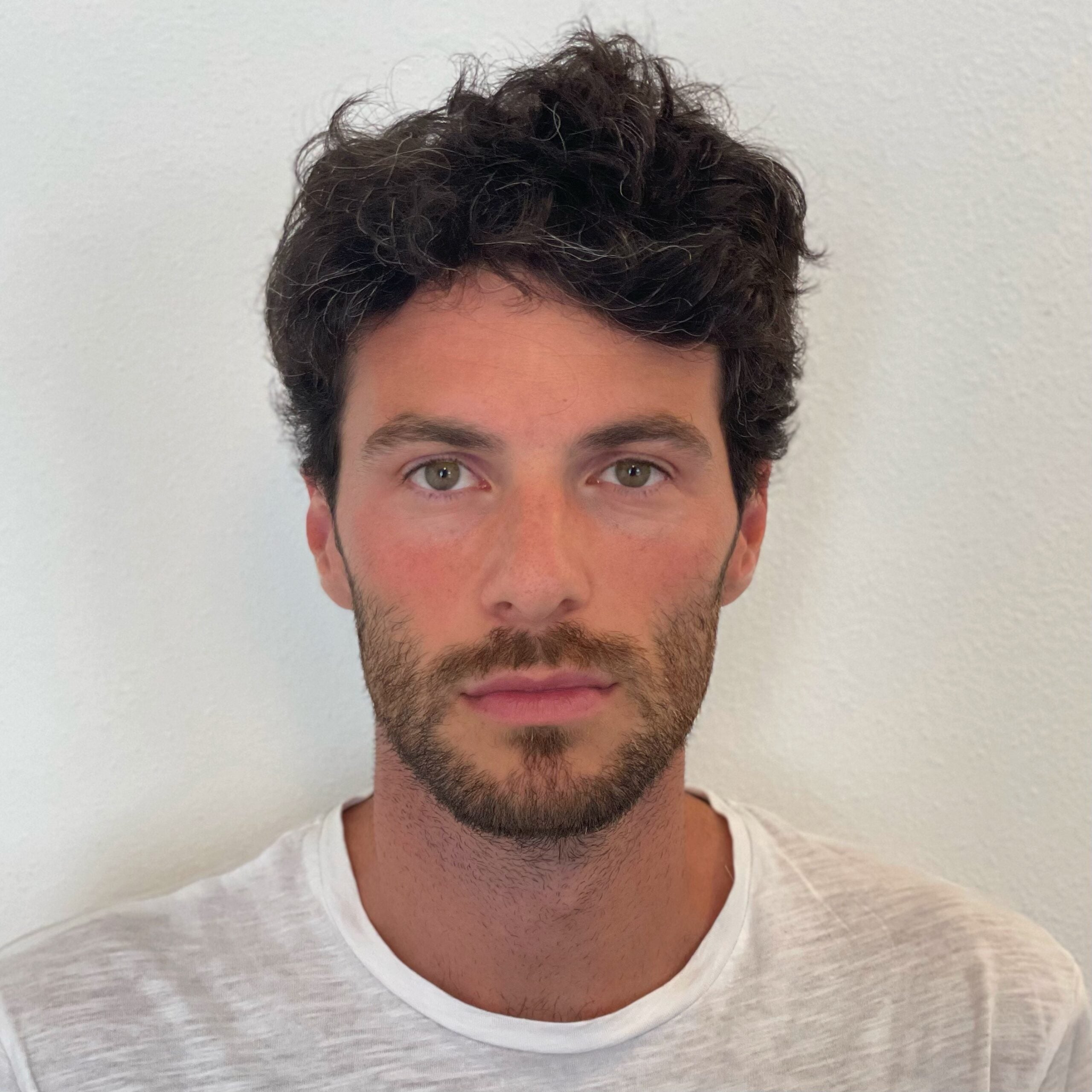
Gianluca received his PhD in Artificial Intelligence at University of Pisa and IMT Lucca. He has a Master’s degree both in Big Data and Artificial Intelligence, and in Economics. Currently, he is a postdoctoral researcher at the Harvard T.H. Chan School of Public Health. His research regards Network Science and Machine Learning applications to SDGs, e.g. environmental and social justice, and climate change.

Ting Zhang, PhD, is a Postdoctoral Research Fellow in Environmental Health at Tufts University. She works with Prof. Helen Suh on a five-year NIEHS-funded project examining how long-term exposure to ambient air pollution—particularly PM₂.₅ and its metal constituents—affects cognitive aging and dementia risk in older adults. Her research leverages longitudinal cohort data and advanced epidemiological methods to uncover causal links between environmental exposures and brain health.
Dr. Zhang earned her PhD in Geography from The Chinese University of Hong Kong, where she investigated residential environmental exposures—including greenness, air pollution, noise, and food and leisure environments—and their associations with health behaviors. She subsequently completed postdoctoral training in socioeconomics at Shanghai Jiao Tong University, which broadened her ability to integrate environmental health research with social and economic perspectives, followed by a postdoctoral fellowship at the University of Hong Kong.
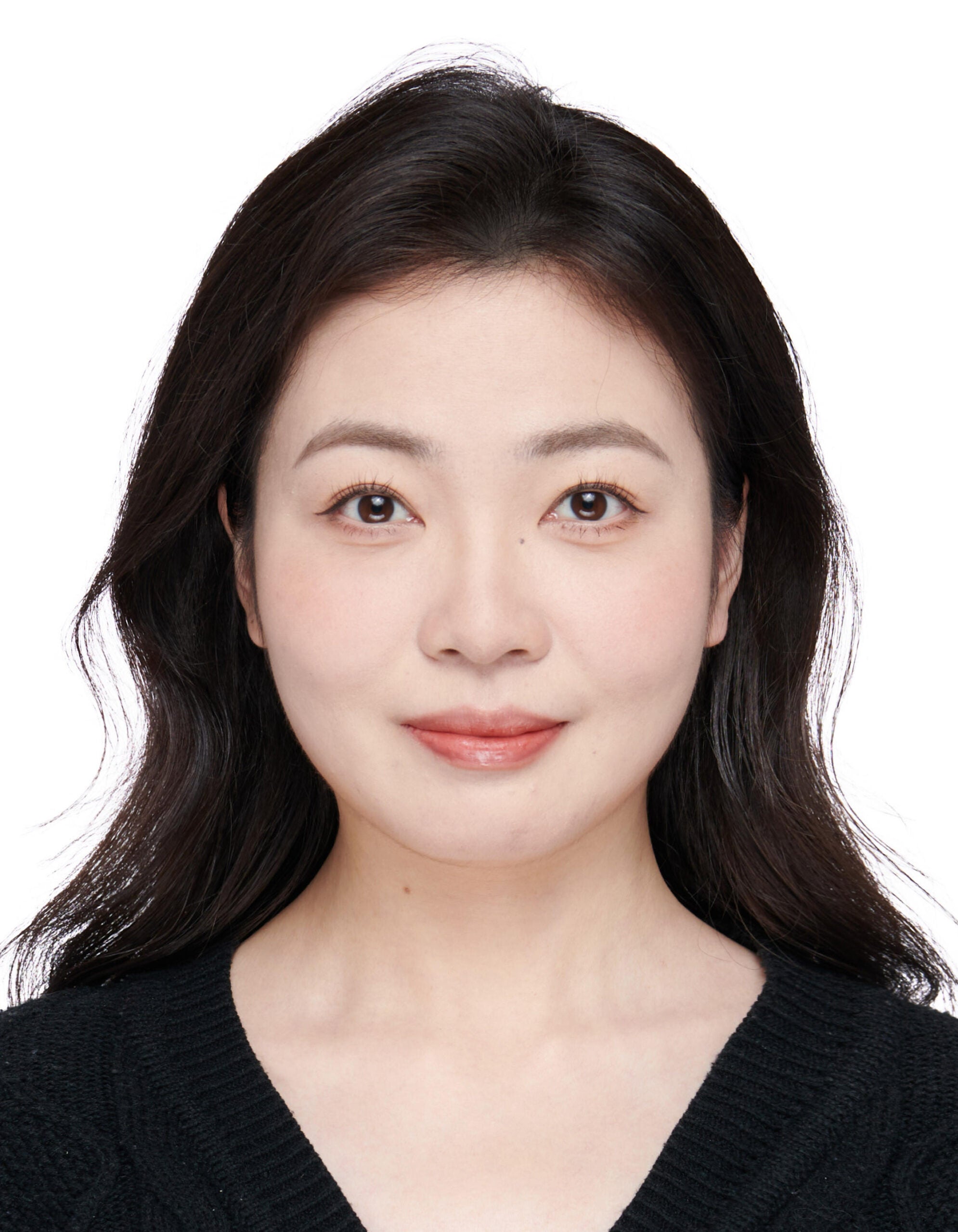
Dr. Tian Ma is a Postdoctoral Associate in Prof. Michelle L. Bell’s team at the Yale School of the Environment. She holds a PhD in Geographic Information Systems (GIS), with her doctoral research focusing on vector-borne diseases, spatial epidemiology, climate change, and statistical modeling. Her work has emphasized mapping spatiotemporal patterns of infectious diseases, identifying their driving factors, and exploring how global climate and land cover changes influence disease dynamics. As a postdoctoral researcher, Dr. Ma aims to investigate the impacts of environmental changes—such as climate change and green space exposure—on human health, including disease prevalence and human mortality.

Oladimeji Mudele is a Postdoctoral Fellow.
His research focuses on the application of satellite imagery, geospatial information, machine learning, and statistics toward the ultimate goal of understanding the driving mechanisms of the interactions between environmental variables and human health outcomes.
He obtained a B.Eng (Hons.) in Electrical and Electronic Engineering from the Federal University of Technology, Akure, Nigeria (2013); an M.Sc in Electronic Engineering (summa cum laude) from the University of Pavia, Italy (2017); and a Ph.D. in Electronic, Computer Science and Electrical Engineering from the University of Pavia, Italy (2021).
During his doctoral study, he researched and developed frameworks for modeling and explaining the spread of diseases in urban environments using satellite imagery, statistics, and machine learning methods.
Oladimeji has been a beneficiary of the prestigious Marie Sklodowska-Curie Actions European Commision H2020 research fund and the German Academic Exchange Fund. He was a visiting scholar at the Argentinean Commission for Space Activities, Córdoba, Argentina (2018) and the Institute of Computing of the Federal University of Alagoas, Maceió, Brazil (2019). In 2019, he received the “Premio di Laurea” award as the top international scholar at the University of Pavia.
Oladimeji speaks English, Italian, and Yoruba languages. His hobbies include travel, computer programming, and time trial running.
Younsoo Jung is a research associate in the Department of Environmental Health at Harvard T.H Chan School of Public Health, mentored by Kari Neadu. Her research interests are quantifying the impact of climate change and understanding the vulnerable groups to improve health disparity and help better shape health policy.
She completed her Ph.D. in Economics at the University of Iowa. Her dissertation focused on the impact of Medicaid expansion on vulnerable populations and children and understanding the competition and labor supply decisions among healthcare providers. She earned her MS in Epidemiology at Stanford University. During her master’s study, she focused on understanding the impact of wildfire smoke on healthcare utilization and the association between PM2.5 and epigenetic changes, including DNA methylation and histone modification, among pregnant women.

Yongsoo Choi is a Postdoctoral Associate at Yale University, working under the mentorship of Dr. Michelle Bell. His primary research interest is in exploring the varying patterns of health effects caused by air pollution across different times, regions, and populations. Furthermore, he is focused on identifying the causes behind these variations. His goal is to generate valid evidence that can help reduce the overall disease burden attributable to air pollution and alleviate the environmental injustice it causes at both global and regional levels.
He earned his Bachelor’s degree from the Department of Environmental Health at Korea University. Further strengthening his expertise, he obtained both his MPH and his Ph.D. in Epidemiology & Risk Management from the same institution.
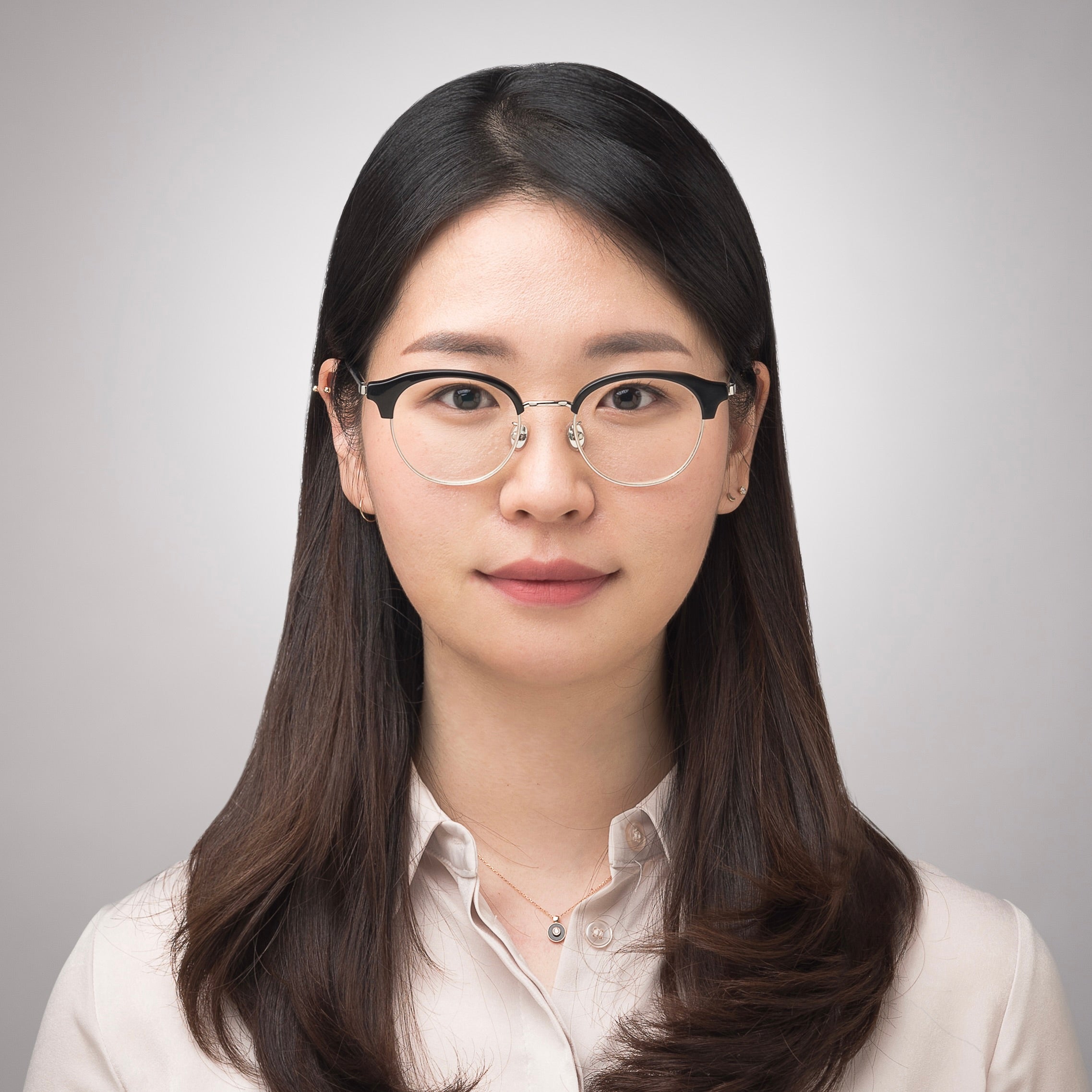
Dr. Garam Byun is a Postdoctoral Associate at the Yale School of the Environment. She investigates the health effects of environmental risk factors, including but not limited to air pollution, temperature, and greenness, with a particular focus on vulnerable individuals and communities. Her research interests also encompass epidemiological methodologies and the evaluation of environmental policies. She has contributed to multiple government-funded research projects, emphasizing the critical role of epidemiological studies in shaping effective policies.
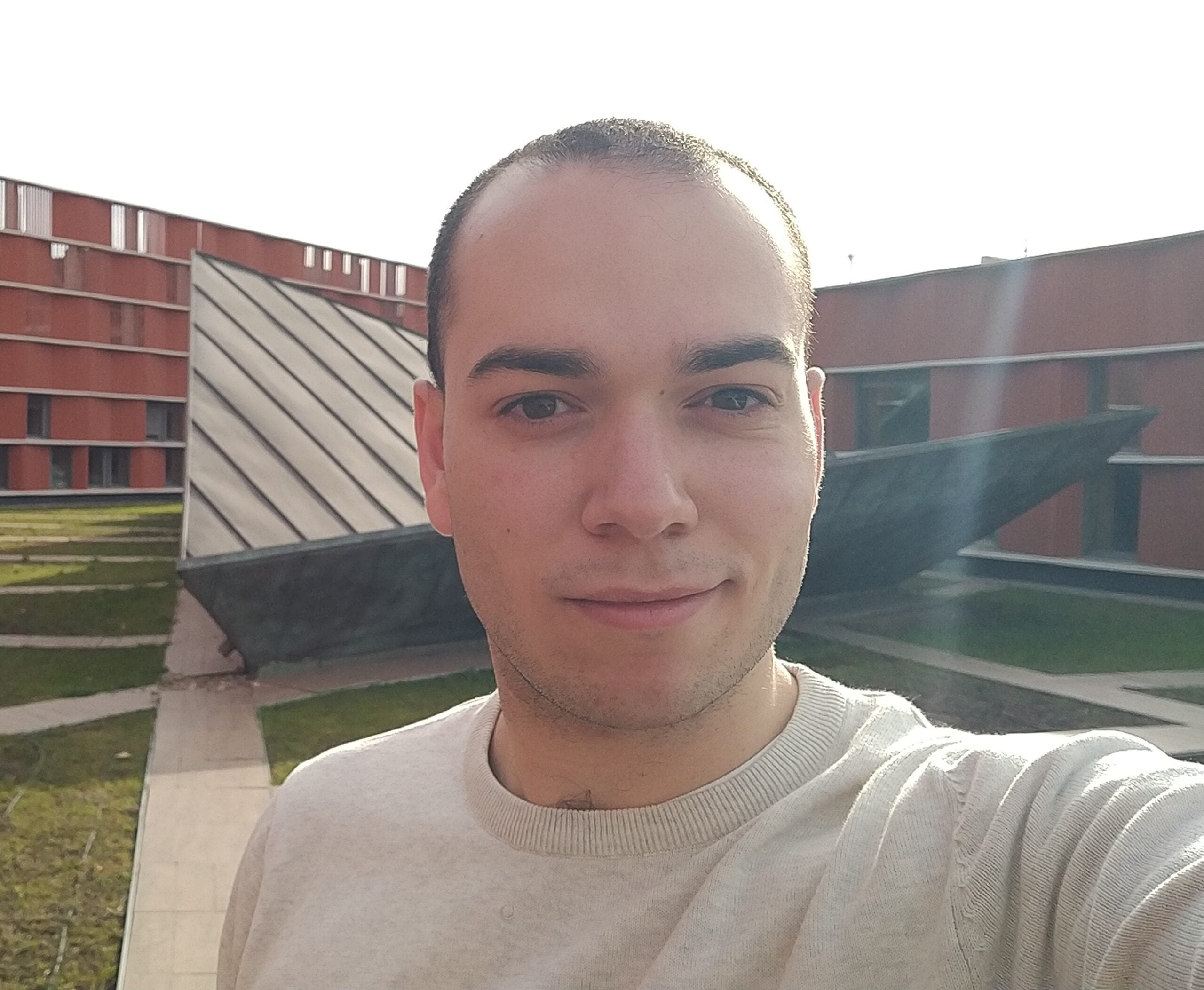
Alvaro Mendez Civieta is a Ph.D. Statistician and Machine Learning Specialist currently serving as a Postdoctoral Researcher in Biostatistics at Columbia University. His research specializes in high-dimensional data analysis and predictive modeling, with a specific focus on penalized regression, functional data analysis, and robust signal extraction from noisy datasets.
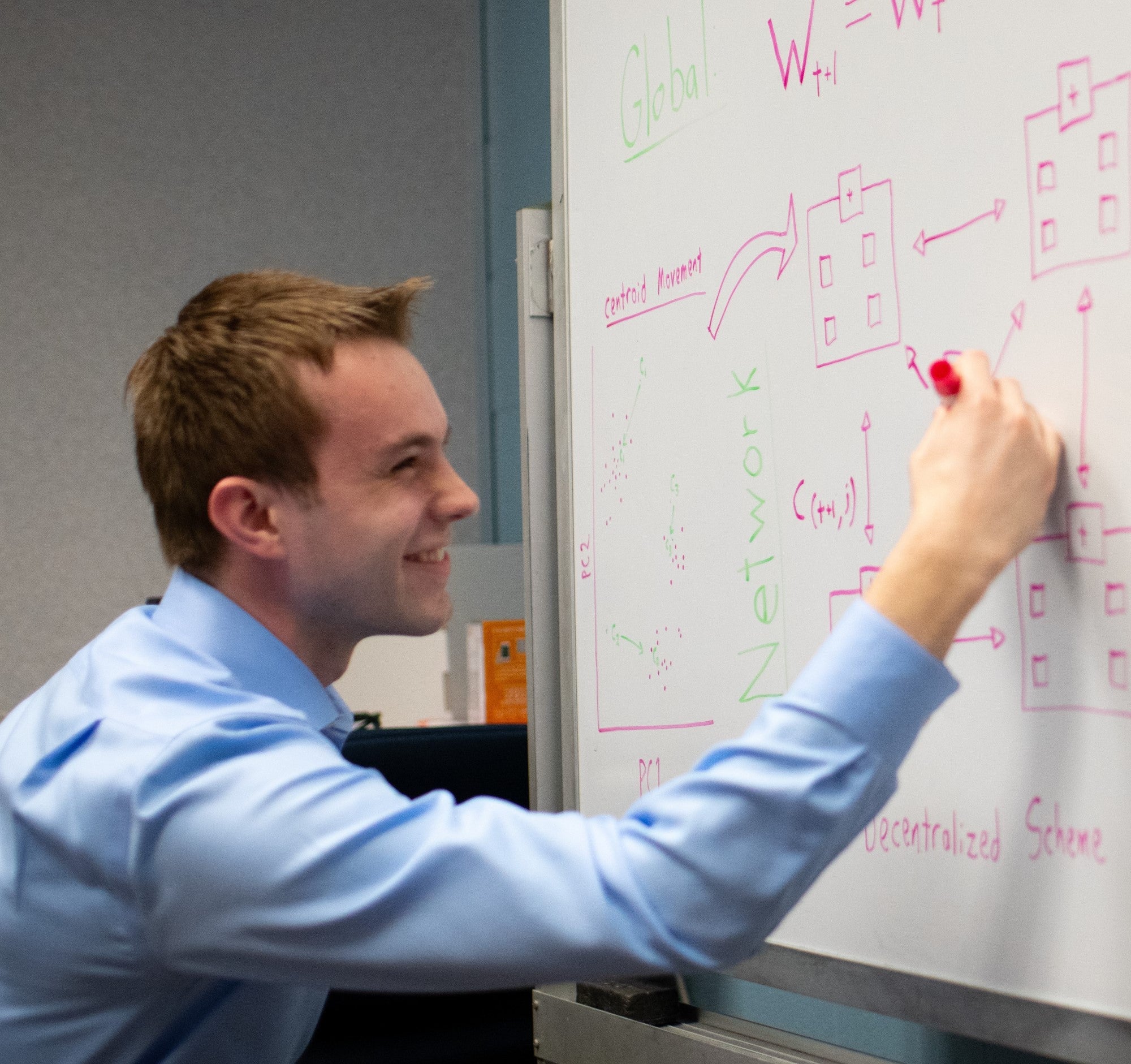
Salvador is a PhD Student affiliated with NSAPH and advised by Nima Hejazi. He works on nonparametric causal inference under network interference.

Heather McBrien is a 2nd year PhD student in the Environmental Health Sciences department at the Columbia Mailman School of Public Health. Her research uses large datasets and novel methods to evaluate the impacts of population-level climate-related exposures, including climate-related disasters. Her current projects evaluate the impacts of wildfire smoke and wildfire disaster exposure on perinatal health outcomes, and the impacts of power outage and co-occurring disaster exposure on vulnerable groups. Her interests include environmental and research justice, reproducibility, and research that informs climate policy.
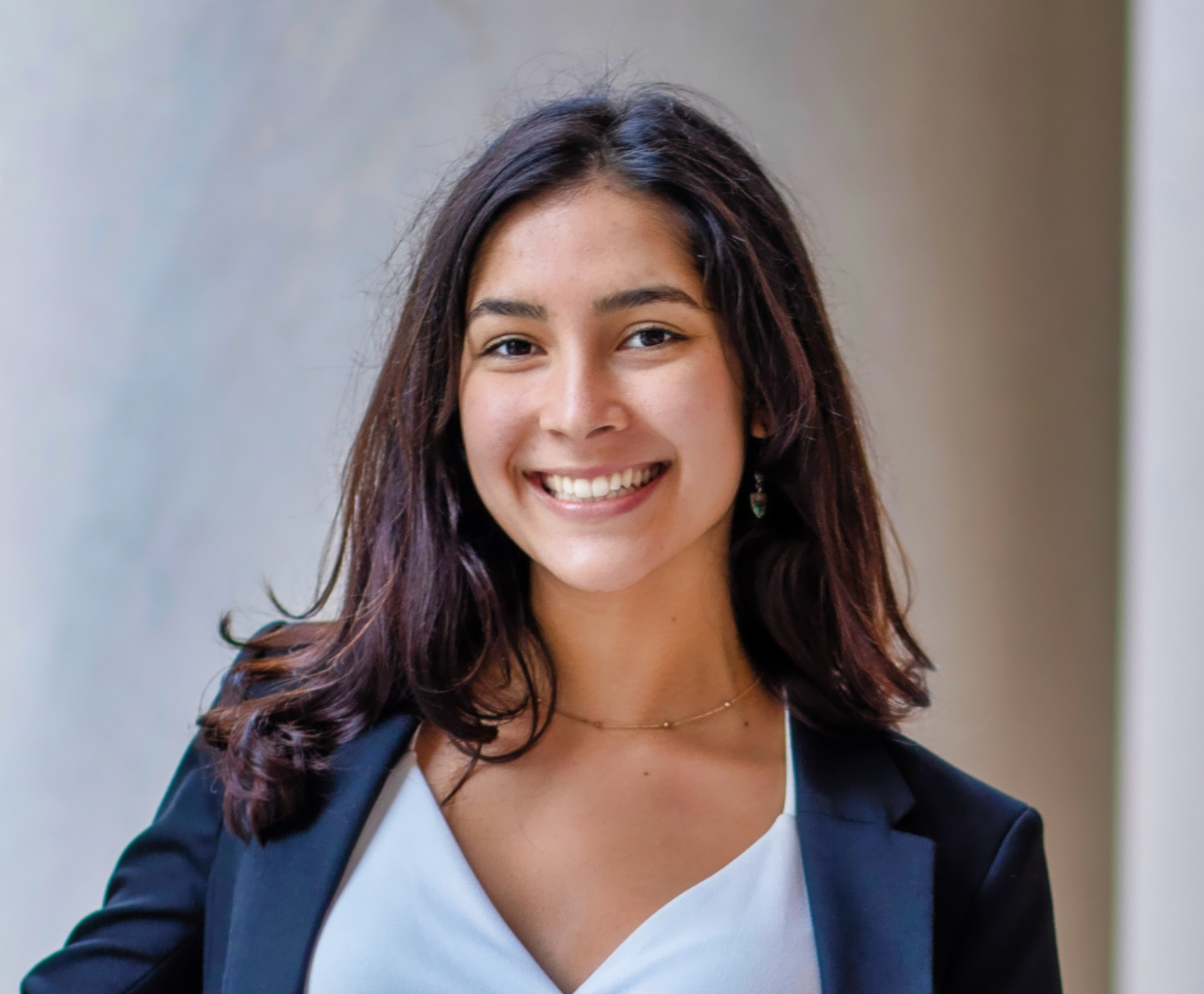
Sophie is a PhD student in Biostatistics working with Dr. Francesca Dominici. Her dissertation work focuses on unifying and extending methods to address unmeasured spatial confounding in causal inference.
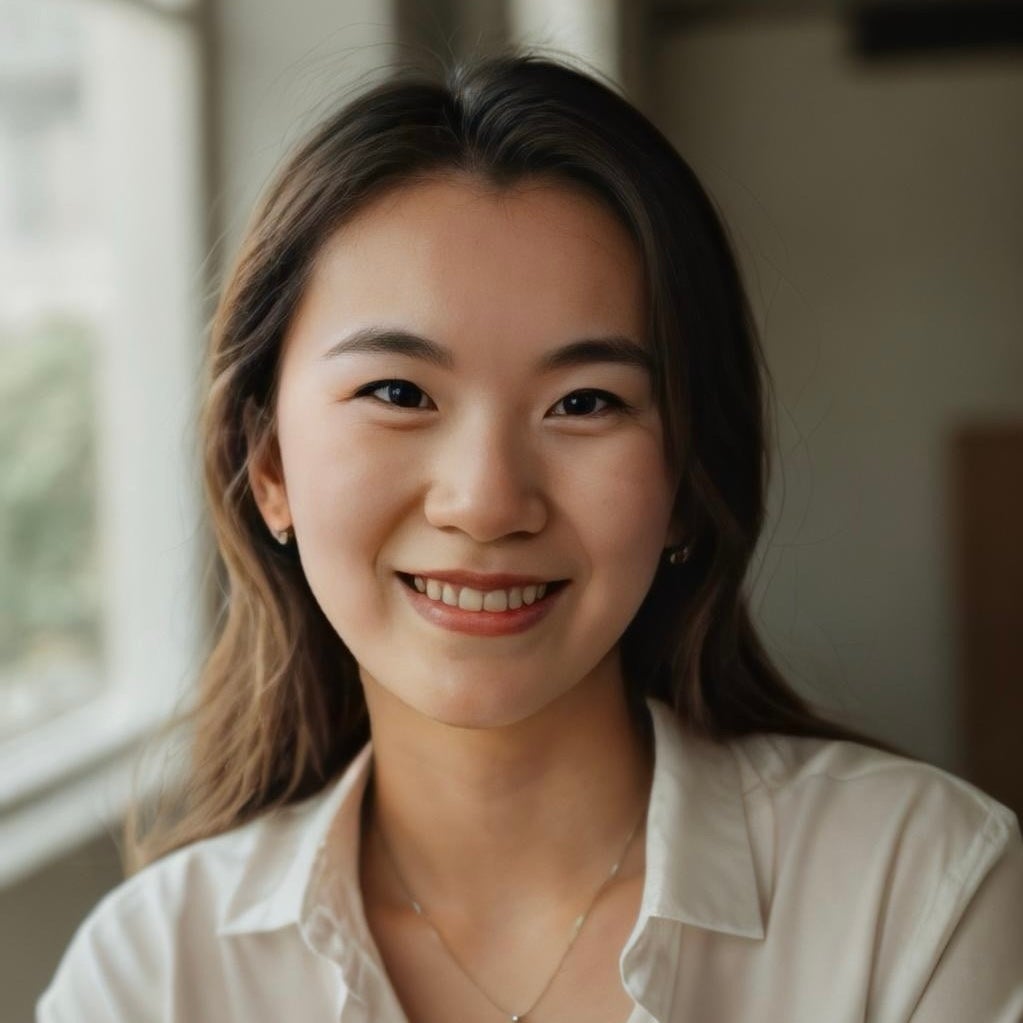
Shuxin is a PhD student in Population Health Sciences program with a focus on environmental epidemiology at Harvard.

James is a PhD student in Biostatistics working with Dr. Francesca Dominici. His research focuses on integrating biostatistical principles—such as causal inference and uncertainty quantification—with artificial intelligence (AI) techniques. Before beginning his doctoral studies, James earned an AB in Statistics from Harvard College, where he conducted research in evolutionary genetics and competed on the Varsity Nordic Skiing team.
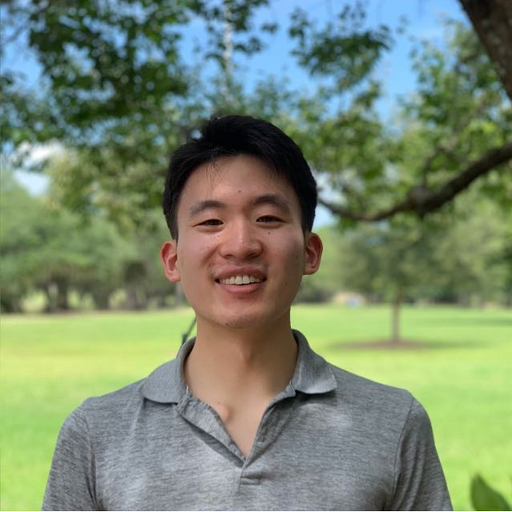
Raphael is a 4th year Biostatistics PhD Candidate working on policy learning and causal inference problems.
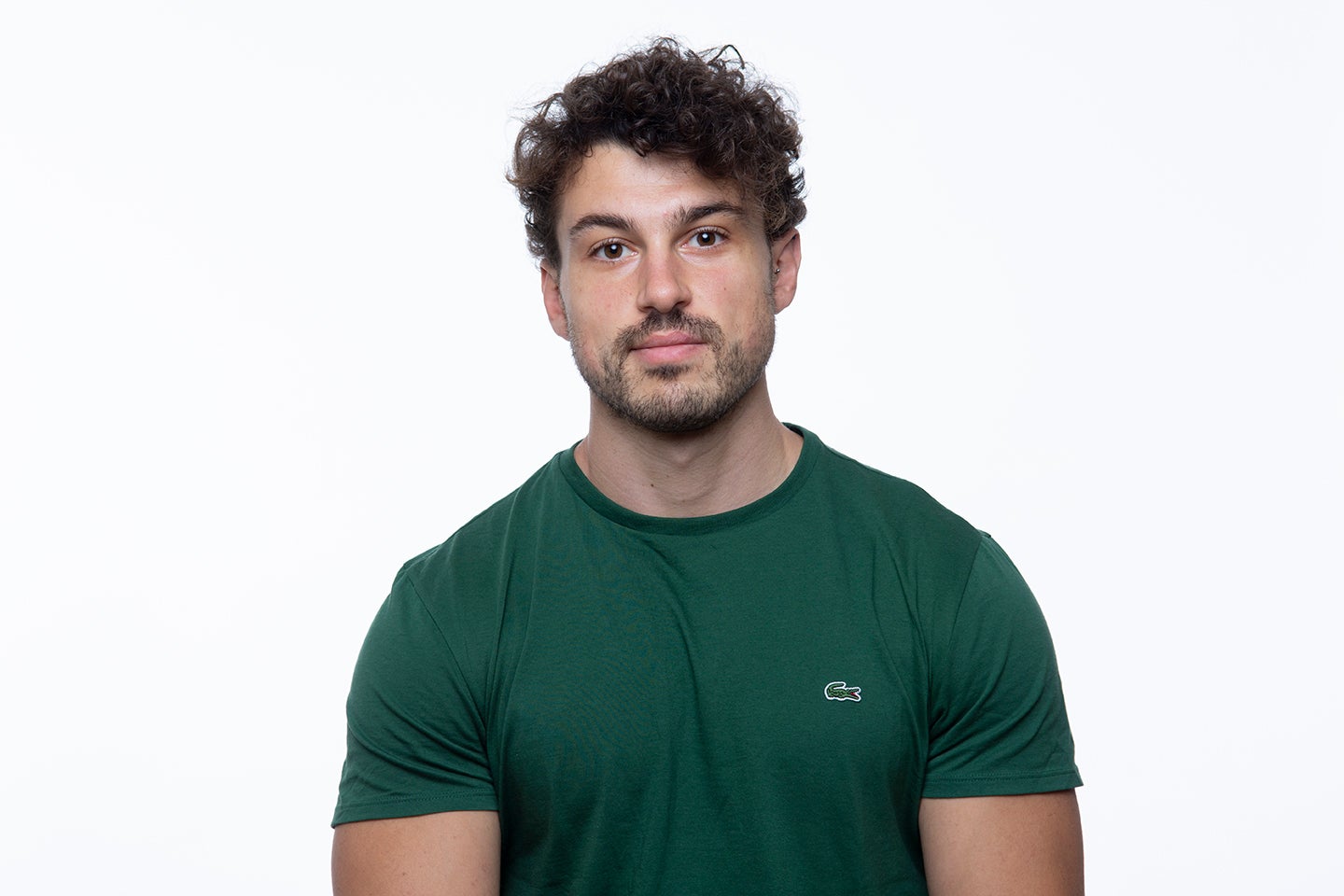
Davide is a PhD student in Applied Mathematics, focused on exploring the applications of Geometric and Topological Deep Learning, as well as Generative AI, to fields such as Natural Sciences, Public Health, and Sustainability.

Suhwan is a PhD student in Biostatistics at the Harvard T.H. Chan School of Public Health. He completed an MS in Statistics and a BS in Statistics and Mathematics from Seoul National University. His research interests focus on causal inference, with a specific application in Environmental Health, including air pollution.

Flannery Black-Ingersoll is a student in the Environmental Health doctoral program at Boston University. She has an MPH from Boston University and researches climate change impacts on health.
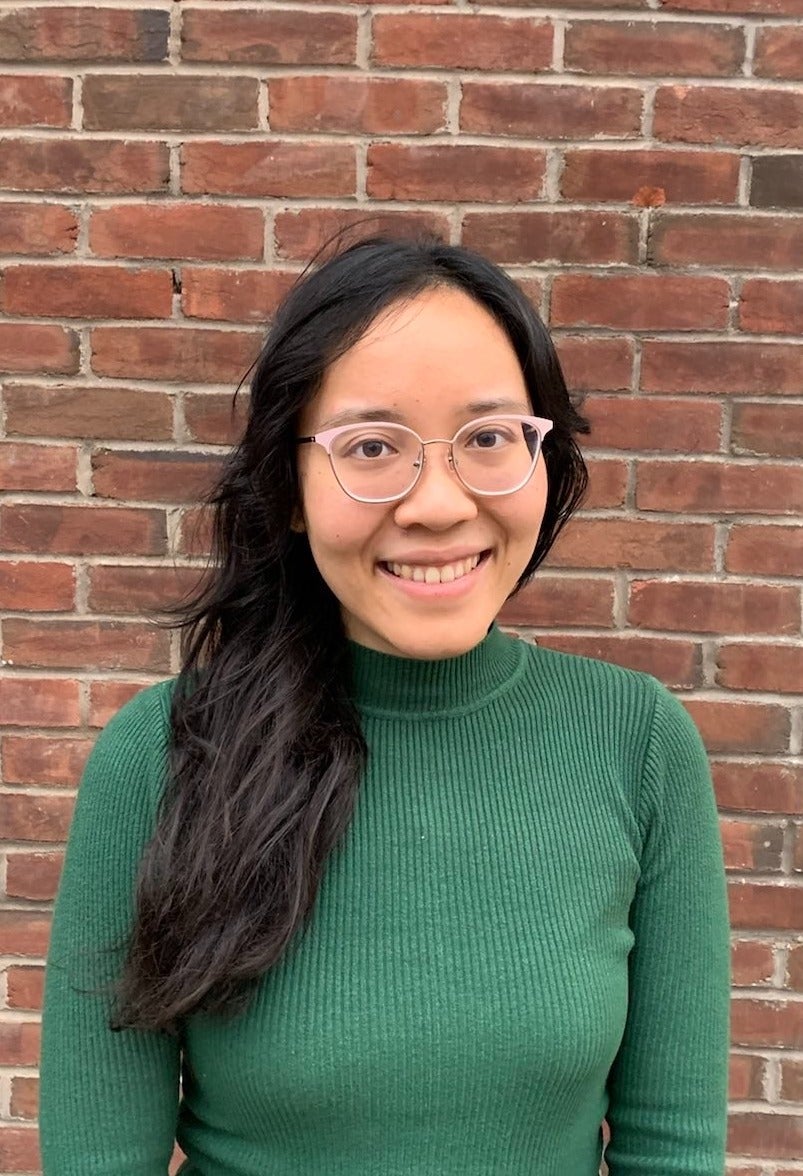
Vivian Do is a PhD student at Columbia’s Environmental Health Sciences department. She received an MPH in epidemiology with a certificate in Climate & Health at Columbia and afterwards conducted air pollution research with the University of Hong Kong on a Fulbright. Vivian’s current research centers on characterizing power outages and examining their health consequences. Broadly, she is interested in environmental epidemiology methods, climate change, and the built environment through a health equity/justice lens.
Yanran Li is a PhD student in Biostatistics at Columbia University, having previously completed her Master’s degree in Biostatistics from Harvard University, as well as a Bachelor’s degree in Physics from Sun Yat-sen University. She is interested in statistical machine learning and Bayesian methods with application to environmental health and health inequities.
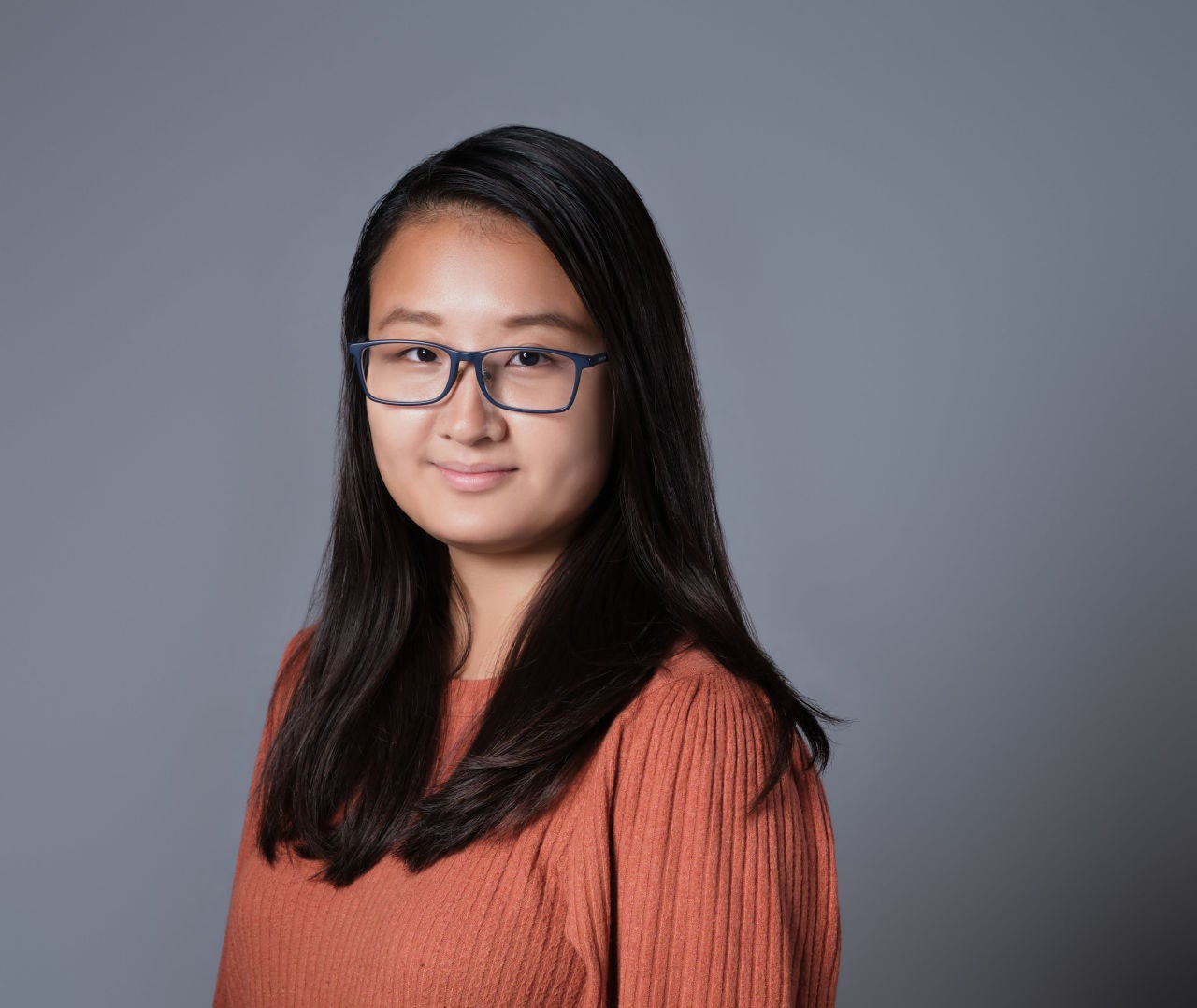
Cynthia is a PhD student in the Department of Environmental Health at the Harvard T. H. Chan School of Public Health. She received an MS in Environmental Health from HSPH and a BA in Environmental Studies from Boston College. Broadly, she is interested in the health effects of climate change with a particular focus on heat exposure and mental health outcomes.
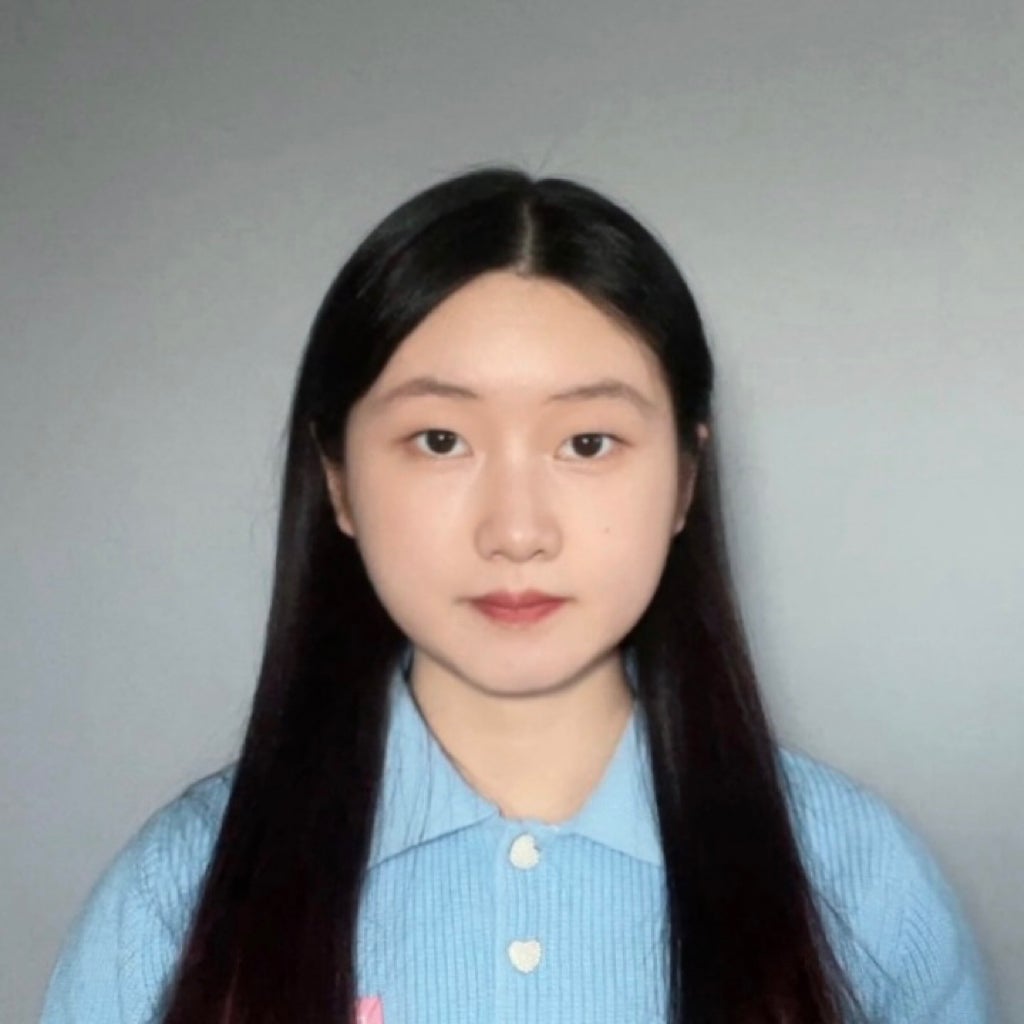
Yichen Wang earned her Master of Science degree in Environmental Health at Harvard T.H. Chan School of Public Health. Her research interest lies in air pollution, climate change, cardiovascular and neurologic outcomes, and causal inference.
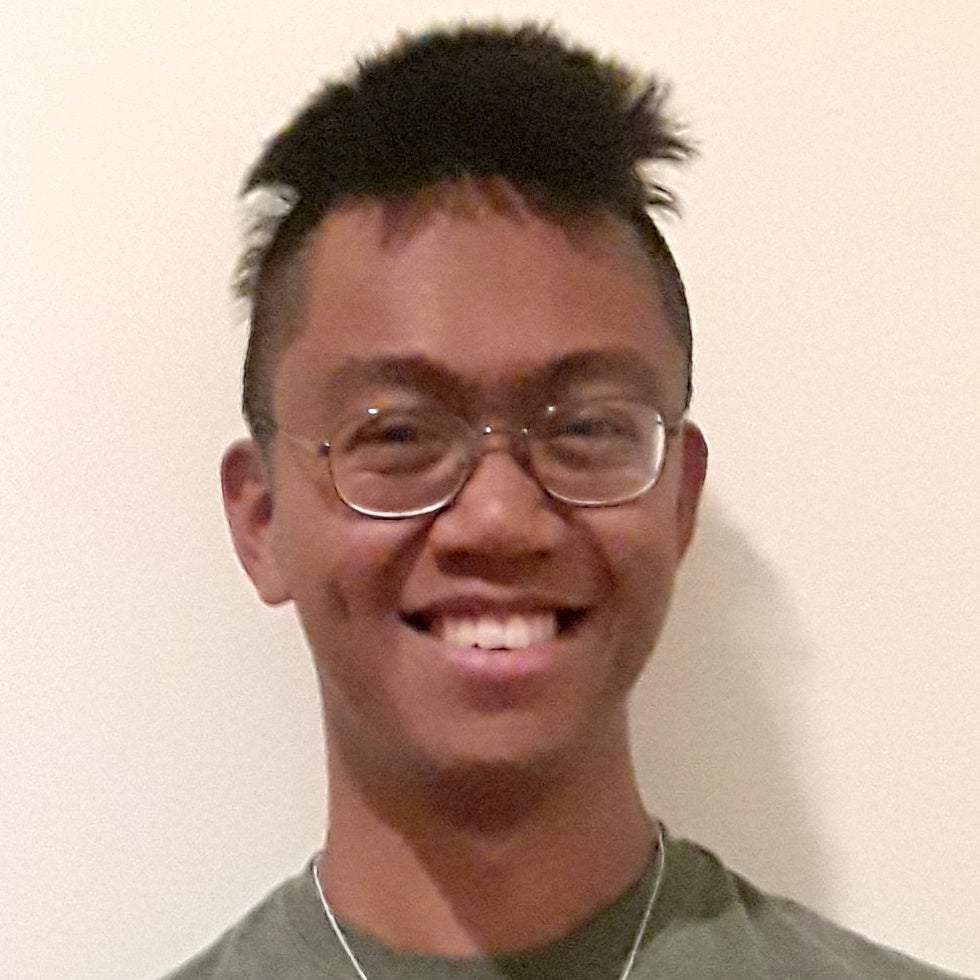
Edgar Castro is a PhD student in the department of environmental health focused on studying disparities in exposure and susceptibility to air pollution, adverse temperatures, and other environmental exposures. Previously, Edgar received a BS in environmental engineering from Northeastern University.
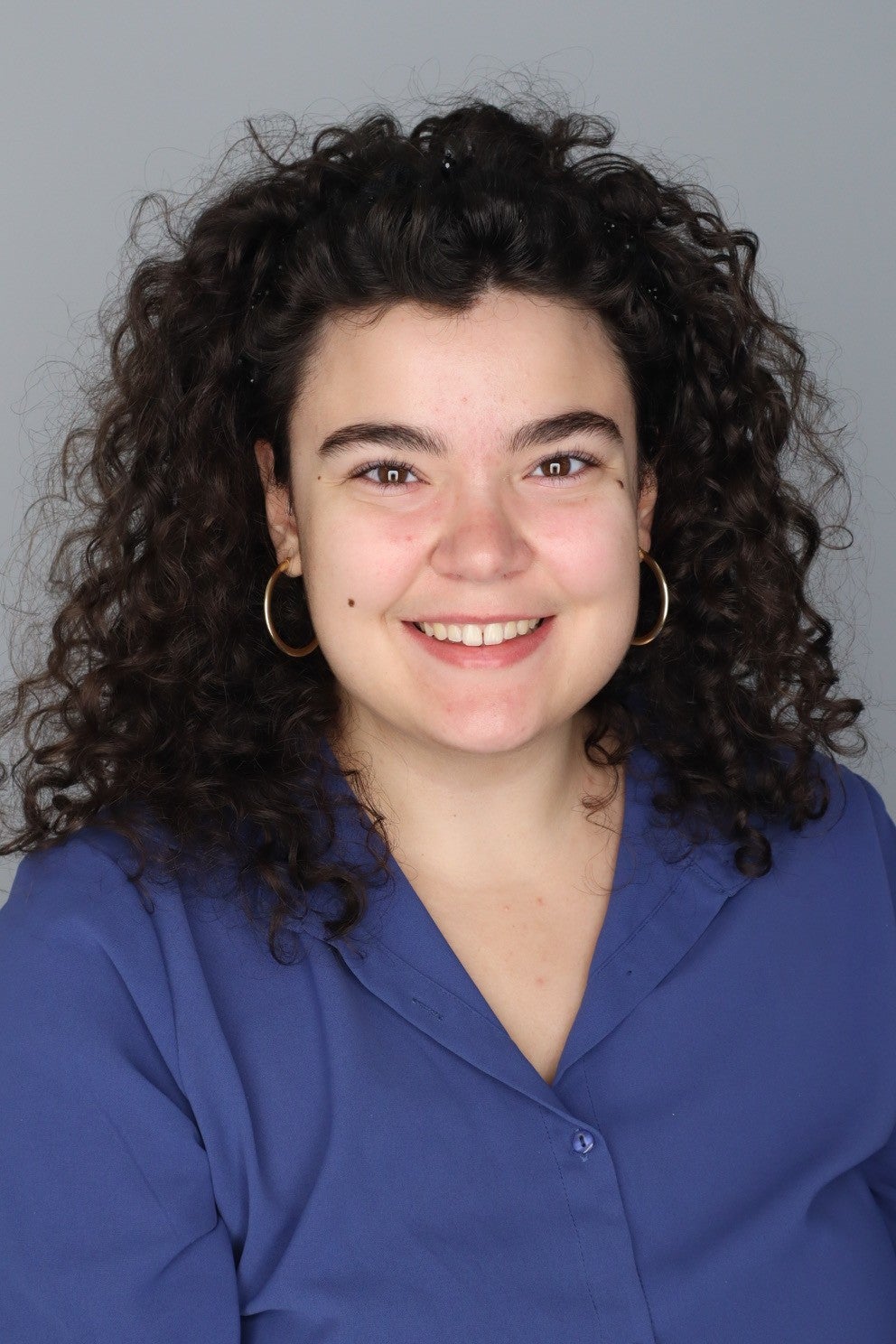
Kaylin Anne Vrkljan is a Ph.D. student in the Department of Epidemiology at Boston University School of Public Health. Kaylin graduated from Harvard College with a Bachelor’s degree in Molecular and Cellular Biology in 2022. In 2024, she obtained a Master of Science from Harvard T.H. Chan School of Public Health in Global Health and Population. Kaylin is interested in environmental determinants of mental and reproductive health outcomes among vulnerable populations, particularly disaster-related exposures.

Lisa Yamasaki, MD, is a physician at the Japan Institute for Health Security and an MPH candidate in Quantitative Methods at the Harvard T.H. Chan School of Public Health. Her research has focused on the health impacts of extreme weather events, including extreme heat and tropical cyclones, with an emphasis on social vulnerability and adaptation strategies in the Department of Global Health Policy at the University of Tokyo.
Sophie-An is a junior at Harvard College studying Environmental Engineering and Economics. She joined NSAPH in 2023 and studies how air pollution affects intergenerational economic mobility among low income American children.
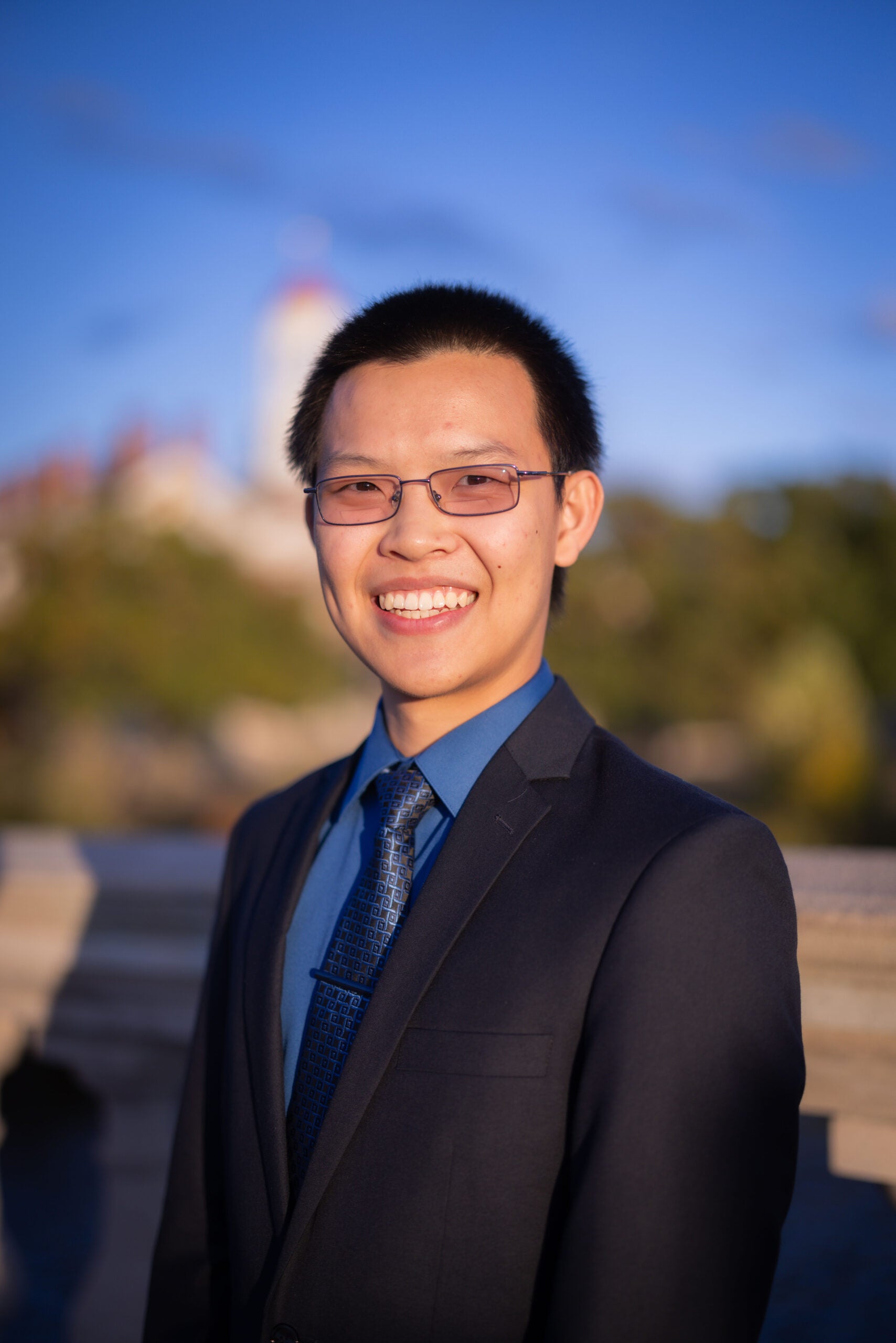
Eric is a sophomore at Harvard College planning on studying Statistics. He loves probability, and in his free time, he enjoys playing all types of games and solving puzzles.
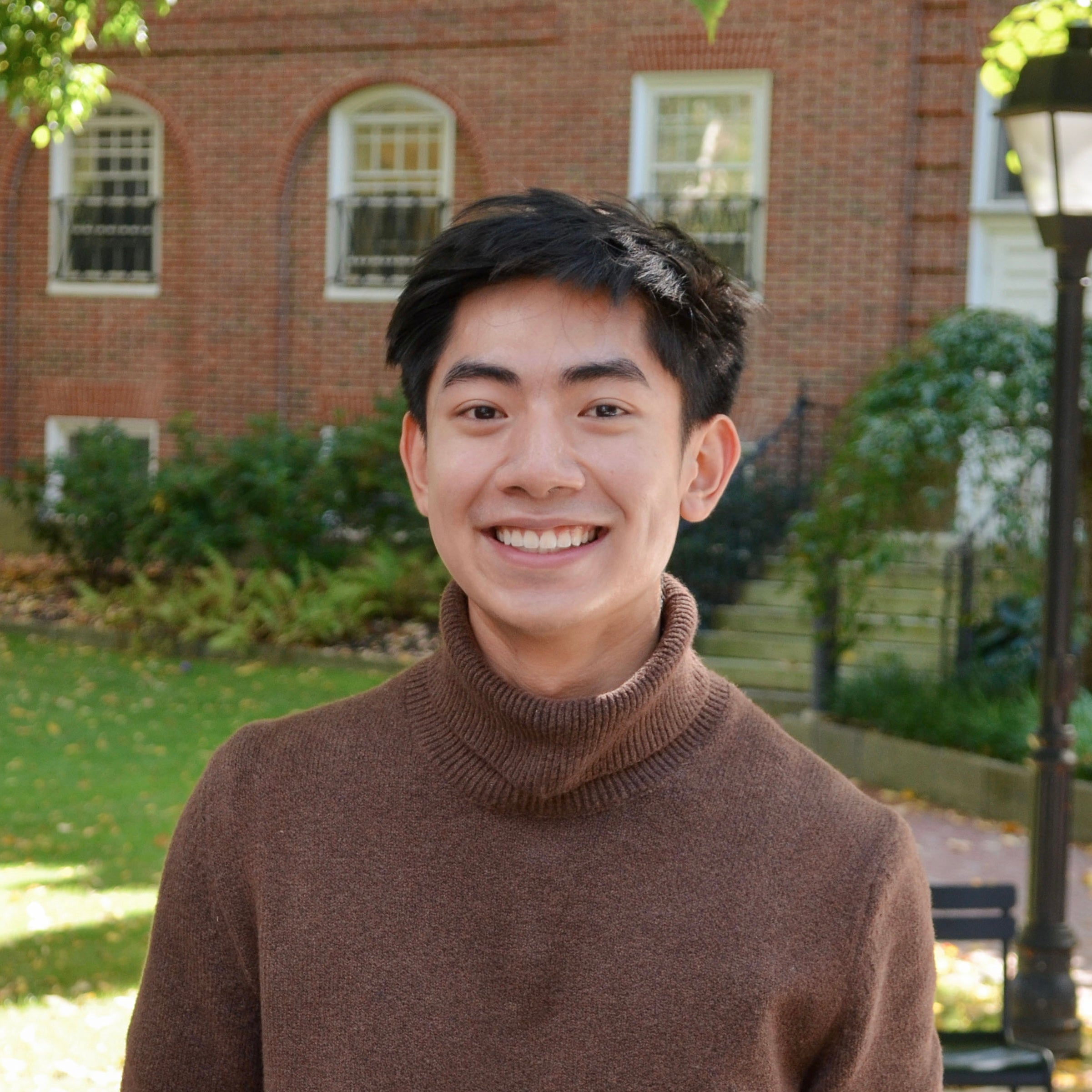
Ricky is a junior at Harvard College studying Statistics and Mathematics. He joined NSAPH in 2025 and is interested in applying data science and causal inference to air pollution.
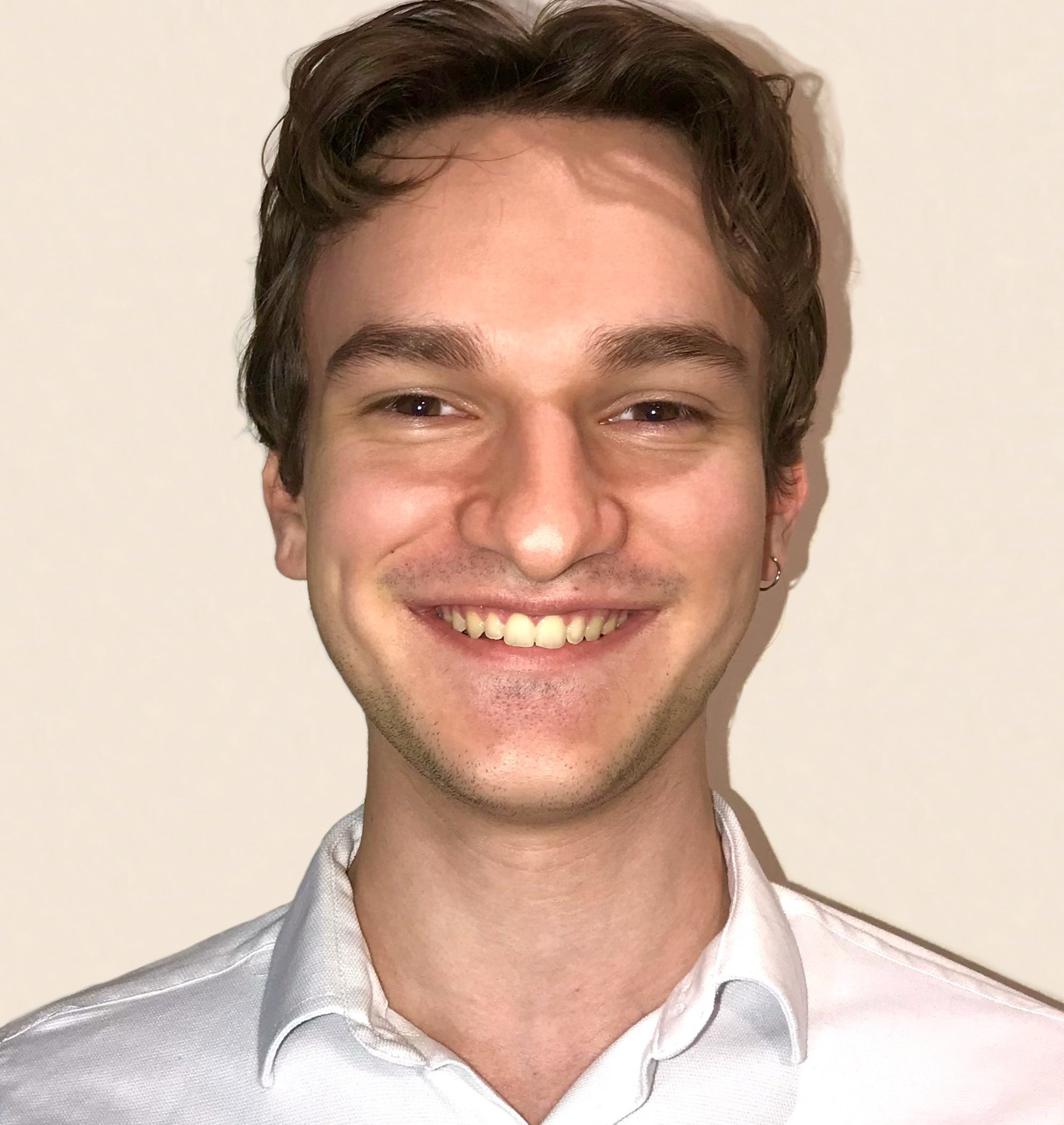
Leo Vanciu is an undergraduate student at Harvard College from Montreal, Canada. Leo is concentrating in statistics and is interested in Bayesian methods.
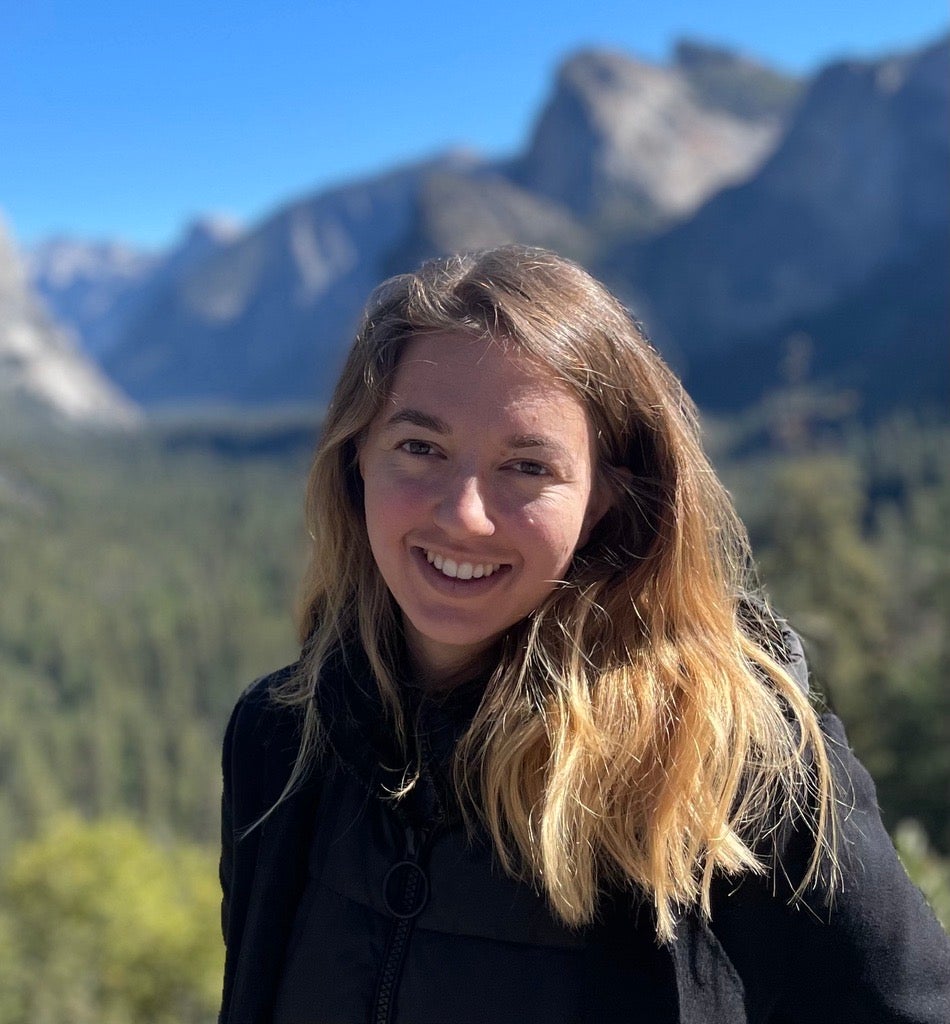
Tina-Nepheli Vartziotis is a Visiting Research Fellow at the Harvard Data Science Initiative (HDSI), a Research Engineer and Team Lead at TWT GmbH Science & Innovation in Stuttgart, and a Ph.D. candidate at the National Technical University of Athens (NTUA). She holds a Master from MIT’s Department of Civil & Environmental Engineering, which anchors her cross-disciplinary approach to sustainable digital infrastructures. Her research bridges sustainability, artificial intelligence, and urban/industrial digital twins, with emphasis on green coding and sustainable ICT. She has co-authored studies quantifying the carbon footprint of large language models and advancing sustainable software engineering practices. At HDSI, she is currently working with Prof. Francesca Dominici on projects related to data-center sustainability and environmental intelligence.
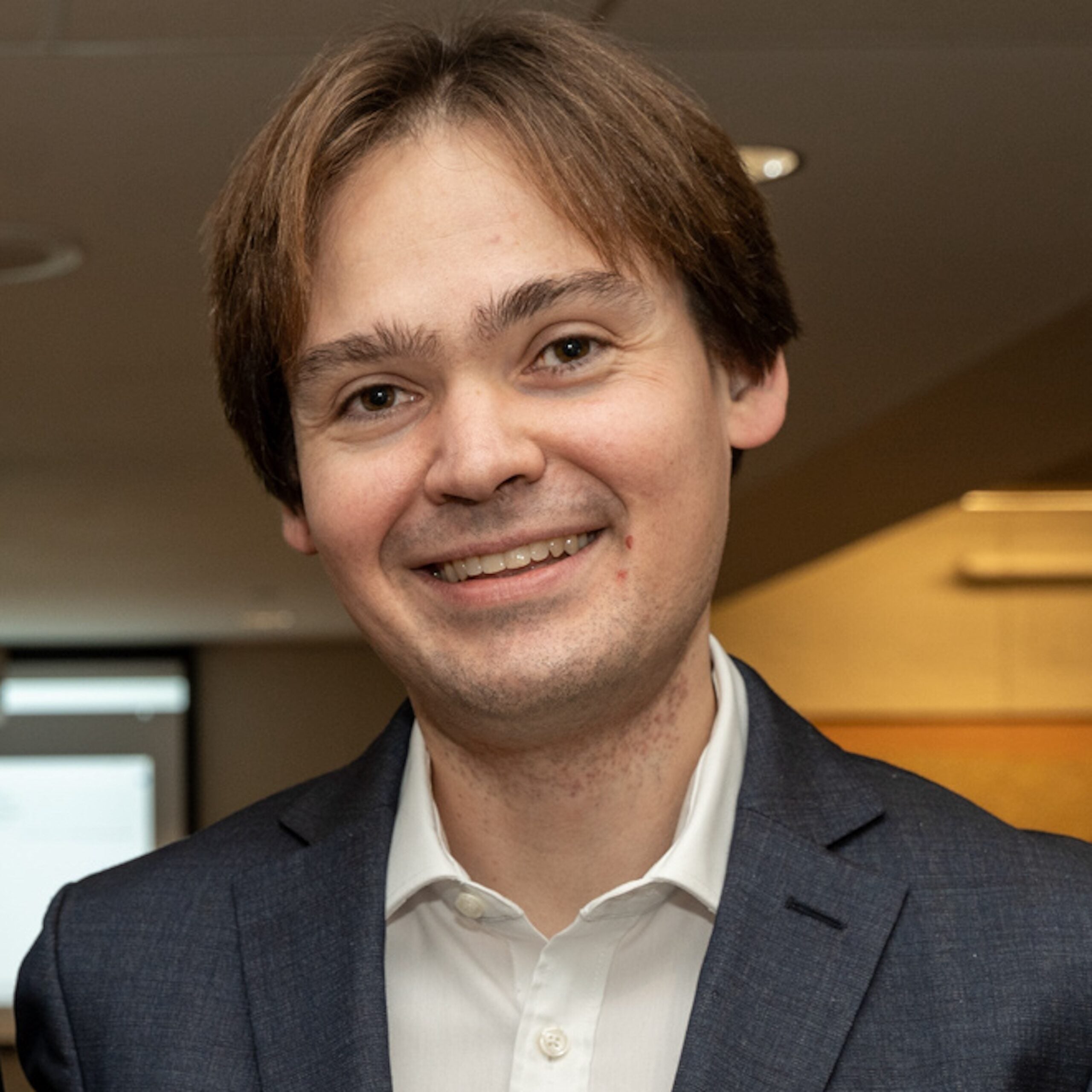
Dr. Choma is a Research Scientist at the Department of Environmental Health at the Harvard T.H. Chan School of Public Health. His research focuses on health risk assessment, with a primary interest in the use of risk assessment to inform policy decisions.
Dr. Choma’s research has focused on fine particulate matter air pollution and on the health benefits of emission controls, especially on the transportation sector, where he has assessed health benefits achieved by past regulation and new technologies, such as vehicle electrification and automation. He is also currently working to quantify the health benefits that can be achieved by reducing urban heat islands in the United States, and on new epidemiologic studies assessing the health effects of environmental radiation, including ambient particulate matter radioactivity. He has participated in several international efforts to improve the quantification of the health effects of fine particulate matter in life cycle assessment and other emission reduction and policy analyses. Dr. Choma’s research has been covered by The Associated Press, The New York Times, ABC News, The Washington Post, Popular Science, USA TODAY, The Hill, Newsweek, and other national and international news outlets.
Dr. Choma received his Ph.D. in Population Health Sciences from Harvard University, where he specialized in Risk and Decision Sciences, within the Environmental Health field of study.
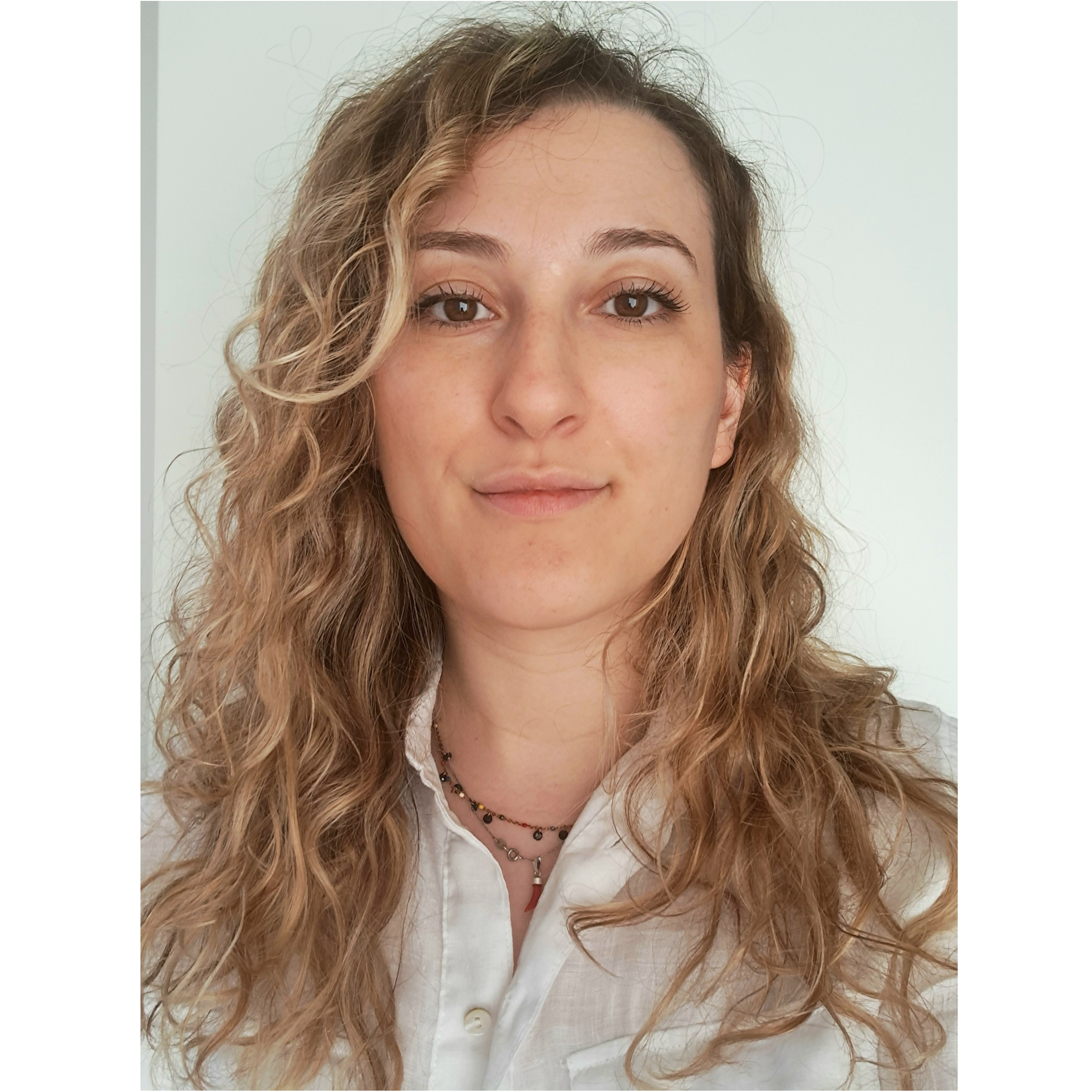
Veronica is a Research Associate at the Department of Biostatistics at the Harvard T.H. Chan School of Public Health. Her research focuses on modeling missing data mechanisms across a range of applications, from survey statistics to causal inference. She is particularly interested in the use of Bayesian inference to address complex problems in biostatistics. Currently, she works on the formalization and implementation of models for causal analysis in clinical and environmental studies.
Pedram Fard, PhD, is a Research Associate at the Department of Biomedical Informatics (DBMI) at Harvard Medical School (HMS). With a background in geoinformatics and planning, he has developed expertise in geospatial modeling and large-scale environmental data analysis.
At HMS, Pedram has contributed to multiple environmental exposure assessment studies, notably an NIH funded project to investigate the health impacts of extreme heat and cold events (EHE/ECE) exposure on elderly populations with Alzheimer’s disease and related dementias (ADRD).
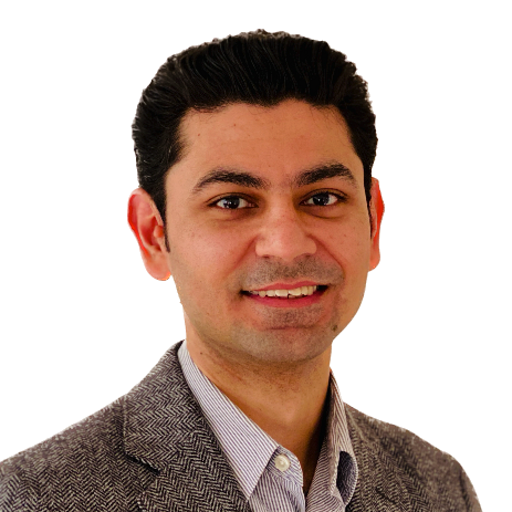
Dr. Owais Gilani is an Associate Professor of Biostatistics at Tufts University School of Medicine. He received his PhD in Biostatistics from Yale University, and completed his postdoctoral training at the University of Michigan School of Public Health in the Departments of Biostatistics and Environmental Health Sciences. Prior to teaching at Tufts, he was an Associate Professor of Statistics at Bucknell University. His research focuses on developing methods in spatial and spatiotemporal statistics with applications in environmental epidemiology. As a biostatistician, he also collaborates on projects from various disciplines.
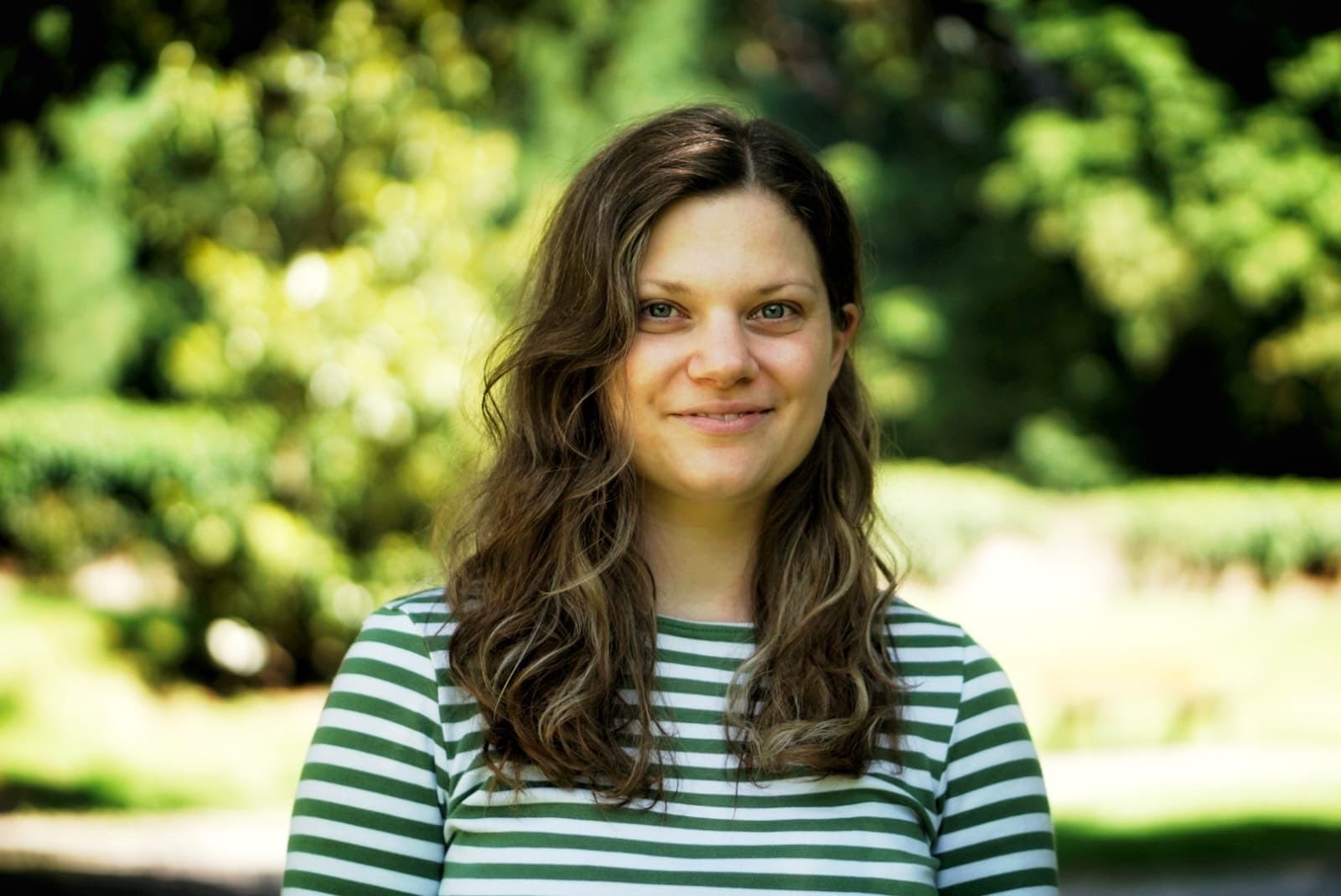
Dr. Lisa Thalheimer is a Climate Scientist at the International Institute for Applied Systems Analysis (IIASA) and Visiting Fellow at the Harvard Data Science Initiative (HDSI). In her research, she advances methods in attribution science to shed new light on the impacts of climate change on health and child undernutrition, migration, and extreme weather events. She studies how climate science can be leveraged to enhance adaptation and accountability for the impacts of greenhouse gas emissions on vulnerable populations and environments.
Dr. Thalheimer’s work has been featured in global media outlets, including the New York Times, the BBC, and PBS. Thalheimer regularly provides scientific advice and training for researchers and practitioners in the Global South. She has authored expert reports for the World Bank, UNICEF, and the Migration Policy Institute.
Mary D. Willis, Ph.D., M.P.H., is an Assistant Professor in the Department of Epidemiology at the Boston University School of Public Health. Her expertise lies at the intersection of environmental epidemiology, spatial exposure assessment, and applied data science. Much of her work also leverages econometric-based causal inference methods. She is particularly interested in how epidemiological studies can be best designed to inform health-protective policy decisions. To date, Dr. Willis has primarily focused on how on exposures from the energy sector (e.g., oil and gas development, traffic-related air pollution) and other aspects of the built environment (e.g., green space, neighborhood disadvantage) influence reproductive health outcomes.