Why the endangerment finding mattered so much for health and the climate
On Feb. 12, the Trump administration scrapped the endangerment finding, the scientific principle that underpins the U.S. government’s ability to regulate health-harming greenhouse gases and to combat climate change. In this Q&A, Mary Rice, Mark and Catherine Winkler Associate Professor of Environmental Respiratory Health at Harvard T.H. Chan School of Public Health and director of the Center for Climate, Health, and the Global Environment (C-CHANGE), discusses the importance of the finding and what the health impacts could be without it.
What is the endangerment finding, and why does it matter that the Trump administration revoked it?
The endangerment finding serves as the legal and scientific basis for the U.S. Environmental Protection Agency’s (EPA) authority to regulate greenhouse gas emissions under the Clean Air Act. Issued in 2009, the finding determined that carbon dioxide, methane, and four other greenhouse gases “threaten the public health and welfare of current and future generations.”
Once the EPA formally acknowledged that these gases were harmful, it gained both the authority and the responsibility to curb emissions from vehicles and power plants and paved the way for regulations that have cut pollution, slowed climate change, and protected health, especially in communities that have long been overburdened by nearby highways, power plants, and industrial facilities.
Repealing the endangerment finding attempts to strip the EPA of its ability to fight climate change, but the scientific evidence that greenhouse gases endanger health is overwhelming. The EPA’s claim that it has no obligation to regulate greenhouse gases is at odds with both the mission of the EPA—to protect health—and the science. The courts may well block this attempt to undo the endangerment finding and the policies built upon it.
Can you provide context about how the revocation of the endangerment finding fits into the broader landscape of Trump administration policies?
We’ve watched the federal government cut funding for health research focused on marginalized or disadvantaged groups, dismantle scientific capacity at federal agencies, and undermine the data and institutions that protect public health. The administration recently announced that it will no longer consider the value of the health benefits of breathing cleaner air. These benefits are well-described, like lower risk of childhood asthma, improved heart health, and longer life expectancy. On the other hand, the administration said it will continue to consider the expected cost to polluters of complying with environmental regulation. At every turn, the administration is creating more favorable policies for the polluters and stripping away protections for public health.
What are the potential short-term health impacts of the revocation of the endangerment finding? The long-term impacts?
Revoking the endangerment finding ignores the large scientific body of evidence demonstrating how climate change harms our health, and how greenhouse gas regulations protect us by reducing unhealthy—even deadly—air pollution.
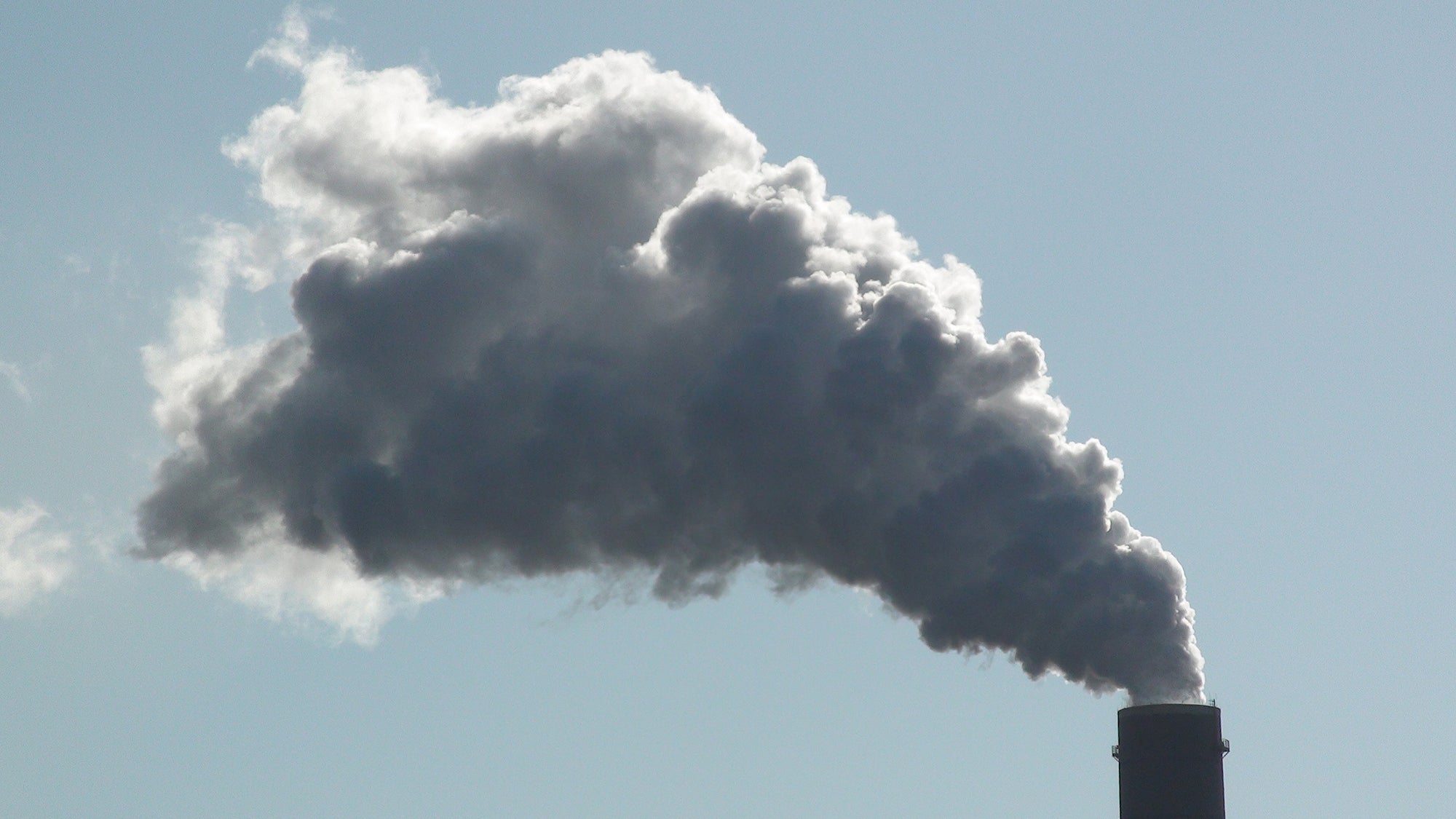
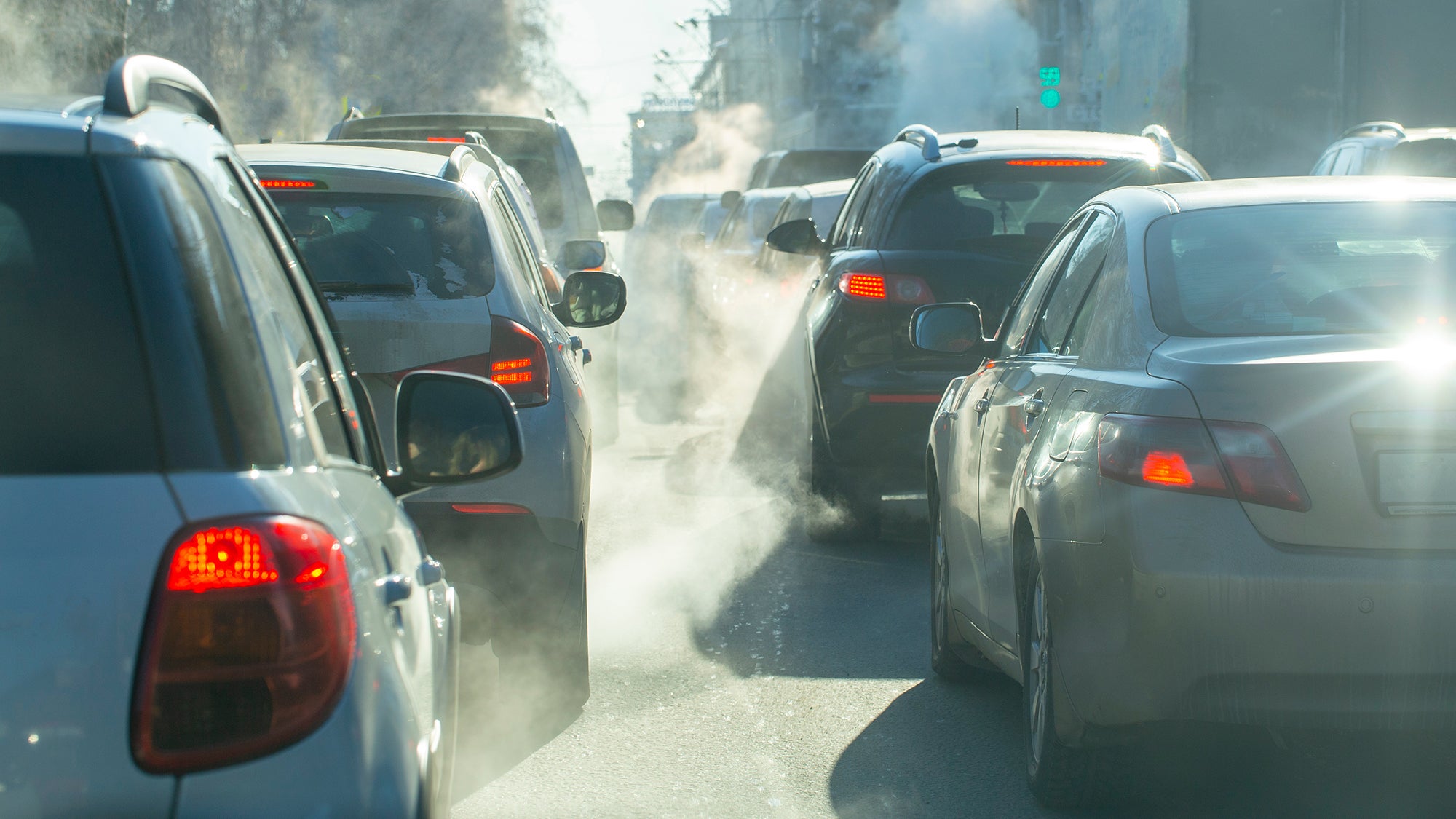
In the short term, if power plants are not required to cut greenhouse gas emissions and if vehicles are not required to improve fuel efficiency, they will release more dangerous air pollutants like fine particulate matter (PM2.5). These particles, along with other pollutants that come from burning fossil fuels, are especially toxic and are linked to increased risk of early death and chronic heart and lung disease, with higher exposures in neighborhoods close to highways, power plants, and industrial sites. In my own work, I’ve found that children highly exposed to traffic pollution have three times the odds of developing asthma compared with those living farther away. I’ve also seen evidence of lung scarring in adults exposed to traffic.
In the long term, greenhouse gases harm public health because their effect on climate change causes significant public health risks, including from increased temperatures, more frequent and severe wildfires, and more severe weather events like hurricanes and flooding. These exposures have harmful health effects, especially for kids, older adults, and communities with fewer resources to prepare for, respond to, and recover from climate disasters. To name a few:
- Hotter days are linked to more preterm births and hospitalizations for lung and heart problems.
- Warmer conditions create more ground-level ozone air pollution, which can worsen respiratory disease and increase the risk of death in older adults.
- Hot, dry conditions that extend for longer periods of time increase the risk of wildfires, which trigger asthma attacks and increase mortality. Wildfire smoke attributable attributable to climate change led to about 15,000 excess deaths from 2006-2020, according to a recent study.
- Climate change fuels more extreme storms and flooding, which can cause drowning and disrupt hospitals and people’s ability to get medical care.
Studies have shown that reduced emissions from power plants and traffic leads to lower mortality among older adults, longer life expectancy, improved heart health, and reduced risk of kids developing asthma or having severe asthma attacks if they have asthma already. Rolling back the endangerment finding puts all of this progress at risk.
Given the federal policy changes, how would you like to see researchers respond? The public?
Researchers can respond by demonstrating to policymakers, courts, journalists, and the public how air pollution and heat harm health, especially for children, older adults, and overburdened communities. A recent National Academies of Medicine report, and an expert working group on climate and health that submitted detailed public comments on the endangerment finding, documented the overwhelming scientific evidence on how greenhouse gases harm human health and welfare.
I would like to see the research community continue to respond through op-eds, media interviews, and policy briefs. I’d also like to see them support the legal community in framing evidence-based, health-focused arguments for potential court cases aimed at requiring the EPA, whose mission is to protect human health and the environment, to regulate harmful greenhouse gases. While federal progress in regulating greenhouse gases is being delayed, progress continues at the local and state level. The public can get involved locally in reducing greenhouse gas emissions by pushing for more walkable and bikeable neighborhoods, better public transit, healthier plant-based lunches in schools, more urban trees and green space, and investments in renewable energy and EV transport infrastructure. These changes improve our health by reducing our reliance on fossil fuels and can prioritize communities that have historically carried the heaviest pollution burdens.