Want berries with fewer pesticides? Here’s how to wash them
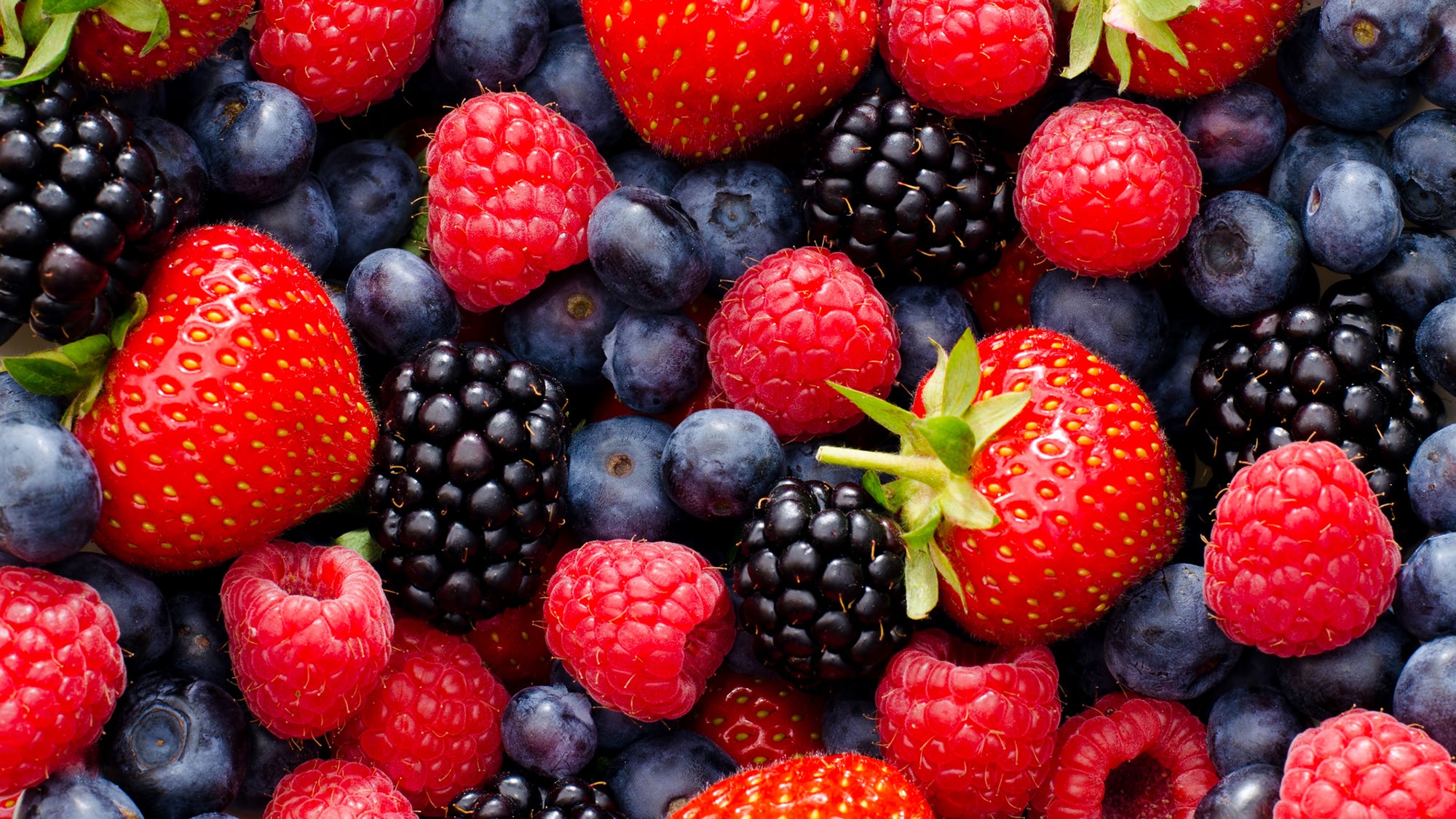
Summer berries are full of healthy antioxidants, fiber, and vitamin C—but they’re also typically laden with pesticide residue. In a June 9 CNN article, Harvard T.H. Chan School of Public Health’s Peng Gao offered recommendations on how best to wash berries to reduce their pesticide content.
The article noted that blackberries, strawberries, and blueberries are listed in the Environmental Working Group’s 2026 Dirty Dozen list—its annual compilation of the types of produce with the highest pesticide levels. Raspberries were found to be much cleaner—likely because they’re grown differently—and are not on the list.
Pesticides found on berries come from a range of chemical classes, including pyrethroids, PFAS “forever chemicals,” organophosphates, neurotoxins, neonicotinoids, and fungicides, the article noted. Such chemicals have been linked with a range of health problems, including lower sperm concentration, heart disease, cancer, an increase in genetic damage, and attention and learning problems in children.
Gao, assistant professor of environmental health and exposomics, said that the best way to avoid pesticides on berries is to buy organic. Otherwise, he recommended briefly soaking berries in a baking soda wash, using one teaspoon of baking soda for every two cups of water. Most produce can be cleaned this way with a 5-10 minute soak.
For blackberries and strawberries, Gao recommended only a 30- to 60-second dip because, with their thin skins, they’d absorb the solution if they soak too long. Blueberries can soak for one to two minutes as they have thicker skins. Produce can also be soaked in vinegar—one part white vinegar to three or four parts water—although vinegar can impact taste.
With either type of soak, produce should be lifted out of the bowl so that the dirt gets left at the bottom of the bowl, the article noted.
Read the CNN article: Summer berries can be full of pesticides. Learn the best ways to wash them