Three Harvard Chan faculty members elected to National Academy of Sciences
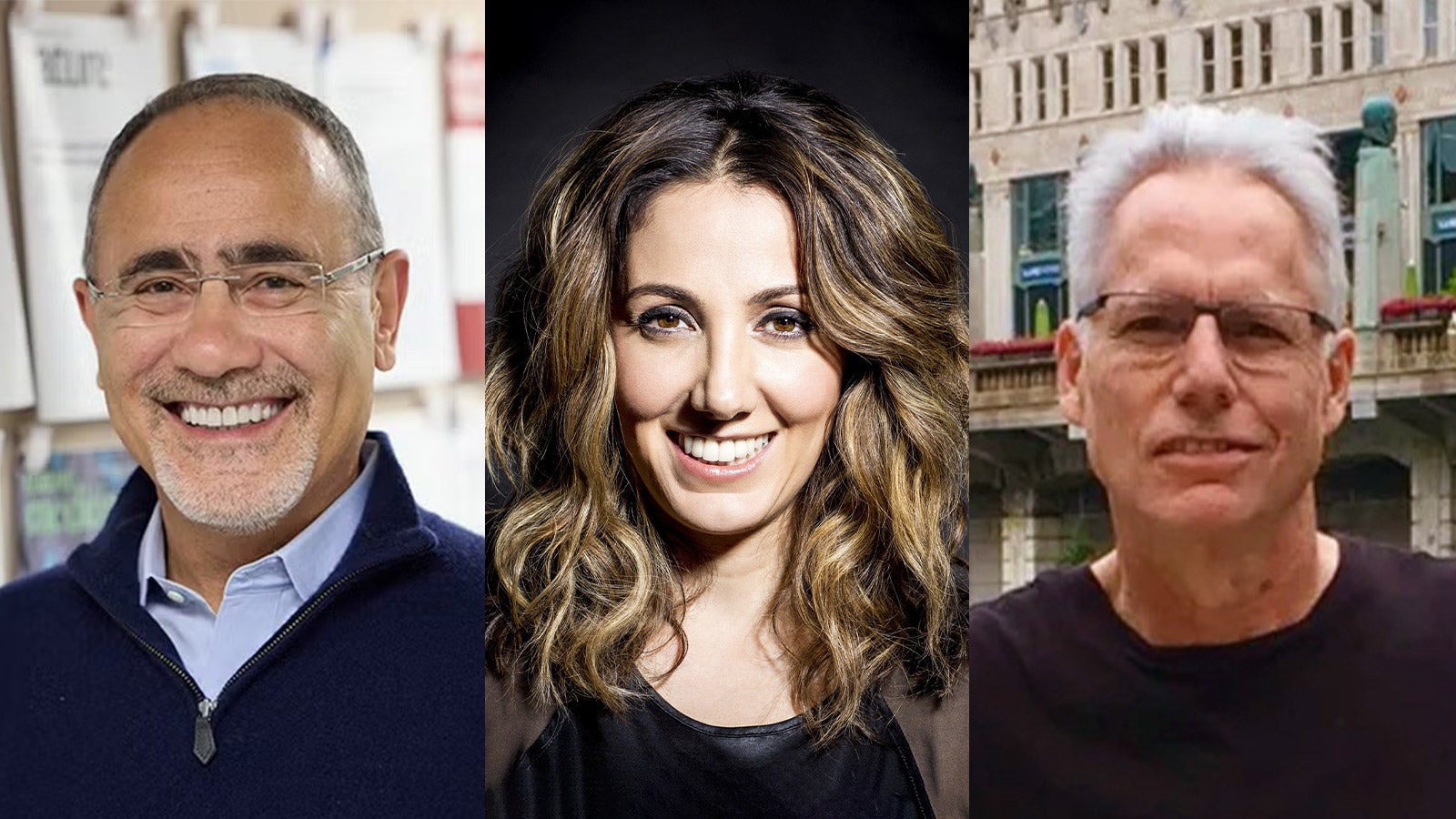
Three faculty from Harvard T.H. Chan School of Public Health have been elected as members of the National Academy of Sciences (NAS): Gökhan Hotamışlıgil, James Robins, and Pardis Sabeti.
NAS members are elected in recognition of their distinguished and continuing achievements in original research, according to an April 28 release from the organization. Membership is a widely accepted mark of excellence in science and is considered one of the highest honors that a scientist can receive.
The Harvard Chan faculty members were among 145 new electees—120 from the U.S. and 25 from other nations.
Hotamışlıgil, James Stevens Simmons Professor of Genetics and Metabolism, has been a pioneer in research efforts to explain the mechanistic basis of metabolic diseases such as obesity, diabetes, fatty liver disease, and lung and cardiovascular diseases. His work has led to the emergence of novel concepts that have altered the understanding of how metabolic and immune responses act as critical drivers of chronic diseases.
Robins, Mitchell L. and Robin LeFoley Dong Professor of Epidemiology, is an epidemiologist and biostatistician known for groundbreaking contributions to the modern field of causal inference—the process of determining whether an observed association between an exposure and an outcome is truly causal. He has advanced methods for drawing causal inferences from complex observational studies and randomized trials, particularly those in which the treatment varies over time.
Sabeti, professor of immunology and infectious diseases and a core institute member of the Broad Institute of MIT and Harvard, focuses on developing new analytical and genomic methods to study evolutionary adaptation and genetic diversity in humans and pathogens. Her computational genomic lab has contributed to widely varying fields, including human evolutionary biology, gene therapy, microbial sequencing, and information theory. In the realm of disease surveillance, she and her colleagues have initiated technologies for detecting, tracking, and countering deadly pathogens such as Ebola, Zika, Lassa, and SARS-CoV-2.
Read the NAS release:
National Academy of Sciences Elects Members and International Members