SNAP cuts raise concerns for children and families, experts say
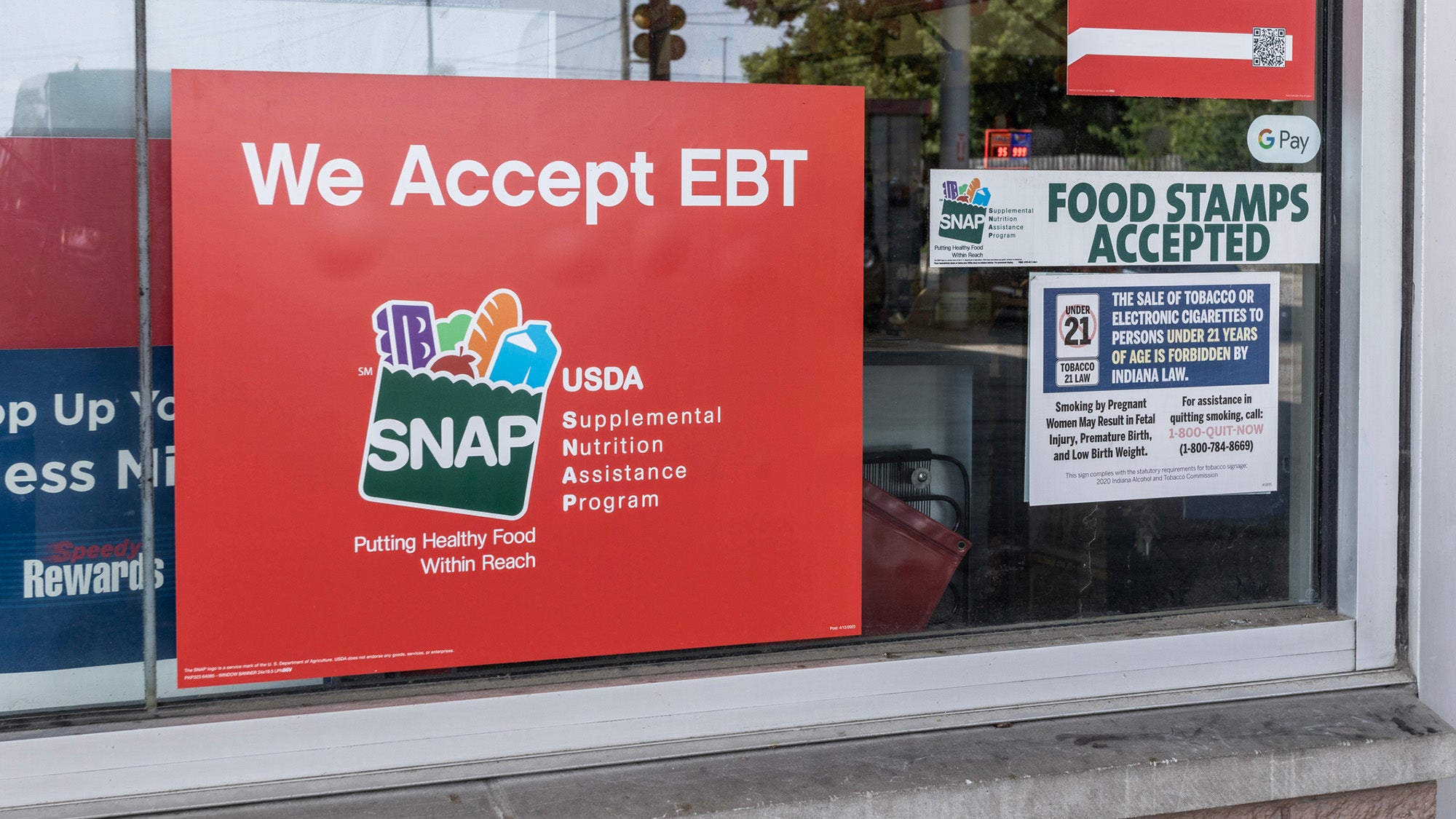
Changes to the federal Supplemental Nutrition Assistance Program (SNAP) as a result of last year’s “One Big Beautiful Bill Act” (H.R. 1) are expected to lower participation in the program, reduce benefit amounts, and lead to longer-term social and fiscal consequences, according to a new report coauthored Harvard T.H. Chan School of Public Health’s Cindy Leung, assistant professor of public health nutrition, and Elise Sheinberg, PhD, ’27.
The report, published in May by UNICEF USA, outlines the importance of SNAP in healthy childhood growth and development and offers recommendations for policy actions to prevent more children and families from going hungry.
Food insecurity takes a substantial toll on the health and well-being of children and their families and on the economy, according to the report. For example, the authors wrote, children with food insecurity have higher rates of anxiety, depression, behavioral challenges, and substance use, and struggle more academically. And in 2025, food insecurity resulted in roughly $237 billion in excess health care spending and lost productivity.
SNAP is “the nation’s primary defense against family food insecurity,” the authors wrote. “Every dollar invested in SNAP during childhood is estimated to return sixty-two dollars to the economy in long-term health savings and increased earnings. SNAP also stimulates local economies, generating about $1.50 in local economic activity per dollar spent.”
Changes to the program passed in H.R. 1 include $186 billion in reduced funding, and shifts in program costs from the federal government to state governments. In addition, work requirements expanded for older adults and certain caregivers, eligibility for many refugees and asylum seekers ended, and limitations were placed on the formula used to set SNAP benefit levels.
Concerns raised by the report include that states may tighten eligibility or reduce support. In addition, if there are fewer SNAP recipients, retailers in low-income communities may be forced to close, further decreasing access to groceries.
Policy recommendations in the report include establishing permanent state cross-agency hunger taskforces, requiring large health care providers to screen children for food insecurity, and subsidizing grocery stores in high-need communities.
Read the UNICEF USA report: Nourished From the Start: The Role of SNAP in Promoting Healthy Childhoods
Learn more
Invest in SNAP to ensure all Americans can eat real food, expert says (Harvard Chan School news)
Pressure not off for SNAP recipients (Harvard Chan School news)