New ‘Menopause at Work’ project aims to protect midlife women’s health and help them thrive at work
Thanks to a WIN Challenge grant, the Center for Health Communication will help online influencers share evidence-based information about menopause that can prompt employers to provide more support for women workers.
Harvard T.H. Chan School of Public Health’s Center for Health Communication (CHC) has been awarded a $5 million Workplace Innovation Now (WIN) Narrative Challenge grant for a project to equip online content creators to share personal stories and evidence-based information about what it’s like to deal with menopause symptoms at work. The goal, ultimately, is to shift workplace narratives about menopause and prompt employers to improve support for women workers in midlife.
The WIN Challenge—led by Aspen Digital and supported by Pivotal, a group of organizations founded by Melinda French Gates—is a $60 million grant competition to discover and scale bold ideas to help women thrive and everyone win in a rapidly changing workplace.
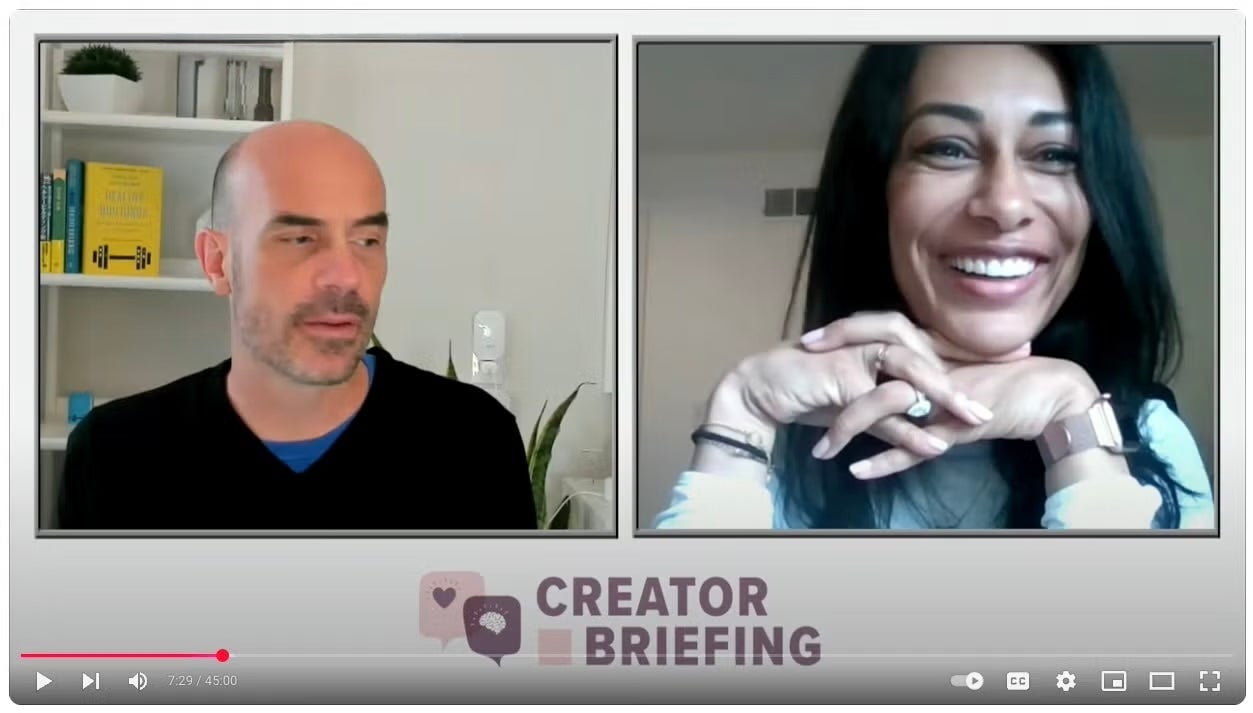
The three-year project, part of CHC’s Creator Program, is being led by CHC senior director Amanda Yarnell. The Creator Program helps equip online influencers to spread science-backed health content with their audiences, counter misinformation, and increase the public’s trust in health expertise.
“Menopausal symptoms can erode sleep, mood, focus, and health,” said Yarnell, who is also a lecturer in the Department of Social and Behavioral Sciences. “These symptoms can limit women’s ability to work, their earnings, and whether they stay in the workforce. Yet most workplaces treat menopause as private, embarrassing, or irrelevant. Many people instead learn about menopause on social media, where misleading and commercialized information dominates. Through our new project, we hope to make it easier for midlife women to find accurate information. And make menopause support central to public conversations about thriving at work, reframing it as good for women and for business.”
She noted that, according to a June 2023 Mayo Clinic study, menopause limits women’s earnings and career advancement and leads to an estimated $1.8 billion in productivity losses annually.
The project will initially prioritize health care, the nation’s largest employer and the sector with the highest concentration of midlife women. It will equip and inspire social media creators who are midlife women themselves to share evidence-based information about menopause alongside stories about their own experiences navigating menopause and work. To do so, the CHC will offer evidence-based toolkits, expert briefings, creator summits, and ongoing support.
In addition to Yarnell, others on the project team include:
- Shruthi Mahalingaiah, Mark and Catherine Winkler Associate Professor of Environmental Reproductive and Women’s Health and an OB-GYN at Massachusetts General Hospital, who will contribute menopause subject-matter expertise and participate in the program’s creator-education events;
- Meredith Rosenthal, C. Boyden Gray Professor of Health Economics and Policy, who will assess how creator-led narrative change affects workplace policies and care uptake;
- Matt Motta, associate professor of health law, policy and management at Boston University, who will evaluate how the program changes creator content and whether it shifts audience support for midlife women-centered workplace policies; and,
- Elissa Scherer, CHC program manager, who will develop and implement the program’s creator-education components
Confusing symptoms, workplace opportunities
Mahalingaiah noted that, given the wide range of symptoms that menopause can cause—including poor sleep, irritability, anxiety, brain fog, headaches, hot flashes, and more—it can be tough for women to figure out what’s going on with them, because those same symptoms can be indicative of other disorders, such as thyroid disease, anemia, or depression, or side effects from medications. She has seen her own patients look online for answers.
“They may have seen several specialists or received separate explanations for each symptom before anyone asks about menstrual changes,” Mahalingaiah said.
“They are talking with friends, searching online, and using social media—Reddit threads, TikTok, Instagram, Facebook support groups—to compare experiences and to make medical decisions. But social media cannot replace individualized medical care and may lead to misinformation.”
That’s why she’s hopeful about the CHC project. “I’m really excited to be able to share information that’s based in science and facts with influencers,” she said. “The transition through menopause has been framed as a negative. I’d love to see how we can reframe it and bring resources to people so that they can thrive through the transition both personally and professionally.”
From Rosenthal’s perspective, the CHC’s WIN Challenge grant is “exceptional” partly because “it will test an intervention that is designed to build trust and communicate evidence-based practices both to people experiencing symptoms of menopause and the people positioned to support them in the workplace— especially human resources staff, benefits managers, and supervisors. The project recognizes the interplay between health and workplace policies. And insights about these dynamics have the potential to highlight employer policies that promote physical and mental health and wellbeing for women experiencing menopause symptoms—and at the same time improve productivity.”
Sasha Hamdani is a psychiatrist and content creator who attended the CHC’s first creator summit in August 2023 and who serves on this year’s advisory board for programming for the Creator Program. Hamdani said she sees the new project as a critical advancement to public health. She noted that, too often, women are expected to “silently manage” a host of menopause symptoms that seriously impact their lives. “I’m thrilled that, through this project, menopause will be getting the attention it deserves.” She added, “The workplace has a major role to play in reducing stigma, improving education, and creating environments where women do not have to choose between their health and their professional identity.”
A growing program
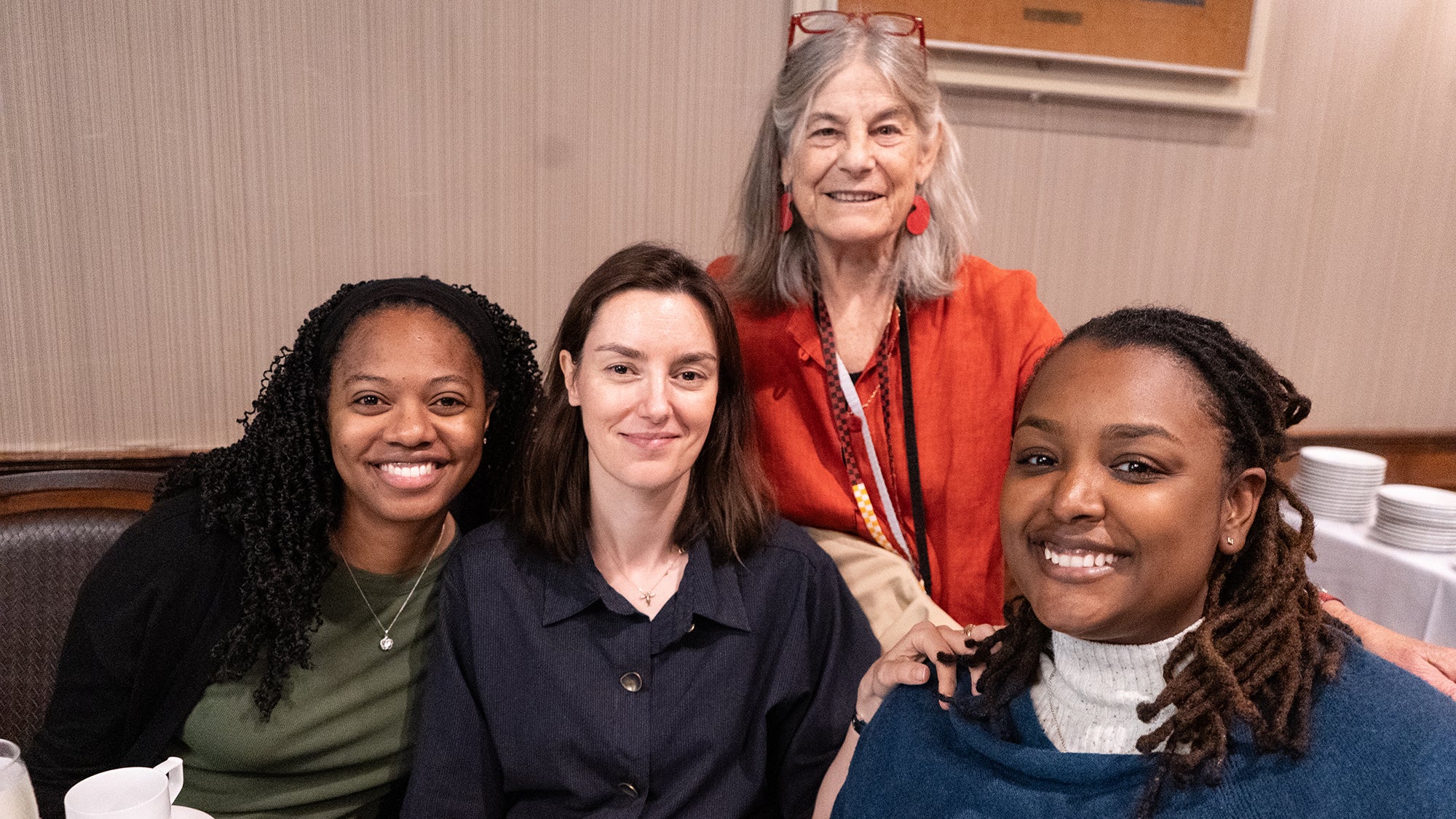
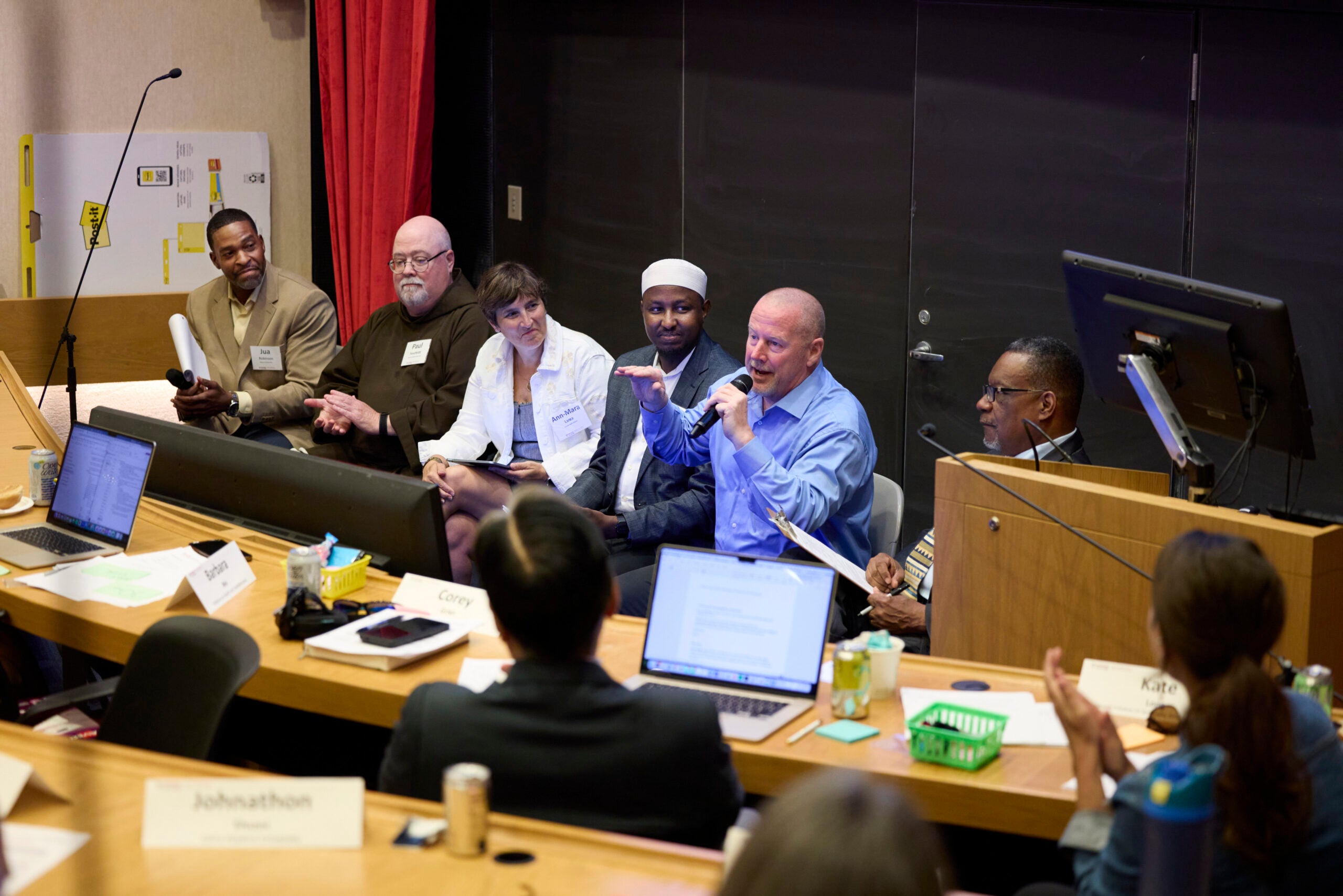
The menopause project builds on Yarnell’s ongoing work on the Creator Program. More than 1,400 creators, collectively reaching hundreds of millions of people, have joined the program since its inception in 2023. The program provides content toolkits on a wide range of topics—such as suicide, racial discrimination, teen mental health, fatphobia and weight discrimination, climate grief, and trauma—and holds periodic briefings for creators. In addition, the program has hosted two in-person summits on campus, with a third one set to convene later this month.
Evidence suggests that the Creator Program’s efforts are working: A 2026 study co-authored by Yarnell and Motta found that providing training in mental health communication to social media content creators helped improve their audiences’ abilities to gather and understand mental health knowledge and boosted their emotional support skills.
Yarnell noted that, in partnership with Tennessee’s Meharry School of Global Health, the Creators Program has been able to further diversify the ranks of its creators over the past year—a key effort in reaching communities that public health has struggled to reach in the past. “We hope to continue to recruit really diverse cohorts going forward,” she said. “Especially in regard to menopause, we know that care uptake is lower for Black women, for example, than white women. We want to make sure that our creators reach them.”
Generous past funding from nonprofits such the Doris Duke Foundation and the Robert Wood Johnson Foundation has provided crucial support for the Creator Program, Yarnell said, and this support “has really helped us demonstrate the evidence base for our work.” With the new WIN Challenge award, she continued, “We have the opportunity to really scale up—reaching many, many more creators—and give them the kinds of tools and support they need to do the important work of sharing fact-based health information across wide audiences.”