Minimizing exposure to chemicals in the home
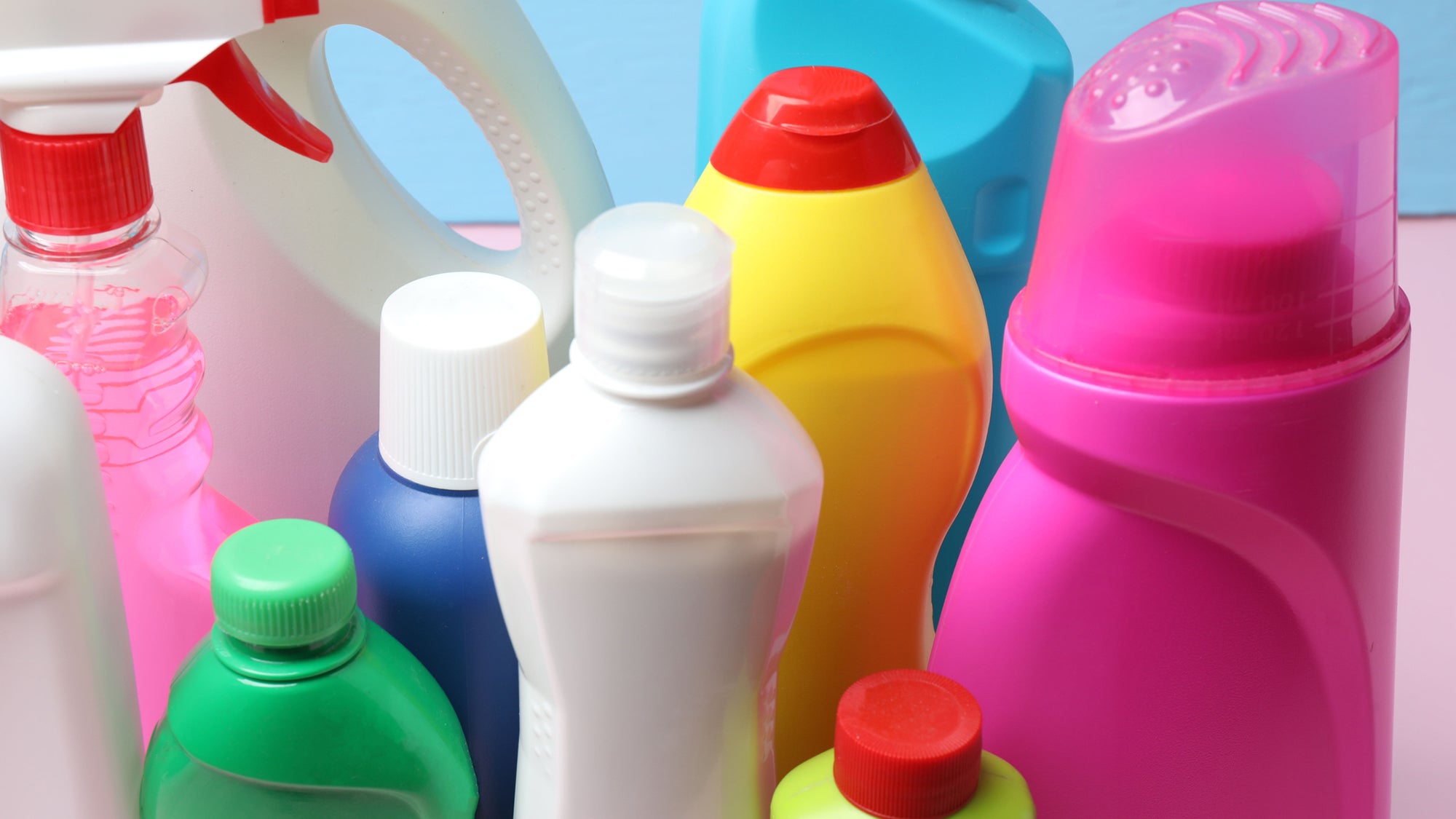
A slew of common household items, such as cleaning supplies, vinyl flooring, shower curtains, carpet pads, and couches, contain endocrine disruptors—chemicals that have been linked with health problems including asthma, fertility issues, thyroid disease, and cancer. But there are simple steps people can take to minimize exposures, according to Robin Dodson, research associate in environmental health at Harvard T.H. Chan School of Public Health and senior scientist at the Silent Spring Institute.
In a June 8 Q&A on Katie Couric Media, Dodson spoke about the dangers of some everyday items and ways people can protect themselves.
“People are often surprised to learn that chemicals can affect our bodies in ways that are similar to well-established risk factors for cancer and other diseases,” Dodson said.
She said that people can be exposed to harmful toxins through direct contact with building materials or consumer products that contain PFAS (polyfluoroalkyl substances), flame retardants, pesticides, phthalates, or other chemicals. Such chemicals can also leach into household dust and air.
Dodson recommended several steps to take to lessen exposure:
- Remove shoes at the door, since chemicals can enter the home via the soles.
- Avoid vinyl—in items like flooring, wallpaper, window shades, mattress protectors, and shower curtains—because it contains phthalates.
- Avoid carpets or rugs with adhesive backing or recycled foam pads, which can contain flame retardants.
- Choose wall paint low in VOCs (volatile organic compounds) and APE-free (free of the endocrine disruptor alkylphenol ethoxylate).
- When it’s time to swap out an old couch, look for one that is free of flame retardants.
- Skip products that are stain- or water-resistant; they’re likely to contain PFAS.
- Avoid cleaning products with fragrance, which can be a source of phthalates; instead, use mixtures made of basic ingredients like vinegar or baking soda.
- Vacuum weekly with a HEPA filter vacuum to pick up dust, which is a major reservoir for chemicals.
- Ensure good ventilation when cooking.
- Wash hands before eating.
Said Dodson, “Keep in mind that every small step you take reduces your exposure and reduces your risk of health problems later on. Also, when people choose safer products, it sends a signal to the market and encourages companies to offer better alternatives.”
Read the Katie Couric Media article:
Creating a Home That’s Safe from Toxic Chemicals