Link between shingles vaccine and slowed dementia is ‘promising,’ says expert
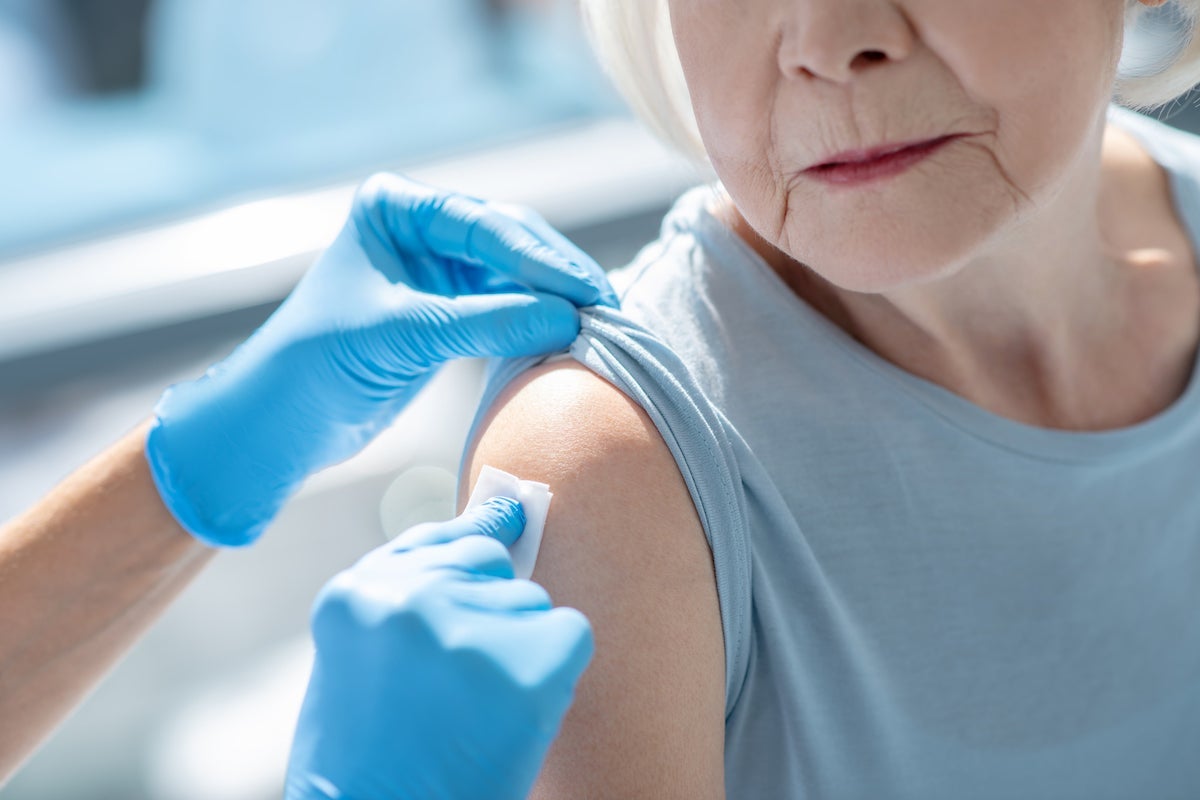
A new study suggests that the vaccine for shingles may also be protective against dementia—findings that Harvard T.H. Chan School of Public Health’s Alberto Ascherio calls “promising.”
Ascherio, professor of epidemiology and nutrition, was among the experts quoted in a Dec. 2 Washington Post article about the study, which was led by researchers at Stanford University. (Ascherio was not involved.) Leveraging a natural experiment in Wales, researchers compared the cognitive outcomes of two groups of older adults—one that received the shingles vaccine, and another that didn’t because they missed the eligibility cutoff. The study found that, among the vaccinated, those who remained cognitively healthy were less likely to develop mild cognitive impairment, and those who did develop dementia were nearly 30% less likely to die from it over the course of nine years.
The results “suggest that there is a slowing of this degenerative process,” Ascherio told the Post.
More research is needed to confirm the findings—but the study is a particularly strong one, Ascherio and others pointed out, because of its randomized controlled nature. While observational studies have previously suggested that common vaccines—including for shingles—may reduce dementia risk, these studies carry a “healthy vaccine bias,” Ascherio said. “People who get vaccines tend to be healthier in general than people who don’t.”
All in all, he said, the study is promising because it suggests that something can be done to stave off dementia, for which there are few effective treatments. “Obviously, the [shingles] vaccine was not designed or optimized to prevent dementia, so this is sort of an incidental finding,” Ascherio said. “In some ways, we are being lucky.”
Read the Washington Post article:
Shingles vaccine may actually slow down dementia, study finds