Learning by serving: Rose fellows reflect on lessons from the field
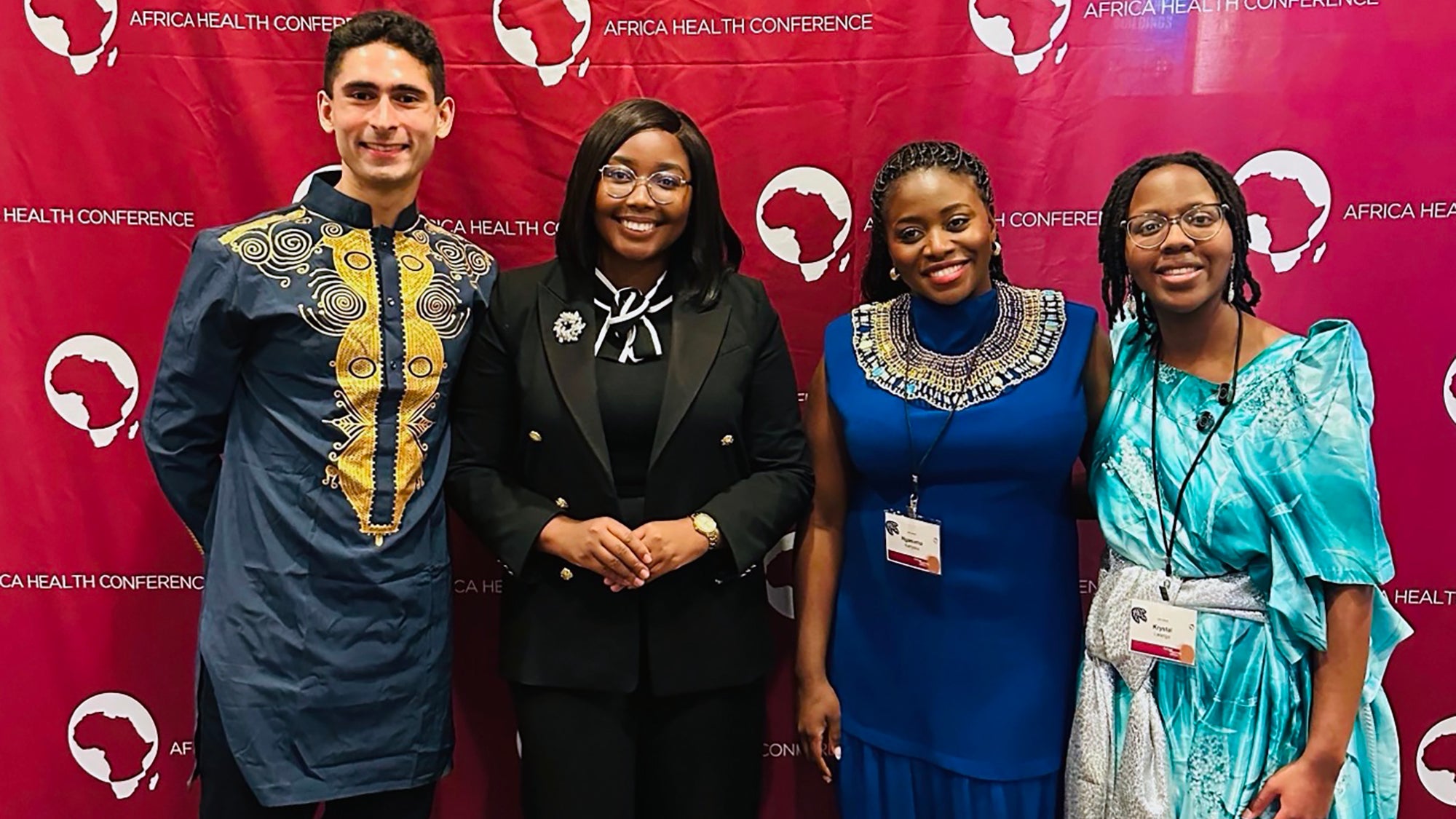
Over the past eight years, 245 students and postdoctoral fellows from Harvard T.H. Chan School of Public Health have received funding for community-engaged field projects from the Rose Service Learning Fellowship.
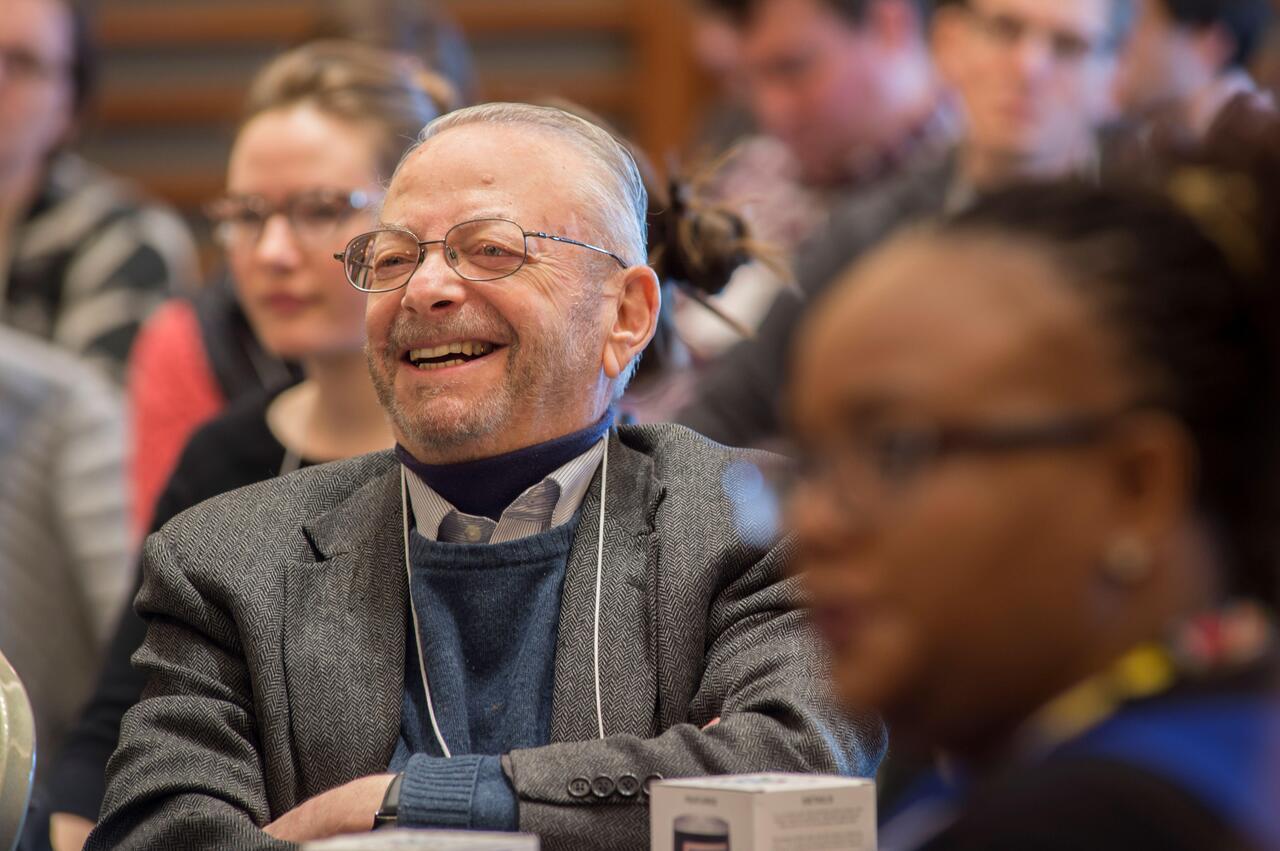
Established through a gift from Deborah Rose, SM ’75, the program combines peer learning, reflective activities, and immersive work experiences. The focus is on engaging fellows as learners in the field, while emphasizing the importance—and challenges—of acting in service to others.
Fellowships are awarded at the end of the fall and spring semesters and are open to any student or postdoctoral fellow who has completed at least a semester of coursework. To qualify, students must demonstrate that their projects meet a community-identified need, and that they will work in collaboration with local partners.
Three fellows recently published blog posts reflecting on their projects.
Improving clean water access in Rwanda
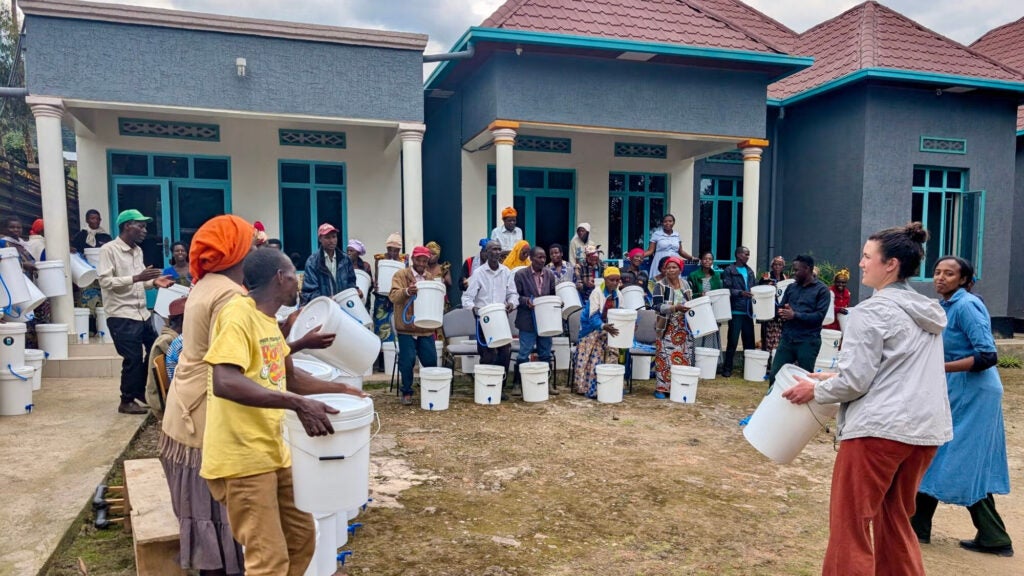
Cora Cunningham, SM ’26, is pursuing a degree in the Department of Global Health and Population with concentrations in humanitarian studies and maternal and child health. Her project evaluated a program to distribute simple household water filters in communities surrounding Volcanoes National Park in Musanze District, Rwanda, where access to safe water is limited. Building on her previous internship experience helping improve access to water, sanitation, and hygiene (referred to as WASH), Cunningham worked in January with Rwandan and US-based organizations to distribute filters, test water for E. coli contamination, and survey households about their use of the filters. She and her colleagues hoped to build an evidence base to ensure the project’s sustainability and to inform strategies for implementing it on a larger scale.
In her post, she described how her role was to work as a bridge between those on her team with technical expertise and those who brought local knowledge such as the value of incorporating dance in public health messaging. “Whether through one home, one school, or one village, but always with many dance parties, I have witnessed WASH transform the health of communities,” she wrote. “Lasting change is built in collective movement, gratitude, and togetherness. Together, we are mighty.”
Building patient-centered cancer care models in Kenya
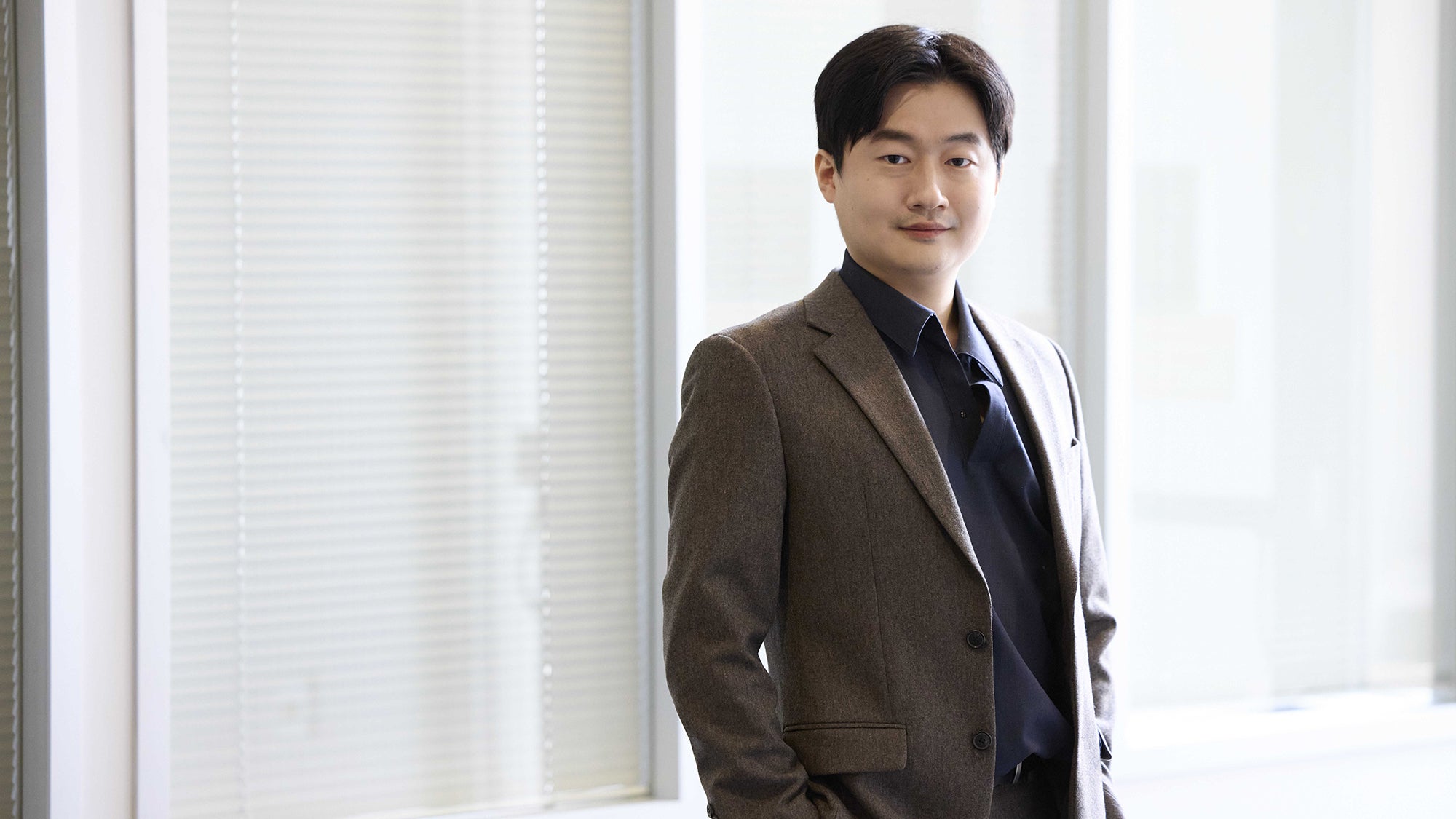
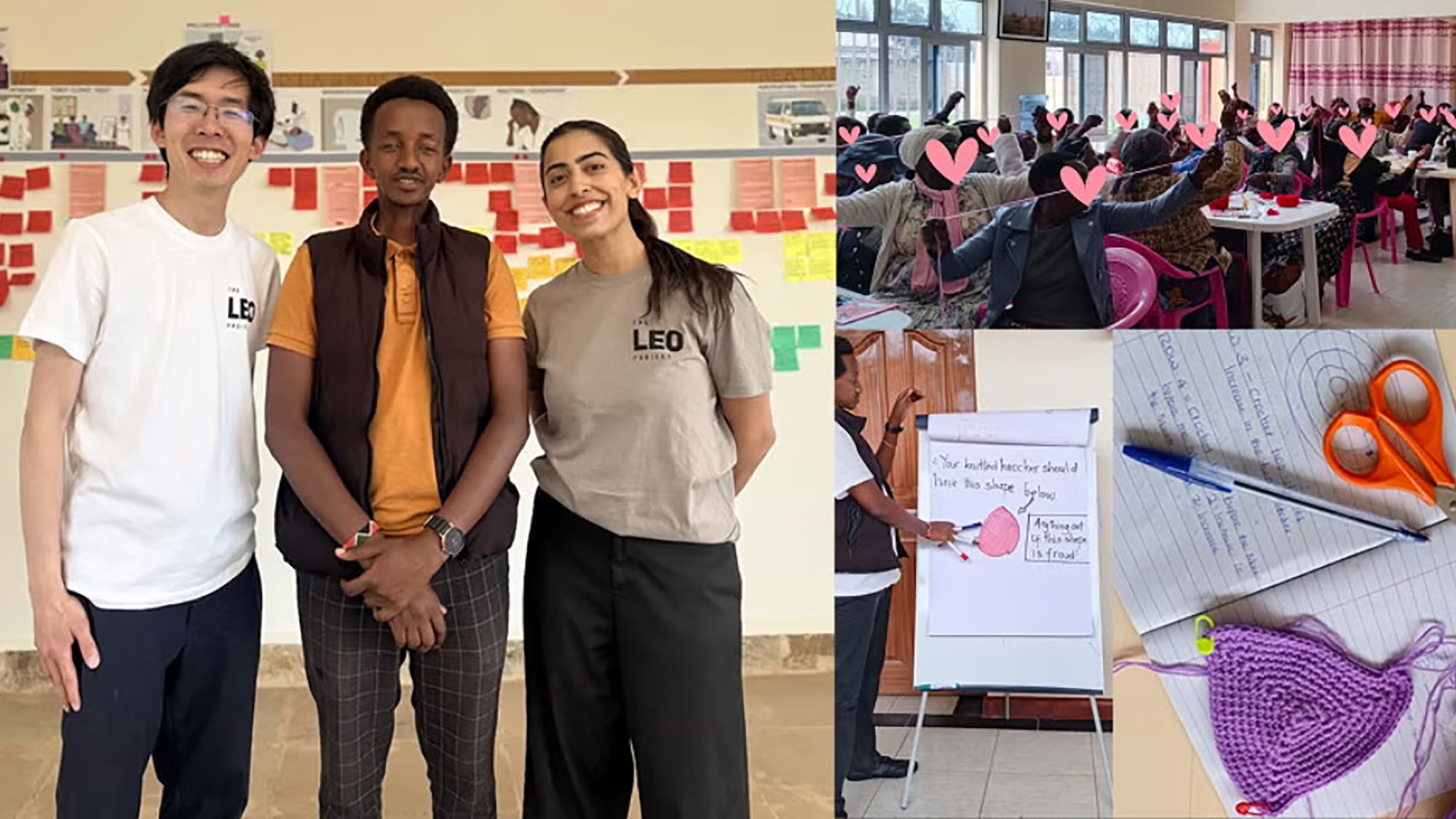
Sonali Verma, MPH ’26, is an experienced researcher with a focus on health systems strengthening and a background that includes working in the private sector on AI imaging and diagnostic tools. She knew from the start of her MPH in the Department of Global Health and Population that she wanted to work on a cancer care delivery and implementation project and found a mentor in Jessica Danforth, MPH ’25, whose nonprofit The Leo Project is building a cancer center in rural Kenya. Starting in September, Verma and her practicum teammate Renny Honda, MPH ’26, (also a Rose Fellow) worked with Danforth’s team and community members to co-design cancer care delivery models grounded in the experiences of local patients. They spent three weeks on-site in January, learning from cancer survivors and advocates.
She wrote that the experience has given her a new perspective on what global health practitioners mean when they label a place resource-constrained. “When we center only on system failure, we can unintentionally flatten communities instead of recognizing agency. Often, global health narratives overlook the fact that capability already exists within communities,” she wrote. “Our role is to help surface, connect, and strengthen what is already there.”
Supporting mental health in Madagascar
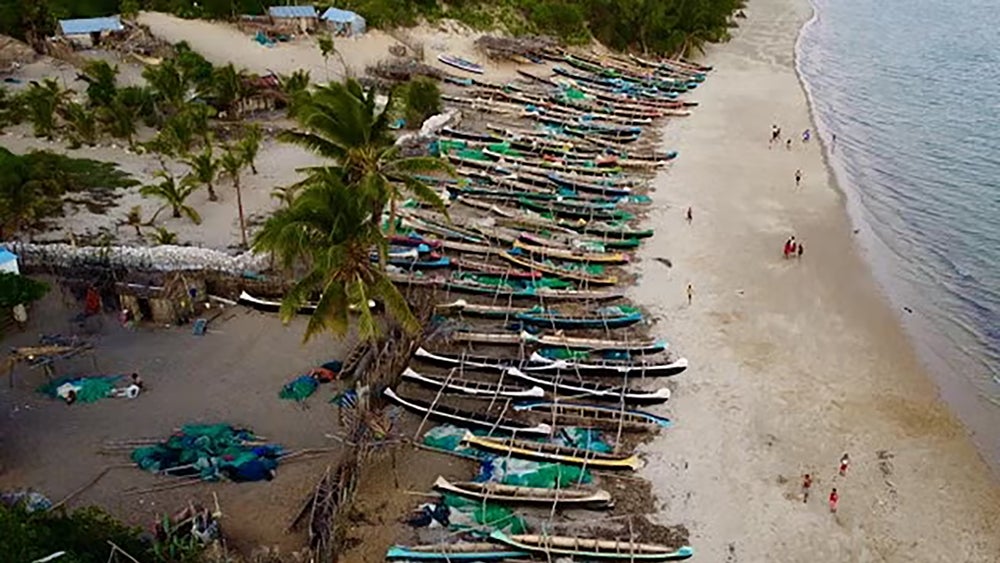
Hervet Randriamady, PhD ’26, has conducted research on climate change, food insecurity, and mental health for his doctoral dissertation since 2022. His work includes documenting the mental health effects of climate change in his home country Madagascar, a nation that lacks many mental health care specialists.
During his research, Randriamady spoke with people in southwestern Madagascar who are knowledgeable about mental health and work with patients, including community health workers and traditional healers. He wrote that their lived experiences gave him a vital education in global mental health. “I learned far more from participants when I first allowed myself to be vulnerable. I let them know that I did not have all the answers and that the answers emerged from them,” he wrote.
A few years later, he decided to apply for a Rose Fellowship and develop a project to give back to the community. Last summer, he co-led a training workshop on mental health with the local organization Omena. It aimed to provide non-specialists with skills that they can incorporate into patient care to support mental health, such as how to administer a screening tool for depression.
Reflecting on his research and fellowship experiences, he wrote that he is ending his academic experience committed to “lifelong learning in the pursuit of veritas.”