Aisha Yousafzai, Sonia Hernandez Diaz, Karen Emmons honored at Alice Hamilton Award lecture
October 8, 2020—Growing up, Aisha Yousafzai observed that her two cousins with developmental disabilities, who lived in different parts of the world, were living unequal lives. Although both were loved and cared for, they had vastly different resources and opportunities because of where they lived. So when she began her doctoral training, Yousafzai set out to determine what research could help address that gap and ensure that all children are able to realize their potential. Now associate professor of global health at Harvard T.H. Chan School of Public Health, Yousafzai was honored for her work in early childhood development with this year’s Alice Hamilton Award.
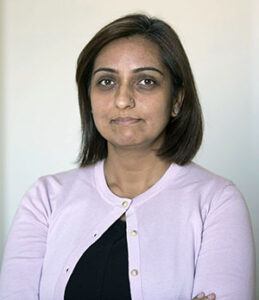
Presented annually by the School’s Committee on the Advancement of Women Faculty (CAWF), the award recognizes a female faculty member for her impact in public health and future promise. It also honors the memory of Hamilton, a pioneer in the fields of toxicology and occupational health, who was the first woman appointed to the Harvard faculty. This year’s award lecture was held virtually on October 1, 2020.
CAWF co-chairs Josiemer Mattei, Donald and Sue Pritzker Associate Professor of Nutrition, and Sebastien Haneuse, associate professor of biostatistics, led the presentation of awards to Yousafzai, and to Sonia Hernandez Diaz, professor of epidemiology, who was recognized for mentorship, and Karen Emmons, professor of social and behavioral sciences, who was recognized for service to the community of women in science at the School.
Marcia Castro, Andelot Professor of Demography and chair of the Department of Global Health and Population, introduced Yousafzai, who she called a “remarkably productive scholar, inspiring and truly gifted teacher, dedicated and supportive mentor, and superb colleague.”
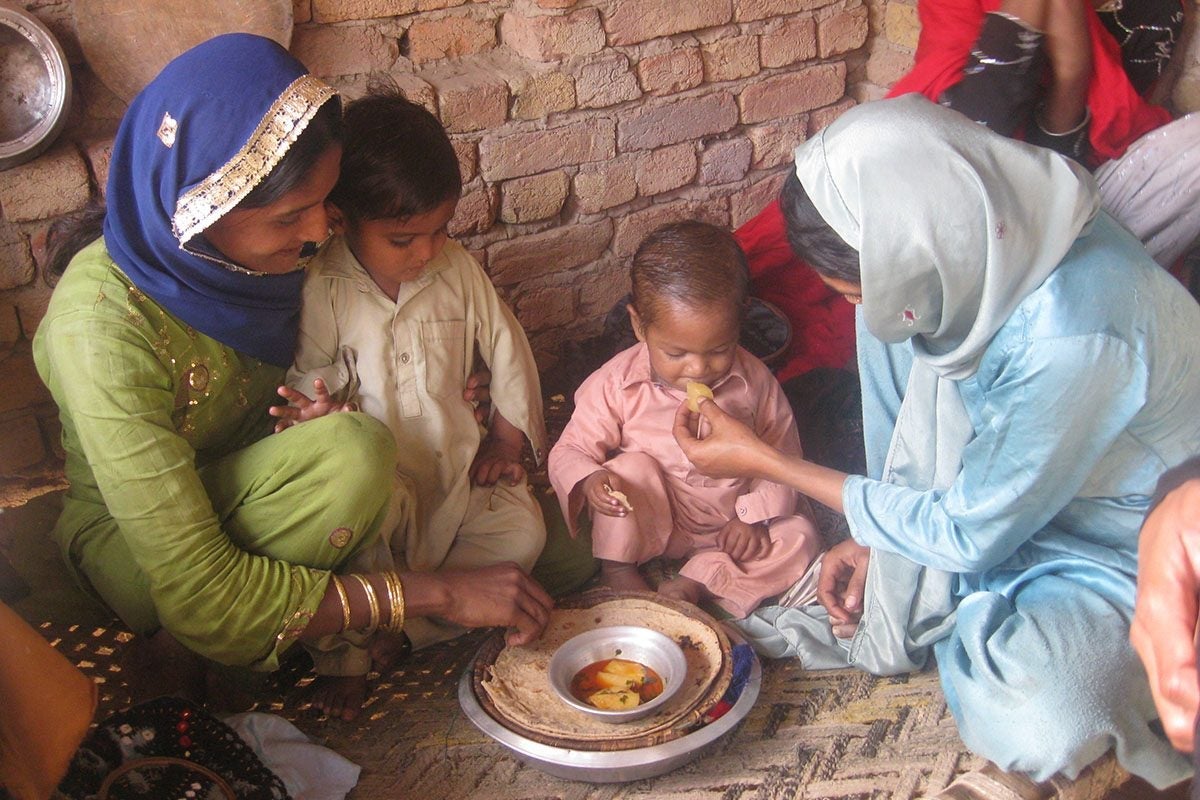
Yousafzai is the principal investigator of two large randomized controlled trials focused on early childhood development in Pakistan—Pakistan Early Child Development Scale-Up (PEDS) and Youth Leaders for Early Childhood Assuring Children are Prepared for School (LEAPS). Her work with the PEDS trial includes looking at whether the Pakistan’s Lady Health Workers program—which provides home visits to promote health and nutrition in mothers and young children—could also effectively promote children’s development. Through LEAPS, she and her colleagues established a training program for young women to become preschool teachers and placed trainees in villages with no established preschool services.
In her award lecture, Yousafzai explained that the human brain develops the most during the first three years of life, and that early positive and negative experiences can create a foundation for future health and wellbeing. Interventions that help foster environments where protective factors outweigh risk factors can help reduce inequalities and set children up for better trajectories into adulthood, she said. Yousafzai’s work also involves looking at what makes early childhood interventions effective or ineffective, and how they can be improved.
In a poignant moment, Yousafzai dedicated the lecture to her mother, who passed away earlier this year. “Our parents are our first advocates and champions,” she said. “We must prioritize investments in young children and in programs and policies that support and empower families and caregivers, because this can change the life course for generations to come.”
Mentorship and service awards
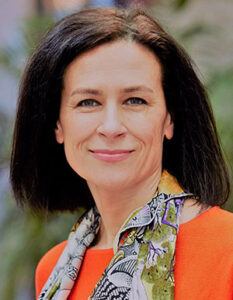
Carmen Messerlian introduced Hernandez Diaz for her mentoring award, praising her professional accomplishments—including recent work on the impact of COVID-19 infections during pregnancy—and her generosity with her time.
Hernandez Diaz shared advice she gives to her mentees: “Do not compare yourself with others around you, and find your own path,” she said. “Work hard, and work efficiently, and go for high quality in the things that you want to do.”
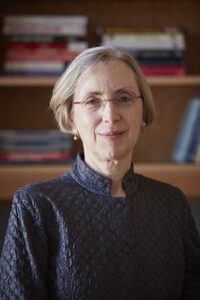
In remarks for her service award, Emmons spoke about a conversation she had with her father about her career, shortly after earning her PhD. He told her, “There are many ways to lead.” Reflecting on what that means during the pandemic and the current political moment, she said, “We have to hope to find our way to lead through the darkness in whatever form that takes in our community,” and to lift up others in need.
The event also featured introductory remarks from Dean Michelle Williams, who spoke about Hamilton’s path-breaking legacy in her field and at Harvard.
Top photo: Courtesy of Aisha Yousafzai