Alumni Spotlight: Dr. Abhiyant Tiwari
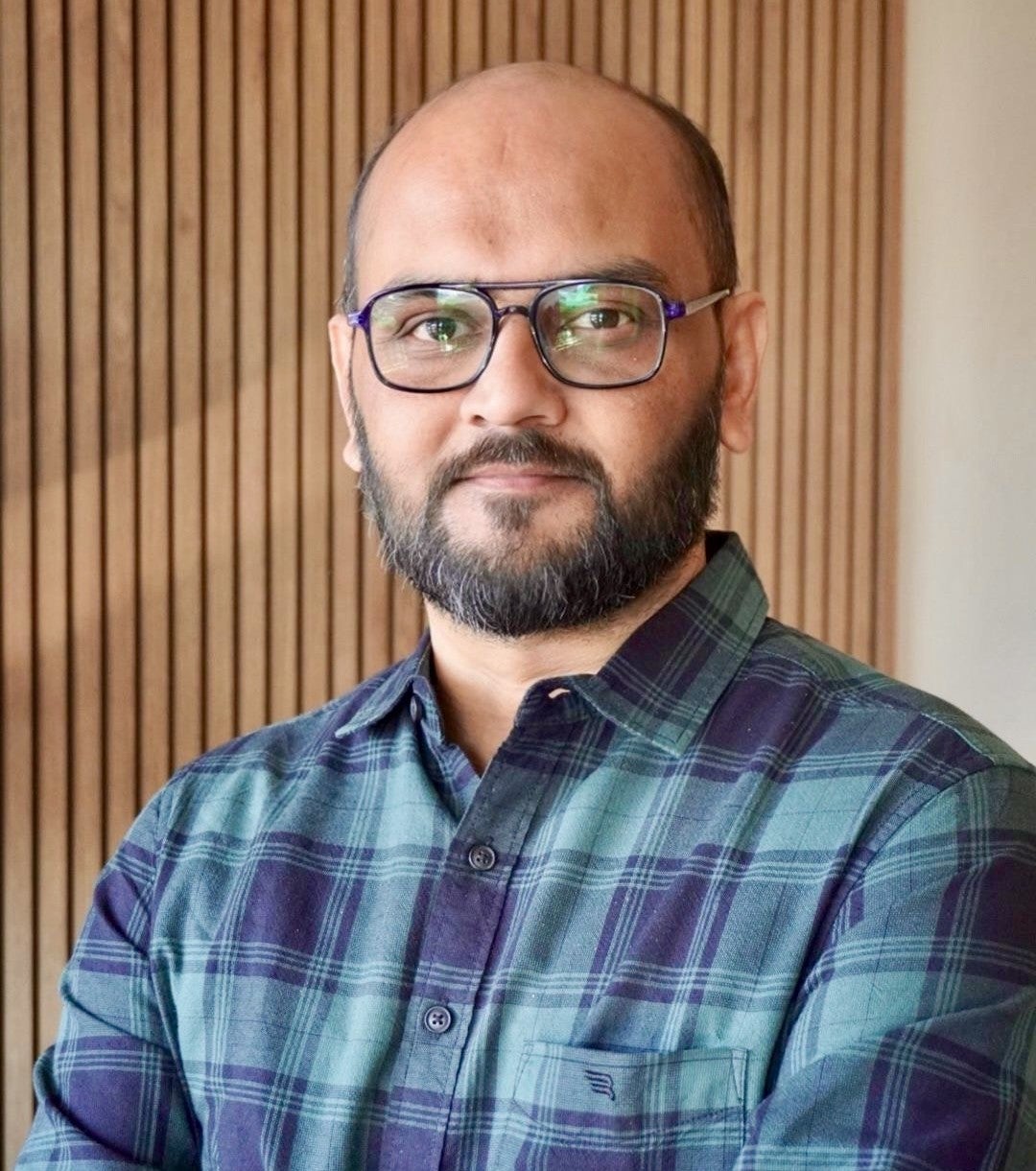
Dr. Abhiyant Tiwari is a public health and climate resilience leader dedicated to advancing evidence-based solutions at the intersection of climate change, extreme heat, and health. A graduate of Harvard T.H. Chan School of Public Health and an NIH-funded GEOHealth Fellow, he has spent more than a decade working with governments, researchers, and communities to strengthen climate resilience in India. His journey began with some of India’s earliest heat-health adaptation efforts, including the Ahmedabad Heat Action Plan, and has since evolved into national and international engagement on heat preparedness, public health resilience, and climate adaptation. Currently, he leads climate resilience and health initiatives at NRDC India, helping translate science into practical policies and actions that protect vulnerable populations from the growing impacts of climate change
What was your experience at Harvard T.H. Chan School of Public Health?
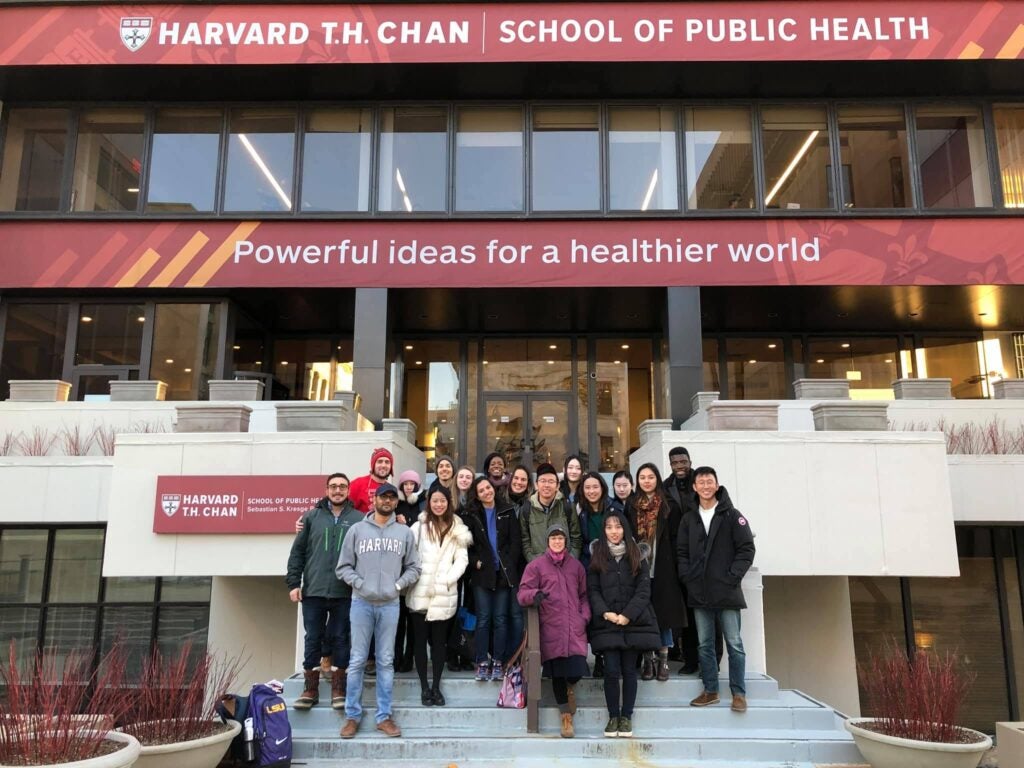
My experience at Harvard Chan was transformative. I arrived with experience working on public health programs in India and left with a much broader understanding of how interconnected our world’s health challenges truly are. What struck me most was the diversity of perspectives—students, researchers, and practitioners from across the globe bringing different experiences to the same problem. Harvard taught me to think critically, challenge assumptions, and appreciate the power of evidence in shaping policy and practice.
What was the most valuable takeaway for you?
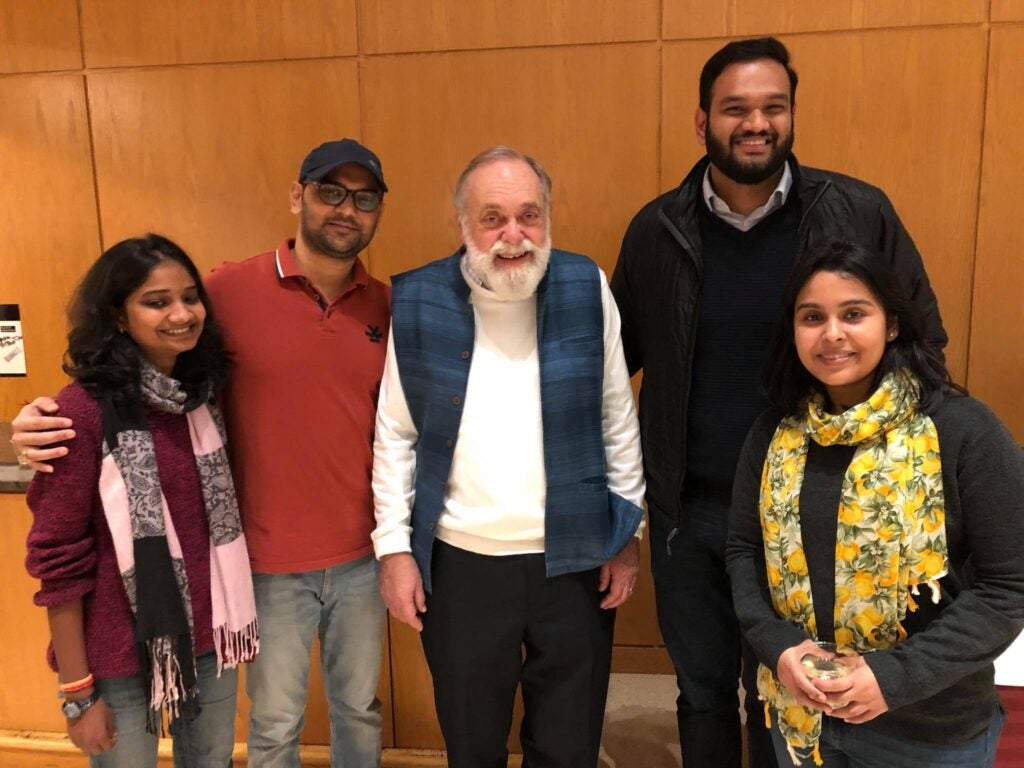
The most valuable lesson was learning to think beyond disciplinary boundaries. Public health challenges rarely exist in isolation. Whether we are discussing climate change, environmental exposures, infectious diseases, or urbanization, the solutions require collaboration across sectors and disciplines. Harvard reinforced the importance of combining scientific rigor with practical action and policy engagement to create lasting impact.
What would you advise others who are interested?
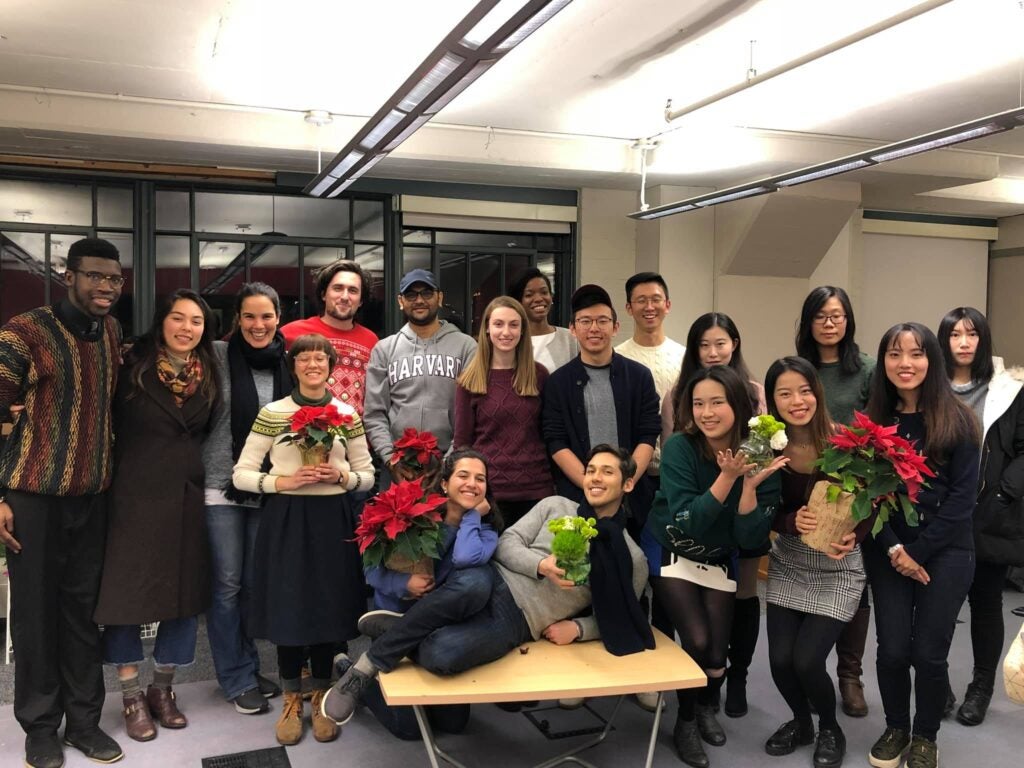
Stay curious and embrace opportunities that take you outside your comfort zone. Public health is one of the few fields that allows you to combine science, policy, leadership, and social impact. While technical knowledge is important, some of the most meaningful lessons come from listening to communities, understanding different perspectives, and remaining committed to solving real-world problems. The relationships you build can be just as valuable as the knowledge you gain.
What is a public health challenge that you are currently working on or are passionate about?
I am passionate about addressing the health impacts of extreme heat and climate change. More than a decade ago, I became involved in efforts to understand and reduce the risks of extreme heat in India. At the time, heat was often viewed primarily as a weather issue rather than a major public health challenge. Since then, climate change has made heat risks more frequent, intense, and widespread. What began as professional work on Ahmedabad’s pioneering Heat Action Plan has evolved into a lifelong commitment to advancing heat resilience in India and globally. Today, I work with governments and partners to strengthen preparedness, early warning systems, and heat-health governance that can save lives and protect vulnerable communities.
What are some of the biggest public health challenges you foresee in the next decade, and how do you think we should prepare for them?
Climate change will increasingly shape public health outcomes across the world. Extreme heat, worsening air quality, changing patterns of infectious diseases, food and water insecurity, and climate-related displacement will place growing pressure on health systems. Preparing for these challenges will require stronger public health institutions, investments in prevention and resilience, better use of data and early warning systems, and closer collaboration across sectors. Most importantly, we must ensure that our responses prioritize equity, because the greatest burdens of climate change are often borne by those with the fewest resources to adapt.