Students travel to Brazil, Chile, and Japan with GHP WinterSession courses
This January, the Department of Global Health and Population at the Harvard T.H. Chan School of Public Health was delighted to continue its three annual field trip courses. These courses offer students a unique opportunity to learn about health systems around the world from local communities, health care providers, legislators, and more.
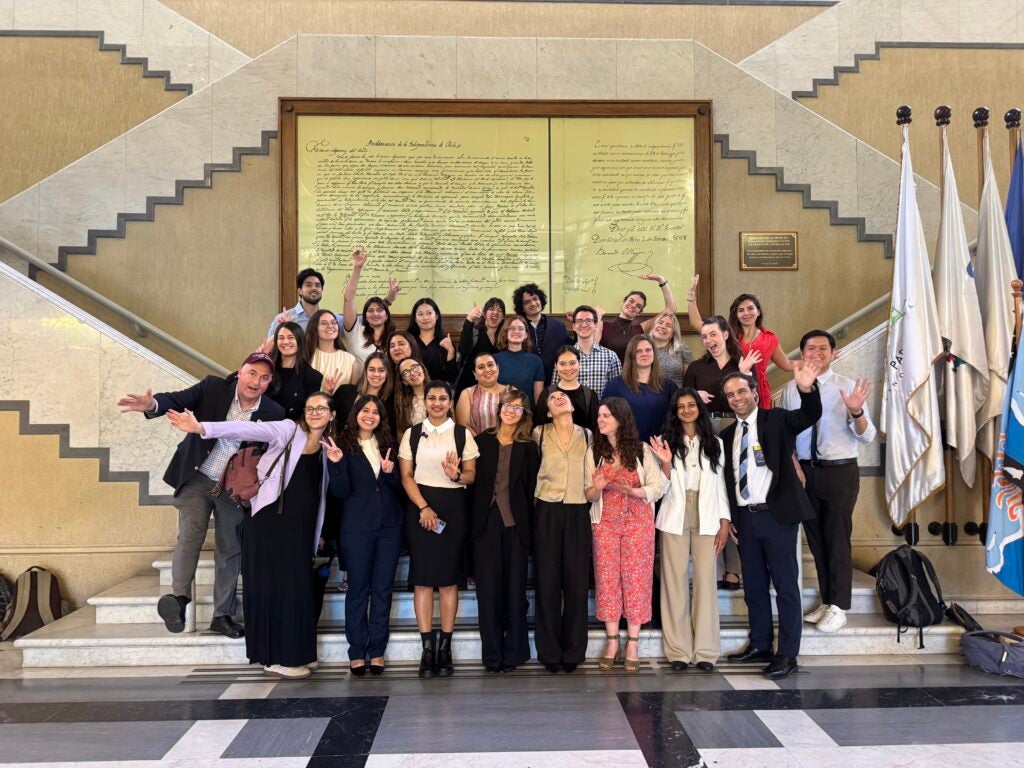
GHP 297: Health Reform and Community Medicine in Chile
Thomas Bossert, senior lecturer on global health policy, emeritus, Jaime Sapag, adjunct associate professor of global health in GHP, Germán Orrego, professor at Universidad del Desarrollo, and Thomas Leisewitz, professor at Red de Salud UC-CHRISTUS, led the 23rd edition of GHP 297: Health Reform and Community Medicine in Chile. Eighteen students from Harvard Chan School and Harvard College traveled to Chile for an intensive, on-the-ground look at Chile’s health system, working and learning alongside Chilean students and residents in medicine and public health from Pontificia Universidad Católica de Chile, which sponsored the course.
The course covered health system reform issues and community medicine practices. Students met with the current and incoming ministers of health, congressional officials and legislators, and other stakeholders. They visited public and private hospitals and primary care clinics in urban and rural areas, as well as Pontificia Universidad Católica de Chile’s cancer center. Participants described the trip as a memorable experience that deepened their understanding of the country’s culture, health system, and approach to health reform.
GHP 542: Harvard–Brazil Collaborative Course in Public Health
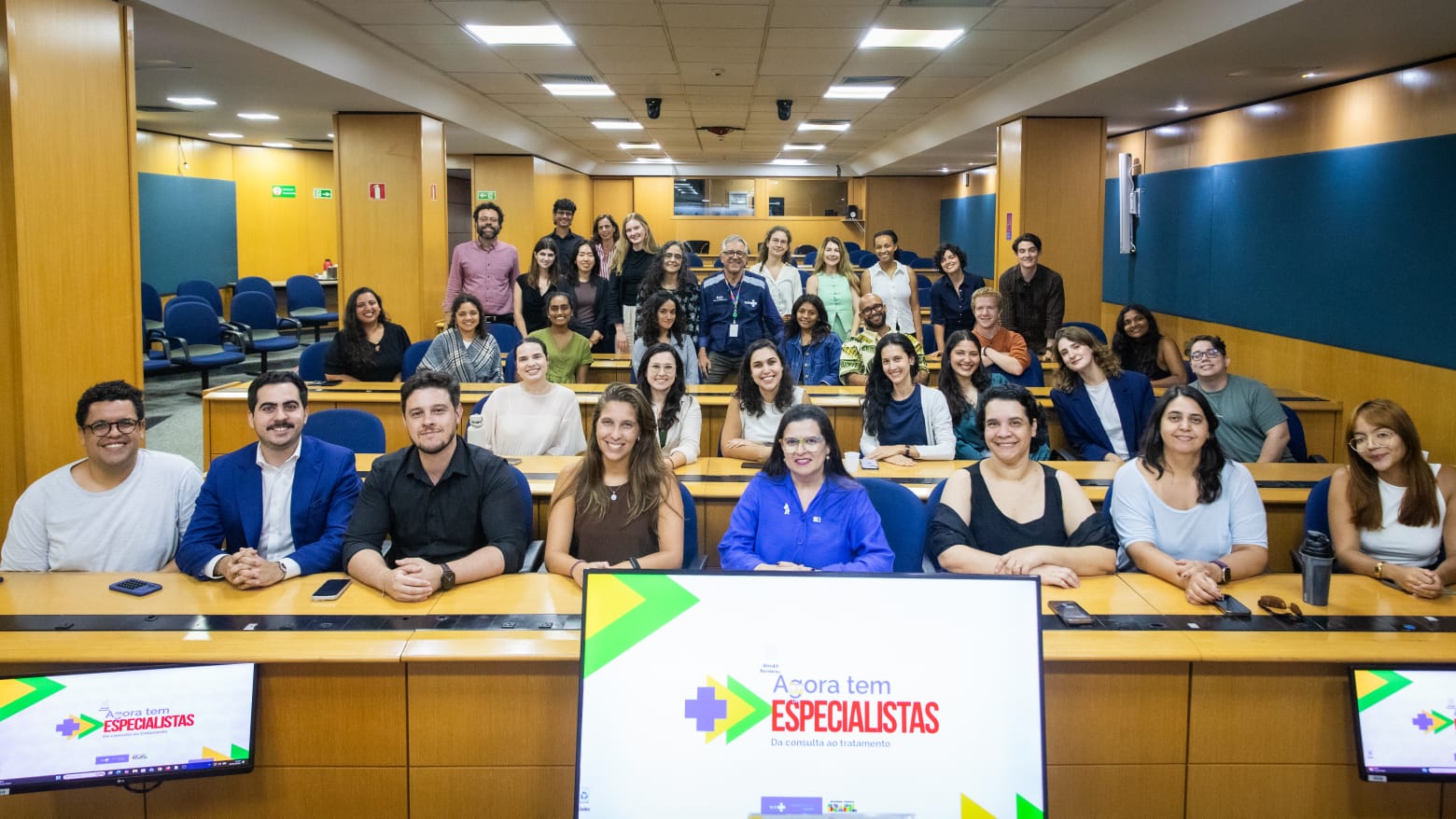
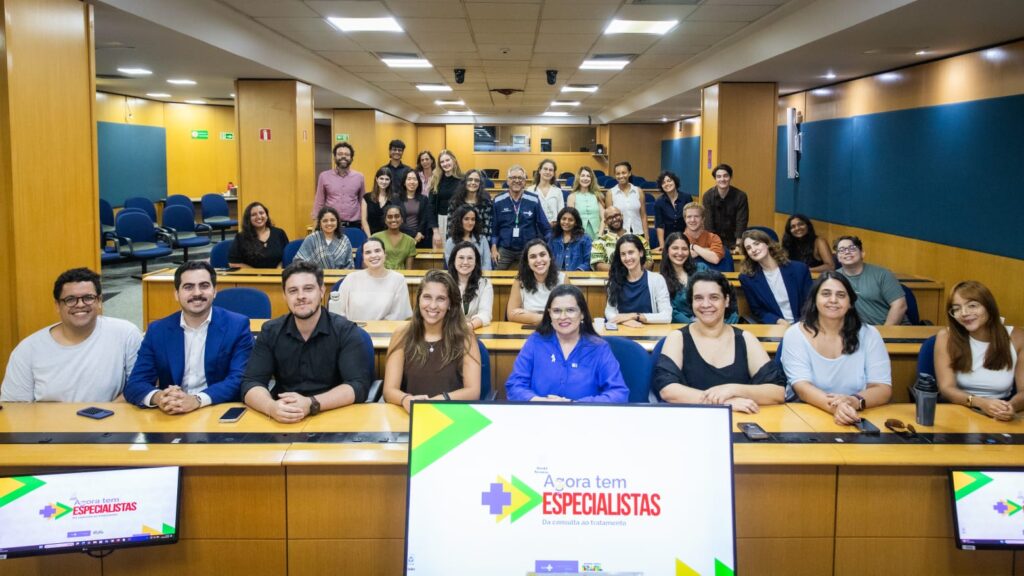
For the 18th year, Marcia Castro, Andelot Professor of Demography and chair of the Department of Global Health and Population, led GHP 542: Harvard-Brazil Collaborative Course in Public Health. For the first time, the course partnered with the Brazilian Ministry of Health, as well as the Oswaldo Cruz Foundation (Fiocruz Brasília) and the David Rockefeller Center for Latin American Studies (DRCLAS).
During their three weeks in Brasília, Brazil, Harvard and Brazilian students engaged directly with the Brazilian Unified Health System at the national and local levels, combining academic instruction with applied field-based learning. The course addressed persistent and emerging public health challenges in Brazil, with group fieldwork projects focusing on the governance of the Ministry of Health, health in the tropical savanna, Indigenous health, primary care, and specialized care. Through lectures, group work, and site visits to institutions such as Fiocruz Brasília, the Ministry of Health, Basic Health Units, surveillance centers, and a federal university hospital, students examined how social, environmental, and institutional factors shape health outcomes across diverse populations. The program integrated classroom-based learning with extensive field exposure, emphasizing the interface between research, policy, and practice.
GHP 549: Field Trip to Fukushima, Japan
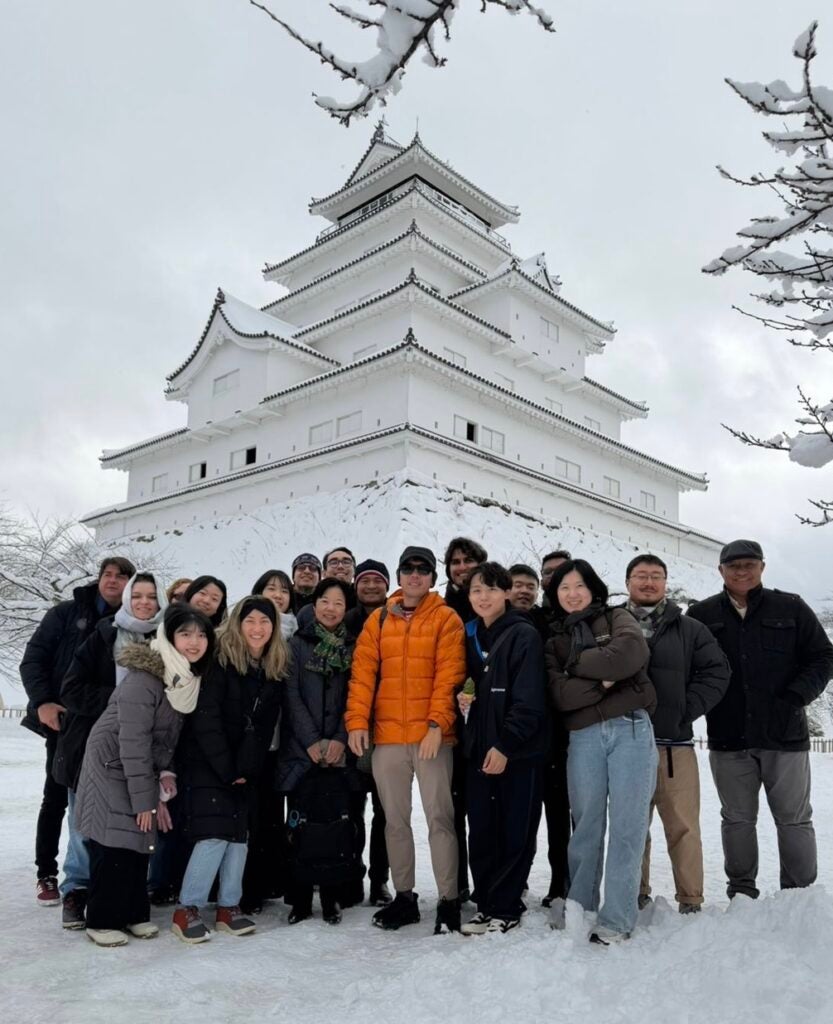
In the newest GHP travel course, GHP 549: Field Trip to Fukushima, Japan, 15 students traveled to Fukushima, Japan, with Aya Goto, Takemi Professor of the Practice of International Community Health. The course received in-person support from Andrew Gordon, Lee and Juliet Folger Fund Professor of History and director of the Japan Disasters Digital Archive Project, Michael R. Reich, Taro Takemi Professor of International Health Policy, Emeritus, and three Takemi fellows. Nihaal Rahman served as a teaching fellow.
In the first week of the course, students learned about past and present issues after the Fukushima nuclear disaster, visiting the disabled nuclear power plant and the disaster museum. The second week emphasized community building, with a trip to snowy rural Aizu Wakamatsu and engagement with local companies and hospitals. In the final week, students presented their “Build Back Better” strategies to local collaborators, health professionals, and medical students at Fukushima Medical University. These included the creation of a nuclear disaster task force, presented through a creative, theater-based format; the developing of an information dissemination page on the social networking site LINE; and the strengthening of social capital through traditional soba farming the building of lateral and vertical channels. The last few days in Tokyo included a meeting with the former Minister of Health, Labour and Welfare, Keizo Takemi.
Beyond lectures and site visits, students enjoyed various Japanese cultural events, including an onsen stay. Aya and the students extend their gratitude to Fukushima Medical University, Takeda Healthcare Foundation, and Mitsubishi Digital Innovation Center for hosting the group. The course also received support from Harvard’s Reischauer Institute of Japanese Studies.
More information
If you are interested in participating in one of GHP’s travel courses next year, please visit our intranet page (HUID required) to learn more.