Beyond Survival: What Community Taught Me About Care for Young People Living with HIV
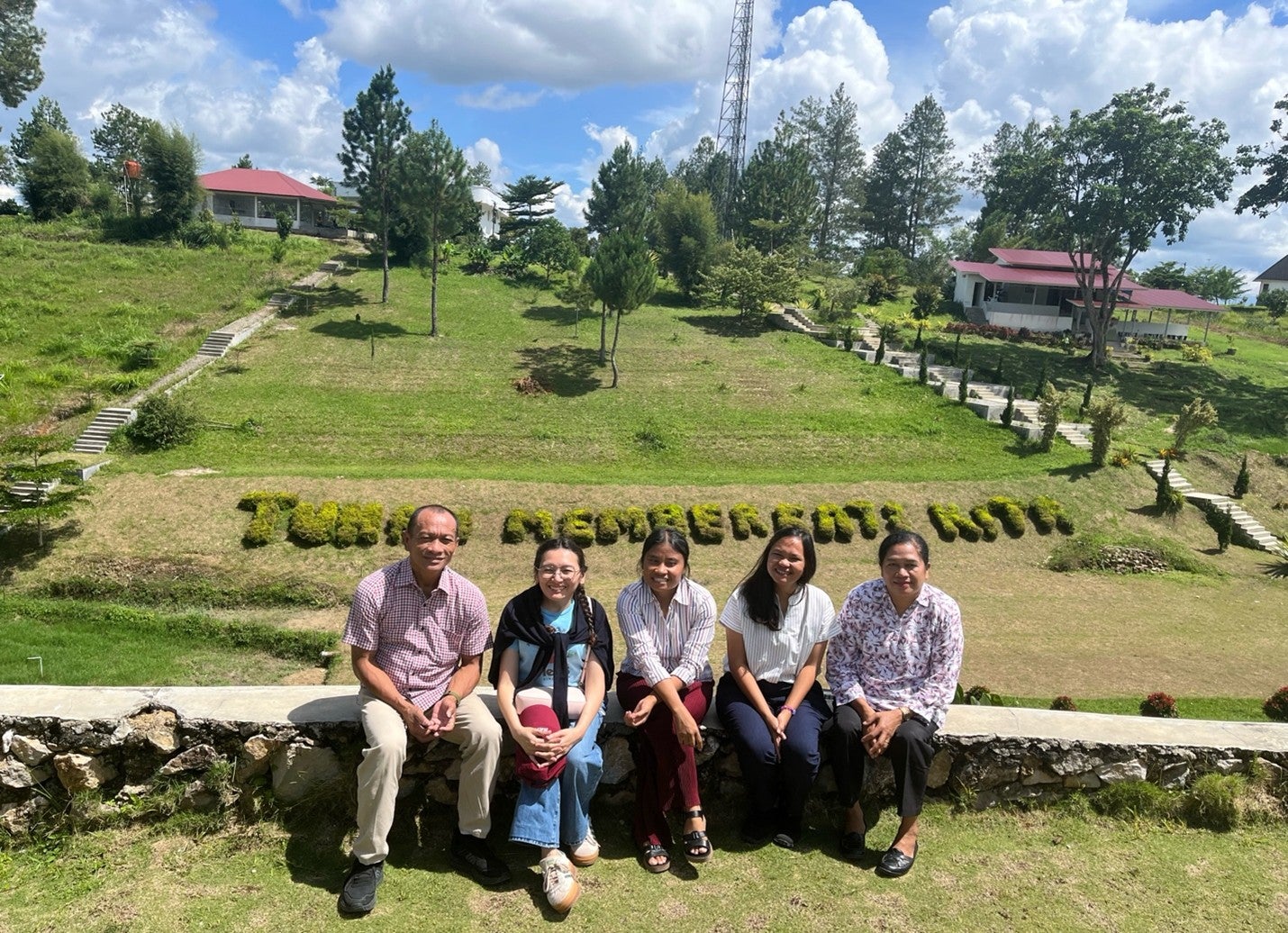
Leni Agnes Siagian is a Rose Service Learning Fellow and a Master of Public Health candidate in the Department of Health Policy and management.
They are medically stable. That is what the clinical chart would say: Viral load suppressed, CD4 count is improving, adherent to therapy. From the perspective of a health system, this is success; the numbers are promising, and the program is working.
Yet the room told a different story.
I was facilitating an expressive writing workshop and peer-support group for young people living with HIV in rural Indonesia as part of my Rose Service Learning Fellowship project with Huria Kristen Batak Protestan (HKBP) AIDS Ministry. I have worked with HAM (HIV AIDS Ministry) as a volunteer for several years prior to this project, building relationships with the team and community. The program was designed to support their mental health through guided journaling and peer group sharing, creating a safe space for reflection and connection.
I entered this project with the belief that I had a clear understanding of what was needed. Together with the HAM team, we designed the workshop based on their insights and priorities, discussing what kind of mental health support would be most relevant and acceptable in their context. We thought that guided journaling and peer support would help relieve some of the participants’ mental burden. The approach was grounded in existing evidence: expressive writing improves emotional processing, peer support reduces isolation, and community strengthens resilience. It felt thoughtful, evidence-based, and well aligned with the needs we had identified.
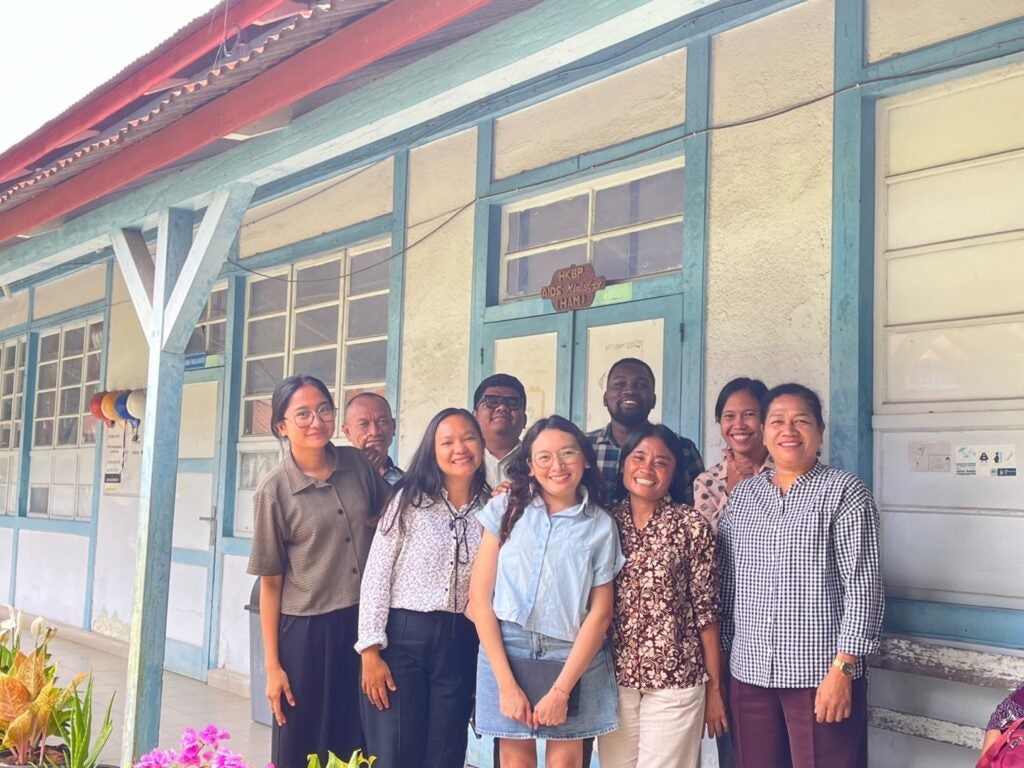
However, translating this approach into practice revealed significant challenges. I remember sitting with the HAM team, feeling discouraged. We were trying to create support, and yet even the invitation felt unsafe to them. That was my first realization: mental health support cannot exist where safety is uncertain. To make the sessions feel safe enough to attend, we took a more personal approach. Together with the HAM team, we reached out to participants individually by phone and, when possible, met them in person to explain the purpose of the sessions and why they might matter to them. These one-on-one conversations helped build reassurance and trust, and gradually, participants agreed to join.
When participants finally arrived, the room felt tense. They sat apart from one another. Many kept their masks on. Their posture communicated caution more than curiosity. I began facilitating the journaling exercise, asking them to reflect on their past year and their hopes. At first, the only sound was the scratching of pens. Then, slowly, sharing began.
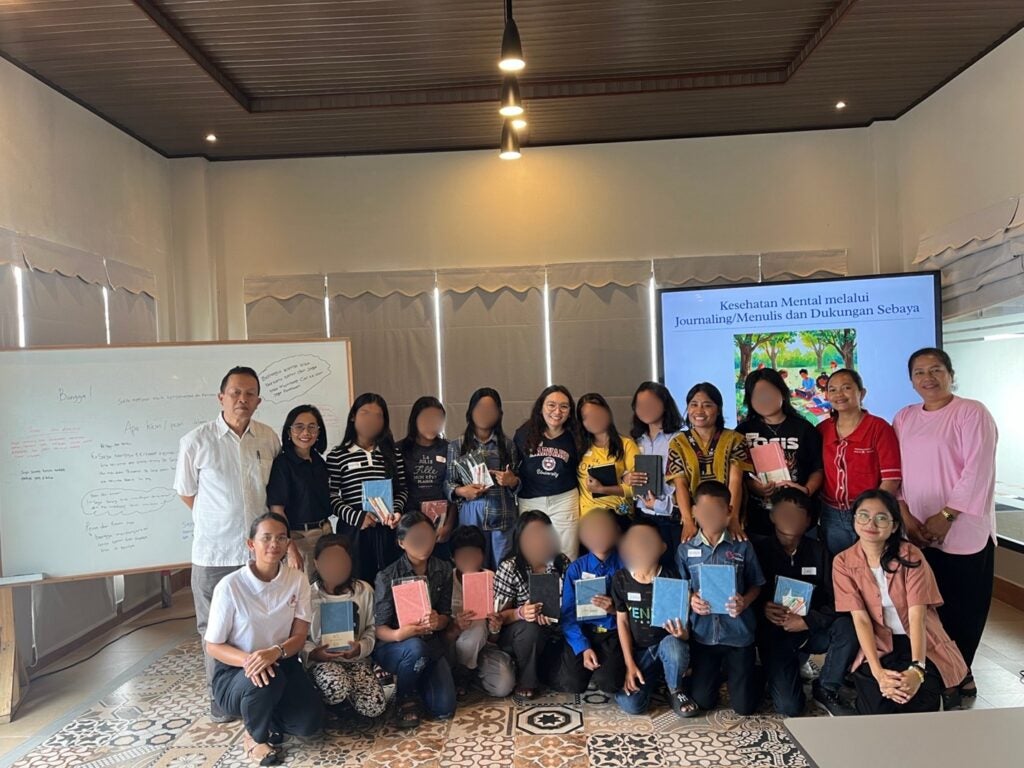
One boy spoke first. He said he felt grateful because after school, he could work and help his single mother financially. His voice was steady, almost proud. In a world that might label him vulnerable, he described himself as useful.
A girl shared that she was thankful she could now live outside the hospital. For years, her childhood had been shaped by illness. Now she felt closer to “normal.”
Then there was the girl who survived meningitis. She carried visible cognitive limitations. Her speech was slower. Her processing sometimes paused. But when she spoke about her dream to become a doctor, there was no hesitation in her determination. Her limitation did not limit her imagination.
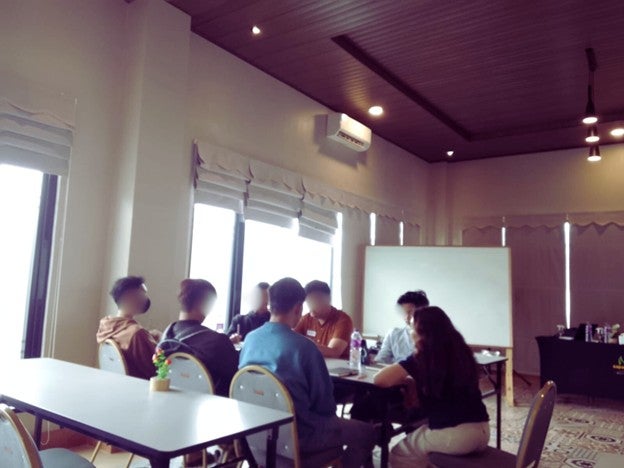
As trust grew in the room, some of them disclosed that they had experienced suicidal thoughts. A few admitted they had attempted. The atmosphere became heavier.
As a physician, I am trained to respond to suicidal ideation clinically, to assess risk, and provide referral. But in that moment, sitting face-to-face with young adults from remote districts of Indonesia where professional mental health services are scarce, I felt the inadequacy of that training.
Where would I refer them? To whom?
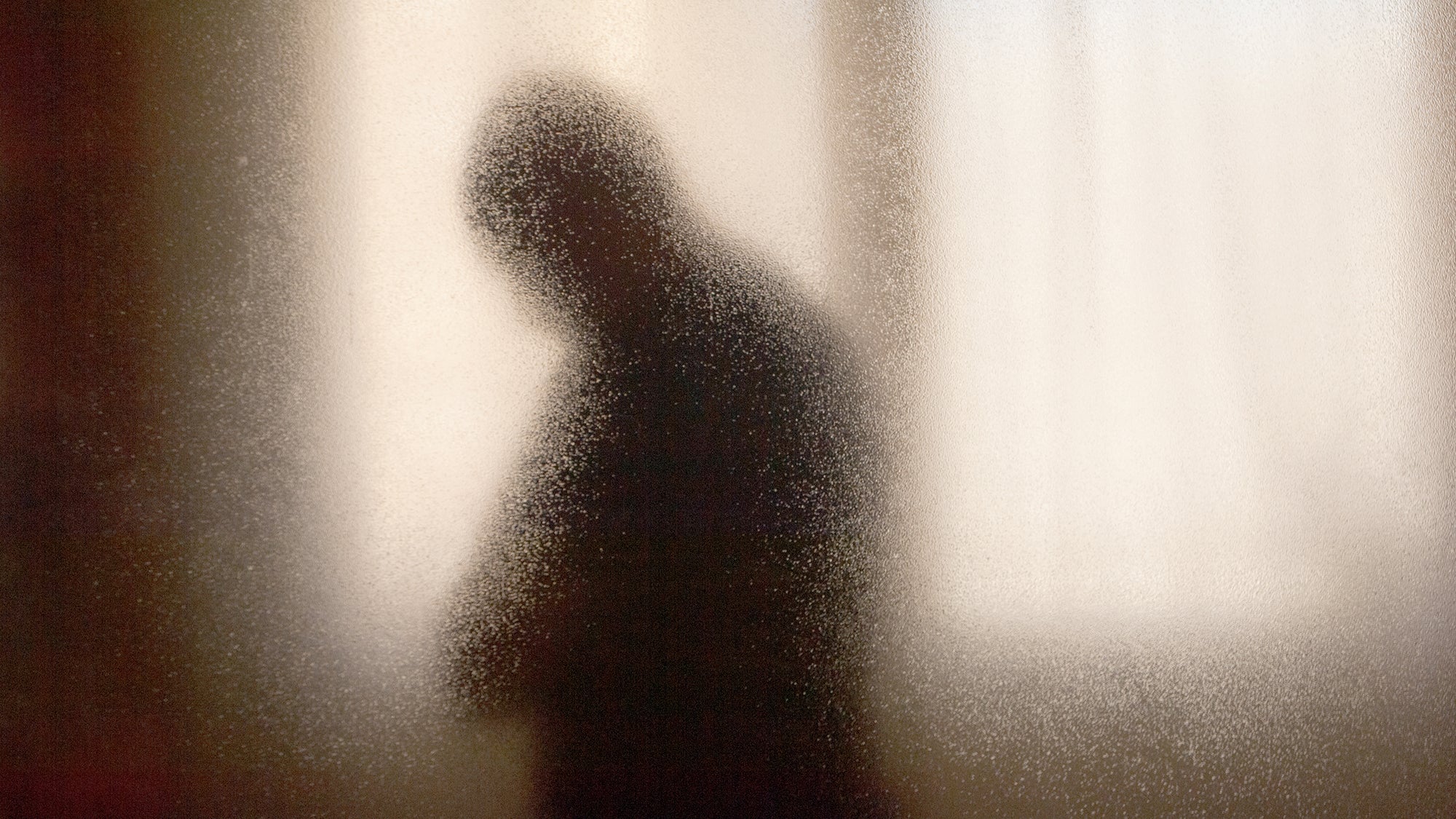
In regions where even seeking psychological support risks exposure, they were not unstable in a dramatic way. Their suffering was quiet, internal, layered. It was the kind that does not show up in viral load reports.
And suddenly, my initial belief that journaling would relieve their mental health burden felt painfully simplistic. Journaling does not erase stigma. Peer sharing does not eliminate structural isolation. One workshop does not undo years of secrecy, grief, and fear.
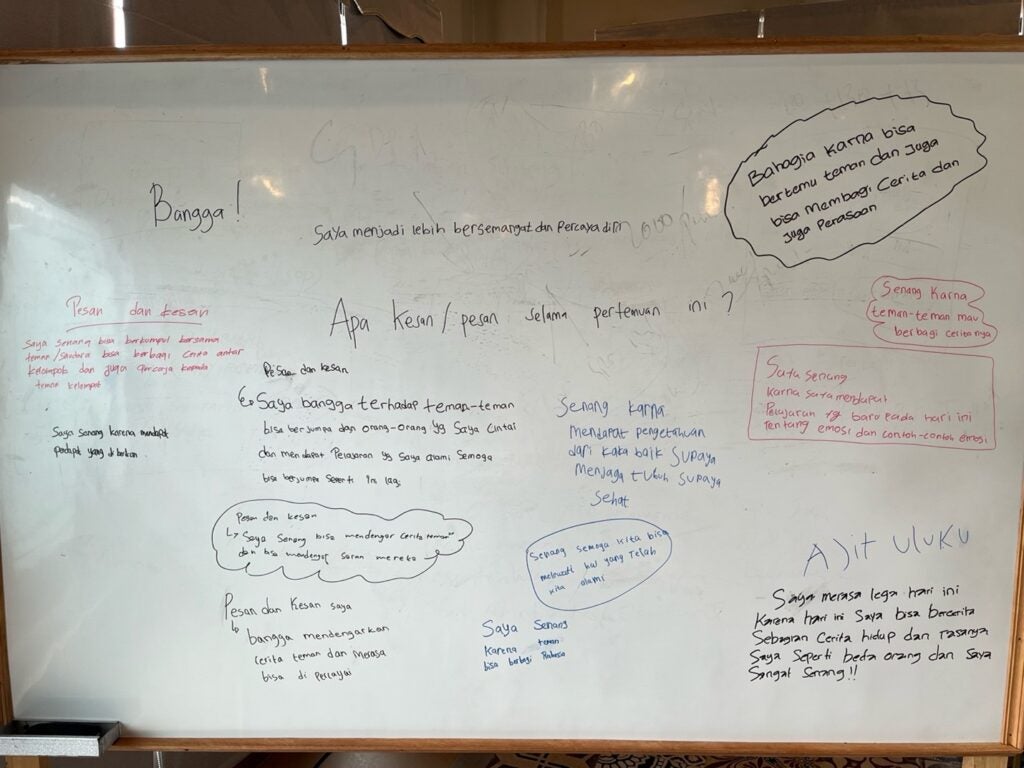
As the session came to an end, something had shifted in the room. They were no longer sitting apart. Conversations continued beyond the structured activities. Before leaving, they created a WhatsApp group to stay connected, a space they could carry with them after we were gone.
It was a small step, but a meaningful one. In a context where isolation is common and safe spaces are rare, choosing to stay connected felt significant. The workshop did not resolve everything, but it created a beginning, a space where they could be seen, heard, and not alone.
The system had already failed them long before they arrived. HIV care focuses on medication adherence, laboratory monitoring, and viral suppression. Yet emotional well-being is rarely integrated into routine care in these rural settings. Mental health professionals are scarce, confidential spaces are limited, and funding continues to favor biomedical targets over psychosocial support.
In this gap, community-based peer groups become essential. They offer recognition, reduce isolation, and transform shame into shared experience. Through expressive writing and shared reflection, participants were able to articulate feelings they had long kept hidden.
While the long-term impact of the workshop may be difficult to measure, its immediate effect was clear: participants connected, shared openly, and chose to sustain that connection beyond the session.
This experience underscores a broader gap in HIV care. Clinical stability alone is not sufficient. Systems must integrate mental health and community-based support as core components of care. If medication sustains life, then safety, dignity, and connection must be recognized as essential to living well.