IID Seminar Series – Melis Anahatar

Title Talk
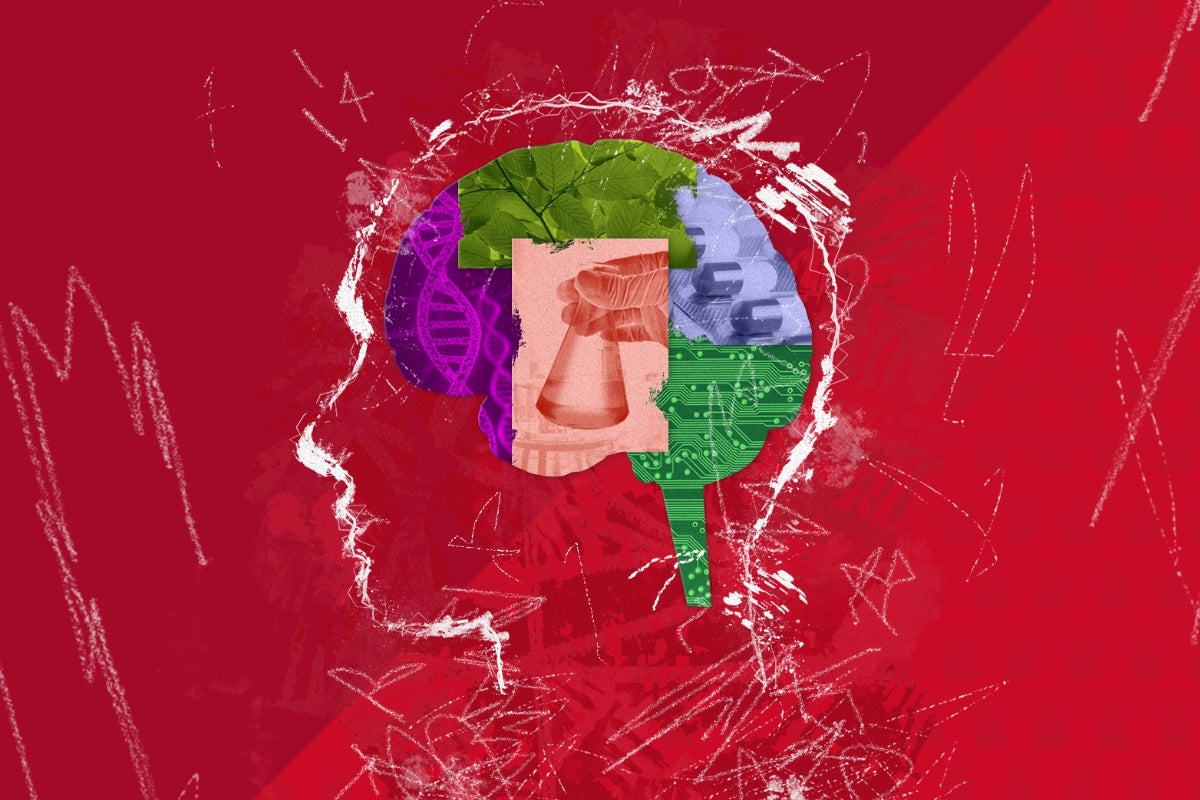
“Deep learning-enabled discovery and design of antibiotics“
Antibiotic-resistant infections are becoming an increasingly urgent public health threat, yet few structurally novel antibiotics have reached patients in recent decades, in part because discovering them through traditional methods is inefficient and expensive. This talk explores how deep learning can accelerate the antibiotic discovery process in two ways: by using AI models to rapidly screen large chemical libraries and identify promising antibacterial candidates that would otherwise be missed, and by using generative AI to design entirely new molecules that don’t yet exist in any library. Both methods can identify candidates working through mechanisms distinct from existing antibiotics with retained efficacy against multidrug-resistant strains. Together, this work illustrates the promise and remaining challenges to use AI for antibiotic discovery.
Zoom Link
Password: 540202
Speaker Information
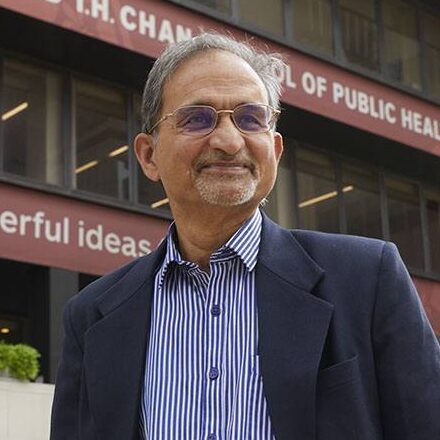
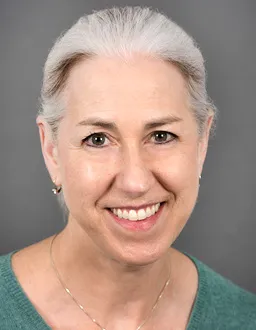
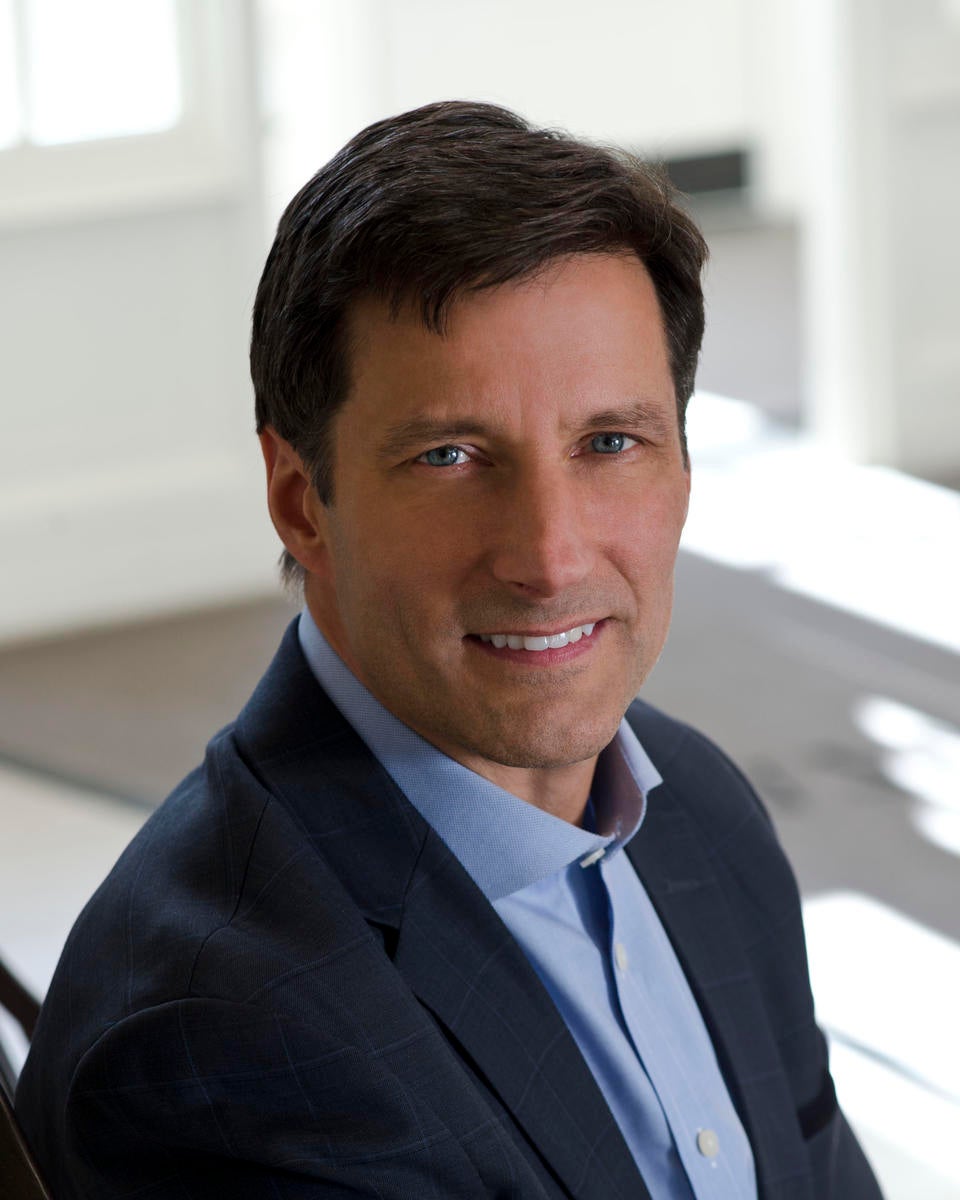
Melis N. Anahtar, MD, PhD
Melis N. Anahtat is a physician-scientist at Massachusetts General Hospital, where she leads a research lab and serve as an assistant director of the Clinical Microbiology laboratory.
Research Interests
Antibiotic discovery, antimicrobial resistance, diagnostic development, machine learning, vaginal microbiome, host-microbiome interactions.
Clinical Interests
Genomic sequencing, antimicrobial susceptibility testing, molecular testing
THIS SPEAKER WILL BE IN PERSON IN FXB 301.
The event will be hybrid.
Related Events
What comes after the ‘End of AIDS’?

Join the Department of Global Health and Population for this Brown Bag Seminar featuring Jeff Imai-Eaton, associate professor of epidemiology and associate director of the Center for Communicable Disease Dynamics (CCDD), Department of Epidemiology, Harvard T.H. Chan School of Public Health.
Please note that an HUID is required to attend this in-person event.
Seminar description
For the past 15 years, the vision to ‘end AIDS as a public health threat by 2030’ has unified the global HIV response and catalyzed remarkable progress toward reducing new HIV infections and AIDS-related deaths, particularly in eastern and southern African settings most impacted by HIV. As the 2030 milestone nears and the number of people living with HIV globally edges above 40 million, this naturally raises the question “what comes after ‘the end’?” This seminar will review progress and persistent challenges in the global HIV response, what programs have been impactful, evidence on the evolving epidemiology and transmission dynamics, and the implications of these changes for long-term control of the HIV epidemic, opportunities and challenges to achieve impact with new interventions, and strategies for monitoring and surveillance of sustained progress.
Speaker bio
Jeff Imai-Eaton, PhD, is an associate professor of epidemiology and associate director of the Center for Communicable Disease Dynamics at the Harvard T.H. Chan School of Public Health and a senior research fellow at the MRC Center for Global Infectious Disease Analysis at Imperial College London. His research focuses on understanding HIV epidemic trends, transmission dynamics, and the demographic impacts of HIV in Africa. His team develop and support application of mathematical and statistical modelling tools used by HIV programs across Africa to plan and monitor national HIV responses.
Speaker Information
Organizers
Occupational Safety and Health Seminar

The Department of Environmental Health and the Harvard Chan Education and Research Center for Occupational Safety and Health invite you to the next Occupational Safety and Health Seminar on Friday, September 11, from 1:10-1:50.
Title: Occupational Medicine Implications of Race-Neutral Spirometry
Recent recommendations from the American Thoracic Society advocate for race-neutral spirometry reference values, a shift with significant implications for occupational health. This session explores how these changes affect medical surveillance, fitness for-duty evaluations, and impairment ratings. Participants will gain insight into the timeline behind use of reference equations, their impact on classification of lung function across racial groups, and the potential consequences for disability assessments and compensation.
Learning Objectives:
- Summarize current American Thoracic Society recommendations for spirometry, including the shift to race neutral reference values.
- Identify key implications of race-neutral spirometry for eligibility for duty evaluations.
- Identify key implications of race-neutral spirometry for impairment and disability evaluations.
Presenter: Stella Hines, MD, MSPH
Location: Zoom only
RSVP: Please click here to register.
About the Presenter: Stella Hines, MD, MSPH is a Professor in the Division of Occupational and Environmental Medicine at the University of Maryland School of Medicine and the Baltimore VA Medical Center. Boarded in Occupational, Pulmonary, and Internal Medicine, Dr. Hines has evaluated patients with work and environmentally related lung conditions since 2006. From 2023 to 2025, Dr. Hines served as Chief of the NIOSH Field Studies Branch, which led national investigations into workplace respiratory hazards. Dr. Hines is a Fellow of ACOEM and the American Thoracic Society, where she is the Chair-Elect of the Assembly on Environmental, Occupational and Population Health.
Speaker Information
Organizers
Harvard Pop Center Social Demography Seminar with Julia Behrman

Julia Behrman, PhD, associate professor of sociology, Northwestern University, presents “The deinstitutionalization of parenthood in the United States.”
The Social Demography Seminar (SDS) series at the Harvard Center for Population and Development Studies provides a lively forum for scholars from across the university to discuss in-progress social scientific and population research. Social demography includes work that uses demographic methods to describe and explain the distribution of social goods across populations. The hybrid series offers presentations on a wide variety of topics such as family, gender, race/ethnicity, population health—including mortality, morbidity, and functional health—inequality, immigration, fertility, and the institutional arrangements that shape and respond to population processes.
With the aim of disseminating scholarly research, The Harvard Center for Population and Development Studies hosts a diverse array of speakers. They do not represent or speak for the Center, the School or the University, and hosting them does not imply endorsement of their views, organizations, or employers.
Speaker Information
Organizers
Harvard Pop Center Social Demography Seminar with Bocar Ba

Bocar Ba, PhD, Kathleen Kaylor and G. Richard Wagoner Jr. Assistant Professor of Economics, Duke University, presents “Understanding demand for police alternatives.”
The Social Demography Seminar (SDS) series at the Harvard Center for Population and Development Studies provides a lively forum for scholars from across the university to discuss in-progress social scientific and population research. Social demography includes work that uses demographic methods to describe and explain the distribution of social goods across populations. The hybrid series offers presentations on a wide variety of topics such as family, gender, race/ethnicity, population health—including mortality, morbidity, and functional health—inequality, immigration, fertility, and the institutional arrangements that shape and respond to population processes.
With the aim of disseminating scholarly research, The Harvard Center for Population and Development Studies hosts a diverse array of speakers. They do not represent or speak for the Center, the School or the University, and hosting them does not imply endorsement of their views, organizations, or employers.
Speaker Information
Organizers
Managing Your Electronic Records: Shared Drives and Email
Does it take ages to find a file in your shared drive? Are you running out of room in your email? Save yourself and your office time and money by learning to manage your electronic records. In this workshop, we’ll help you manage your email and electronic records efficiently and effectively by giving you guidelines for:
- Naming and organizing your files for fast and easy access
- Developing a file plan for your office shared drive
- Determining which emails you should keep, and how to store them
- Learning how to keep your digital records in compliance with Harvard’s records management policies
Workshops are about 45 minutes long. Attendance is free and open to all members of the Harvard Medical School, Harvard School of Dental Medicine, and Harvard T.H. Chan School of Public Health communities. Familiarity with the General Records Schedule (grs.harvard.edu) is helpful but not required.
Organizers
Managing Your Paper Records: Off-Site Records Storage
Run out of room for files in your office that you need to keep? The Harvard Depository records center is the perfect place for your office, department, or lab to store records that you need to keep but don’t use every day. In this online workshop, we’ll review step-by-step instructions for:
- How to set up an account
- How to pack and label boxes correctly
- How to complete transfer paperwork
- How to recall records back to your office
Workshops are about 30 minutes long. Familiarity with the General Records Schedule (GRS) is helpful but not required. Attendance is free and open to all members of the Harvard Medical School, Harvard School of Dental Medicine, and Harvard T.H. Chan School of Public Health communities.
Organizers
Introduction to the General Records Schedule
Do you know how long you need to keep your office records, and what you should do when you no longer need them? In this workshop, we’ll help de-mystify records retention by showing you how to use and understand the Harvard University General Records Schedule (GRS). We’ll give you all the information you need to:
- Identify your records using the GRS
- Determine how long to keep your records
- Decide if records should be destroyed or archived
- Know who to contact if the GRS doesn’t describe your records
Workshops are about 30 minutes long. Attendance is free and open to all members of the Harvard Medical School, Harvard School of Dental Medicine, and Harvard T.H. Chan School of Public Health communities.
Organizers
Beyond survival: To what extent does Australian disaster and emergency management policy consider population health?

Join the Department of Global Health and Population for this Brown Bag Seminar featuring Claire Leppold, Takemi Fellow in International Health at Harvard T.H. Chan School of Public Health and senior research fellow at University of Melbourne, and Kate Brady, senior research fellow at University of New South Wales.
Please note that an HUID is required to attend this in-person event.
Speaker bios
Claire Leppold, PhD, is a Takemi Fellow in International Health at Harvard Chan School and a senior research fellow at the Disaster, Climate & Adversity Unit, University of Melbourne. She is also an Australian Research Council DECRA Fellow (2026–2029) and a Westpac Research Fellow (2026–2031). Claire’s research examines how to support communities in recovery from cascading and compounding disasters. This focus began during her time living and working in Fukushima following the 2011 earthquake, tsunami, and nuclear disaster. In 2020, Claire moved to Australia to begin work at University of Melbourne, where she has since led studies on recovery from the 2019–20 bushfires and repeat floods, including the commissioned evaluation of the Australian Red Cross Bushfire Recovery Program (2020–2023). She has worked with state government, non-government organizations, and community groups to identify ways of changing from a “single disaster” focus in emergency management to one that addresses combined effects across multiple disasters. She has a particular interest in the social determinants of health in disaster settings.
Kate Brady, PhD, has had a distinguished career in disaster recovery operations, programming, and research. Kate is the senior research fellow for the University of New South Wales HowWeSurvive initiative, an Honorary Academic Specialist at University of Melbourne, and technical advisor to Australian Red Cross Emergency Services, where she established and led the disaster recovery program for 12 years. Most of Kate’s work focuses on what people find helpful and unhelpful after disasters. Throughout her career, she has had significant influence on state and national emergency management policy and has an international profile in collective trauma, resilience, and disaster recovery programming and policy. Kate is co-author of the Australian Disaster Recovery framework and was an advisor in the development of the National Disaster Mental Health Framework. In 2021, she became the host for ABC’s podcast “After the Disaster” and gave a TEDx talk in 2025.
Speaker Information
Kate Brady
Organizers
Collective organisation as crisis infrastructure: Evidence from the Self-Employed Women’s Association during COVID-19 in India

Join the Department of Global Health and Population for this Brown Bag Seminar featuring Satchit Balsari, associate professor of emergency medicine at Harvard Medical School, and Kartikeya Bhatotia, Climate Fellow at the Mittal South Asia Institute, Harvard University.
Please note that an HUID is required to attend this in-person event.
Seminar description
When public health crises hit, governments, individuals, and markets each have a role in smoothing out the resulting shocks. In poorer contexts, each one’s capacity to do so is limited—public safety nets are thin, individual savings are shallow or absent, and financial markets are not far-reaching enough to provide protection to the most vulnerable. How, then, could we imagine institutions that fill this gap? The SEWA-Harvard Study asks whether long-standing community organisations can serve as a kind of crisis infrastructure. The findings suggest that collective organisation and relational trust among informal workers should be treated as genuine social protection infrastructure—a durable complement to state and market capacity, with relevance well beyond India wherever large informal workforces sit outside formal systems.
Speaker bios
Satchit Balsari, MD, MPH, is an associate professor of emergency medicine at Harvard Medical School and an associate professor of global health and population at Harvard Chan School. His research and teaching are focused on complex humanitarian emergencies and digital health implementation science in resource-poor settings. He has worked with populations affected by war and disasters across the world, leveraging cutting-edge digital tools and citizen science to advance public health planning, advocacy, and response. Satchit co-directs CrisisReady.io, a research-response platform that builds data-driven decision tools for local communities and response agencies affected by disasters globally. He is founding director of the tri-institute Climate and Human Health fellowship at Harvard, leads the climate platform at the Mittal South Asia Institute, and is co-investigator on the Salata Institute’s inaugural interfaculty cluster grant on Climate Adaptation in South Asia. He directs the Harvard India Digital Health Network at the Mittal South Asia Institute and is the curator of Hum Sab Ek, an immersive multimedia traveling exhibition currently on tour. The exhibition is based on his research into the impact of the COVID-19 pandemic on the 2.9 million members of the Self-Employed Women’s Association (SEWA) and their response to the crisis.
Kartikeya Bhatotia, MPP, is a Climate Fellow at the Mittal South Asia Institute at Harvard University, where he works on research and programming for the climate platform. His work brings environmental, health, and social science research into conversation with public policy. He is particularly interested in how informal social systems shape community responses to slow-onset environmental hazards and how collective institutions support health and livelihoods in the Global South. At Harvard, he has contributed to the Salata Institute’s Climate Adaptation in South Asia research cluster and the Harvard Global Health Institute’s Heat and Worker Protections Scholarly Working Group. Before Harvard, Kartikeya worked at Tata Trusts and the Institute for Financial Management and Research, applying behavioral economics to health, climate, and economic development in informal contexts. He was a 2018 Young India Fellow at Ashoka University and earned a master’s degree in public policy form Harvard Kennedy School in 2024.
Speaker Information
Kartikeya Bhatotia