Harvard Pop Center Social Demography Seminar: “Digital data for demographic estimation: Applications to the study of environmental hazards”
Jenna Nobles, PhD, professor of demography, University of California-Berkeley, presents at this Social Demography Seminar.
The Social Demography Seminar (SDS) series at the Center for Population and Development Studies provides a lively forum for scholars from across the university to discuss in-progress social scientific and population research. Social demography includes work that uses demographic methods to describe and explain the distribution of social goods across populations. The hybrid series offers presentations on a wide variety of topics such as family, gender, race/ethnicity, population health—including mortality, morbidity, and functional health—inequality, immigration, fertility, and the institutional arrangements that shape and respond to population processes.
Speaker Information
Jenna Nobles, PhD
Organizers
Meet & Greet and Book Signing with Douglas Dockery
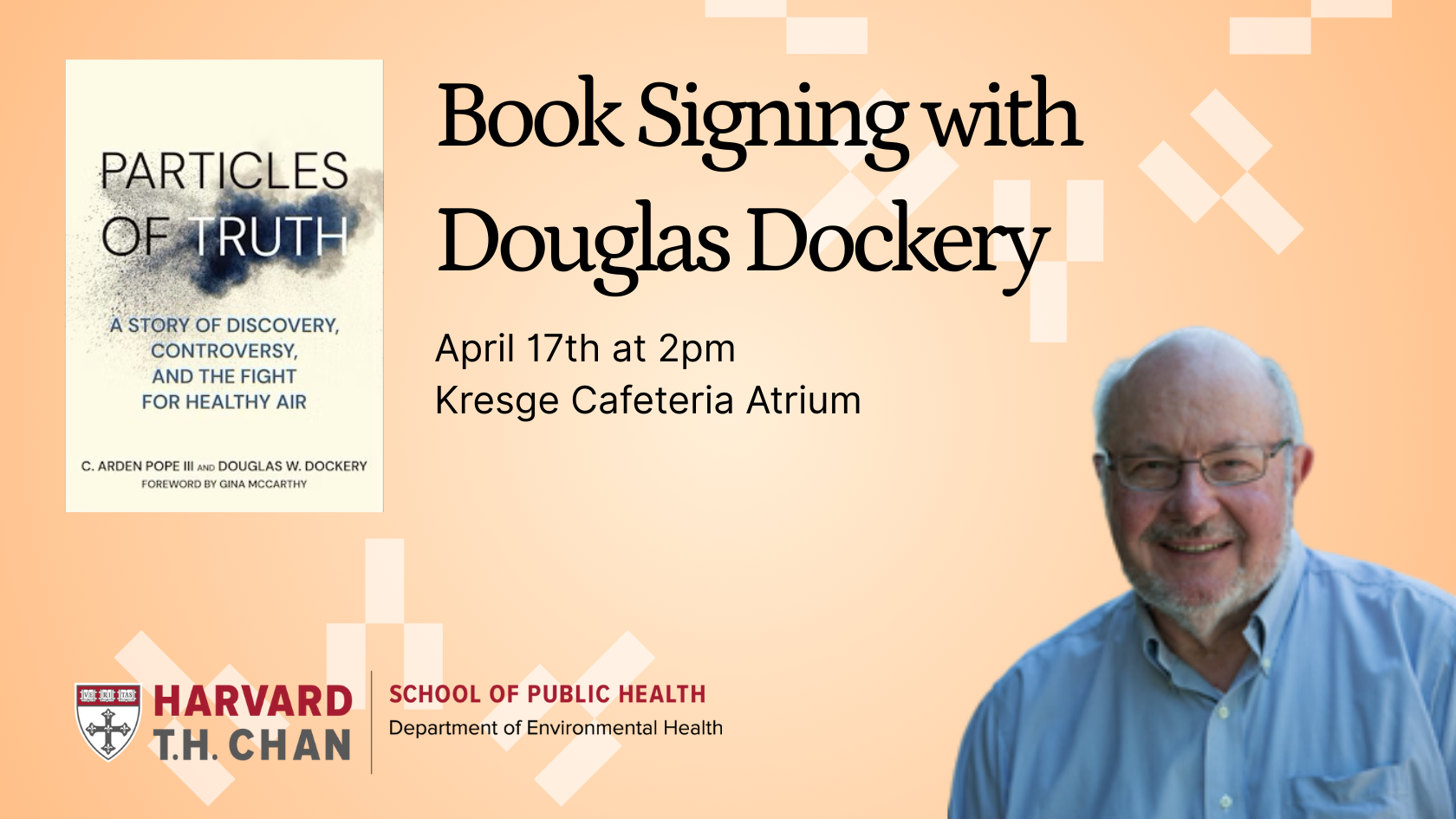
Join us to meet Douglas Dockery, Emeritus Professor and former chair of the Department of Environmental Health, and author of the new book, Particles of Truth (MIT Press, 2025). The Harvard COOP will be selling copies of the book at the event, and Dr. Dockery will be available to sign copies of the book (that you bring or purchase there).
The book signing will take place immediately following the live-streamed Studio discussion, Breathing easier: The pursuit of clean air, featuring Dr. Dockery and his co-author, Arden Pope.
Particles of Truth is a riveting account of the discovery of the critical health effects of air pollution told by Arden Pope and Douglas Dockery, who have been at the forefront of air pollution and health research for four decades. With an insightful foreword by former EPA Administrator Gina McCarthy, this compelling book provides an inside look at groundbreaking scientific research and ensuing political and public-policy battles. It presents evidence that air pollution is a major contributor to disease and death and that reducing air pollution saves lives. The book also delves into intense efforts to discredit and cast doubt on the science. Read more.
Speaker Information
Organizers
Clitoris Class! by the Sexual and Reproductive Health Club
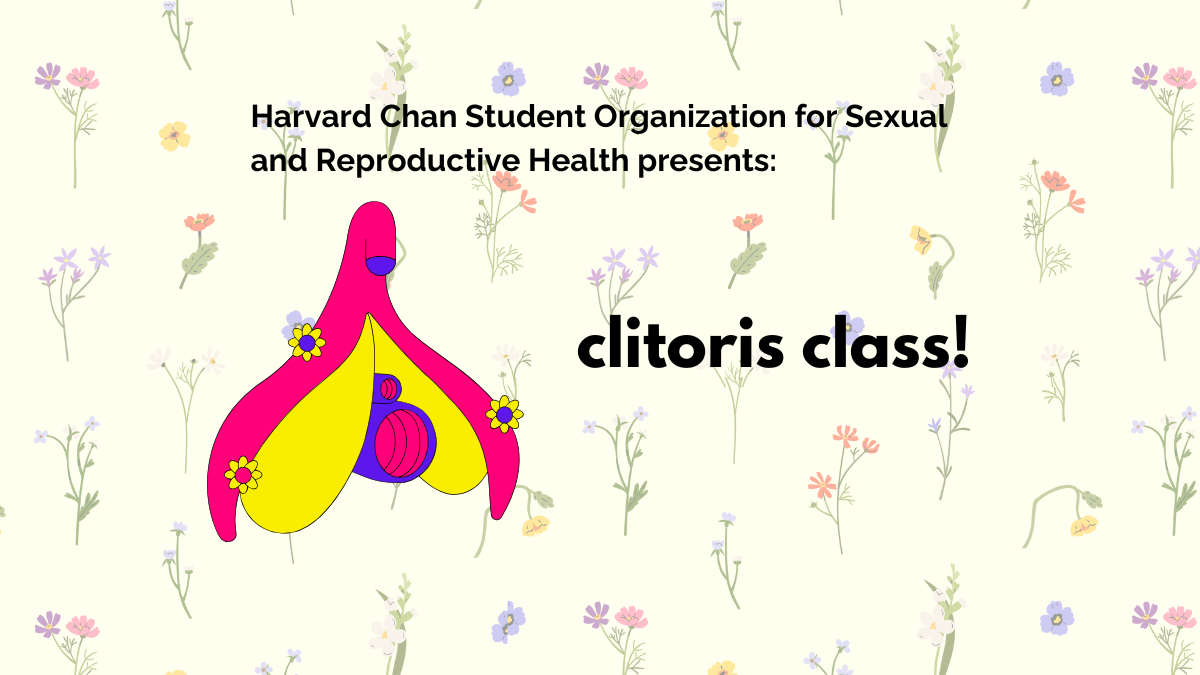
The Harvard Chan Sexual and Reproductive Health Club presents:
🔍 The Clitoris Class: A Public Health Mystery & Revolution 🎉
Did you know the first complete 3D map of the clitoris wasn’t published until 2005— after the iPhone, YouTube, and even Google Maps? From what your high school sex education and medical education may not have taught you to the science of how the clitoris actually works, this one-hour peer-to-peer class unpacks its history, function, and why it matters for public health. Get ready for a fun, eye-opening deep dive into the most misunderstood organ in medicine!
Lunch will be provided
Facilitated by Karishma Swarup, Mili Adhikari, Uma Gaddamanugu!
Organizers
Population Research Exchange: “Hong Kong’s Elderly Biobank: An invaluable resource for global healthy aging promotion”
Jane Zhao, PhD, assistant professor of epidemiology and biostatistics, Hong Kong University, and Takemi Fellow, Harvard T.H. Chan School of Public Health, presents at this Population Research Exchange (PRX).
PRX delivers timely information on population science research and resources in a variety of formats. Each event features a different topic/theme by way of a special event, seminar, work-in-progress, mini methods workshop, resource information session, etc. Affiliated faculty members, students, and researchers share their current and future work, and some weeks we welcome guests who present on important resources available to Harvard scholars. In a true “exchange” format, lively dialogue and interchange occurs among attendees.
Speaker Information
Jane Zhao, PhD
Organizers
Harvard Pop Center Social Demography Seminar: “Intergenerational education and cognitive performance among older adults: A comparison between rural Mexico and South Africa”
Erika Meza, PhD, Harvard Bell Postdoctoral Fellow, Harvard Center for Population and Development Studies, presents at this Social Demography Seminar.
The Social Demography Seminar (SDS) series at the Center for Population and Development Studies provides a lively forum for scholars from across the university to discuss in-progress social scientific and population research. Social demography includes work that uses demographic methods to describe and explain the distribution of social goods across populations. The hybrid series offers presentations on a wide variety of topics such as family, gender, race/ethnicity, population health—including mortality, morbidity, and functional health—inequality, immigration, fertility, and the institutional arrangements that shape and respond to population processes.
Speaker Information
Erika Meza, PhD
Organizers
Social Demography Seminar: “The impact of social services on the well-being and sense of belonging of older Hispanic immigrants”
Rocío Calvo, PhD, professor of global practice, Boston College School of Social Work presents at this Social Demography Seminar.
The Social Demography Seminar (SDS) series at the Center for Population and Development Studies provides a lively forum for scholars from across the university to discuss in-progress social scientific and population research. Social demography includes work that uses demographic methods to describe and explain the distribution of social goods across populations. The hybrid series offers presentations on a wide variety of topics such as family, gender, race/ethnicity, population health—including mortality, morbidity, and functional health—inequality, immigration, fertility, and the institutional arrangements that shape and respond to population processes.
Speaker Information
Rocío Calvo, PhD
Organizers
MELD Seminar: Detailed Smoking History Informs Precision Medicine in Lung Cancer
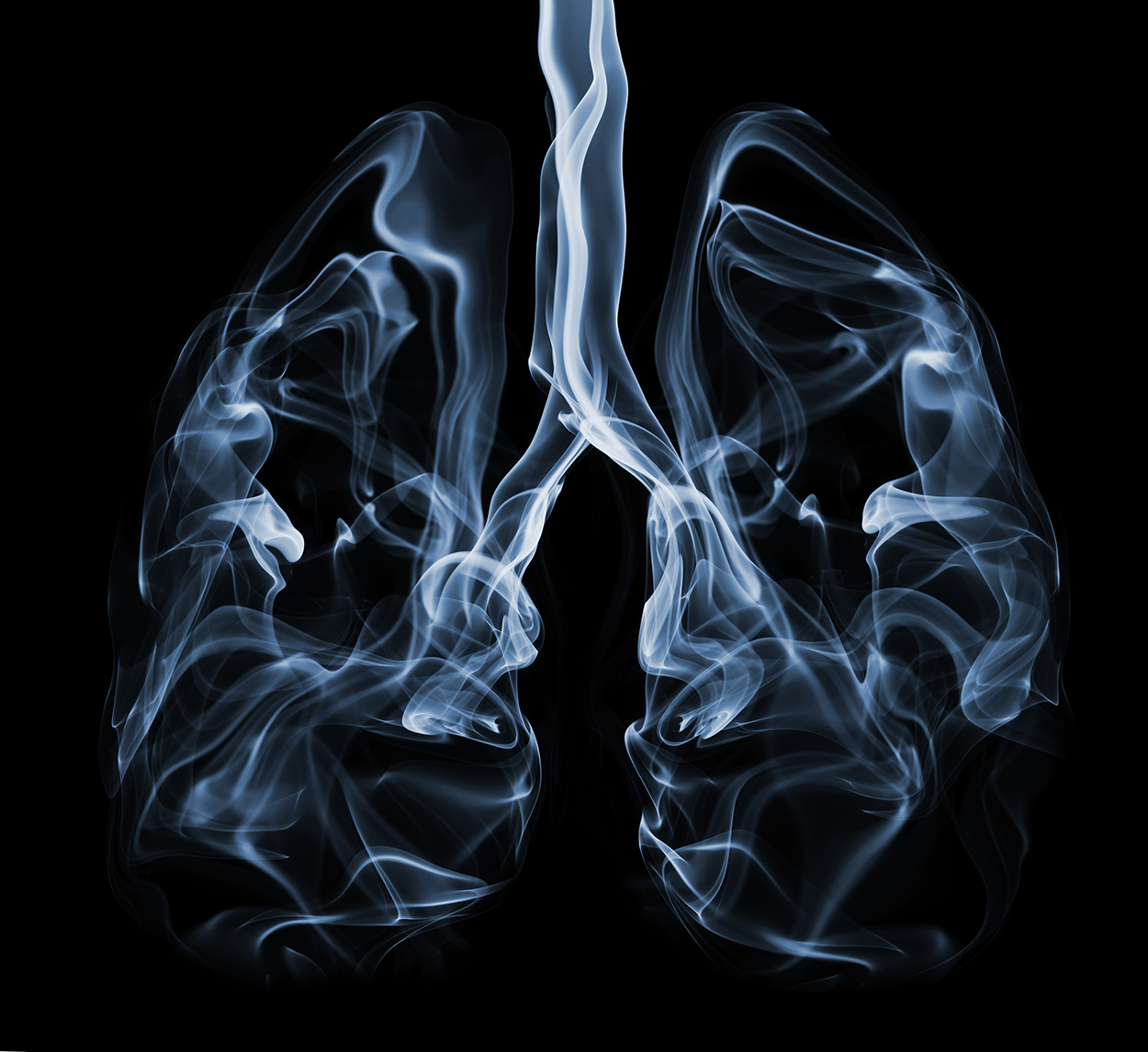
Please join the Environmental Health department for the Mechanisms of Environmental and Lung Diseases (MELD) T32 Seminar Series.
April 1, 2025, 9:30am – 10:30am
Location: Building 1, Room 1302
Topic: Detailed Smoking History Informs Precision Medicine in Lung Cancer
Speaker Information
Organizers
Brain Organoid MAP* for Environmental Health with Luke Lee, PhD
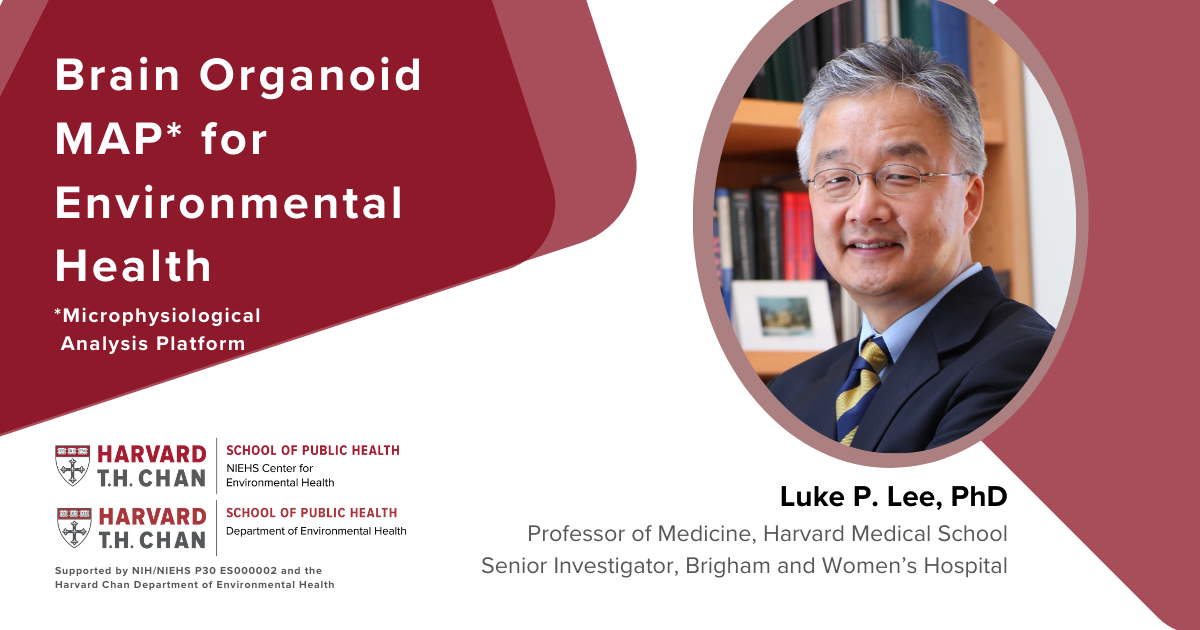
Please join the Harvard Chan NIEHS Center for Environmental Health and the Department of Environmental Health for a talk by Luke P. Lee, PhD, of Harvard Medical School and Brigham and Women’s Hospital. Dr. Lee will discuss “Brain Organoid MAP* for Environmental Health.”
This event will be held in person (HSPH Bldg. 1, 1302) and via Zoom. Register here
Abstract
We are developing a Brain Organoid Microphysiological Analysis Platform (MAP)* designed to facilitate the examination of the effects of environmental factors on brain development and functionality. This platform will significantly assess neurodevelopmental toxicity and deepen our understanding of gene-environment interactions. The brain MAP replicates microenvironments to create uniform organoids that indicate Parkinson’s disease from induced pluripotent stem cells (iPSCs). We also monitor brainwave dynamics and collect extracellular vesicles (EVs) to explore molecular expression dynamics and their correlation with electrophysiological expressions. This establishes a leading platform for precision neurology using genomics and AI. This brain MAP allows non-invasive monitoring of midbrain organoids, improving our understanding of PD affected by toxins and environment. Long-term EEG monitoring reveals early electrophysiological evolution in midbrain development from brief bursts to complex activities. Our MAP also models neurotoxin-induced Parkinsonism, replicates midbrain circuitry, and shows PD-like changes in beta oscillation. This model enhances insights into neurophysiology, neuropathogenesis, environmental impacts, and drug discovery for neurodegenerative diseases. The human brain organoid MAP enables observation of RNA and protein expressions via isolated EVs and mitochondrial Quantum Biological Electron Transfer (QBET) modulations for noninvasive therapies while capturing brainwave signals. It can serve as a valuable tool for studying the environmental effects on PD by addressing PD pathology and examining the impact of toxins on brain development and disease.
About the speaker
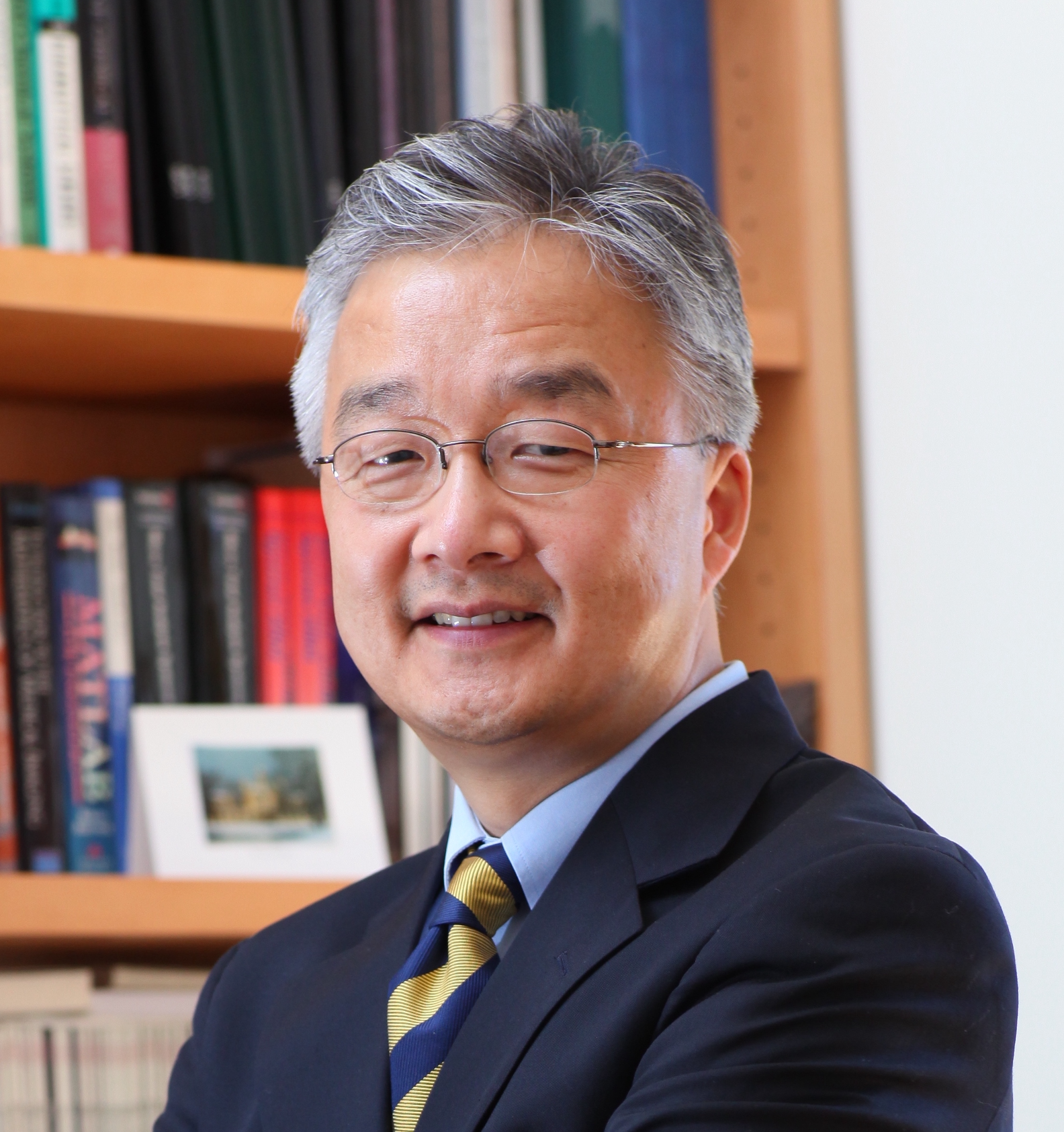
Luke P. Lee is a Professor of Medicine at Harvard Medical School and a senior investigator at Brigham and Women’s Hospital. He earned his B.A. and Ph.D. from UC Berkeley. After more than a decade in the industry, he joined the faculty at UC Berkeley in 1999 and later became the Arnold and Barbara Silverman Distinguished Professor and the Lester John and Lynne Dewar Lloyd Distinguished Professor at Berkeley. Additionally, he was the Chair Professor in Systems Nanobiology at ETH Zürich. He also served as the Tan Chin Tuan Centennial Professor and Associate President for International Research and Innovation at the National University of Singapore. He founded the Institute for Quantum Biophysics at Sungkyunkwan University in Korea. He is recognized as a Fellow of the Royal Society of Chemistry and the American Institute of Medical and Biological Engineering. He has received multiple awards for his contributions to the convergence of biology, physics, and engineering, which have advanced translational medicine. These accolades include the IEEE William J. Morlock Award, NSF Career Award, Fulbright Scholar Award, and the HoAm Prize. He has published over 350 peer-reviewed articles and has filed 60 international patents.
Speaker Information
Organizers
Building Foundations: Addressing Housing Insecurity to Improve Child Health
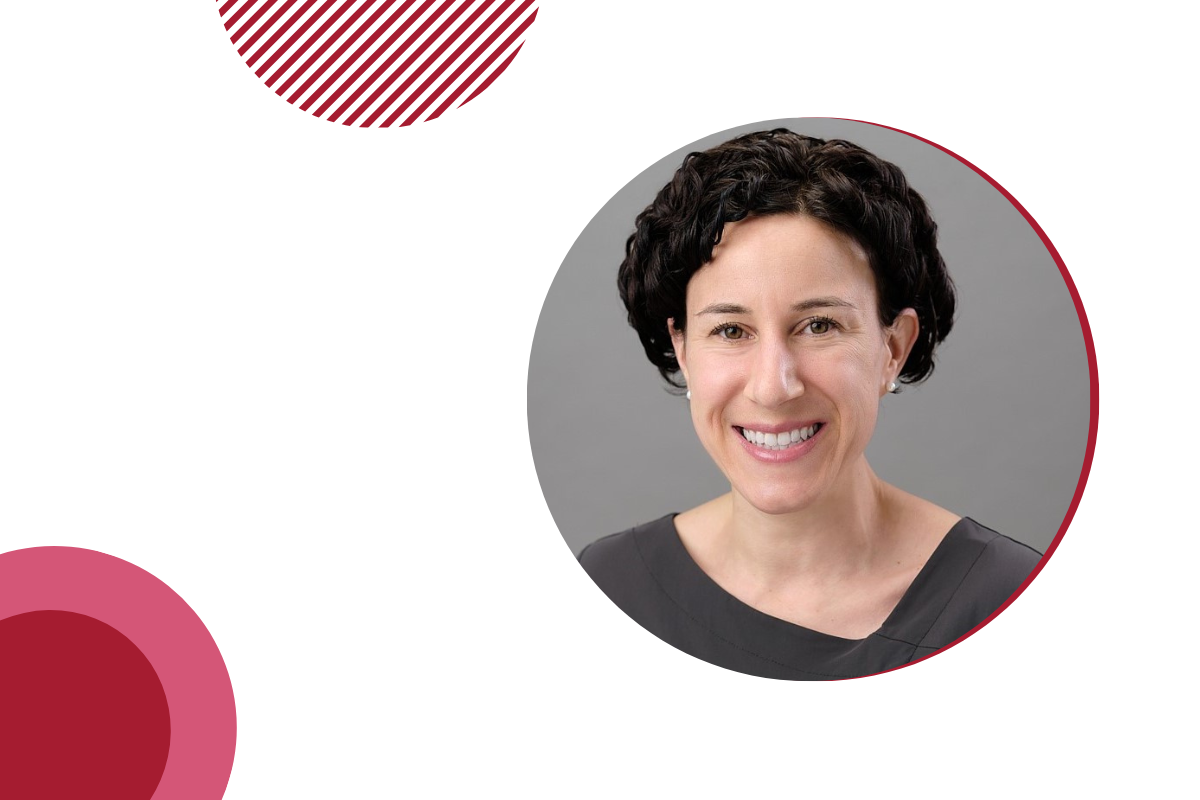
Abstract: The ongoing housing affordability crisis in the US poses significant challenges to the wellbeing of children. In this presentation, I will provide an overview of the relationship between housing instability and children’s health drawing on a range of recent studies. I will also describe evidence from both quasi-experimental and experimental research to demonstrate how housing interventions can mitigate negative impacts and promote healthier outcomes for children.
Bio: Dr. Natalie Slopen is a social epidemiologist with a focus on child development, health equity, and life course theory. She is an Associate Professor in the Department of Social and Behavioral Sciences at Harvard T. H. Chan School of Public Health. Dr. Slopen’s research focuses on how social and environmental factors influence health and well-being in childhood and across the lifespan. Her work, encompassing both observational and experimental studies, aims to generate insights that can shape effective policies and programs to promote health equity.
Speaker Information
Natalie Slopen, ScD
Organizers
Related Events
Epidemiologic Methods and Data Science: Stronger Together

Abstract: Epidemiologic methods often focus on a statistical model as the main step to getting “the” result. This talk will attempt to widen the perspective on epidemiologic methods. How do we develop and communicate our research plans in a team? How do the numbers from a regression model make it into a table in a manuscript? Practical examples will be shown how standard approaches from data science and free software packages can speed up our work in epidemiology and improve its reproducibility. As a corollary, epidemiology-minded data science might not just need to be a core component in the training of the next generation of epidemiologists, but can in turn also help teach epidemiologic methods.
Bio: Konrad Stopsack leads the Department of Epidemiological Methods and Etiological Research at the Leibniz Institute for Prevention Research and Epidemiology – BIPS in Bremen, Germany. His applied research focuses on molecular and cancer epidemiology. His methodologic and teaching interests include application and further development of epidemiologic methods to improve reproducibility, interpretability, and efficiency of epidemiologic studies.