Cascading and emergent water risks at the margins with Marccus Hendricks, PhD, MPH
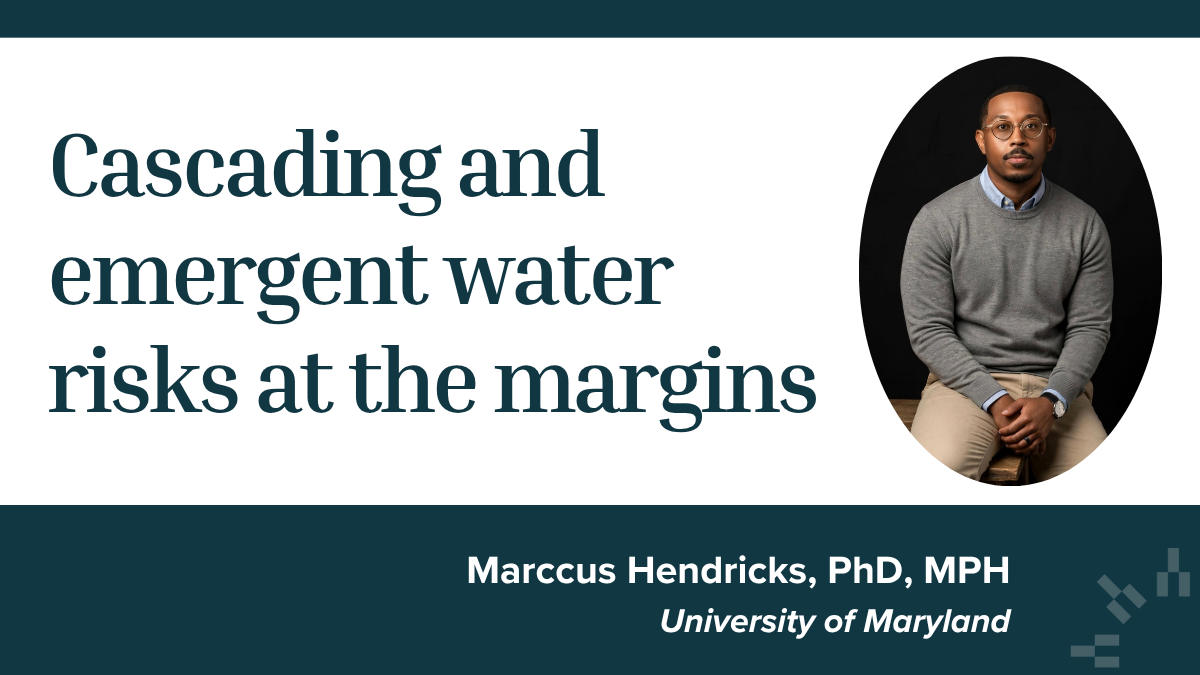
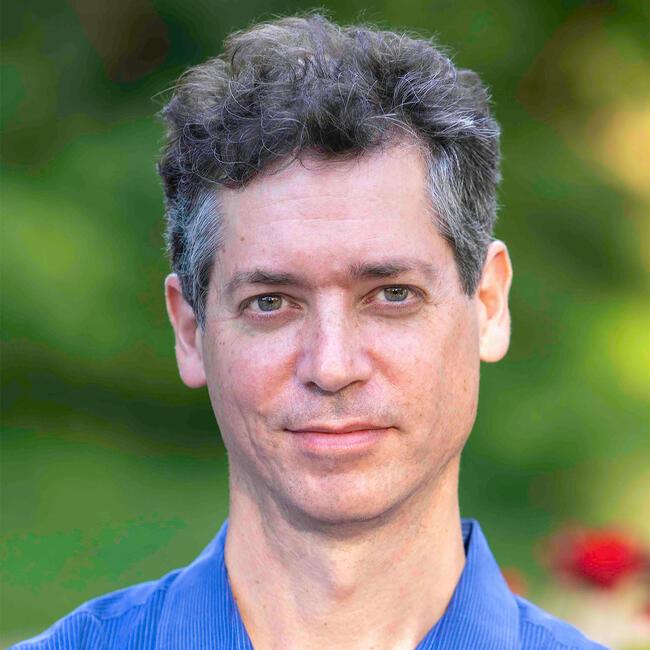
Please join the Harvard Chan NIEHS Center for Environmental Health and the Department of Environmental Health for a talk by Marccus Hendricks, PhD, MPH, Associate Professor of Urban Studies and (Environmental) Planning at the University of Maryland. Dr. Hendricks will discuss “Cascading and emergent water risks at the margins: Insights from the Stormwater Infrastructure Resilience and Justice (SIRJ) Lab.”
This event will be held in person (HSPH Bldg. 1, 1302) and via Zoom. Register here
Trainee meeting for students and postdocs immediately following the seminar, 2-2:30 pm, in 1306A! Come in-person to discuss research interests, career plans, and funding opportunities. RSVP here!
Abstract
Stormwater hazards are unevenly distributed across urban landscapes, with working-class communities of color disproportionately exposed to a variety of water risks; conditions intensified by extreme weather. This talk examines how “cascading and emergent water risks” arise at the intersection of aging infrastructure, environmental variability, and social inequality.
Drawing on research from the SIRJ (pronounced surge) Lab, Dr. Marccus Hendricks introduces conceptual frameworks that situate stormwater systems within broader social, political, and environmental contexts, emphasizing how infrastructure access and performance are shaped by inequitable planning and governance. He demonstrates how cascading risks, such as stormwater runoff, sewer overflows, and basement backups, create emergent hazards that extend beyond traditional flooding to impact health, housing, and well-being.
The talk additionally highlights sensing technologies and advanced GIS modeling to track water and infrastructure, monitor performance, and assess real-time conditions. A Baltimore case study illustrates a multi-method approach to evaluate interconnected risks and inform more equitable infrastructure planning and management.
About the speaker
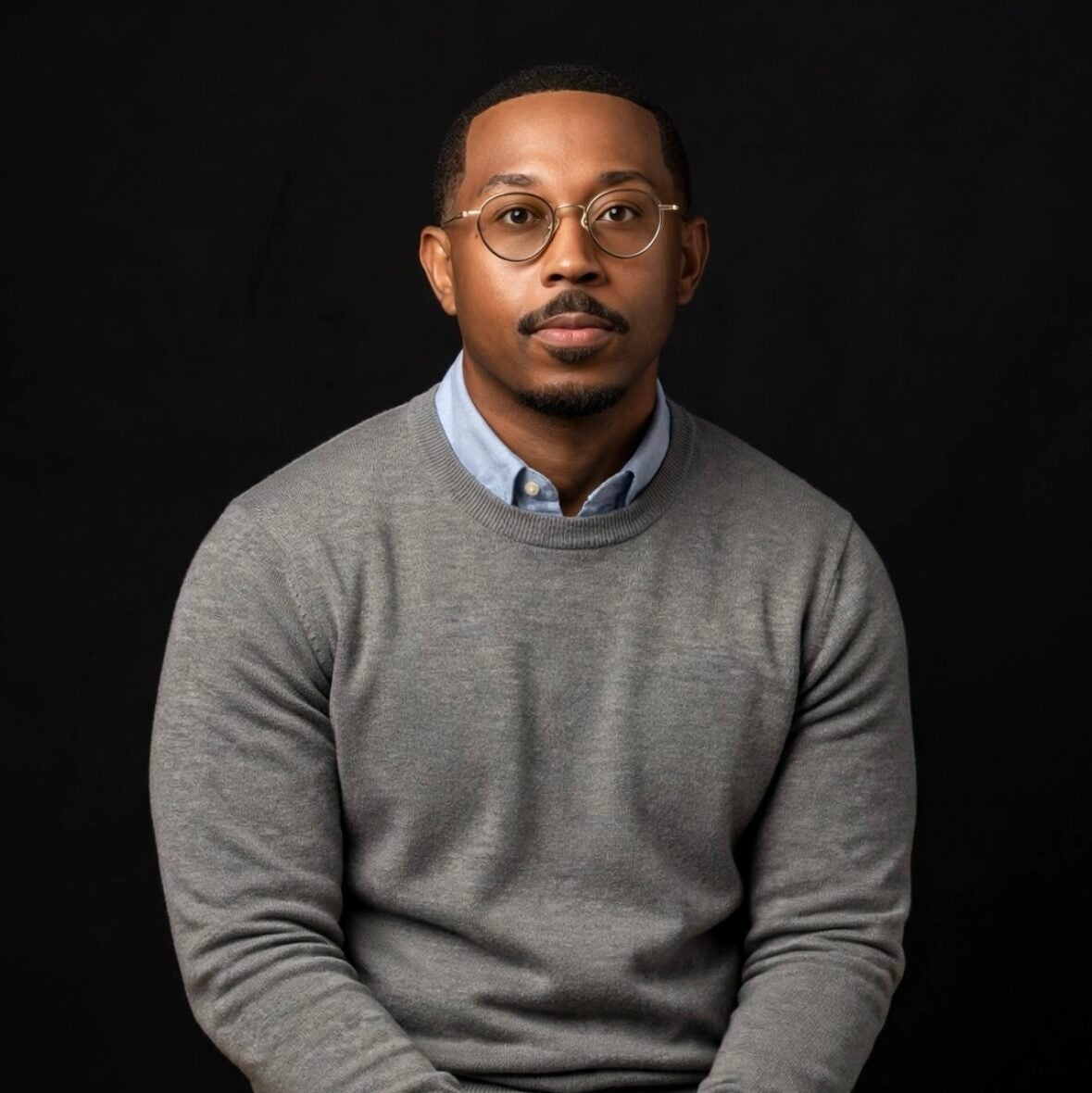
Marccus D. Hendricks is an Associate Professor of Urban Studies and (Environmental) Planning at the University of Maryland (UMD), where he directs the Stormwater Infrastructure Resilience and Justice (SIRJ) Lab and holds affiliations in engineering and public health. In 2023, he served as Senior Advisor for Climate and Community Resilience in the inaugural Office of Environmental Justice at the White House Council on Environmental Quality.
A leading scholar of environmental justice, infrastructure resilience, and water risks, Dr. Hendricks examines how social processes and development patterns shape hazardous environments that disproportionately affect marginalized communities. His work has been featured by the Associated Press, Washington Post, CNN, NPR, Bloomberg, and Scientific American, among others.
Dr. Hendricks is a 2026–2027 Harvard Radcliffe-Salata Climate Justice Fellow, former U.S. EPA Science Advisory Board member, author on the U.S. Fifth National Climate Assessment, and a 2021 Grist 50 “Fixer.” He holds a PhD in Urban and Regional Sciences and MPH from Texas A&M University.
Speaker Information
Organizers
Boston in Context Understanding the city and communities surrounding our school
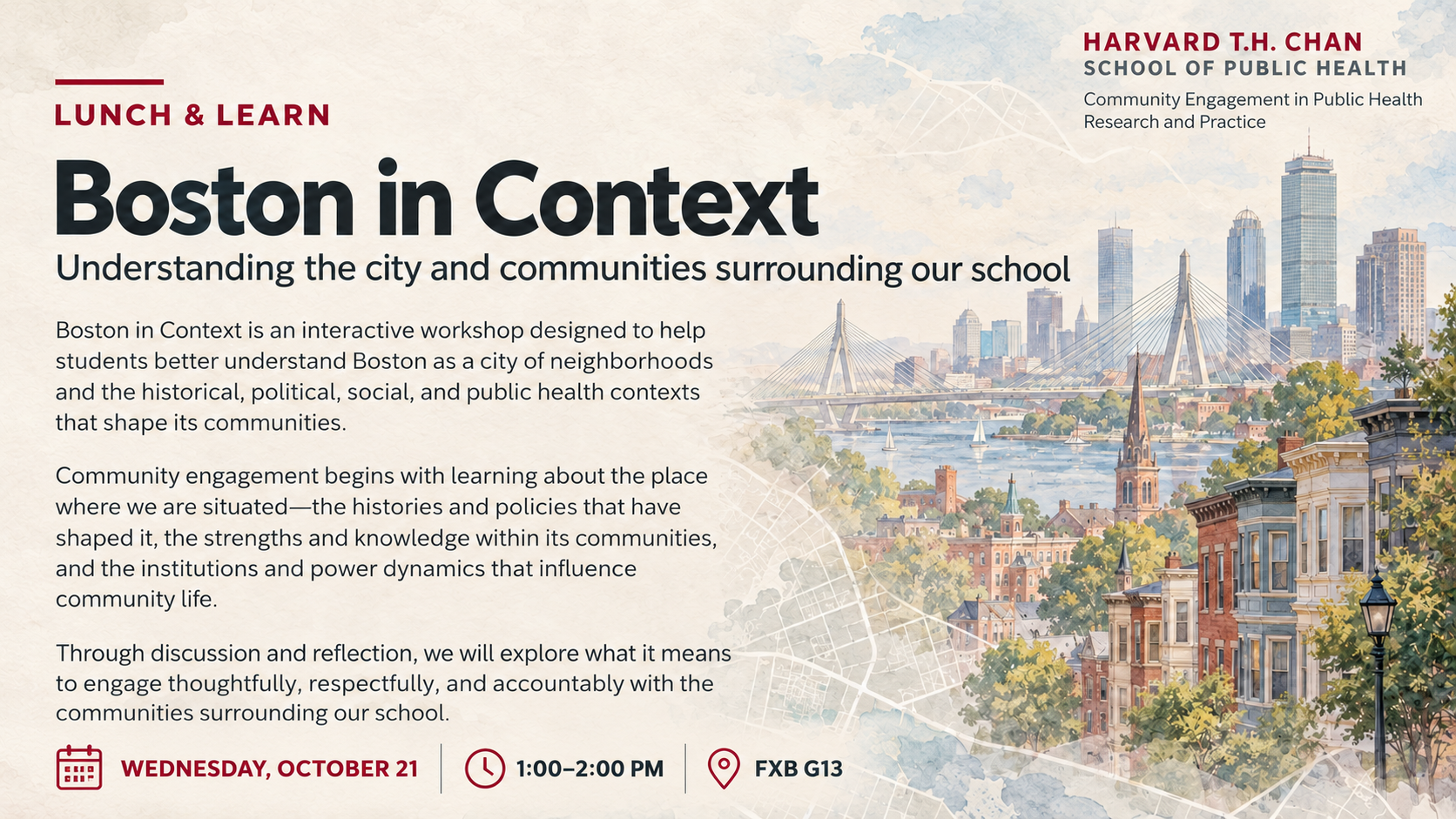
Boston in Context is an interactive workshop designed to help students better understand Boston as a city of neighborhoods and the historical, political, social, and public health contexts that shape its communities.
Community engagement begins with learning about the place where we are situated—the histories and policies that have shaped it, the strengths and knowledge within its communities, and the institutions and power dynamics that influence community life. Through discussion and reflection, we will explore how place and identity shape public health priorities and consider what it means to engage thoughtfully, respectfully, and accountably with the communities surrounding our school.
Join us to deepen your understanding of Boston and consider why knowing our local context is an essential starting point for community-engaged public health research and practice.
Speaker Information
Ra'Shaun Nalls
Organizers
Occupational Safety & Health Seminar
The Department of Environmental Health and the Harvard Chan Education and Research Center for Occupational Safety and Health invite you to the next Occupational and Environmental Health Friday Seminar on Friday, October 9, at 1:10-1:50.
Title: Catching the Flu Virus in the Air with a Controlled Human Infection Model
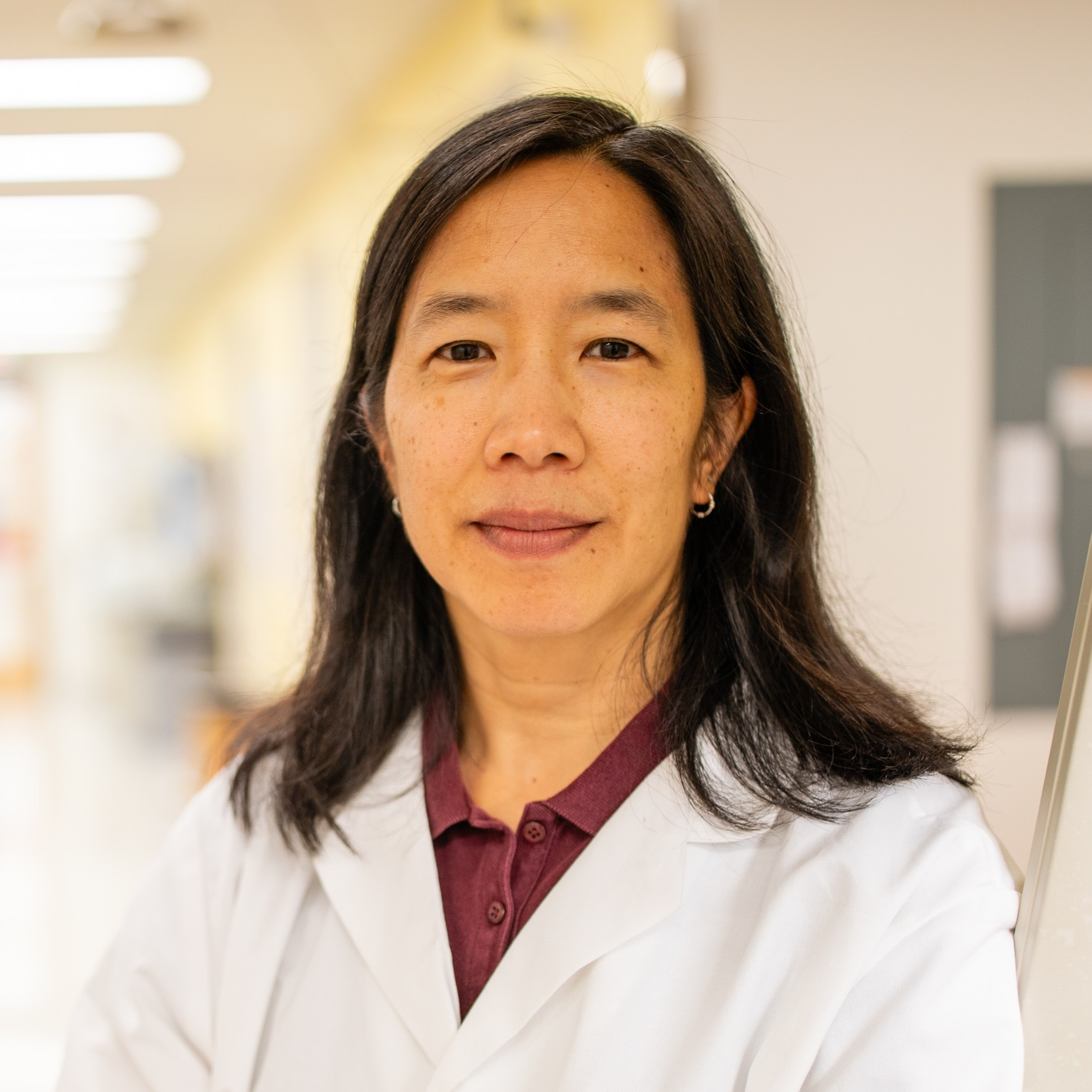
Presenter: Dr. Linsey Marr, University Distinguished Professor and the Charles P. Lunsford Professor of Civil and Environmental Engineering, Virginia Tech.
Location: 502 Kresge or Zoom
Register: Register here to attend via Zoom.
Abstract: Influenza human challenge models, in which participants are voluntarily infected with the virus, provide a unique opportunity to explore aspects of influenza disease and transmission. Traditionally, these models have used intranasal inoculation for safety and reproducibility, although this route does not mimic natural infection. We revisited inoculation with aerosolized virus, which may better mimic natural infection, and found an attack rate of 75%, compared to 85% for intranasal inoculation. Symptoms and viral kinetics were similar between the two routes of exposure. To improve understanding of the potential for forward transmission of influenza, we characterized virus in exhaled breath using a Modular Influenza Sampling Tunnel (MIST), a 3-foot long chamber that allows for deposition of large droplets on cell culture plates and sampling of aerosols at the far end of the tunnel. Participants expelled infectious virus into the air on multiple days post-inoculation. The extent of infectious virus production varied by three orders of magnitude among individuals and was higher during coughing and sneezing compared to speaking. Furthermore, we observed a positive correlation between the total volume of expelled larger droplets and the amount of infectious virus detected. Shedding in respiratory particles correlated with viral load in saliva and nasopharyngeal swabs and with clinical symptoms. Our studies highlight both the power and limitations of controlled human infection model studies and provide an opportunity to explore the complexity of virus expulsion and transmission parameters in a relevant system.
Speaker Information
Linsey Marr
Organizers
Healthcare Access and H.R.1 Impacts on People Experiencing Homelessness

H.R. 1 is expected to affect health care coverage for millions of people, including those experiencing homelessness, housing instability, and residents of U.S. Department of Housing and Urban Development (HUD) assisted housing. Join Corporation for Supportive Housing (CSH) for a discussion of the policy changes driving these impacts, emerging questions about the relationship between homelessness and Medicaid coverage, and strategies the homeless services and affordable housing sectors can use to help mitigate potential harm.
Speaker Information
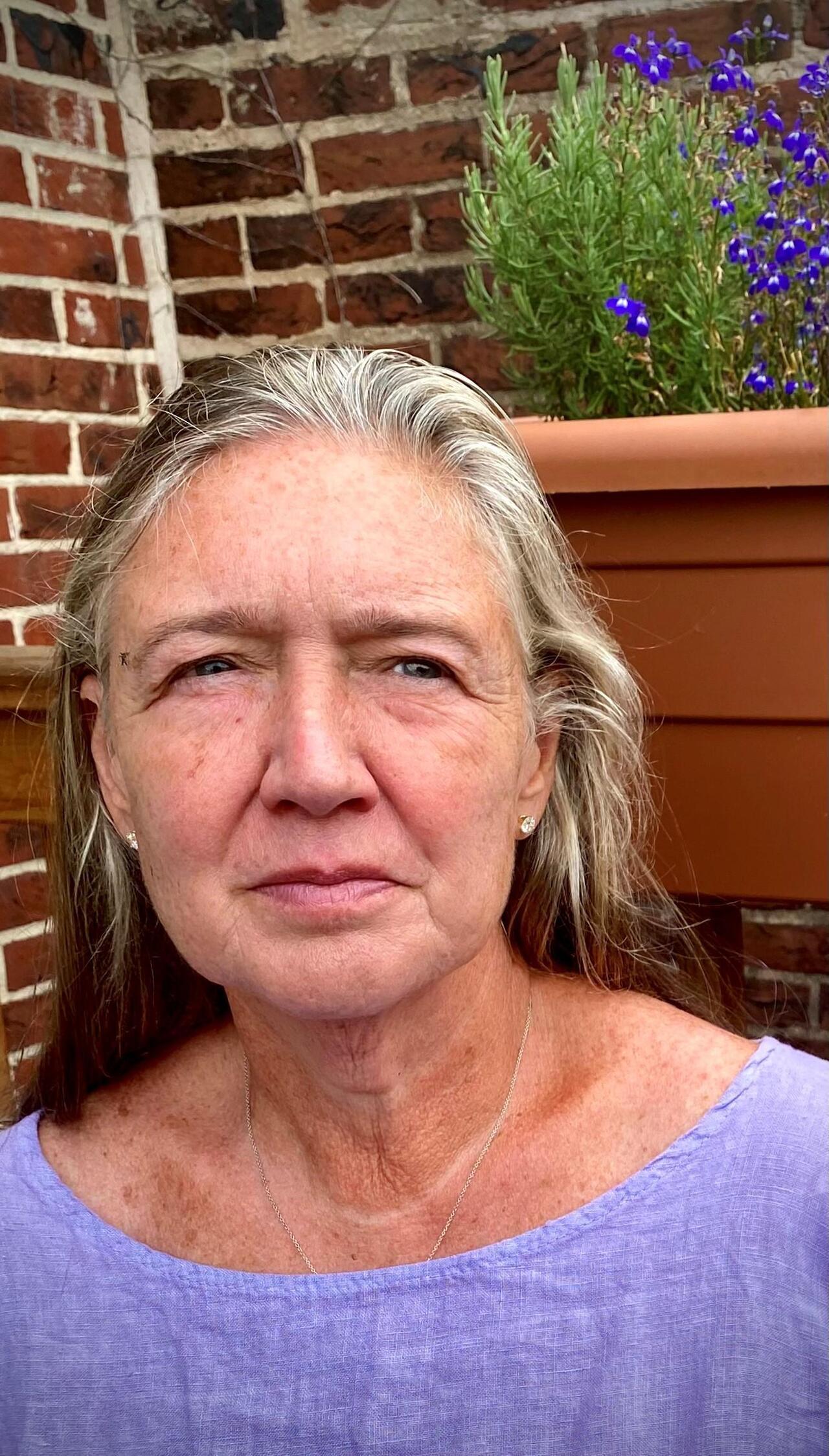
Marcella Maguire
Organizers
Implications of the Mid-Term Elections for Reproductive and Transgender Health
Join WGH for a lunchtime panel discussion focused on reproductive & transgender health in light of the upcoming midterm elections. Prof. Liz Janiak will moderate this timely discussion with panelists Rachel Levine, MD (former Assistant Secretary for Health of the United States Department of Health and Human Services), Clara Spera, Esq (Lecturer, Harvard Law School), Claire Decoteau, PhD (Professor, University of Illinois Chicago), and Lyv Norris, MPH (Reproductive Justice Practitioner and Labor Organizer).
This event marks the kickoff of the WGH Fall event series Defying Erasure: Gender, Solidarity & The People’s Health.
All are welcome! A pizza lunch will be provided.
Moderator
Organizers
Occupational Safety & Health Seminar
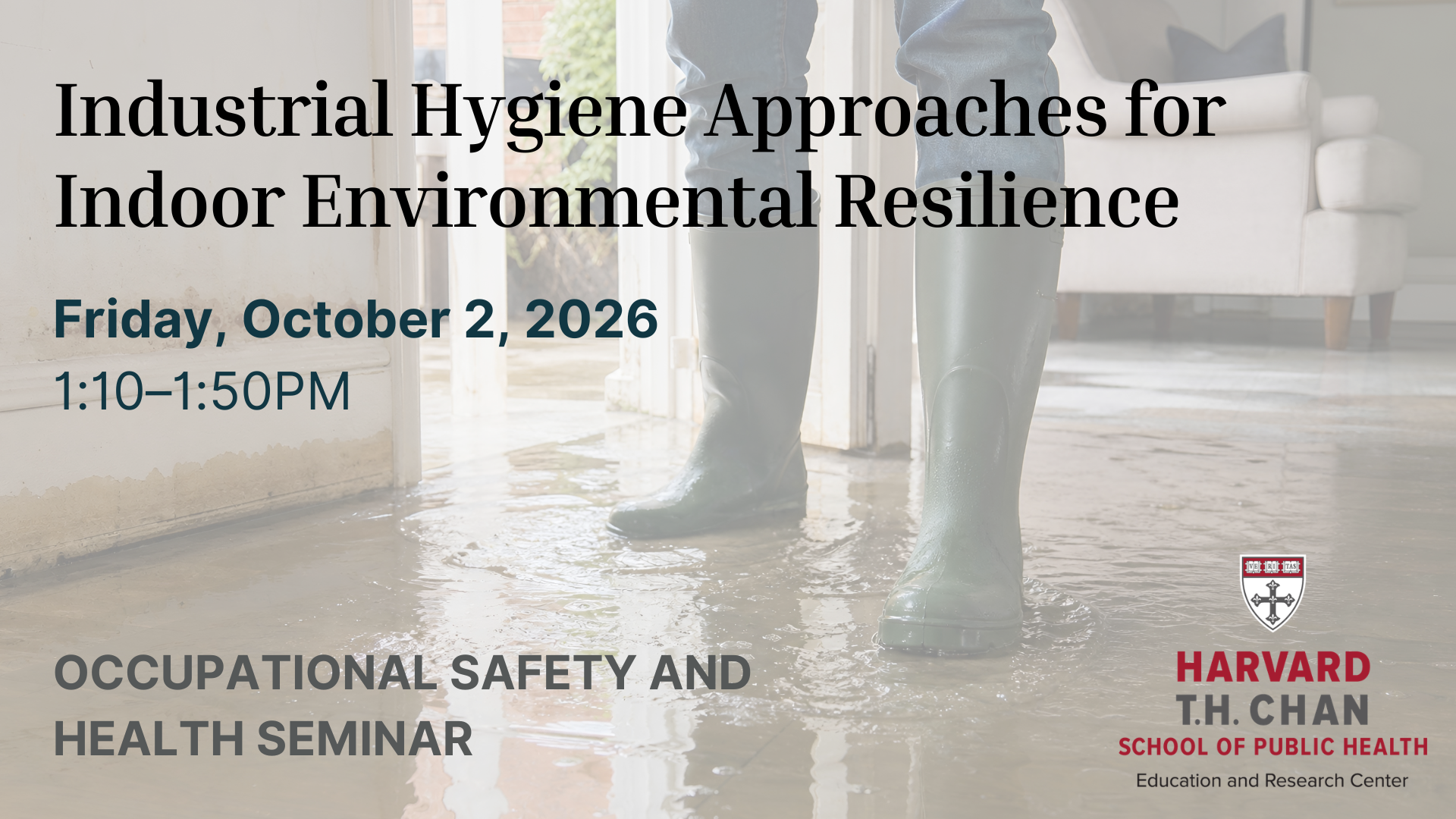
The Department of Environmental Health and the Harvard Chan Education and Research Center for Occupational Safety and Health invite you to the next Occupational and Environmental Health Friday Seminar on Friday, October 2, 2026, at 1:10-1:50.
Title: Industrial Hygiene Approaches for Indoor Environmental Resilience
Presenter: Parham Azimi, PhD, CIH, Research Scientist, Healthy Buildings Program
Location:
- In-person in 502 Kresge, Harvard Chan School of Public Health
- Online via Zoom
Register: Please register here to attend via Zoom.
Abstract: This ERC Occupational Safety and Health Seminar Series talk will highlight how industrial hygiene principles can be applied to assess and reduce indoor environmental exposures following wildfires, hurricanes, floods, and other crises. Data collected from hurricane- and flood-affected regions, ranging from Florida to Alaska, as well as from buildings exposed to wildfire pollutants in Maui and Los Angeles, will be presented. Strategies for sampling air, water, dust, ash, and mold will be discussed, along with approaches for identifying exposure pathways and vulnerable populations. Key findings will demonstrate the importance of rapid, integrated exposure assessment and practical controls (e.g., ventilation, filtration, portable air cleaning, moisture management, and personal protective equipment) to support safer re-occupancy, recovery, and community resilience.
Speaker Information
Organizers
IID Seminar Series – Ashley Vaughan
Title Talk
“TBC“
THIS SPEAKER WILL BE IN PERSON IN FXB 301.
The event will be hybrid.
Speaker Information
Ashley Vaughan
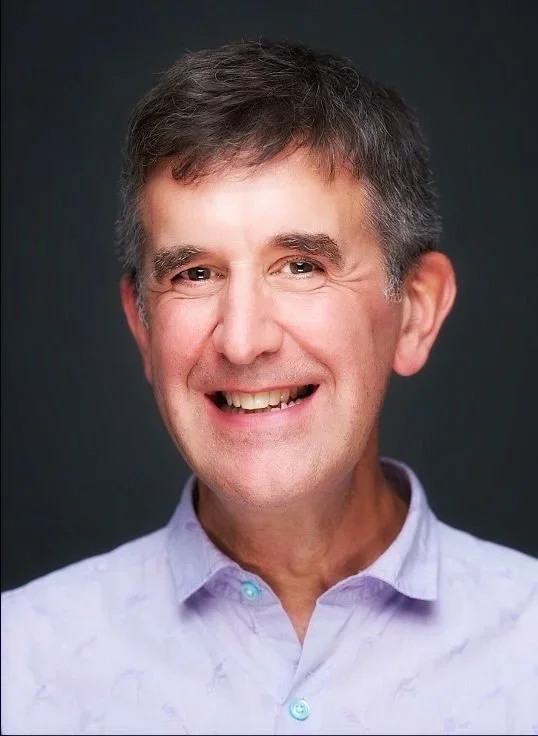
Ashley received his PhD from the London School of Hygiene and Tropical Medicine and studies the disease malaria, caused by Plasmodium parasites. Ashley and his team have shown the importance of the parasite’s fatty acid synthetic pathway for sporozoite and liver stage maturation. The team also researches how to elicit the most protective immune response after vaccination with genetically attenuated parasites. Ashley and his team have led significant advances in the use of human liver-chimeric mouse models for studying human malaria parasites. This includes complete liver stage development and the transition to blood stage malaria in the mouse for the human malarias Plasmodium falciparum and Plasmodium vivax. The team have also used this mouse model for the creation of experimental Plasmodium falciparum genetic crosses, a significant advance that aids in our understanding of P. falciparum drug resistance and linking genotypes to phenotypes. More recently, the Vaughan lab has used the human liver-chimeric mouse model to study the formation of the P. vivax dormant liver stage hypnozoite as well as hypnozoite persistence and activation. Ashley continues to be fascinated by basic parasite pre-erythrocytic biology – the mosquito and liver stages of the life cycle and to this end the team also use rodent malaria models for parasite transgenesis to understand how the parasite interacts with its vector and host during sporozoite and liver stage development. Ashley collaborates with Dr. Kappe and Sather at the Center for Global Infectious Disease Research. He also collaborates both nationally and internationally with malaria experts including Dr. Jetsumon Sattabongkot at Mahidol University, Bangkok, Thailand, a leading expert in the field of P. vivax research.
Learn more on the Vaughan Lab
Related Events
IID Seminar Series – Laura Duvall
Title Talk
“TBC“
THIS SPEAKER WILL BE IN PERSON IN FXB 301.
The event will be hybrid.
Speaker Information
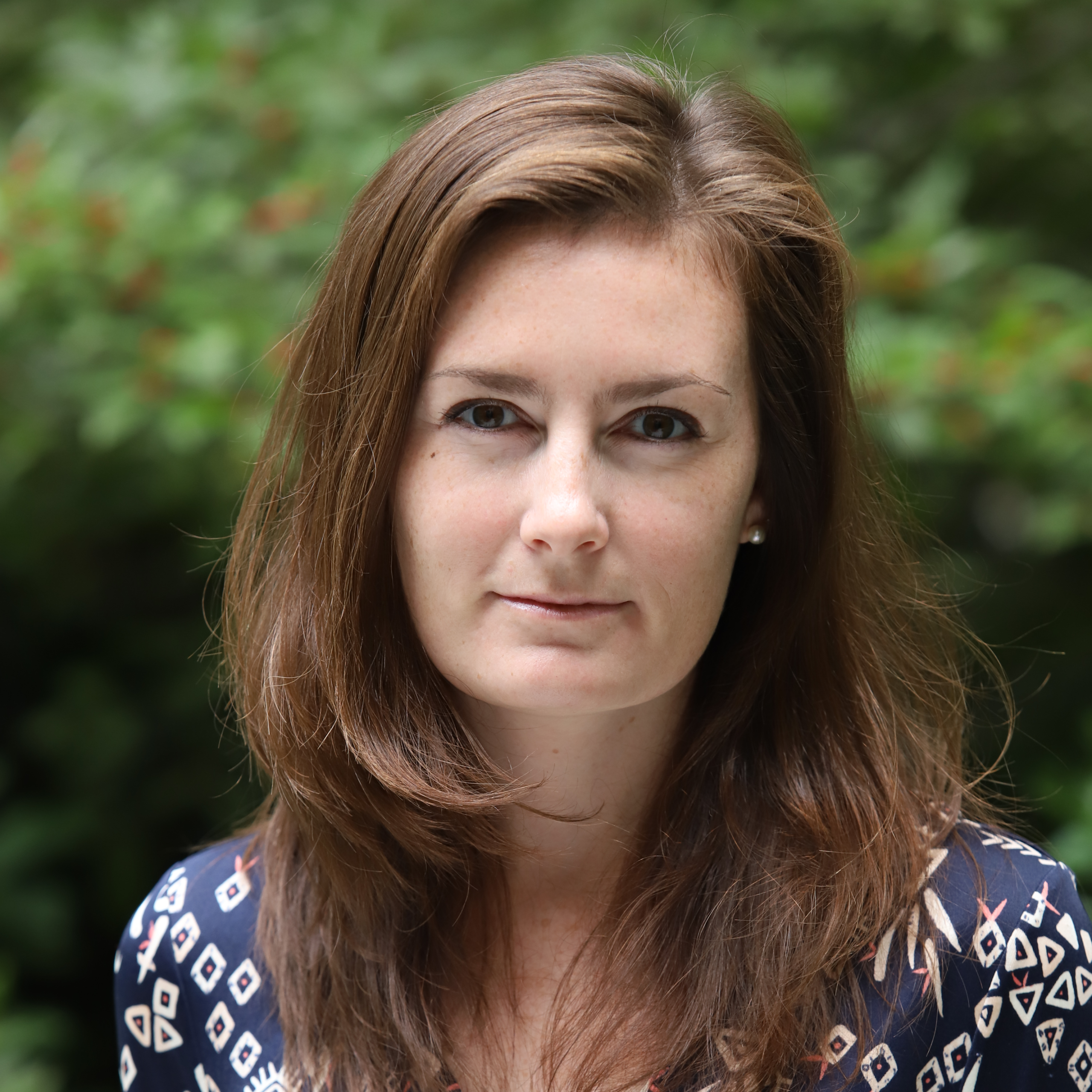
Laura Duvall received her B.A. in Biochemistry and Biological Basis of Behavior from the University of Pennsylvania in 2007. She then went on to complete a PhD with Paul Taghert at Washington University in St. Louis studying the neuropeptide regulation of circadian behavior in Drosophila. She conducted postdoctoral research with Leslie Vosshall at the Rockefeller University where she switched her studies to the Aedes aegypti mosquito and focused her research efforts on understanding the regulation of feeding and mating behaviors in the mosquito.
She started her own lab at Columbia University in 2019 where she is a member of the Department of Biological Sciences and an affiliate of the Zuckerman Institute. She is the recipient of a 2020 Beckman Young Investigator Award, a 2020 Klingenstein-Simons Fellowship Award in Neuroscience, and she is a 2021 Pew Scholar in Biomedical Sciences.
Learn more about Laura Duvall
Related Events

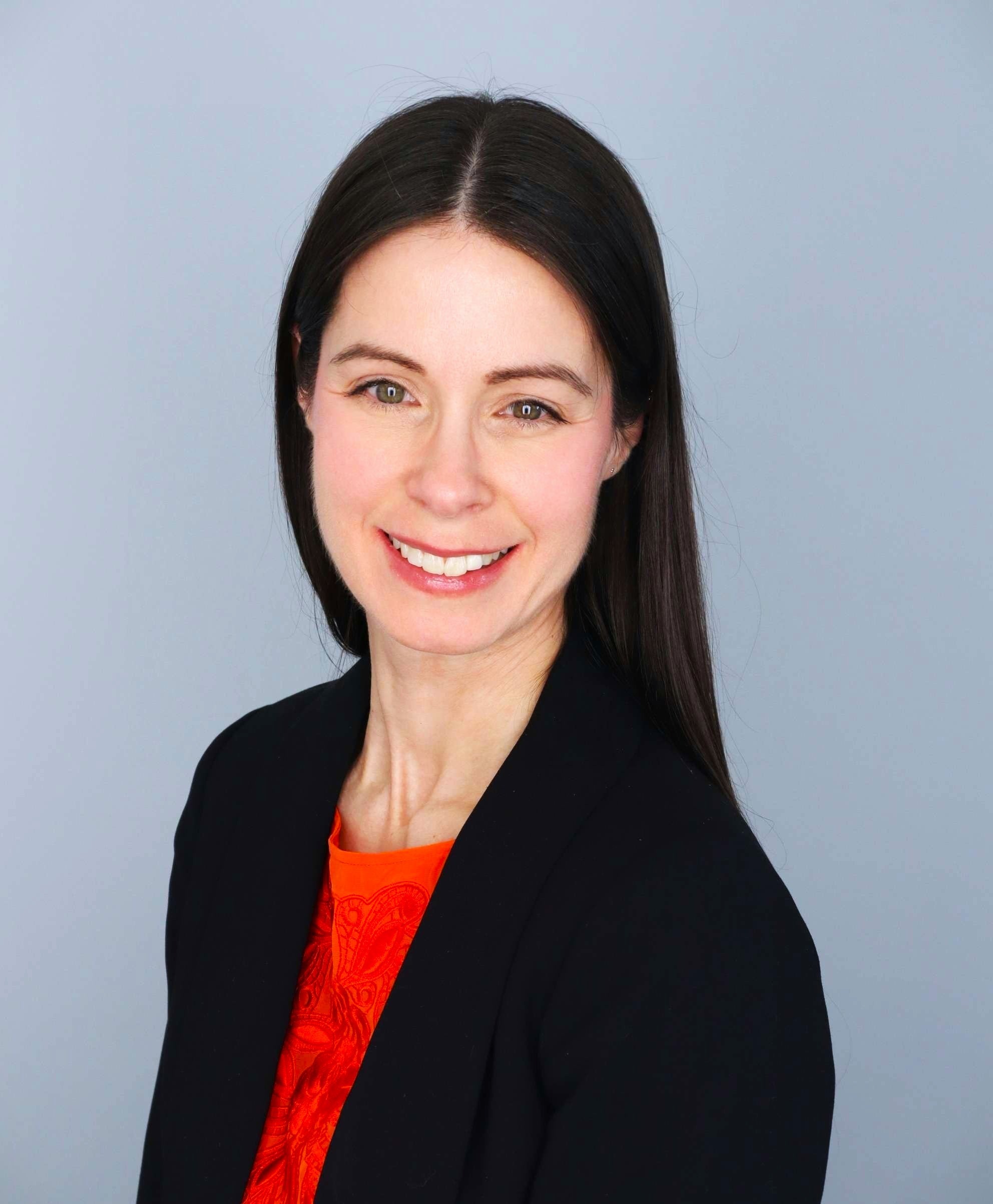
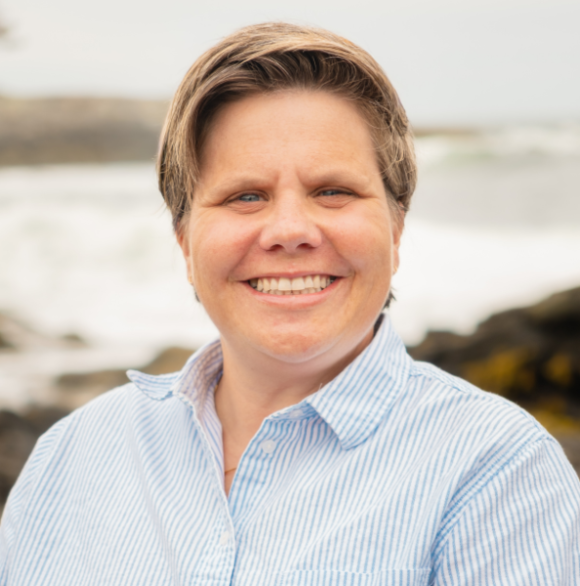
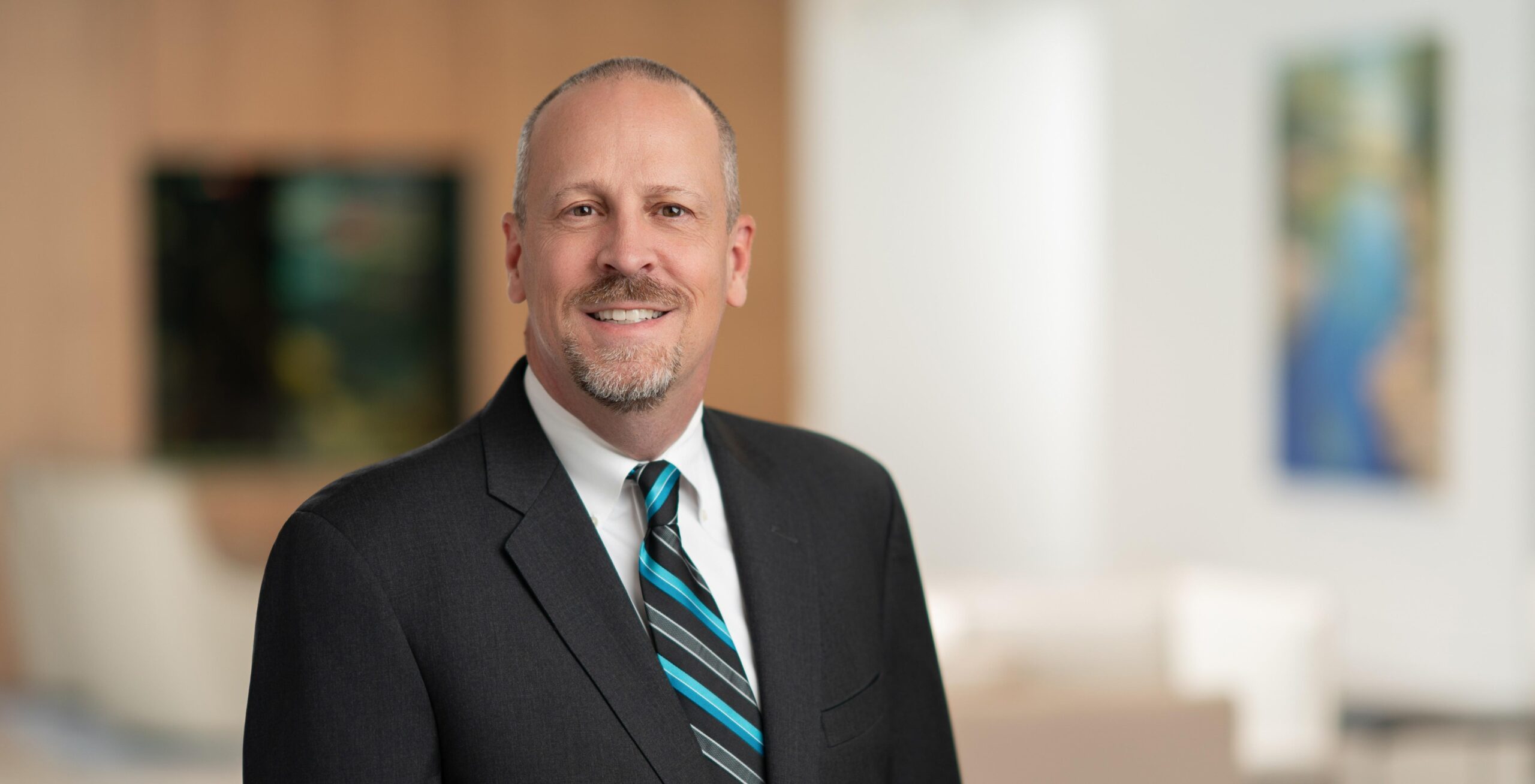
As the midterm elections approach, how are Americans thinking about public health — and which issues are most likely to shape the national conversation? Join a panel of experts for a timely discussion of the latest polling and research on public opinion and health policy. Moderated by The Bulwark’s Jonathan Cohn.
Speakers
Moderator
Jonathan Cohn
About The Studio

Personal loss, trauma, and grief can profoundly affect us — sometimes in invisible ways. In this candid conversation, Rachel Zimmerman, author of Us, After: A Memoir of Love and Suicide, will join experts in trauma, grief, and mental health to explore the science and lived experience of loss and resiliency.