Brown Bag Seminar: Evidence triangulation in dementia research
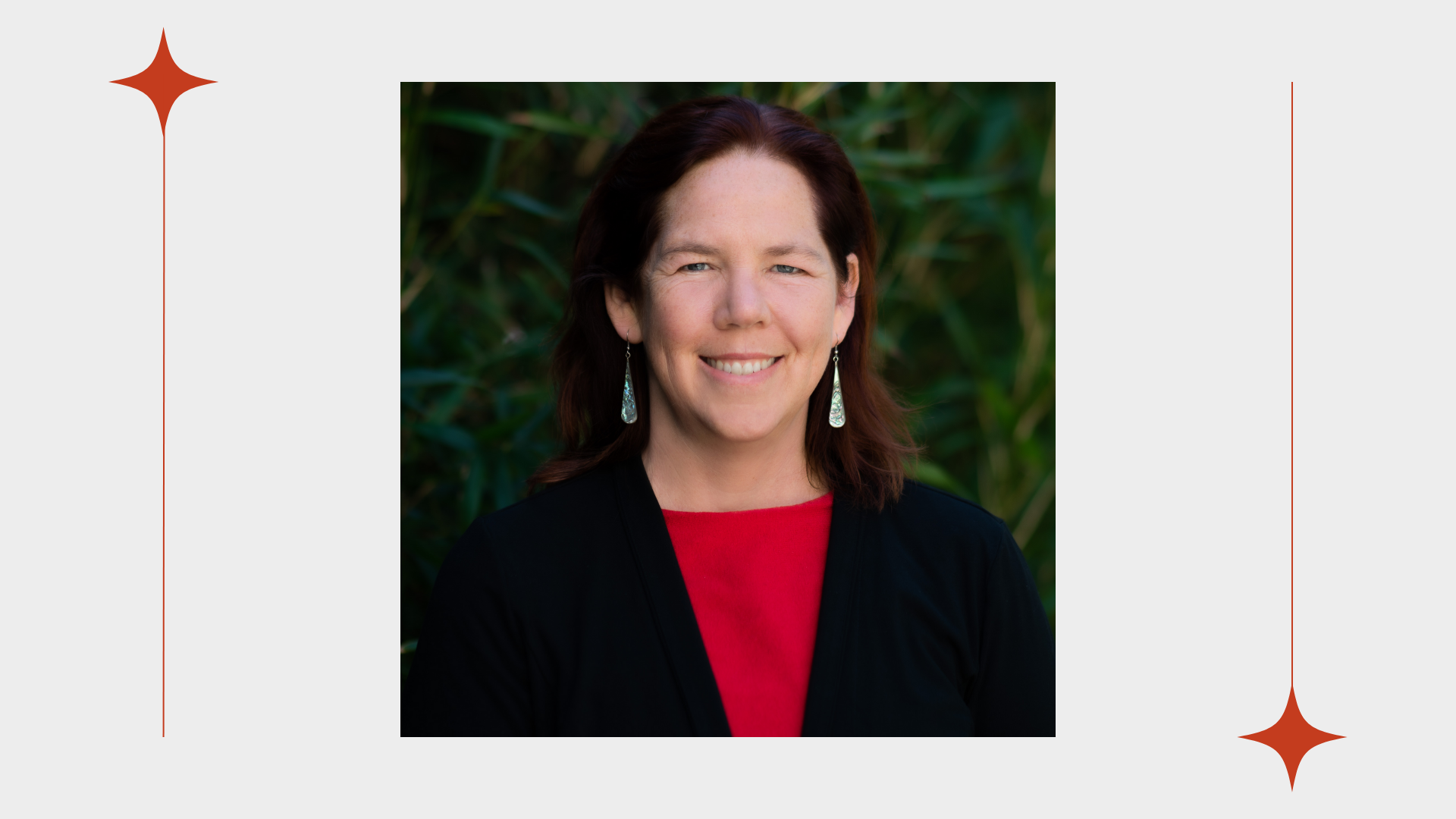
Maria Glymour is professor and chair of the department of epidemiology at Boston University School of Public Health. Her research examines how social factors experienced across the life-course, from infancy to adulthood, influence cognitive function, dementia, stroke, and other health outcomes in older adults. A separate theme of her research focuses on overcoming methodological problems encountered in analyses of the social determinants of health, Alzheimer’s disease, and dementia.
Speaker Information
Maria Glymour
Organizers
Community-Engaged Research Working Group in Environmental Health
Join the Harvard Chan NIEHS Center’s working group on community-engaged research in environmental health!
This working group brings together faculty, trainees, students, and staff to discuss the methods and practice of conducting community-engaged research with a focus on environmental health.
We’ll meet in person in Building 1, 1302 on February 2, 1-2:00 pm.
February agenda: We will share successes and challenges in our own ongoing community-engaged research, and discuss how we can collaborate in this research field.
Please email niehsctr@hsph.harvard.edu to RSVP!
Speaker Information
Organizers
Trial Augmentation Using External Data and Models: Toward Harmony Between Observational Studies and Trials
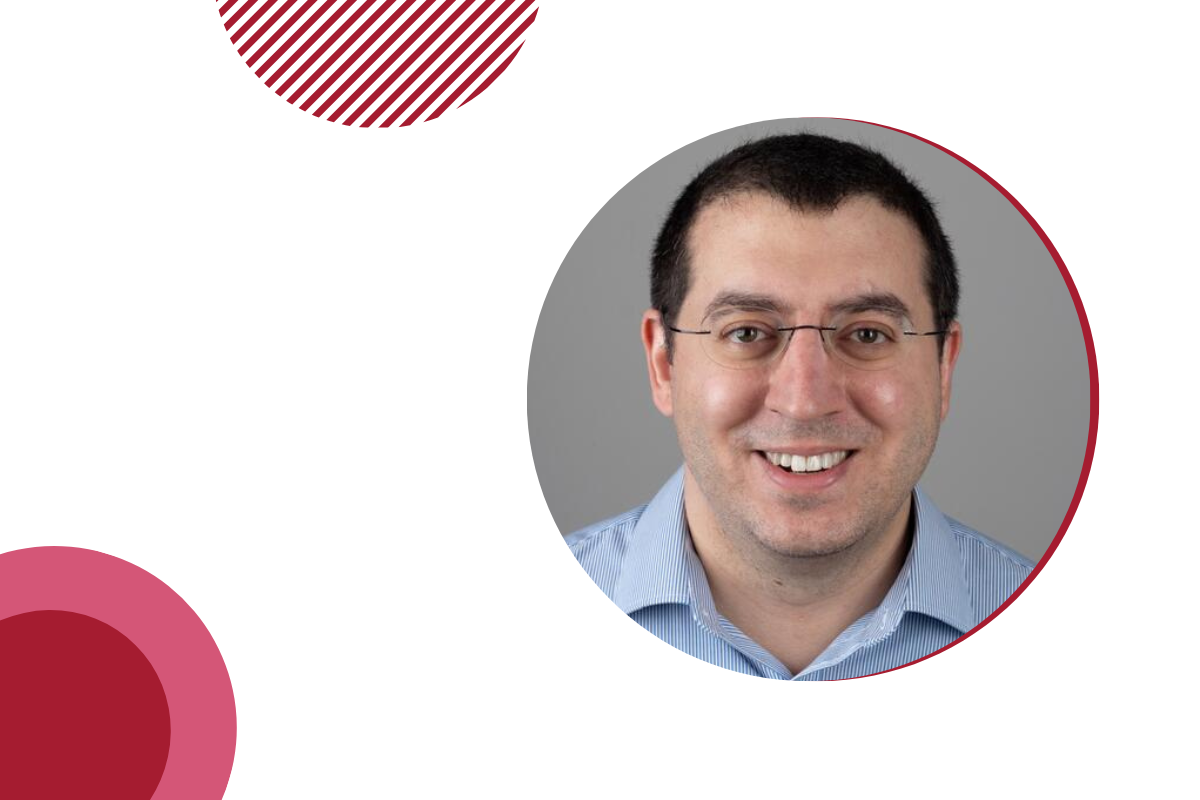
Join us on Wednesday, February 4th for the Department of Epidemiology seminar series featuring Dr. Issa Dahabreh discussing Trial Augmentation Using External Data and Models: Toward Harmony Between Observational Studies and Trials
Abstract: We introduce trial augmentation, a new approach to analyzing randomized trials that leverages external data — either historical experimental data or observational data — to improve trial efficiency without sacrificing the unbiasedness guarantee provided by randomization. We characterize a broad class of randomization-aware estimators that integrate external data through data-adaptive models (e.g., machine learning or generative models), yielding higher efficiency and statistical power than estimators based on trial data alone. Crucially, members of this class exploit randomization to remain unbiased even when the external data are misaligned with the trial population or affected by unmeasured confounding. We show that several widely used estimators, including the efficient trial-only estimator, are special cases within this framework. We further demonstrate how combining two or more randomization-aware estimators yields procedures with two key properties: (1) robustness to misalignment and unmeasured confounding in the external data, and (2) efficiency that is at least as high as, and typically higher than, that of the component estimators. We situate these results within a broader research program aimed at a more harmonious integration of observational analyses and randomized trials.
Bio: Issa Dahabreh, MD ScD is Associate Professor of Epidemiology and Biostatistics at the Harvard T.H. Chan School of Public Health and Section Head for Epidemiology and Data Science at the Smith Center for Outcomes Research at Beth Israel Deaconess Medical Center. His research focuses on the design and analysis of randomized trials and observational studies, with an emphasis on causal inference and evidence synthesis. He also develops statistical methods that integrate diverse data sources to improve decision-making in clinical and public health settings.
Speaker Information
Issa Dahabreh, MD, ScD
Organizers
Related Events
Monday Nutrition Seminar | Understanding Food Loss and Waste: Opportunities and challenges across the food supply chain
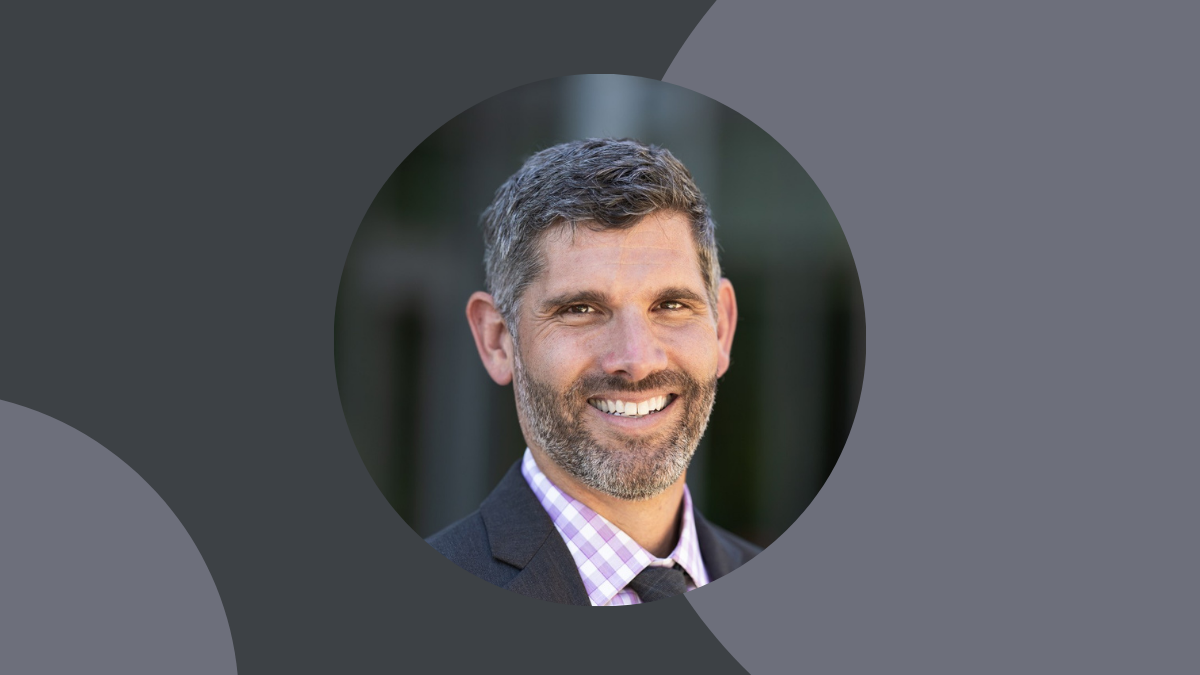
Please join the Department of Nutrition for the Monday Nutrition Seminar featuring Edward Spang, PhD, Associate Professor of Food Science and Technology at the University of California, Davis. Dr. Spang’s talk—”Understanding Food Loss and Waste: Opportunities and challenges across the food supply chain”—will take place on January 26 at 1:00pm ET on Zoom (registration is required).
Healthy snacks will be provided, thanks to the generous support of the Office of the Associate Provost for Student Affairs’ Wellbeing Fund.
The Monday Nutrition Seminar Series is free and open to the public. If you plan to attend this event and do not have an active HUID, please fill out the registration form by 3:00pm ET on 1/23/26.
Seminar speakers share their perspectives, they do not speak for Harvard.
Speaker Information
Organizers
Using Values-Based Storytelling to Shift the Public Health Conversation: A Hands-on Workshop

Storytelling is one of the most powerful tools in health communication—capable of shifting beliefs, building trust, and inspiring action. In this session, led by SBS alum Elissa Scherer (MPH-HSB ’24), we’ll explore why stories stick when facts alone fall flat, and how to harness narrative as a strategy for building community trust and public health impact. Participants will learn how to tell stories about the values that call them to their work and how to craft a narrative-based call-to-action.
This immersive, hands-on workshop is in person only—reserve your spot to join us in the room and leave ready to inspire real-world action.
This seminar is co-sponsored by the Department of Social and Behavioral Sciences and the Center for Health Communication.
Speaker Information
Elissa Scherer

Organizers
When and How Best to Use Online Panels for Epidemiologic Research
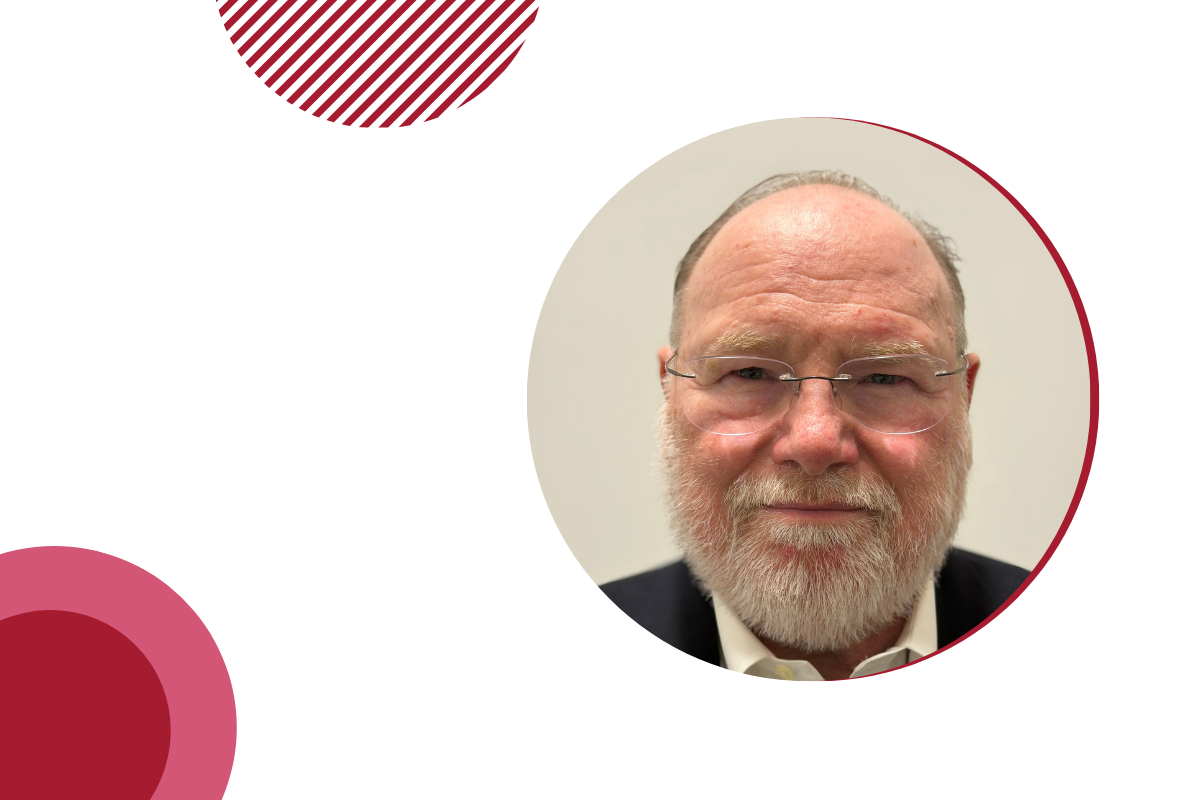
Join us on Wednesday, March 4th for the Department of Epidemiology seminar series featuring Dr. Ronald Kessler discussing When and How Best to Use Online Panels for Epidemiologic Research.
Abstract: Recent years have seen a sea change in population survey methods, with online panels increasingly replacing traditional in-person and telephone surveys. A small number of vendors now offer “probability-based” online panels, in which households are recruited using probability sampling methods. The Census Bureau’s new Household Trends and Outlook Pulse Survey (HTOPS) is based on such a panel. However, most online panel providers rely on nonprobability, or “opt-in,” samples. Online panels can substantially reduce costs and shorten the time from data collection to results, addressing mounting challenges faced by traditional survey modes. At the same time, they raise important concerns about selection bias and generalizability. This is true even in probability-based panels, which typically have effective response rates in the range 2-5% (i.e., they fail to represent 95-98% of the population). Given that online panels are now a permanent feature of the research landscape, an important question is whether there is a viable middle ground between traditional probability samples and purely opt-in designs. This presentation reviews the approaches that have been proposed to find such a middle ground and describes a hybrid design now being implemented in the new round of the World Mental Health Surveys.
Bio: Ronald Kessler, Ph.D. is the McNeil Family Professor of Health Care Policy at Harvard Medical School. He is a psychiatric epidemiologist whose work involves implementing mental health needs assessment surveys, preventive interventions, and clinical interventions for mental disorders and suicide-related behaviors. His intervention work focuses largely on developing precision intervention rules to get the right interventions to the right patients. He is the Director of the World Mental Health Surveys, a cross-national series of community epidemiological surveys on prevalence and correlates of common mental disorders in 30 countries (https://www.hcp.med.harvard.edu/wmh/). He is also the Harvard Site PI of the Study of Risk and Resilience in Servicemembers (STARRS), a coordinated series of epidemiological and neurobiological studies of social determinants of suicide-related behaviors among US Army soldiers and veterans (https://www.starrs-ls.org/), and of a series of pragmatic trials based on STARRS designed to reduce soldier suicide-related behaviors. Dr. Kessler is the author of over 1000 publications and has for many years been rated the most widely cited researcher in the field of psychiatry according to the Science-wide Author Databases of Standardized Citation Indicators. He is a member of the US National Academy of Sciences, the US National Academy of Medicine, and the American Academy of Arts and Sciences. He earned his Ph.D. in Sociology from New York University, completed a postdoctoral fellowship in psychiatric epidemiology at the University of Wisconsin, and was on the faculty at the University of Michigan before taking his current position at Harvard Medical School in 1995.
Speaker Information
Ronald Kessler, PhD
Organizers
Related Events
Harvard Pop Center Social Demography Seminar: “Can a voice channel improve retention and worker well-being? Evidence from a cluster-randomized trial in U.S. fulfillment centers”

Erin Kelly, PhD, Sloan Distinguished Professor of Work and Organization Studies, MIT Sloan School of Management, presents “Can a voice channel improve retention and worker well-being? Evidence from a cluster-randomized trial in U.S. fulfillment centers.”
The Social Demography Seminar (SDS) series at the Harvard Center for Population and Development Studies provides a lively forum for scholars from across the university to discuss in-progress social scientific and population research. Social demography includes work that uses demographic methods to describe and explain the distribution of social goods across populations. The hybrid series offers presentations on a wide variety of topics such as family, gender, race/ethnicity, population health—including mortality, morbidity, and functional health—inequality, immigration, fertility, and the institutional arrangements that shape and respond to population processes.
Speaker Information
Organizers
The Samuel L. and Elizabeth Jodidi Lecture with Atul Gawande
The Mechanics of Public Man-Made Death: USAID’s Destruction At One Year
The Trump Administration’s abrupt dismantling of the US Agency for International Development (USAID) has triggered a wave of already hundreds of thousands of deaths, mostly of children, around the world. Atul Gawande—former leader of global health at the agency—draws on data, historical parallels, and on-the-ground fact-finding to reveal how gains against malnutrition, infectious disease, and child mortality are being rapidly reversed. Gawande argues that this is a case of “public man-made death,” and calls for accountability and renewed commitment to lifesaving global health efforts.
This event is open to the public and will be recorded. Please plan on being seated by 4:15 p.m. as the event will start promptly at 4:30 p.m. Please register in advance to attend.
Speaker Biography
Atul Gawande, MD, MPH, is a renowned surgeon, author, and public health innovator. He holds the John and Cyndy Fish Chair in Surgery at Brigham and Women’s Hospital and is the Samuel O. Thier Professor of the Practice of Surgery at Harvard Medical School. He was Assistant Administrator for Global Health at USAID from January 2022 to January 2025. Prior to that, he cofounded and chaired Ariadne Labs, a joint center for health systems innovation where he is now Distinguished Professor in Residence, and Lifebox, a nonprofit organization making surgery safer globally. From 2018–2020, he was CEO of Haven, the Amazon, Berkshire Hathaway, and JPMorgan Chase healthcare venture.
Dr. Gawande is also a longtime writer for The New Yorker magazine and has written four New York Times bestselling books: Complications, Better, The Checklist Manifesto, and Being Mortal. He is a member of the National Academy of Medicine and has won two National Magazine Awards, AcademyHealth’s Impact Award for highest research impact on healthcare, and a MacArthur Fellowship. And he is executive producer for three documentary films: the Emmy-nominated adaptation Being Mortal (2016), the Oscar-nominated film To Kill A Tiger (2024), and The New Yorker film Rovina’s Choice (2025).
For more event information contact Sarah Banse: sarahbanse@wcfia.harvard.edu
Speaker Information
Chair
Erez Manela
Organizers
Brown Bag Seminar: Beyond the buzzwords: Why implementing people-centered care is essential to achieving universal health coverage

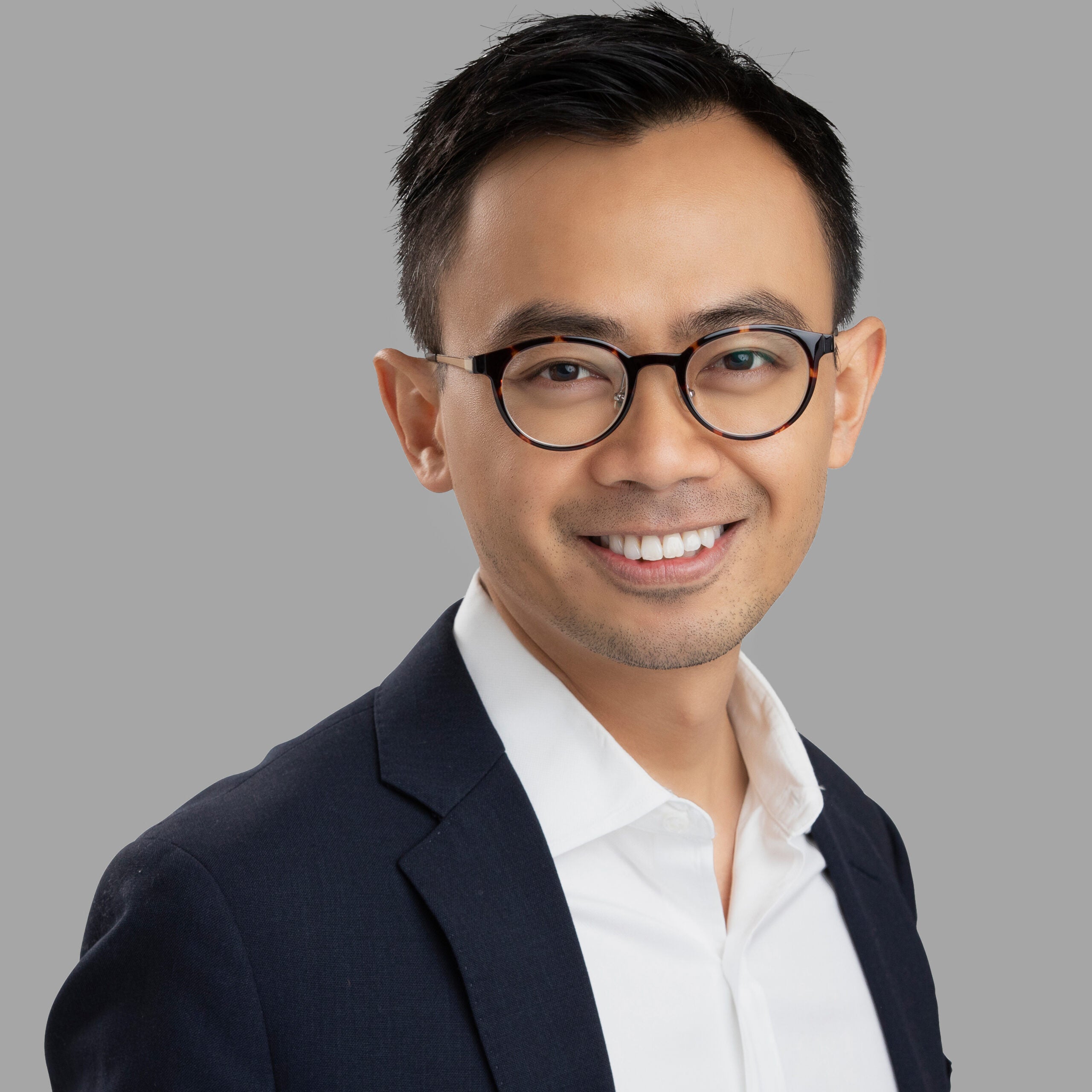
David Duong, MD, MPH, is the director of the Program in Global Primary Health Care at Harvard Medical School and in the Division of Global Health Equity at the Brigham and Women’s Hospital. His research and teaching covers primary healthcare systems strengthening, education program development, and policy and advocacy across Southeast Asia and in the United States. He is also co-lead of the Lancet Global Health Commission on People-Centered Care for Universal Health Coverage. Duong is a primary care physician, a member of the World Health Organization’s Technical Advisory Group on Integrated Clinical Care, and previously served on the World Economic Forum’s Global Future Council on Health and Healthcare. He is also a former US Fulbright Scholar. Duong earned both his bachelor’s degree and master’s in public health degree from the University of Michigan and earned his medical doctor degree from Harvard Medical School. He completed his internal medicine residency at the Brigham and Women’s Hospital.
Speaker Information
David Duong
Organizers
Brown Bag Seminar: Economic inequality and violent mortality: Evidence from Ecuador

Omar Galárraga, PhD, is a health economist and tenured professor of health services, policy and practice at the Brown University School of Public Health. He currently serves as the director of the Center for Global Public Health (CGPH) at Brown. Galárraga’s research applies principles from health and behavioral economics to improve public health outcomes, with a specific focus on: (a) HIV prevention and treatment: designing and evaluating economic-based interventions, such as conditional economic incentives to improve adherence to antiretroviral therapy and reduce risk behaviors; (b) Health systems: analyzing health systems reform and insurance expansion in low- and middle-income countries; and (c) Applied econometrics: utilizing rigorous experimental and non-experimental methods to evaluate health interventions. He conducts research globally, collaborating with partners in Ecuador, Ghana, Kenya, Mexico, South Africa, and the United States. He is the former director of the doctoral program in health services research at Brown and was an appointed member of the Office of AIDS Research Advisory Council (OARAC) from 2021 to 2024. Currently, he is a standing member of the NIH Science of Implementation in Health and Healthcare (SIHH) study section, and an associate editor for the journal Health Economics. Galárraga has authored over 150 publications in leading health economics and public health journals.
Speaker Information
Omar Galárraga