Empowering change: The role of social media in policy change
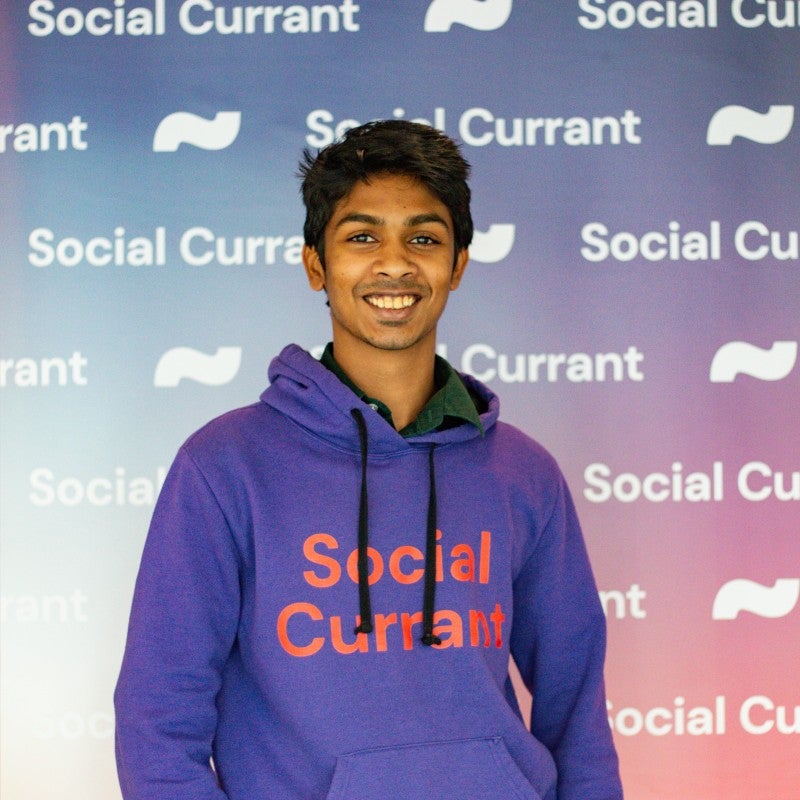
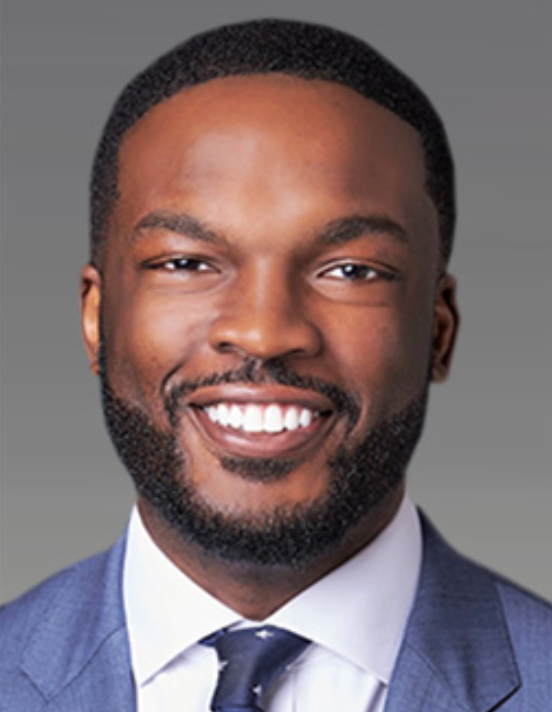
Social media has become one of the most powerful tools for civic engagement and political change—but how do we move from posts to policy? In this fireside chat, digital strategy leaders will explore how online storytelling, grassroots organizing, and platform-based activism can shape legislation, mobilize communities, and shift public discourse. Through real-world examples and behind-the-scenes insights, this conversation will unpack what works, what doesn’t, and what it takes to turn influence into impact. This event is part of the Center for Health Communication’s Creators Summit on Mental Health.
Lunch will be served.
Speakers will share their own perspectives; they do not speak for Harvard.
Speaker Information

Organizers
Health journalism case study series with Gabriella Stern
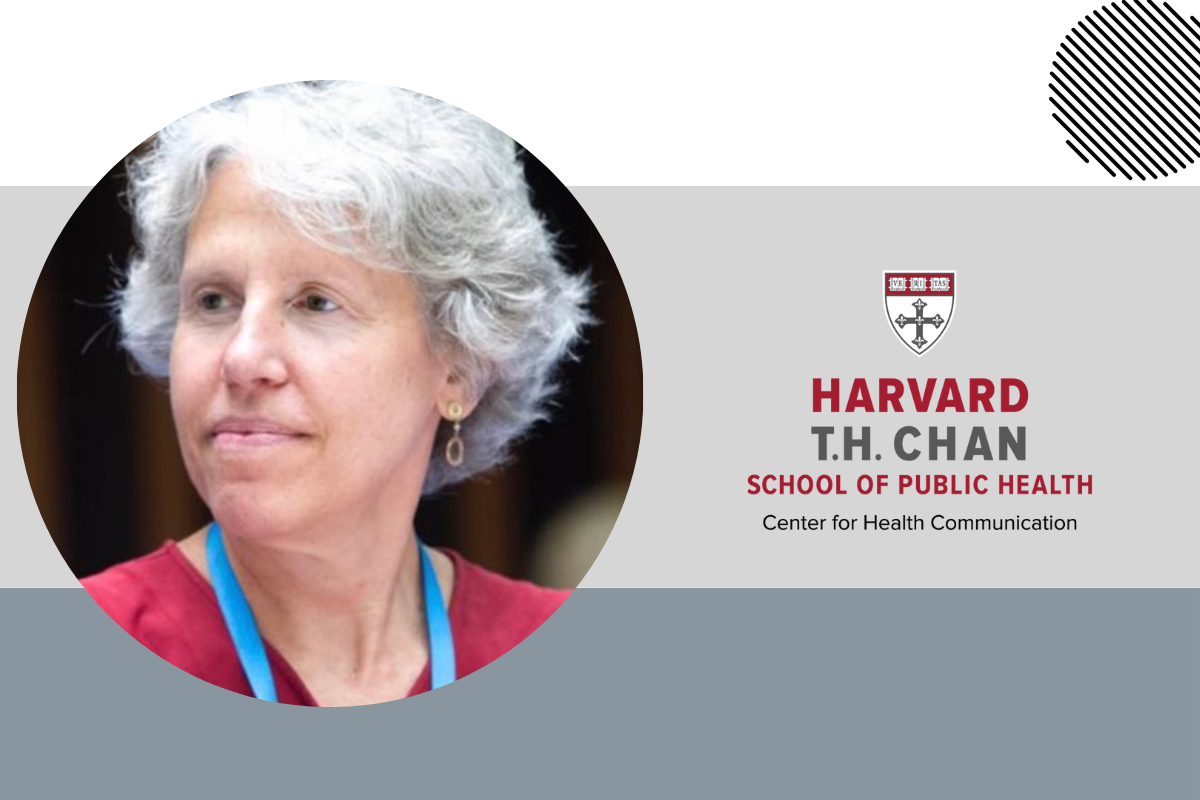
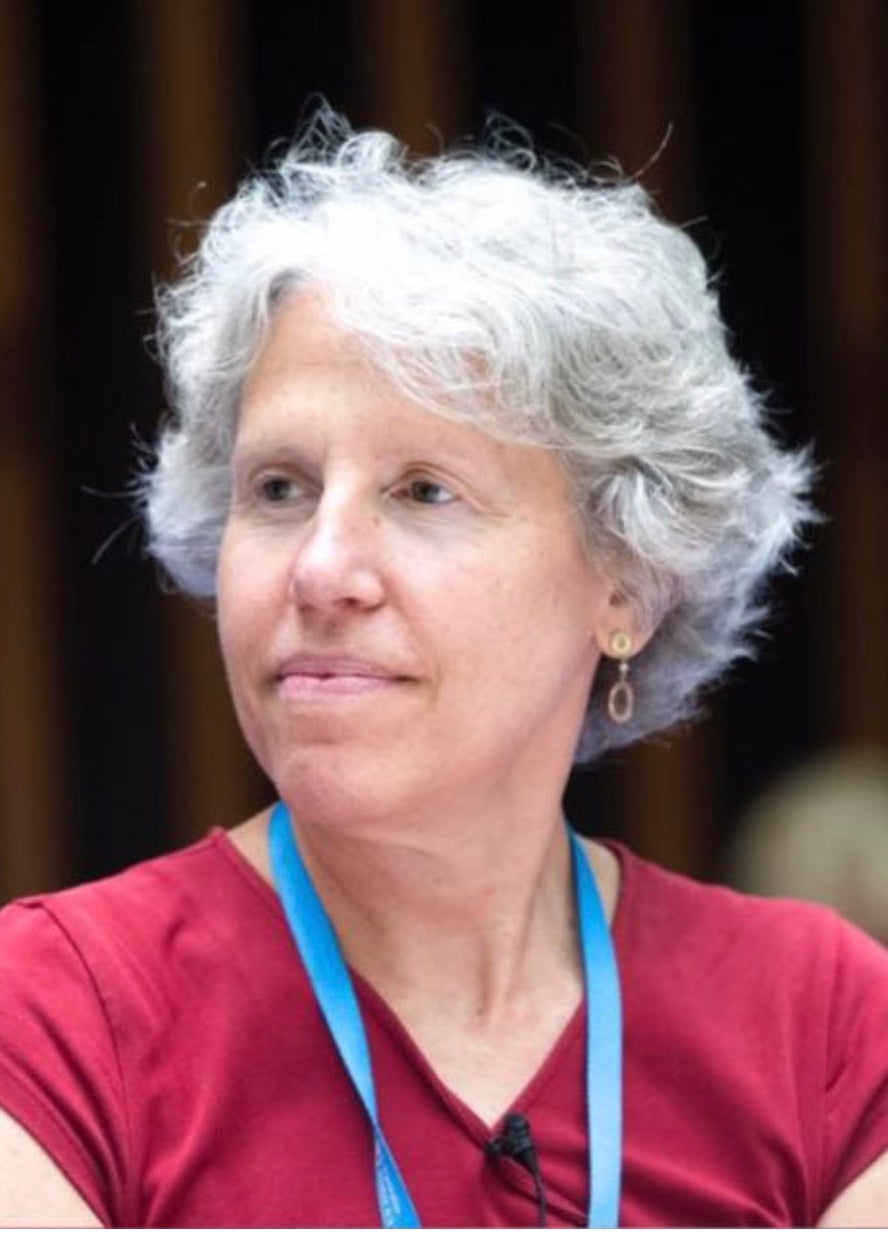
Join us for part two of an engaging case study series led by Gabriella Stern, journalist and Director of Communications at the World Health Organization. In this session, we’ll dig into a compelling piece of health journalism—how complex health topics are communicated to the public, what we can learn from journalistic choices, framing, and impact, and actionable-takeaways for your own health communication.
Lunch will be served.
The speaker will share her own perspectives; she does not speak for Harvard.
Speaker Information
Organizers
Health journalism case study series with Gabriella Stern
Join us for part one of an engaging case study series led by Gabriella Stern, journalist and Director of Communications at the World Health Organization. In this session, we’ll dig into a compelling piece of health journalism—how complex health topics are communicated to the public, what we can learn from journalistic choices, framing, and impact, and actionable-takeaways for your own health communication.
Lunch will be served.
The speaker will share her own perspectives; she does not speak for Harvard.
Speaker Information
Organizers
Why Are Pathobiological Analyses and Insights Valuable in Epidemiology? A Primer for Epidemiologists
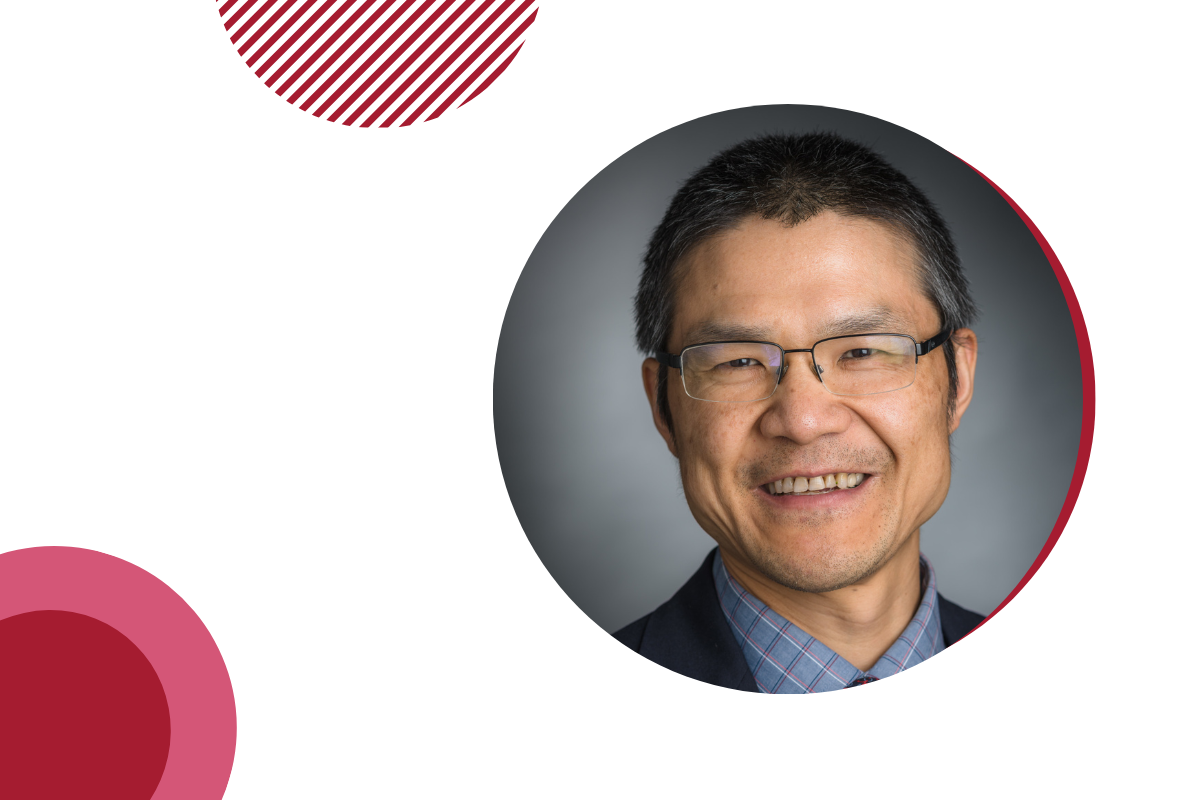
Join us on Wednesday, September 17 for the Epidemiology Seminar Series, featuring Dr. Shuji Ogino discussing Why Are Pathobiological Analyses and Insights Valuable in Epidemiology? A Primer for Epidemiologists.
Abstract: Our understanding of disease pathogenesis, which has substantially advanced, is an integral component of epidemiology. However, there exists a gap between pathobiology and epidemiology in education as well as research practice. How recent advances in pathobiological sciences can be seamlessly integrated into epidemiology has been a main theme in the field of molecular pathological epidemiology. This lecture utilizes research examples to illuminate how this integration can upgrade both epidemiology and pathobiological sciences. Furthermore, it is increasingly evident that long-term risk factor exposures play pivotal etiologic roles in many chronic diseases such as cancer. Therefore, the concept of the prospective cohort incident-tumor biobank method (PCIBM) is also illustrated with its unprecedented ability to examine long-term exposures in relation to tumor incidence plus detailed disease phenotyping.
Bio: Dr. Ogino has spearheaded to develop the integrative science of molecular pathological epidemiology (MPE). Dr. Ogino founded the International Molecular Pathological Epidemiology (MPE) Meeting Series in 2013 and has been serving as its Chair/Co-Chair for six past meetings. Leveraging the MPE approach, Dr. Ogino is a leading investigator to study the interactive roles of long-term risk factor exposures, genetics, systemic conditions, microbiome, and immunity in colorectal cancer (CRC) biology and etiologies. Based on the prospective cohort incident-tumor biobank method (PCIBM), many discoveries (“since 2007”) of the etiological links between long-term exposures and CRC incidence plus pathobiological phenotyping remain quite unique, as no other group has been able to conduct similar (replication) studies for up to 18 years. Recently, Dr. Ogino’s additional focus is research on early-onset cancers that have shown rising incidence in recent decades (e.g., those in the breast, kidney, uterus, and many digestive organs). As one of thought leaders in this particular topic, Dr. Ogino applies integrative research approaches to address this global issue. For his unique transdisciplinary scientific contribution, Dr. Ogino has received numerous awards and honors.
Speaker Information
Shuji Ogino, MD, PhD, MS
Organizers
Related Events
How to get into public health content creation: Advice from leading creators
What does it take to turn your expertise into meaningful, high-impact content? In this dynamic panel, leading health creators Dr. Judith Joseph, Dr. Courtney Tracy, Emma McAdam, and Victoria Browne will share how they built influential platforms that translate complex ideas into accessible, engaging storytelling. From choosing your niche to navigating platforms, partnerships, and public scrutiny, this conversation will offer practical insights, lessons learned, and encouragement for anyone curious about stepping into the world of public health content creation. This event is part of the Center for Health Communication’s Creators Summit on Mental Health.
Lunch will be served.
This event is co-sponsored by the Harvard T.H. Chan School’s Social and Behavioral Sciences Department.
Speakers will share their own perspectives; they do not speak for Harvard.
Speaker Information




Organizers
How to tell stories about health equity – A conversation with the filmmakers of “Critical Condition: Health in Black America”
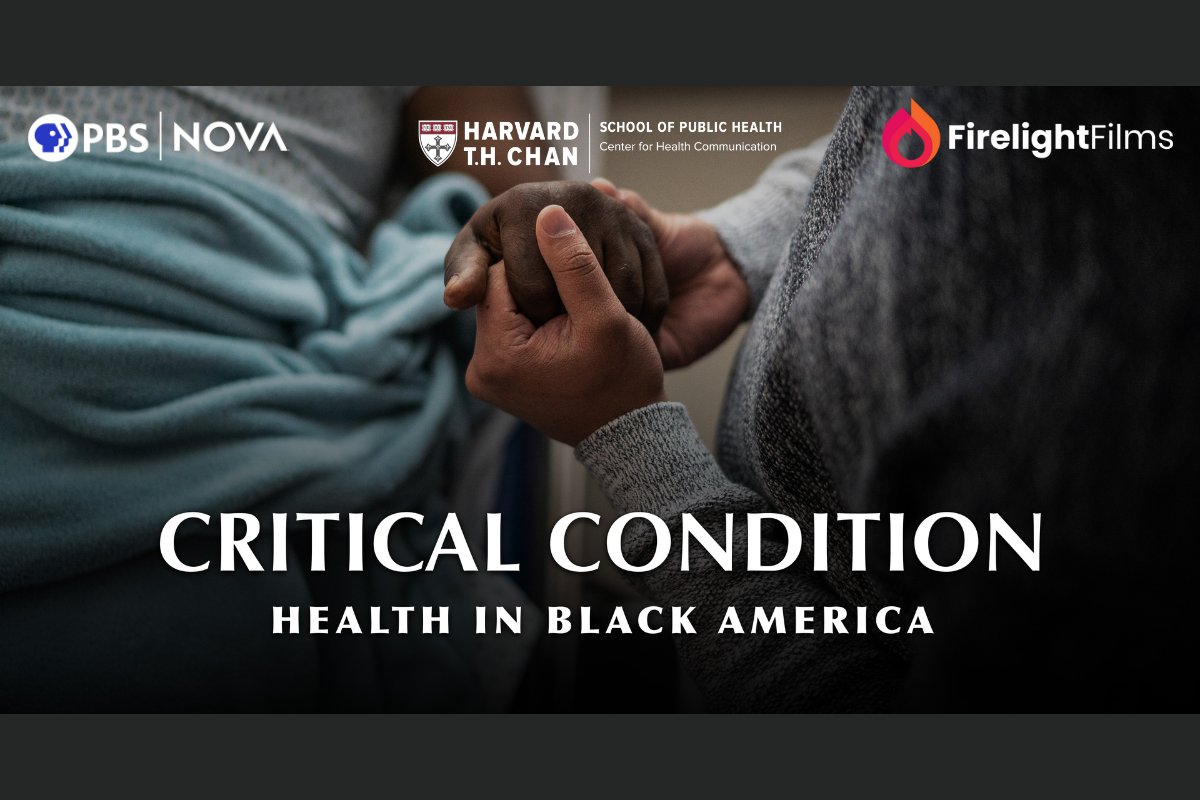
Join the Center for Health Communication for a special screening and discussion event centered around Critical Condition: Health in Black America, a PBS documentary produced by NOVA and Firelight Films. This event will feature a curated reel of clips from the film followed by a dynamic conversation exploring strategies for effective storytelling and communication about health disparities. The moderated Q&A will include insights from a Firelight filmmaker and health equity expert David Williams, with a focus on how to engage audiences effectively around systemic drivers of health inequities.
Lunch will be served.
Speakers will share their own perspectives; they do not speak for Harvard.
Health Care Quality Improvement: From Design to Implementation

Join us for a webinar on the Health Care Quality Improvement: From Design to Implementation program, offered by Harvard Chan School Executive and Continuing Education.
Program Director Dr. M. Rashad Massoud will share how this hands-on, simulation-based course guides participants through the full improvement cycle—from identifying gaps in care to designing, testing, and implementing effective solutions. You’ll learn to apply proven frameworks in health care settings and receive real-time faculty feedback.
If you’re looking to lead impactful quality improvement initiatives in your organization, this webinar is a great opportunity to see how the program can support your goals.
Speaker Information

Organizers
Promoting Public Health Through Consumer Product Innovations
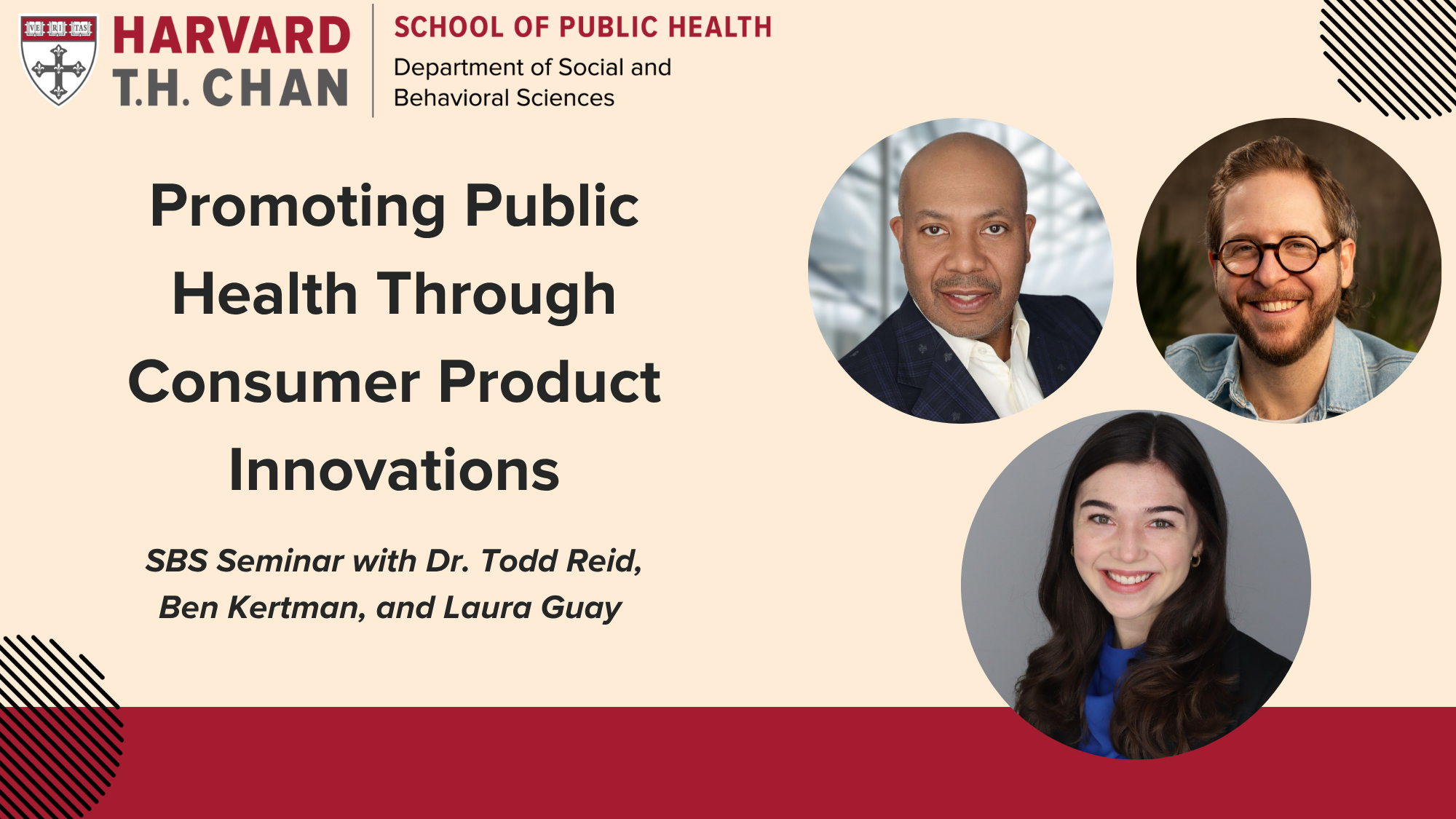
Please join us for an engaging seminar on how innovative consumer products can advance public health. Facilitated by Dr. Todd Reid, this session will explore the power of creative tools to improve well-being. Ben Kertman will introduce Disagree Differently, a card game designed to foster respectful conversations across differences, and Laura Guay will present Connections, a relationship-building game developed by Penn State’s Stress, Health, and Daily Experiences Lab.
Speaker Information
Dr. Todd Reid
Ben Kertman
Laura Guay
Organizers
SBS Alumni Panel: Exploring Career Pathways Outside of AcademiaAuto Draft
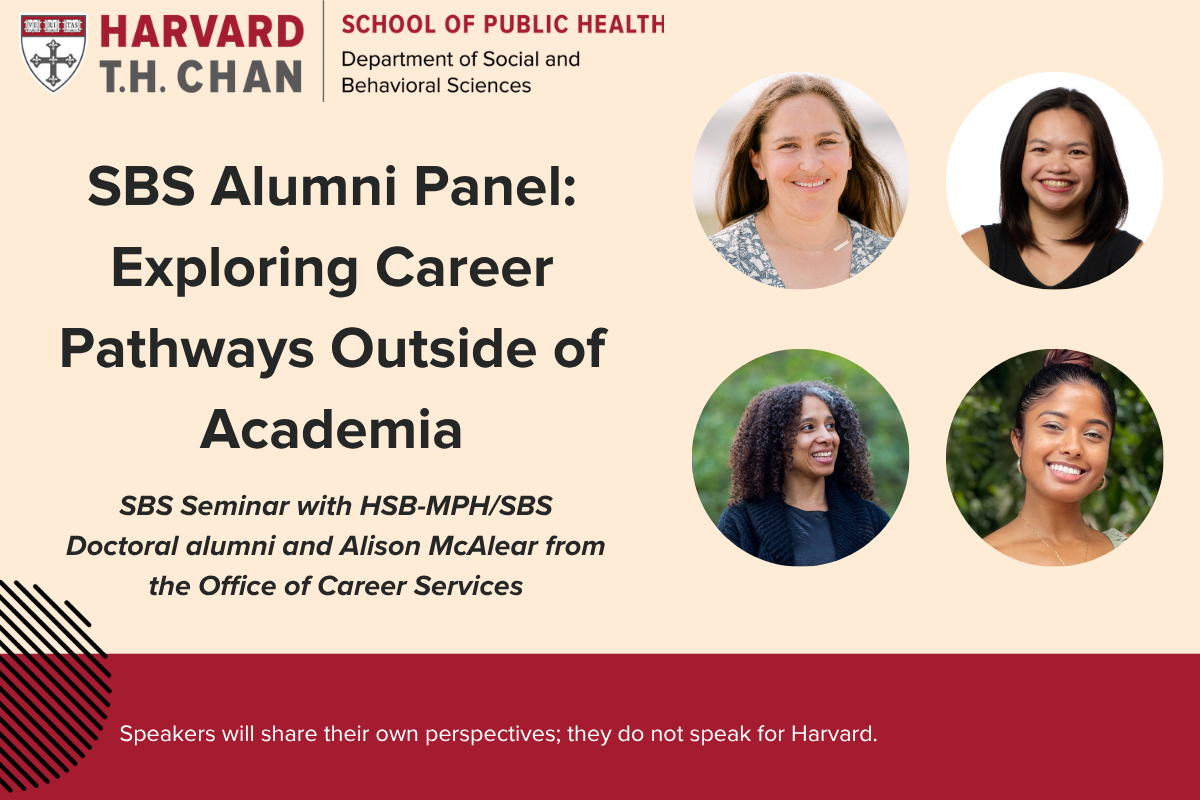
Join us for a session with HSB-MPH and SBS doctoral alumni as they share their journeys in diverse career paths beyond academia! Learn how they applied their education and skills in impactful roles in various industries. We will also be joined by Alison McAlear from the Office of Career Services to provide helpful resources. Whether you’re planning your next steps or just curious, we hope you can attend this panel to hear firsthand experiences from our alumni and participate in the Q&A session.
Speaker Information
Kate Orlin, MPH’23
Cecilia Vu, PhD’22
Sabrina Selk, ScD’12
Onisha Etkins, PhD’21
Alison McAlear
Organizers
Threats to health insurance gains in the U.S.: What’s ahead and what can we do?
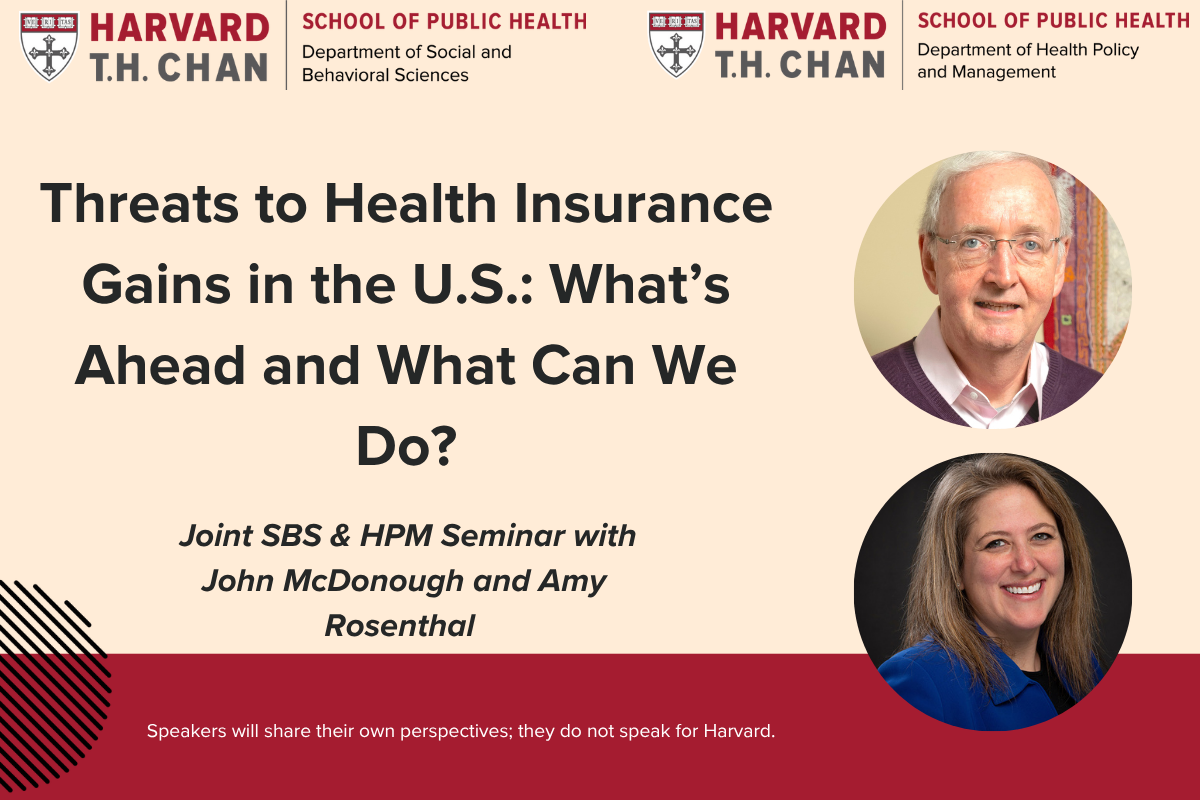
Progress toward equitable healthcare in the United States is threatened by the expiration at the end of 2025 of marketplace subsidies, and proposals likely to come from the new administration to reduce eligibility for Medicaid coverage. Come to this joint SBS and HPM session to learn more about these threats and what can be done to protect health insurance coverage.
Our speakers will be John McDonough, Professor of the Practice of Health Policy in the Department of Health Policy and Management, and Amy Rosenthal (MPH ’01), Executive Director of Health Care for All, the Massachusetts consumer organization that advocates for health justice by working to promote health equity and ensure coverage and access for all.