Seminar with Professor Keizo Takemi
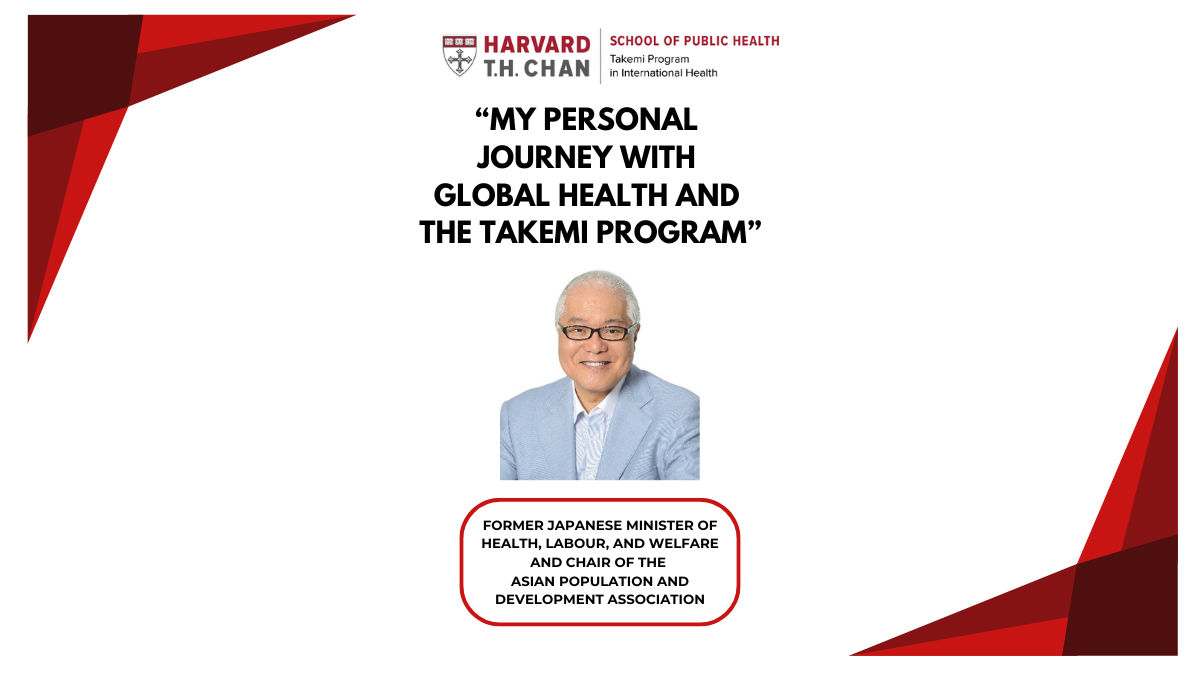
Dr. Keizo Takemi will speak on “My personal journey with global health and the Takemi Program.” Join in person or online.
Please email takemi@hsph.harvard.edu for questions or to access the Zoom link.
Speaker Information
Keizo Takemi
Organizers
Healthcare in the Crosshairs: US Foreign Policy and the Destruction of Public Health in Lebanon & Gaza
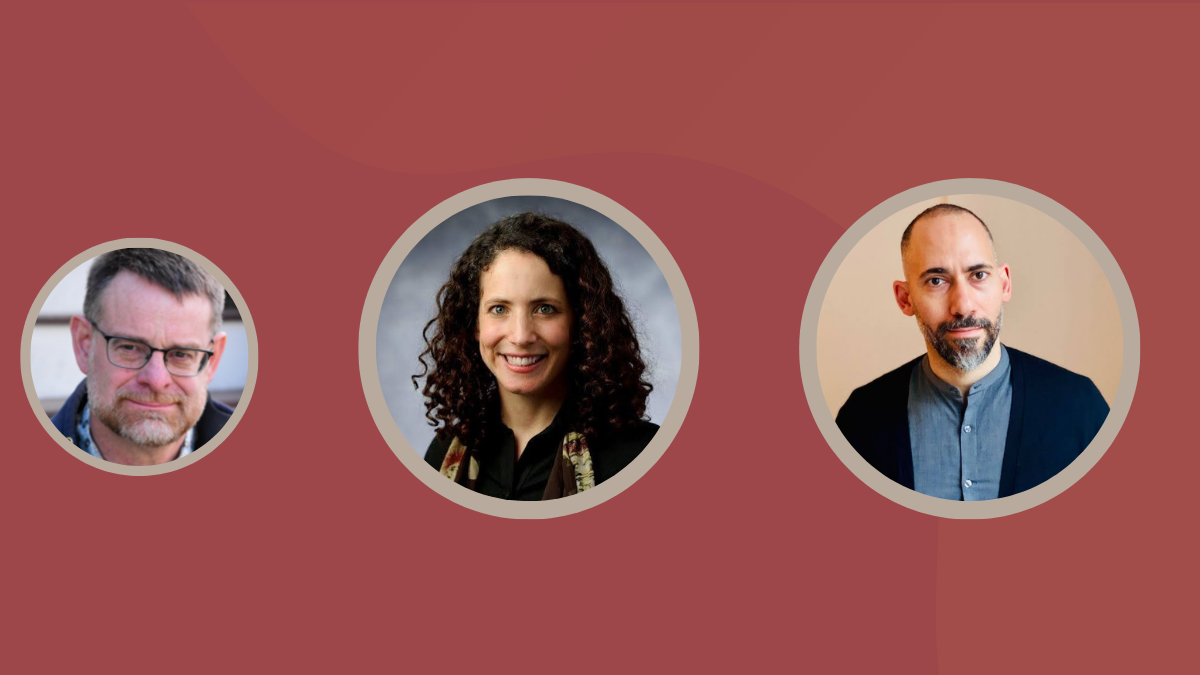
Join us on Thursday May 7 at 1 pm in FXB-G10 for a conversation with Professor Ziad Abu Rish and Professor Atalia Omer on the destruction of public health infrastructure in Lebanon and Gaza while examining the role of US foreign policy in the ongoing attacks. Professor Walter Johnson will present opening remarks.
This event is co-sponsored by the Department of Social and Behavioral Sciences, Department of Health Policy and Management, Black Students Health Organization, and the Harvard Chan Student Committee for Health Equity and Justice in Palestine.
Speaker Information
Organizers
More Than a Job: How a Whole-Person Model Helps Young People Thrive

Young people facing homelessness, foster care involvement, court involvement, disconnection from school, and other systemic barriers need more than a program—they need real opportunity, meaningful support, and a path forward.
Join More Than Words for a conversation about how our youth-run social enterprise model works: combining paid job training, long-term coaching, and whole-person support to help young people build stability in housing, health, education, employment, and beyond. MTW staff and youth leaders will share how this model addresses the interconnected challenges young people face, why youth voice must be central to solutions, and what system change is needed to create better outcomes.
Speaker Information
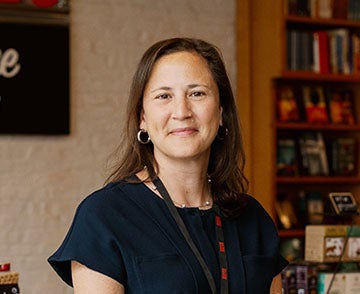
Jodi Rosenbaum
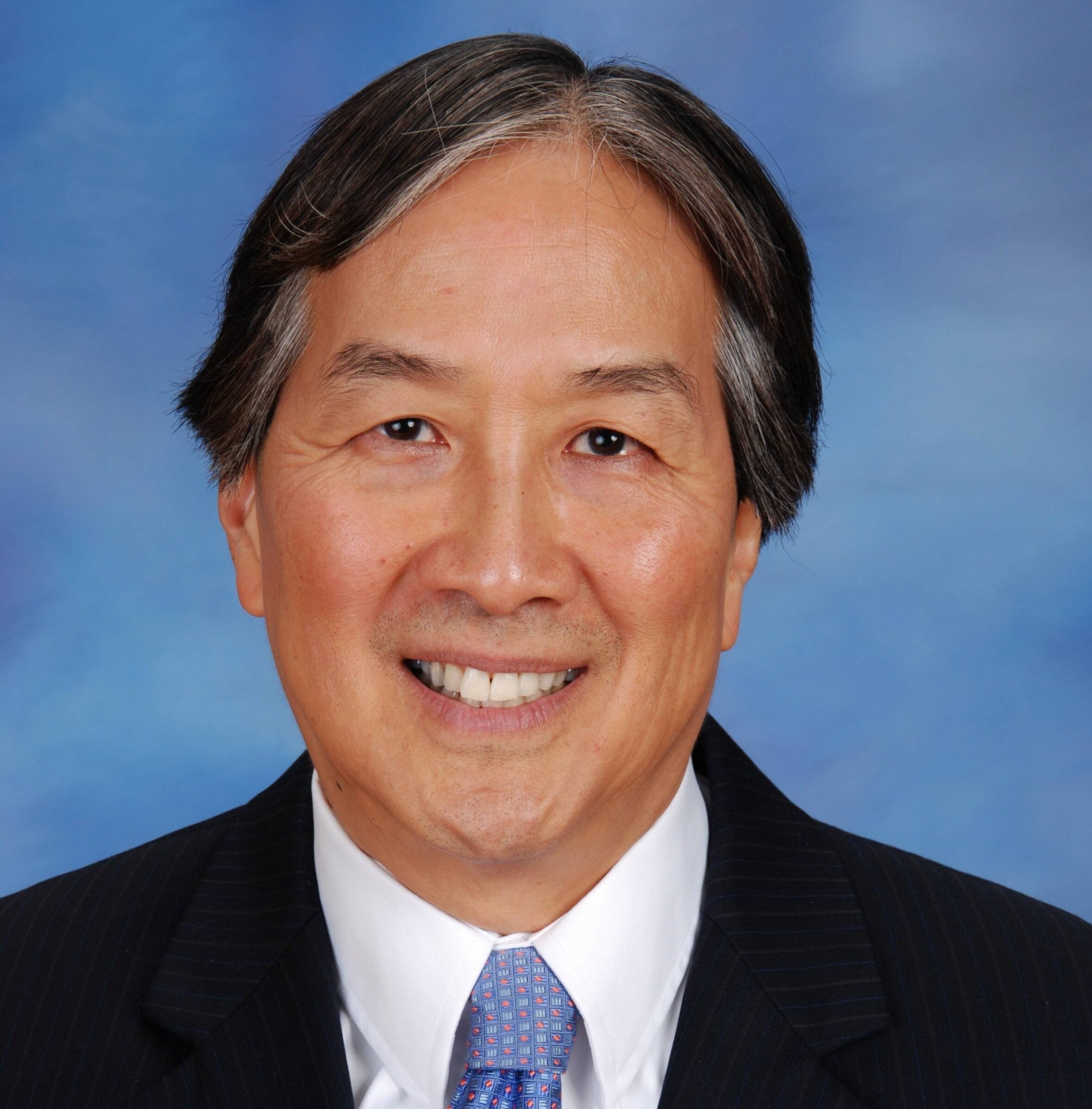
Howard Koh
Organizers
CHDS Seminar with Marissa Reitsma
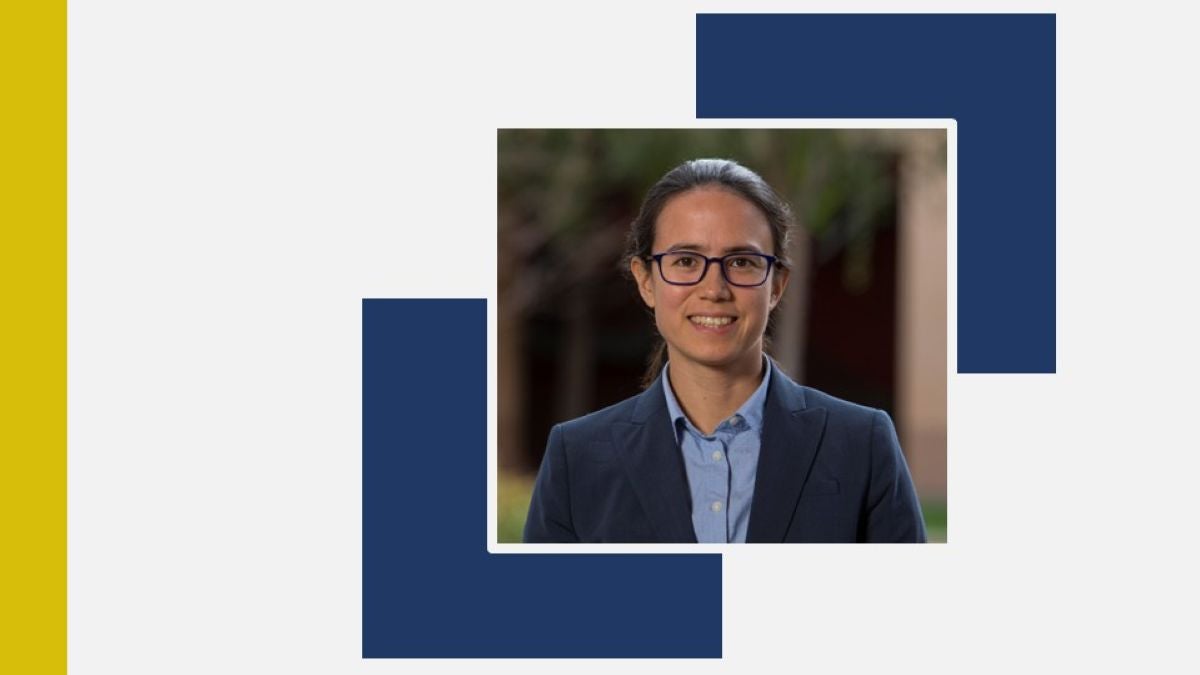
Join the Center for Health Decision Science for a seminar with Marissa Reitsma from Stanford University, titled, “Integrated Interventions for Syndemics of Substance Use, HIV, and HCV.” Syndemics are interacting epidemics, driven by social and structural factors, which can concentrate excess disease burden among marginalized populations. Integrated interventions can more efficiently address syndemics, including the syndemic of substance use disorder, overdose, HIV, and hepatitis C virus among people who use drugs. We developed an agent-based model of this syndemic, parameterized with real-world data, to inform the design and delivery of integrated treatment and harm reduction interventions for people who use drugs.
Marissa Reitsma is an Assistant Professor in the Department of Health Policy at Stanford University. Her research develops computational models to quantify disease burden, evaluate the benefits and costs of interventions, and support evidence-based policies across a range of priorities in population health. Ongoing work focuses on building multi-disease models to address syndemics and developing methods for multimodal data fusion. She is dedicated to partnering with clinicians and public health decision-makers to translate scholarly work into policy impact.
Speaker Information
Organizers
Occupational and Environmental Medicine Special Seminar
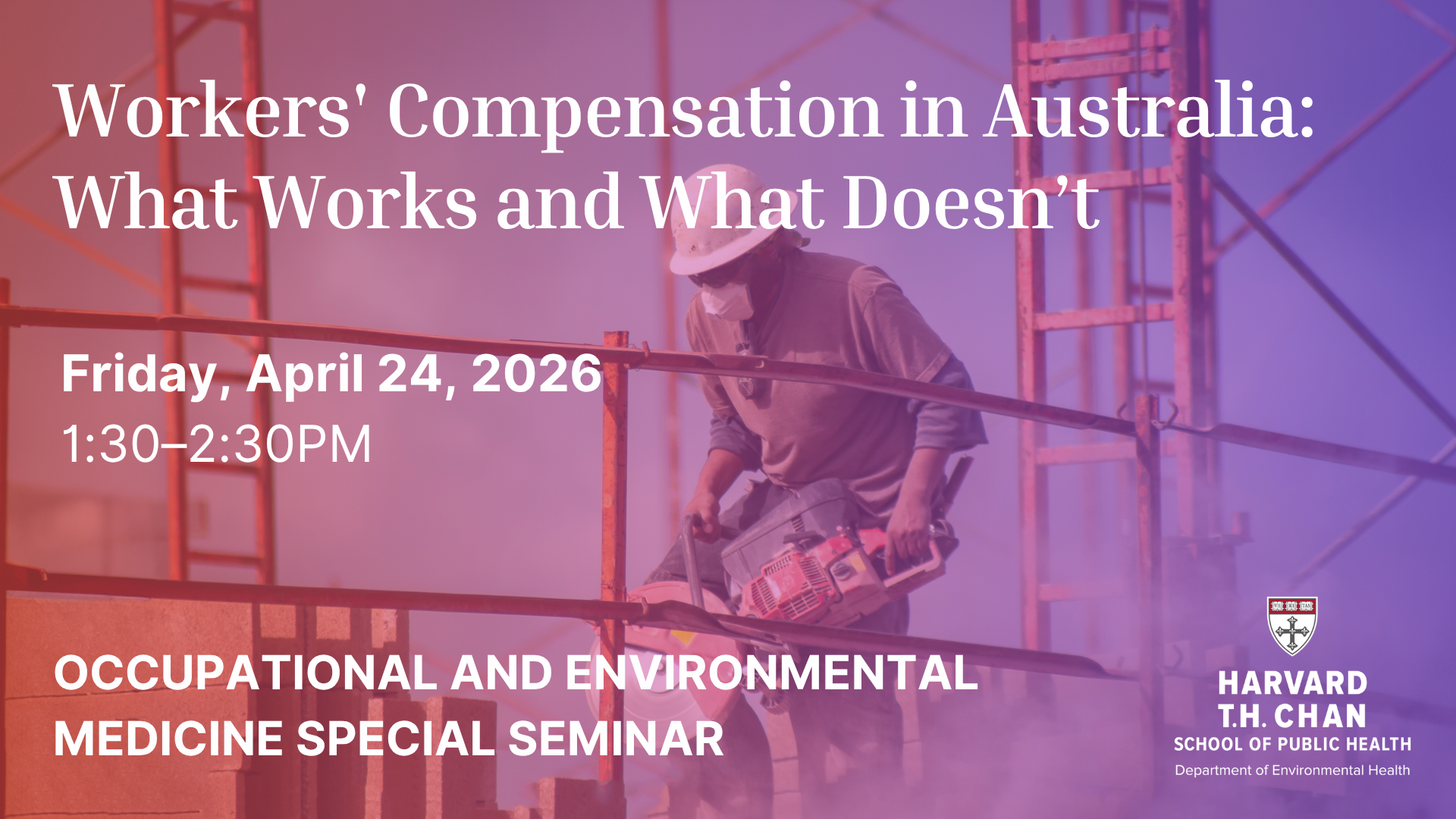
Department of Environmental Health and the Occupational and Environmental Medicine Residency Program invite you to join this special seminar on workers’ compensation in Australia this Friday in Building 1, Room 1302.
Topic: Workers’ Compensation in Australia: What Works and What Doesn’t
Speaker/Presenter: Dominic Yong, MBBS, FAFOEM (RACP), MastersOccEnvHealth, FRACGP, GAICD
Specialist Occupational Physician, Coolaroo Clinic; Immediate Past President, Australian and New Zealand Society of Occupational Medicine (ANZSOM); Presiding Member and Mentor, Victorian Medical Panels; Adjunct Lecturer, Monash Centre for Occupational and Environmental Health (MonCOEH), Monash University
Location: Building 1, Room 1302 and Zoom
Zoom Info: Please click here to access zoom information (HarvardKey required), or email ttam@hsph.harvard.edu.
Speaker Information
Dominic Yong
Organizers
Yerby Research Symposium & Reception
Join us for a vibrant showcase of pioneering research conducted by our Yerby Postdoctoral Fellows. This symposium is a unique opportunity to explore cutting-edge studies and engage with the next generation of public health leaders who are addressing critical public health challenges. Come connect with fellow researchers, faculty, and students to exchange ideas and explore potential collaborations that can shape the future of public health.
Organizers
From Discovery to Translation in Molecular Epidemiology: Unlocking the Potential of Large-Scale Biomarker Data for Cancer Prevention
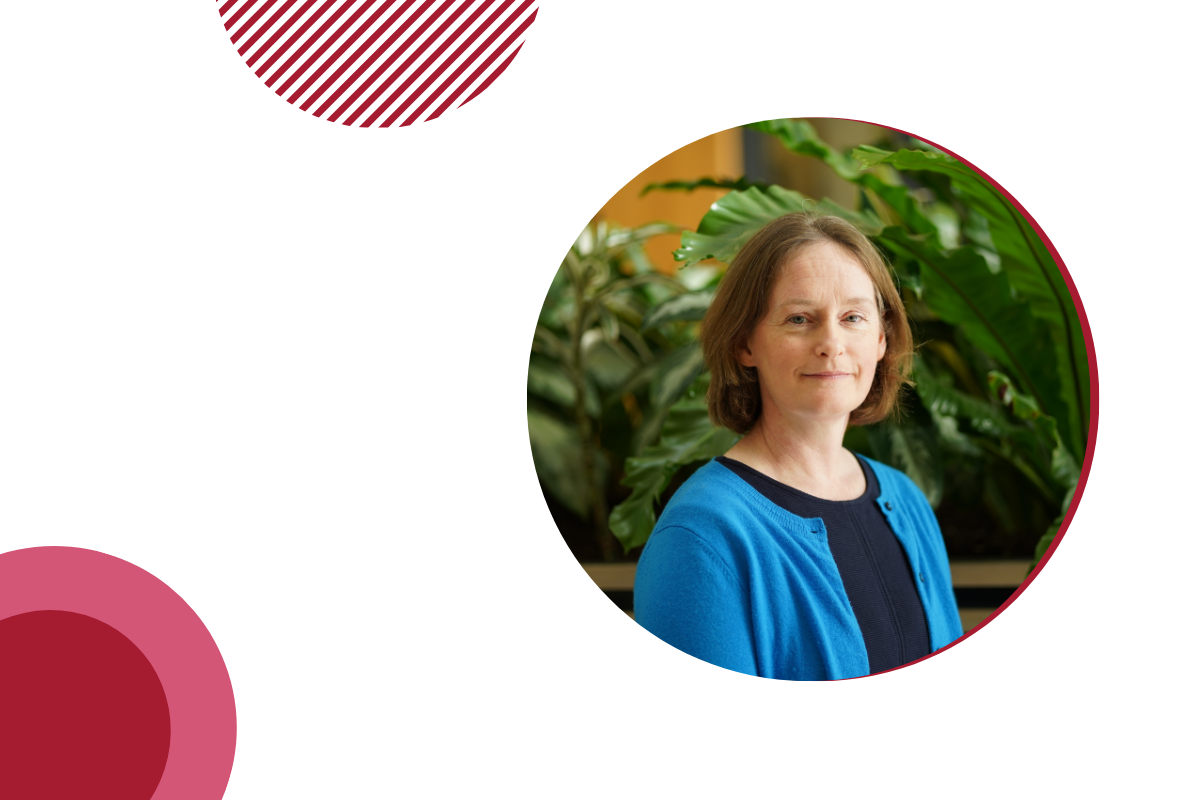
Join us on Wednesday, April 29th for a joint seminar between the Department of Epidemiology and the Harvard Cancer Consortium featuring Dr. Ruth Travis discussing From Discovery to Translation in Molecular Epidemiology: Unlocking the Potential of Large-Scale Biomarker Data for Cancer Prevention.
Abstract: Advances in molecular epidemiology have transformed our ability to measure circulating biomarkers at scale, particularly through the application of high-throughput proteomic platforms in large prospective cohort studies. These developments have enabled the systematic identification of associations between molecular traits and cancer risk across populations. However, translating these discoveries into meaningful insights for prevention, risk stratification, and early detection remains a major challenge. This seminar will explore the opportunities and limitations of large-scale biomarker discovery, focusing on the integration of proteomic, genetic, and epidemiological data to strengthen causal inference and prioritise targets for intervention. It will also consider the methodological and structural barriers that currently limit translation, including issues of measurement, generalisability, and study design, and will discuss how interdisciplinary approaches and coordinated research infrastructure can help bridge the gap between association and action.
Bio: Ruth Travis is Professor of Epidemiology and Deputy Director of the Cancer Epidemiology Unit within the Nuffield Department of Population Health at the University of Oxford. She is internationally recognised for her research on the molecular and lifestyle determinants of chronic disease, with a particular focus on cancer. She leads a multidisciplinary research programme on the aetiology of prostate cancer funded by Cancer Research UK, alongside a pan-cancer programme integrating proteomic, genetic and epidemiological data across large-scale cohort studies such as EPIC and UK Biobank. She plays a leading role in major international consortia, including the PRACTICAL collaboration. Her work combines epidemiological and ‘omics approaches to advance understanding of cancer causation and inform cancer prevention, with a particular focus on translating large-scale molecular discovery into actionable insights for prevention. She is a member of the international ATLAS team, funded by Cancer Research UK through the Cancer Grand Challenges initiative, which brings together global expertise to uncover mechanisms of cancer avoidance and accelerate their translation into new approaches for prevention.
Speaker Information
Ruth Travis, BA, MSc, DPhil
Organizers
Related Events
Global humanitarian and disaster management one year after the dismantling of USAID

Presented jointly with the Harvard Humanitarian Initiative
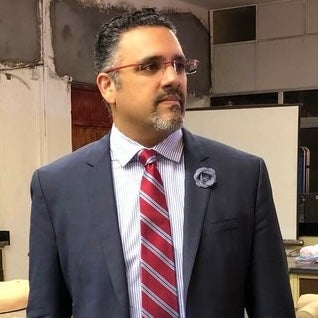
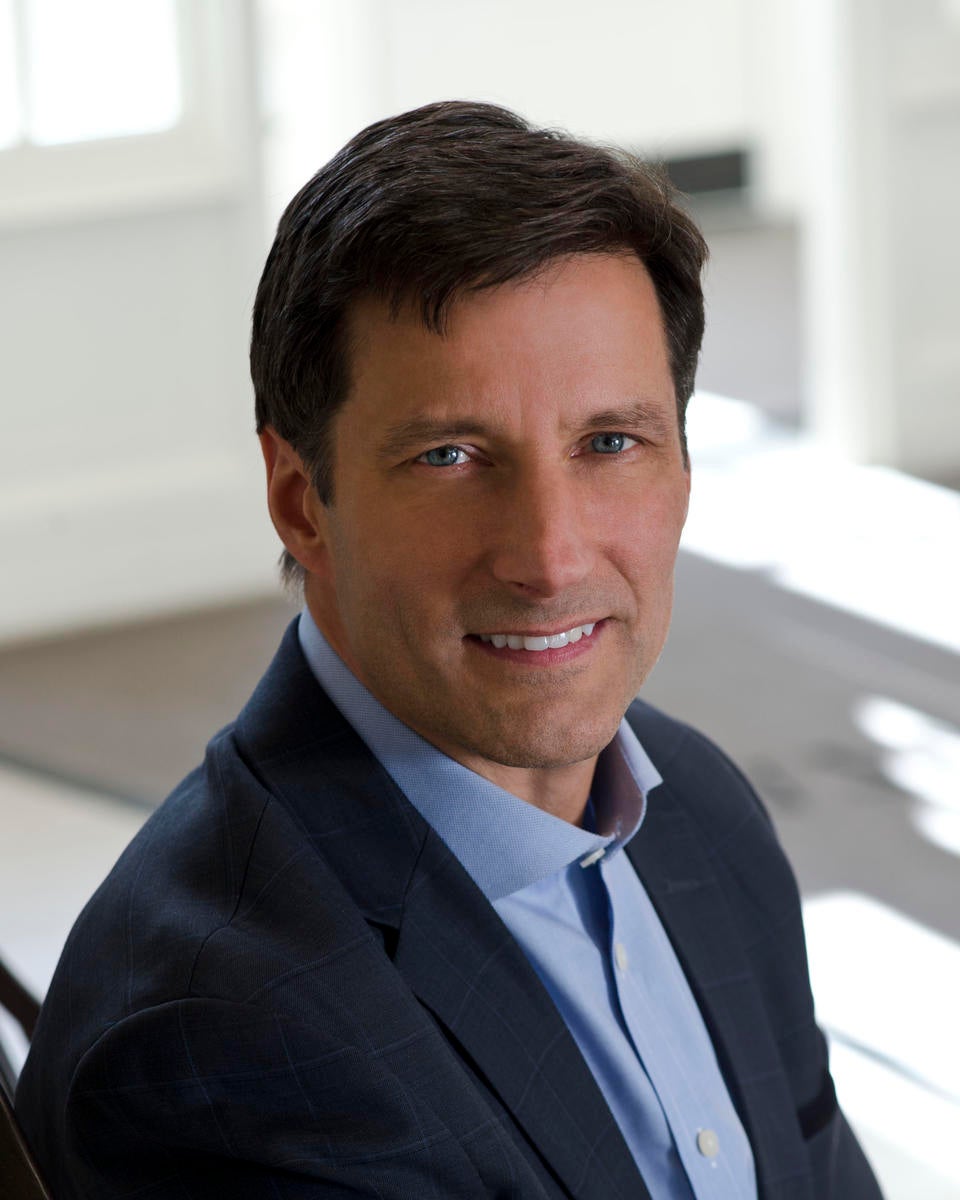
How are the front lines of global disaster and humanitarian response faring one year after the dismantling of USAID? Altaf Musani, director of Humanitarian and Disaster Management at the World Health Organization, and Michael VanRooyen, director of the Harvard Humanitarian Initiative, will examine the impacts and explore the paths forward to ensure that lives continue to be saved in this pre-recorded conversation moderated by Irini Albanti, executive director of the Harvard Humanitarian Initiative.
Speakers
Altaf Musani
Moderator
About The Studio
The Science and Practice of Human–Animal Interaction

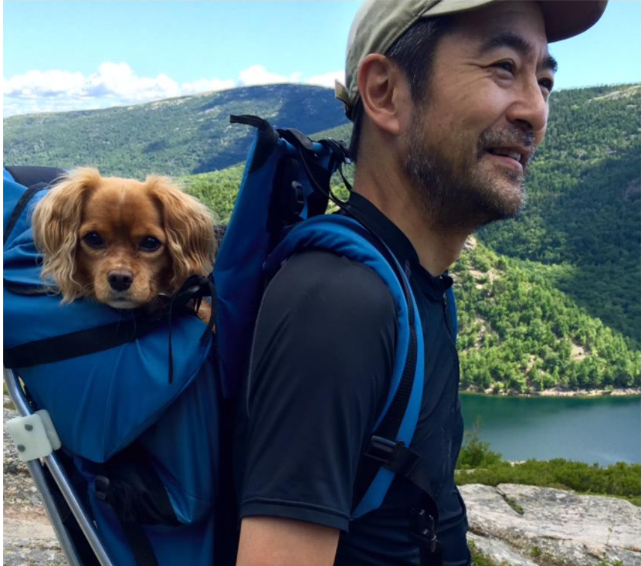
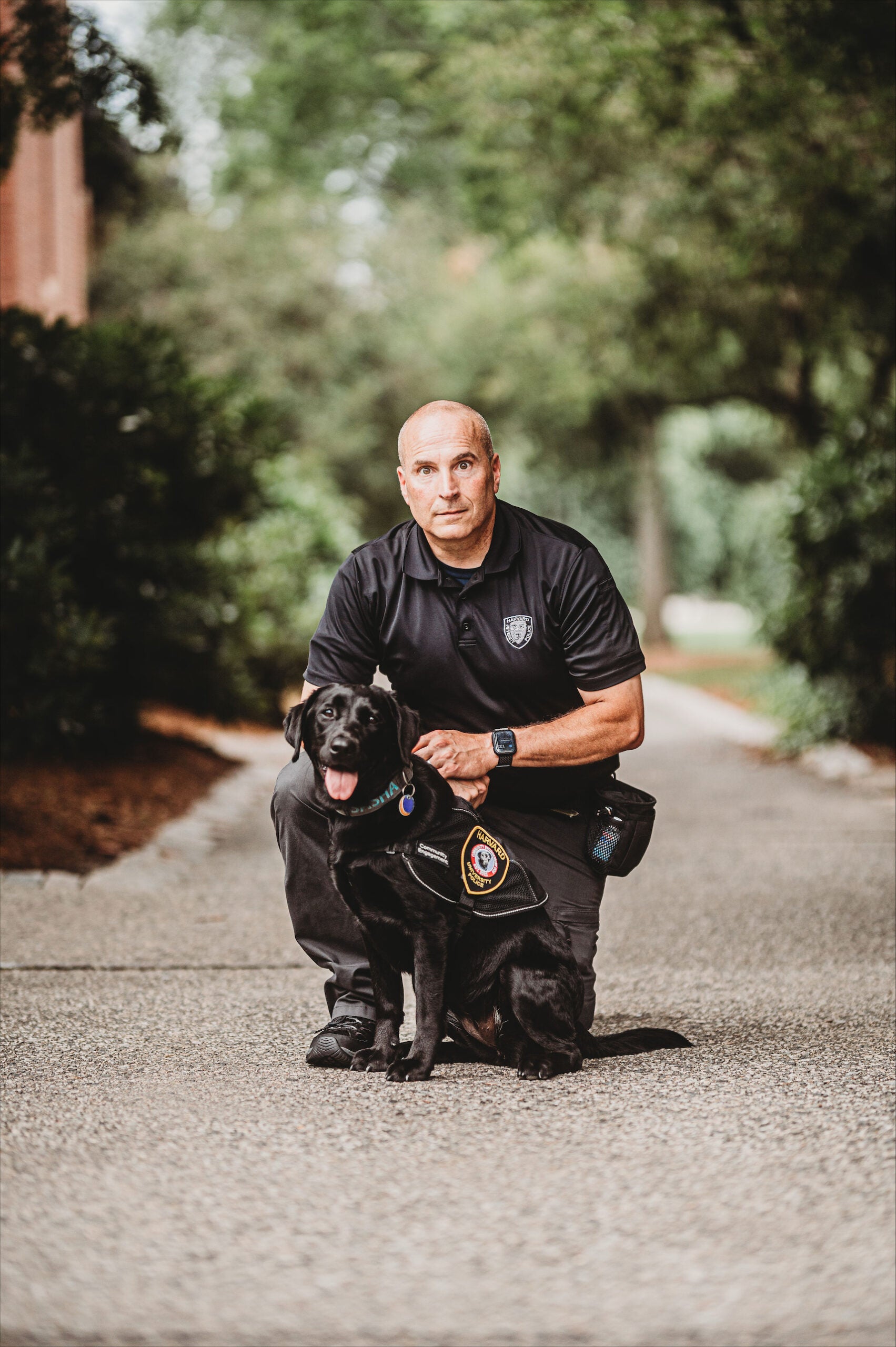
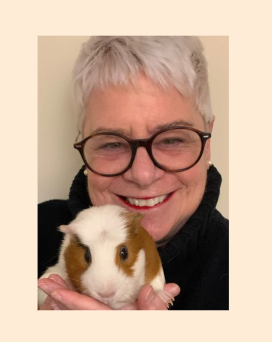
Join us for a lively conversation where research and real-world practice come together to explore the power of human–animal relationships. We will be joined by researchers Dr. Kerri Rodriguez and Dr. Ichiro Kawachi, and by practitioners Steven Fumicello and Niki Vettel with their animal partners, Sasha and Hermie, whom you will also have a chance to meet. Together, they’ll explore what science and real‑world experience each reveal about the human–animal bond—and how these perspectives inform and inspire one another. Lunch will be provided!
This seminar is co-sponsored with the Lee Kum Sheung Center for Health and Happiness.
Speaker Information
Organizers
Monday Nutrition Seminar | To organic, or not to organic, that is the question
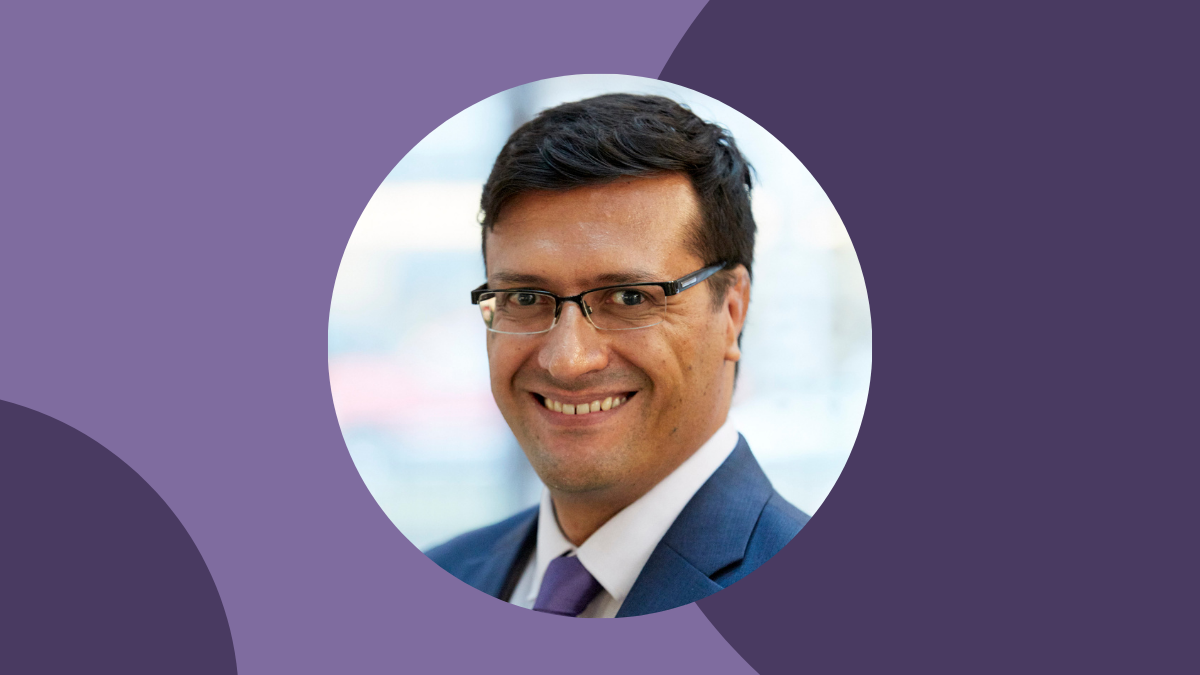
Please join the Department of Nutrition for the Monday Nutrition Seminar featuring Jorge E. Chavarro, MD, ScD, ScM, Dean for Academic Affairs and Professor of Nutrition and Epidemiology at the Harvard T.H. Chan School of Public Health, and Professor of Medicine at Harvard Medical School. Dr. Chavarro’s talk—”To organic, or not to organic, that is the question”—will take place on April 20 at 1:00 p.m. ET in FXB G-13 and via Zoom (registration is required).
Healthy snacks will be provided, thanks to the generous support of the Wellbeing Project Fund from the Office of the Associate Provost for Student Affairs.
The Monday Nutrition Seminar Series is free and open to the public. If you plan to attend this event and do not have an active HUID, please click the “Register Today” button to fill out the registration form by 3:00 p.m. ET on the Friday before the seminar to request a visitor pass to access the building.
Seminar speakers share their perspectives, they do not speak for Harvard.