Graduate Profile: Q&A with Motohiko Adomi
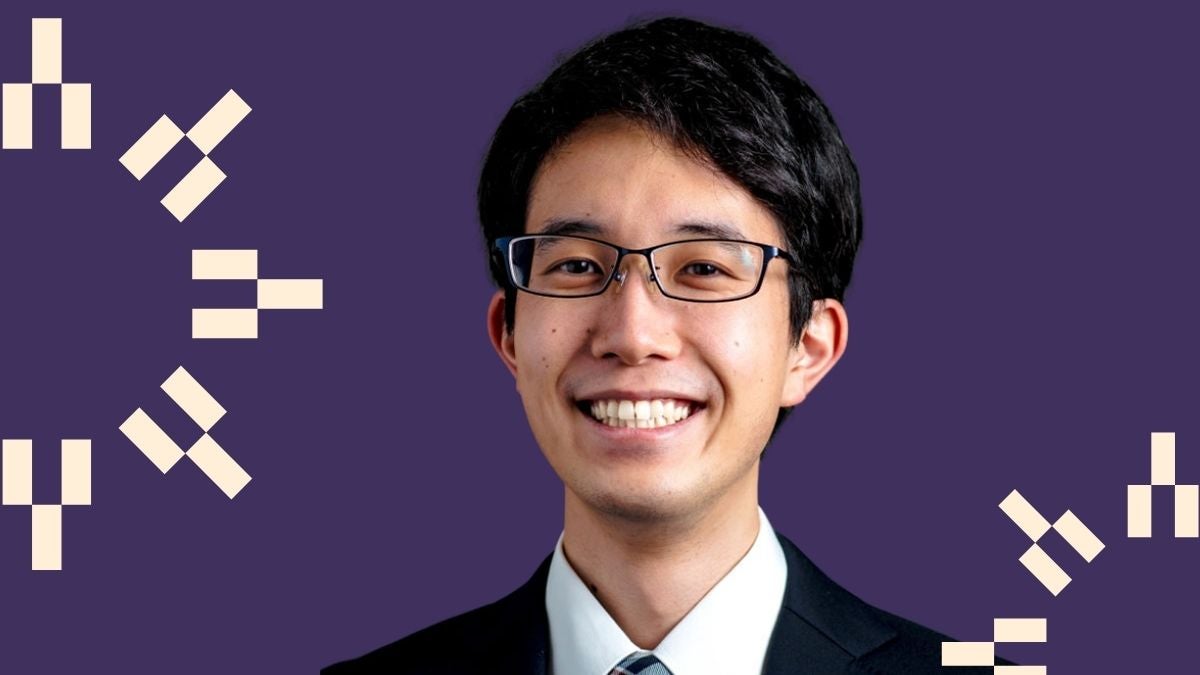
Name: Motohiko Adomi
Area of Research: Pharmacoepidemiology
Degree: Masters of Science (SM2)
Year of Gradation: 2023
Current Role: PhD student in Epidemiology
- What did you do before pursuing your graduate degree?
I was a resident physician in Japan before coming to Harvard. - What attracted you to the program at Harvard?
Harvard has one of the largest and richest education/research environments for pharmacoepidemiology in the United States. Since I knew that I wanted to get academic training in pharmacoepi research, Harvard was the number one choice for me. - What surprised you the most about being a graduate student in your chosen research program?
During my masters, I ended up doing thesis research in perinatal pharmacoepidemiology, which I was not imagining before I entered the program. I even did not know that the field, which examines drug safety and effectiveness in pregnancy, exists. But it turned out that the field has lot of potential regarding what observational study can contribute to improve clinical practice. - Why do you think your research area is important to public health?
Drug development never stops in the recent decades, therefore, there are many unknowns regarding 1) for whom drugs work, 2) for whom drugs may lead to adverse events, 3) who should start which treatment, 4) who should stop treatment, and etc. One of the main objectives of pharmacoepi research is to fill the gap between what clinical trials show and what clinicians and patients need to know. - What suggestions would you have for someone interested in applying for this research area?
We always welcome newcomers to pharmacoepidemiology! Since the area is broad and spans across many therapeutic areas, you may want to first explore what a pharmacoepidemiologist does and then decide which medication/disease you would like to focus on. If you have any previous medicine/pharmacology training, they would strengthen your contribution to the research, but you do not need to have one. Research is conducted as a team, and you can make significant contributions as long as you have passion and patience for the research topic. Passion and interest to the field often grow over the actual research experience as well. - How has your time in the program influenced your career path?
During my first year in the Master of Science — epidemiology program, I learned that there are people devoted to drug safety evaluation in pregnancy. This was very memorable moment for me, and I decided to work on perinatal pharmacoepi research project for my thesis with Krista Huybrechts, who is my advisor for the PhD. Pregnancy is unique in that observational study plays important role in providing safety data and that dynamic feature of pregnancy poses unique challenges when conducting study. I am learning a lot through working on pregnancy projects for my PhD. - Is there anything else that you would like to share about your experience at the Harvard Chan School?
In addition to the wonderful faculty and research environment, I really enjoyed interacting with members of my cohort. They were all ambitious about their future careers and inspired me to continue reflecting on what I would like to accomplish after graduation and how I can contribute to rapidly evolving clinical practice. Although we each chose our own paths after graduation and are now scattered around the world, staying connected with them is always motivating.