
Dark Causal Inference: Why Most Causal Inference in Epidemiology is Invisible
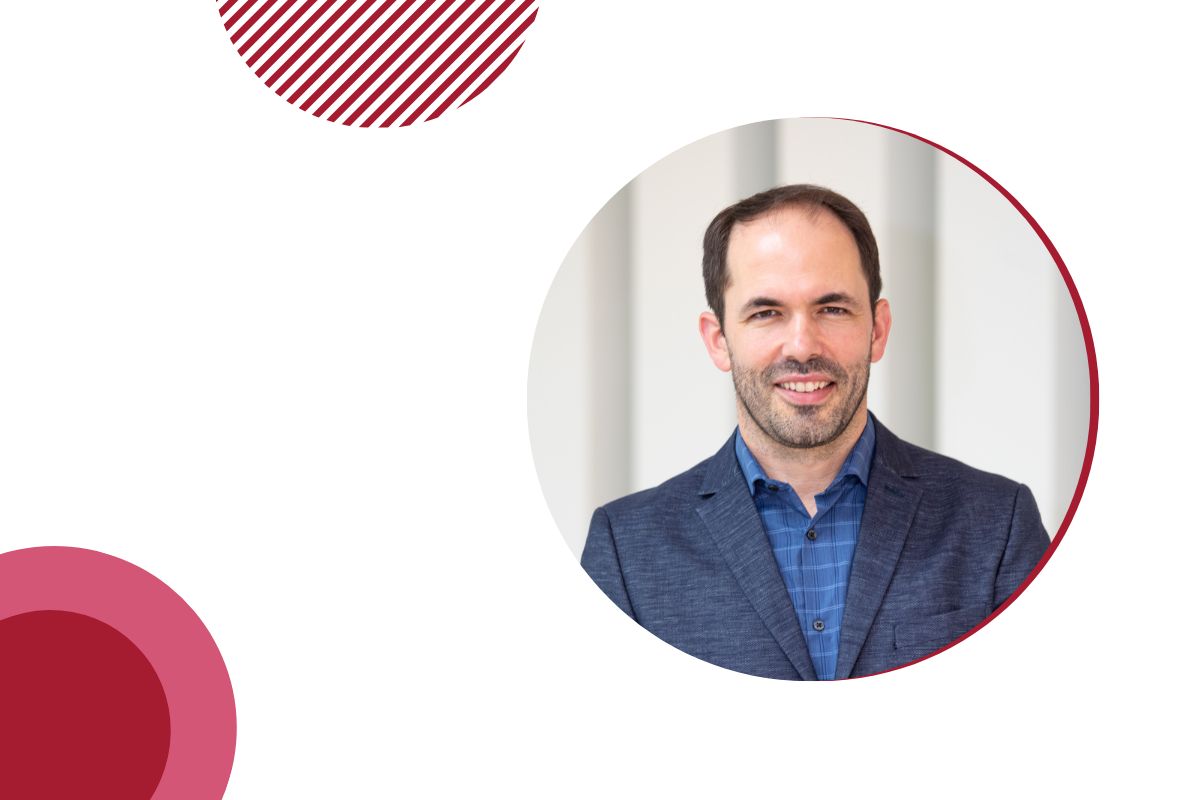
Join us on Wednesday, September 23rd for the Department of Epidemiology seminar series featuring Dr. Jeremy Labrecque.
Abstract: In some ways epidemiology is leading the way in the uptake of causal inference but I will argue that it is very far behind where it could easily be. Even in the top epidemiology journals, fewer than half of studies using explicitly causal methods (g-methods or TMLE) state an explicitly causal question and fewer than half mention consistency and positivity. There is no reason that all such articles should not always include a causal question, clearly-stated causal assumptions and supporting arguments for those assumptions. When a causal claim (however tentative or weak) is made in the absence of these, I refer to this as “dark causal inference”: causal inference that is implied but not observable (in analogy to dark matter). There are many reasons dark causal inference is overwhelmingly abundant in epidemiology of which I will explore two: 1) our continuing misuse of the word “association” (and similar non-causal language) and 2) failing to teach students how to reason about causal inference when causal assumptions are not satisfied.
Bio: Jeremy Labrecque is assistant professor of epidemiology and leader of the Causal Inference Group at Erasmus MC in Rotterdam, the Netherlands. His two main current interests are: 1) reasoning about causal inference when causal assumptions are violated using tools such as quantitative bias analysis, negative controls and causal triangulation and 2) increasing the uptake of causal inference among applied epidemiologists.
Speaker Information
Organizers
Related Events
ⓘ Harvard Chan School hosts a diverse array of speakers, invited to share both scholarly research and personal perspectives. They do not speak for the School, and hosting them does not imply endorsement of their views, organizations, or employers.