When Congress temporarily expanded the Child Tax Credit during the COVID-19 pandemic, the increased income for low-income families improved parents’ mental health, according to a new study.
Harvard Chan School’s Center for Health Communication has produced a “digital safety kit” to help public health workers and researchers navigate online harassment.
Around the world, nearly one in 10 adolescents have used nonprescribed, medically unapproved weight-loss products, according to a new study co-authored by Harvard Chan School’s Bryn Austin.
Research is needed to understand the mechanisms through which slower-moving aspects of climate change such as temperature variability, ecosystem shifts, and changes in precipitation affect mental health.
A new course at Harvard Chan School focuses on the history of public health, highlighting longstanding issues such as vaccine hesitancy, how life expectancy has been measured and used, tensions in the relationship between the fields of public health and medicine, and evolving approaches to determining the causes of disease.
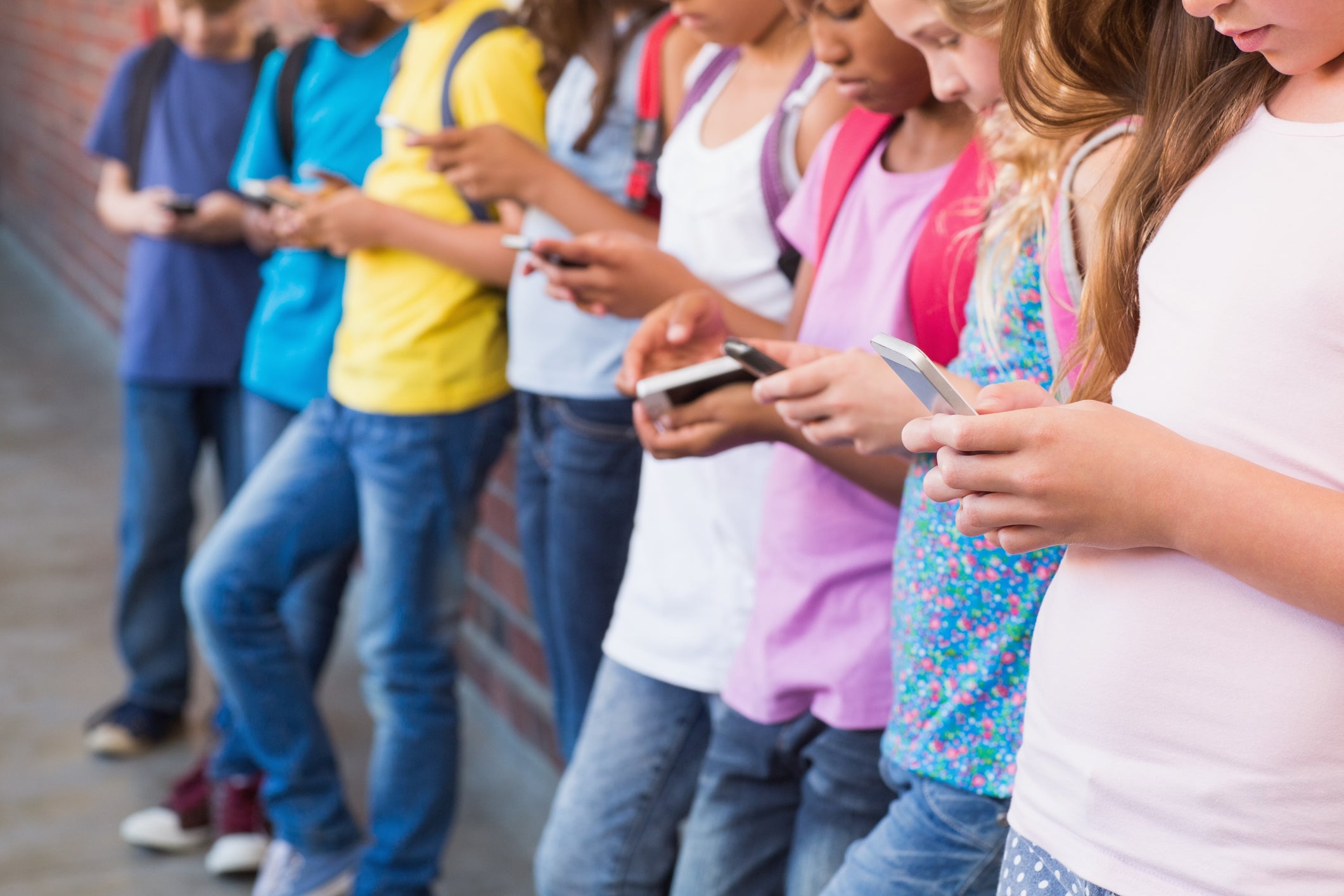
Social media platforms Facebook, Instagram, Snapchat, TikTok, X (formerly Twitter), and YouTube collectively derived nearly $11 billion in advertising revenue from U.S.-based users younger than 18 in 2022, according to a new Harvard Chan School study.