Frontiers in Health & Happiness Season 3 Episode 5 Now Streaming
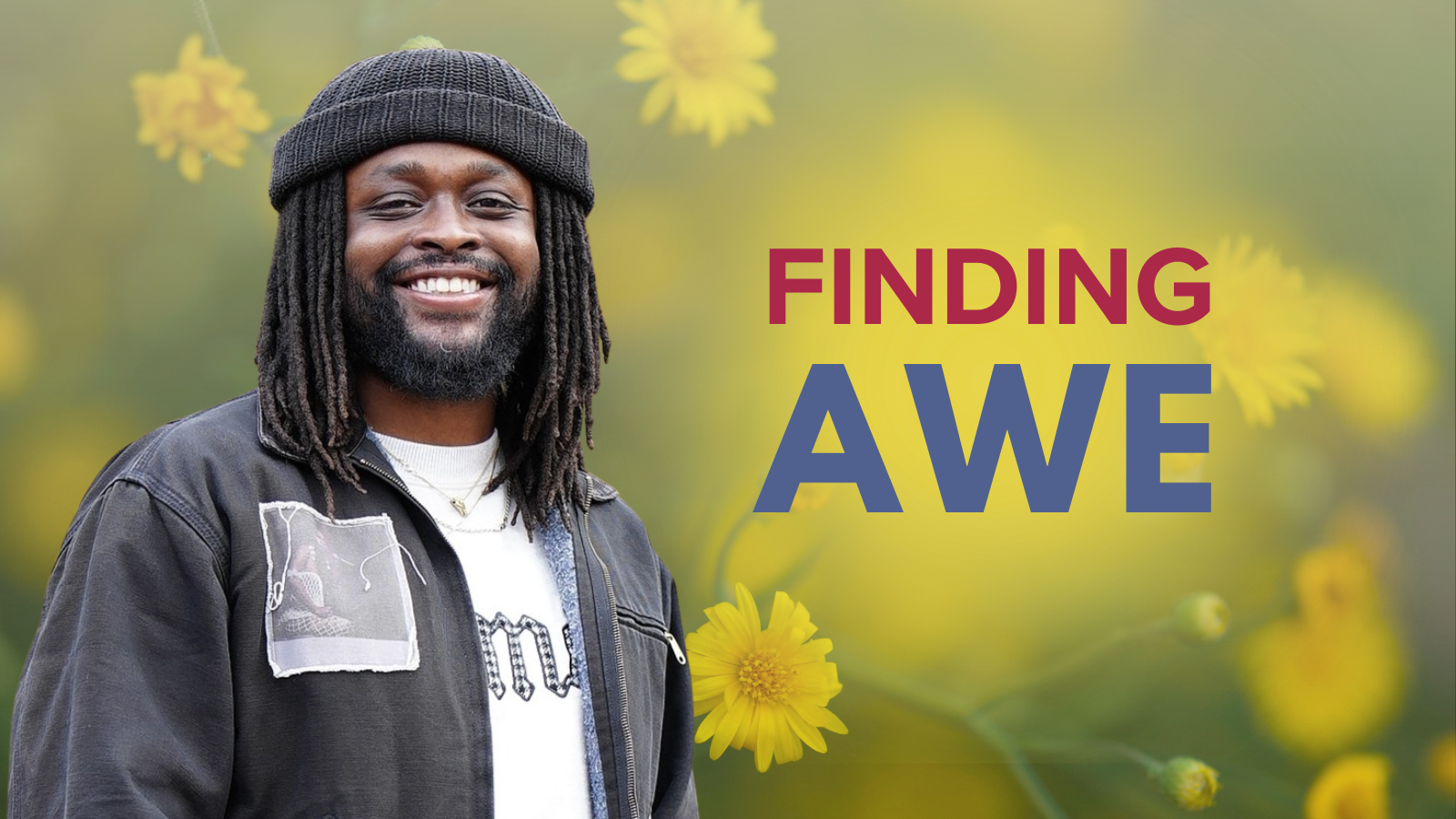

The final episode in our Virtues for Well-being series features Dr. Demond Hill, Assistant Professor of Health Equity at Tufts University in the Eliot-Pearson Department of Child Study and Human Development. Dr. Hill explores the power of awe—a transcendent emotion that can foster connection, healing, and flourishing, even in communities and spaces too often overlooked or marginalized.
In this episode, you’ll learn:
- Why awe doesn’t require a mountaintop or dramatic natural landscape and can emerge in ordinary, urban environments
- How experiencing awe may support mental, physical, and social well-being, including reducing stress and strengthening connection with others
- How “awful” or difficult environments can sometimes become sources of awe, inspiration, and motivation for change
- How awe can help challenge structural inequality by shifting what we notice and inspiring people to imagine better possibilities for their communities
S3 E6 Promo Clip
As we conclude our Virtues for Well-being series, we’re grateful to everyone who joined us for this journey. Across six episodes, researchers shared what the science tells us about how purpose, empathy, generosity, caring, mindfulness, joy, and awe can shape our mental, physical, and social well-being—from buffering against adversity and strengthening connection to building our capacity for resilience and flourishing. We hope these conversations leave you with new ideas for cultivating these qualities in your own life and community.
Thank you for listening and exploring the science of well-being with us. We’ll see you in the next series!
Subscribe to Frontiers in Health & Happiness on Spotify, Apple Podcasts, Amazon Music, or Pandora; or catch new episodes on our YouTube channel.
Last Updated


Frontiers in Health & Happiness Season 3 Episode 5 Now Streaming
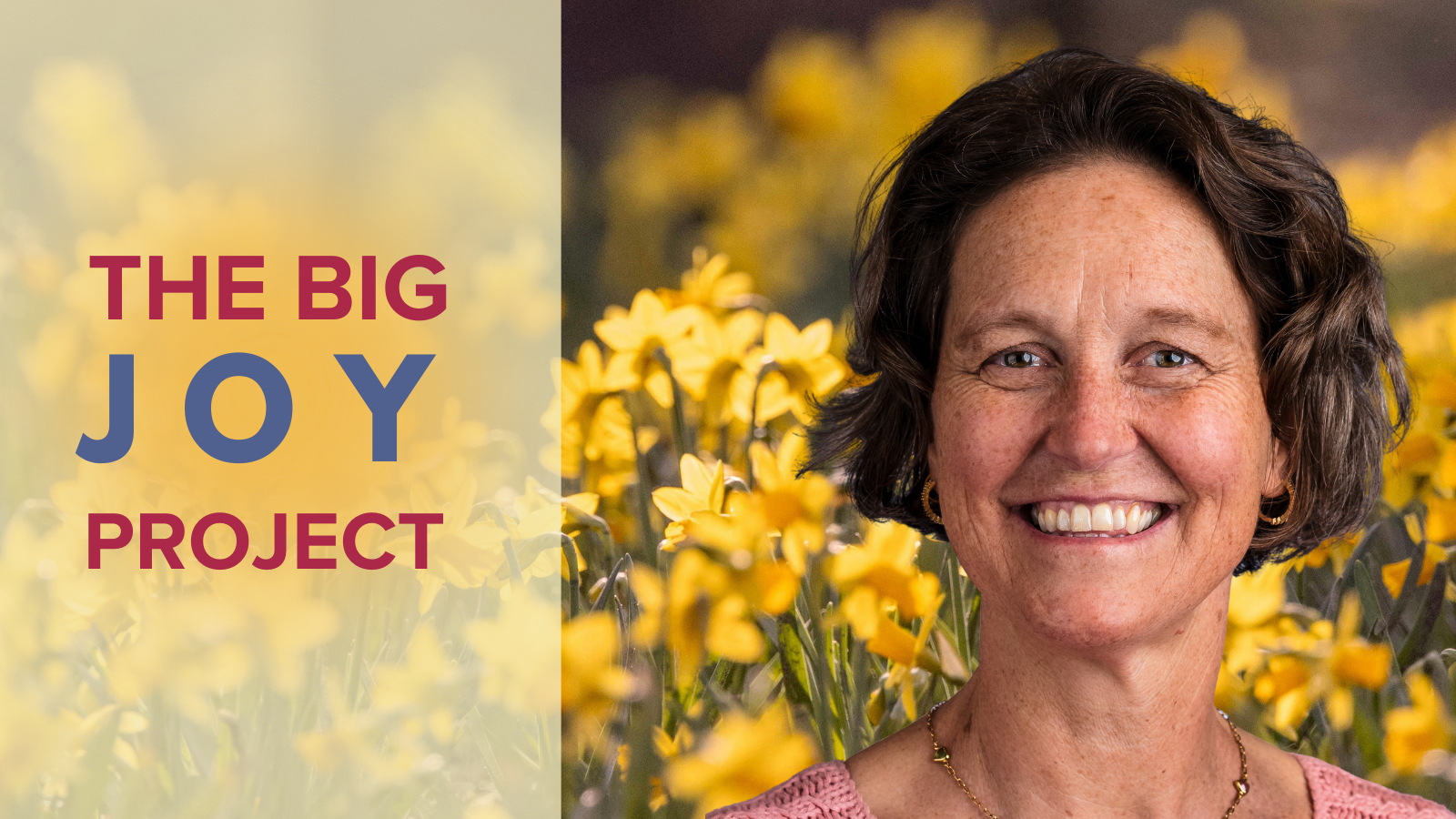
The newest episode of Frontiers in Health & Happiness is now live! Tune in to learn from Dr. Emiliana Simon-Thomas, Science Director of the Greater Good Science Center at UC Berkeley and co-instructor of the popular online course The Science of Happiness. She’ll share insights from the Big Joy Project, a global citizen science initiative exploring simple, evidence-based ways to increase joy and well-being.
In this episode, you’ll learn:
- Why small “micro acts” of joy can actually boost your well-being
- How the Big Joy Project is testing happiness practices at a global scale
- How laughter can affect both our bodies and our relationships
- Why young people may benefit the most from happiness practices
- Why kindness, generosity, and compassion may be essential to human survival
S3 E5 Promo Clip
The next episode will air on Monday, August 3rd, and will feature Dr. Emiliana Simon-Thomas, Science Director of the Greater Good Science Center at UC Berkeley and co-instructor of the popular online course The Science of Happiness. She’ll share insights from the Big Joy Project, a global citizen science initiative exploring simple, evidence-based ways to increase joy and well-being.
Subscribe to Frontiers in Health & Happiness on Spotify, Apple Podcasts, Amazon Music, or Pandora; or catch new episodes on our YouTube channel. Thank you for listening!
Last Updated
Announcing the Recipients of our 2026 Innovations in Positive Health Grants

We are pleased to announced the recipients of our 2026 Innovations in Positive Health Grants., which support pioneering research at early stages of development that focuses on positive health science or communication and translation sciences related to positive health science. These seed grants will provide up to $40,000 in funding for up to one year.
- Exploring cognitive and neural mechanisms of spiritual development
- Project Description: The Global Flourishing Study found spirituality is a key predictor of flourishing across cultures, and unaddressed spiritual needs in clinical settings predict poorer quality of life. We will test whether a secular program that combines character strengths/virtue and mindfulness practice can promote spiritual development, and how developmental changes relate to well-being, positive affect, and clinical symptom. Neural mechanisms of spiritual development will also be identified. The data will provide novel insights into the interplay of virtue, spiritualty, and well-being.
- Investigators
- Sara Lazar, PhD, Principal Investigator, Associate Researcher & Professor, Massachusetts General Hospital and Harvard Medical School
- Tamas Madl, PhD, Lecturer in Consciousness, University of Vienna, and External Researcher in Machine Learning, Austrian Research Institute for AI
- Building for Positive Health and Well-Being: Piloting Participatory Image Annotation Workflows to Advance AI/ML Approaches for Urban Health Research in Africa
- Project Description: Using Accra as a pilot, we will develop a participatory street view image annotation protocol, informed by local residents, to identify features that promote positive health in African cities. The findings will produce: 1) expanded understanding of the physical and perceptual urban characteristics that Accra residents associate with positive health and well-being, and 2) annotated street view images to support future computer vision workflows amplifying African perspectives in automated urban health measurement for health-centered urban planning.
- Investigators
- Hiwot Y. Zewdie, PhD, Yerby Postdoctoral Fellow, Department of Environmental Health, Harvard Chan School
- Francine Laden, ScD, Professor of Environmental Epidemiology, Departments of Environmental Health and Epidemiology, Harvard Chan School, and Associate Professor of Medicine, Channing Division of Network Medicine, Dept of Medicine Brigham & Women’s Hospital and Harvard Medical School
- Seth Okyere, PhD, Teaching Assistant Professor, Urban Studies Program, Dietrich School of Arts and Sciences, University of Pittsburgh, USA, and Visiting Associate Professor, Urban Planning Lab, Graduate School of Engineering, The University of Osaka, Japan
- Adewale Oyeyemi, PhD, Associate Professor of Population Health at the College of Health Solutions, Arizona State University
- Peter James, ScD, Associate Professor, Department of Public Health Sciences, University of California Davis School of Medicine
- Jaime E. Hart, ScD, Associate Professor, Channing Division of Network Medicine, Department of Medicine, Brigham & Women’s Hospital and Harvard Medical School and Department of Environmental Health, Harvard Chan School
We look forward to seeing how these pioneering projects deepen our understanding of flourishing and translate positive health research into healthier people, communities, and environments.
Last Updated
Frontiers in Health & Happiness Season 3 Episode 4 Released
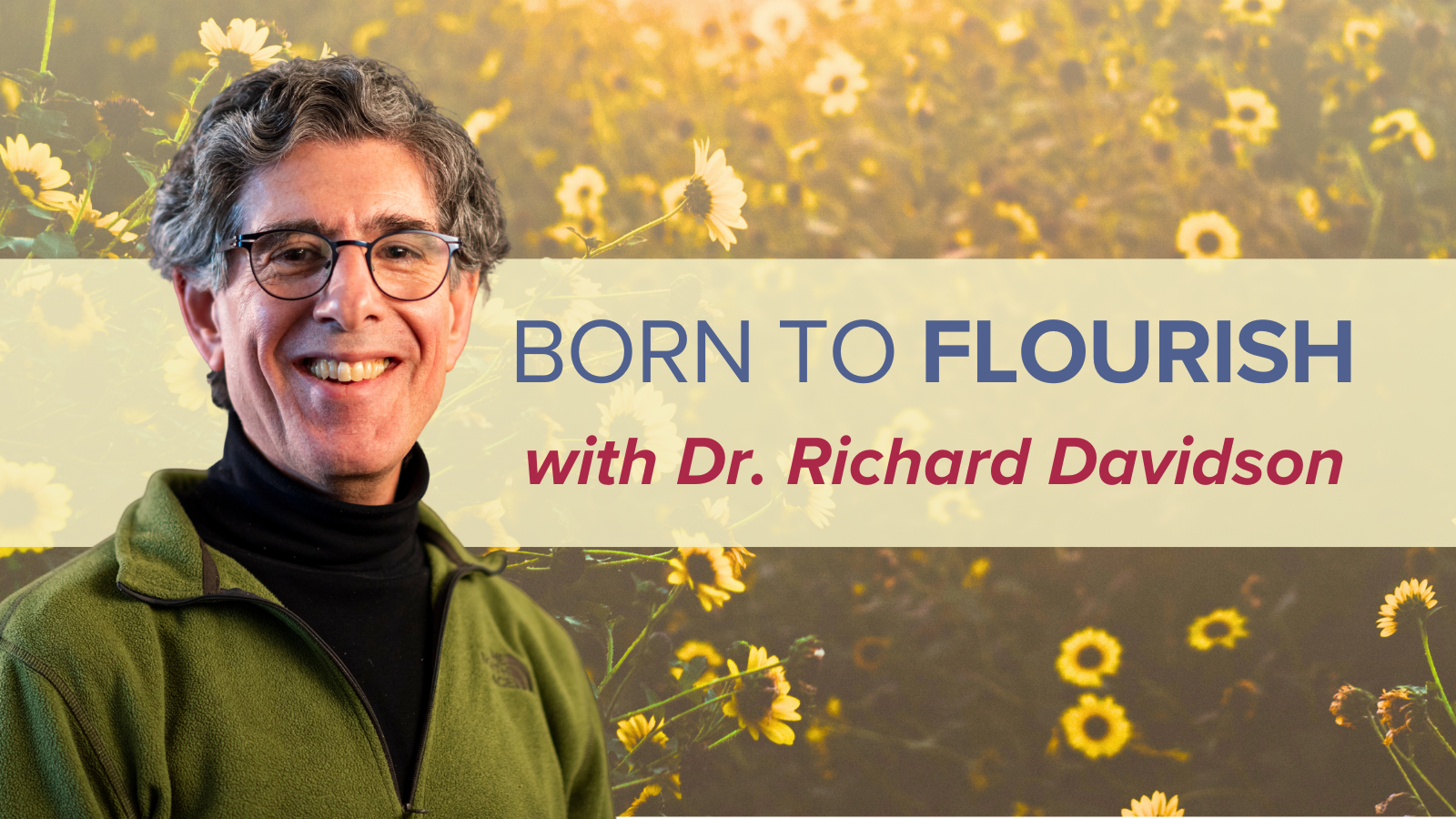

What if happiness, compassion, and resilience are not fixed traits, but skills we can strengthen through practice? In the newest episode of Frontiers in Health & Happiness, host Ayla Fudala speaks with renowned neuroscientis Dr. Richard Davidson— Professor of Psychology and Psychiatry at the University of Wisconsin–Madison, Founder and Director of the Center for Healthy Minds, Founder of the nonprofit Humin, and New York Times bestselling author.
This episode answers:
- Can training your mind actually change your brain?
- How do the brains of longtime meditation practitioners like Buddhist monks differ from the norm?
- Can meditation help the brain age more slowly?
- Does five minutes of meditation a day really make a difference?
S3 E4 Promo Clip
The next episode will air on Monday, August 3rd, and will feature Dr. Emiliana Simon-Thomas, Science Director of the Greater Good Science Center at UC Berkeley and co-instructor of the popular online course The Science of Happiness. She’ll share insights from the Big Joy Project, a global citizen science initiative exploring simple, evidence-based ways to increase joy and well-being.
Subscribe to Frontiers in Health & Happiness on Spotify, Apple Podcasts, Amazon Music, or Pandora; or catch new episodes on our YouTube channel. Thank you for listening!
Last Updated
From Evidence to Action: The Well-being Gap

Researchers know more than ever about the factors that shape health, happiness, and well-being. Evidence linking social connection to better health outcomes continues to grow, while concerns about the effects of digital environments on mental health have fueled public debate and policy discussions. Yet a persistent challenge remains:
How can evidence on well-being be translated into meaningful action?
That question brought researchers, practitioners, and policy leaders together at the Harvard Faculty Club on April 28th, 2026, for a roundtable convened by the Lee Kum Sheung Center for Health and Happiness at the Harvard T.H. Chan School of Public Health. The discussion explored the barriers, opportunities, and structural conditions that influence whether research findings lead to changes in policy, practice, and community life.
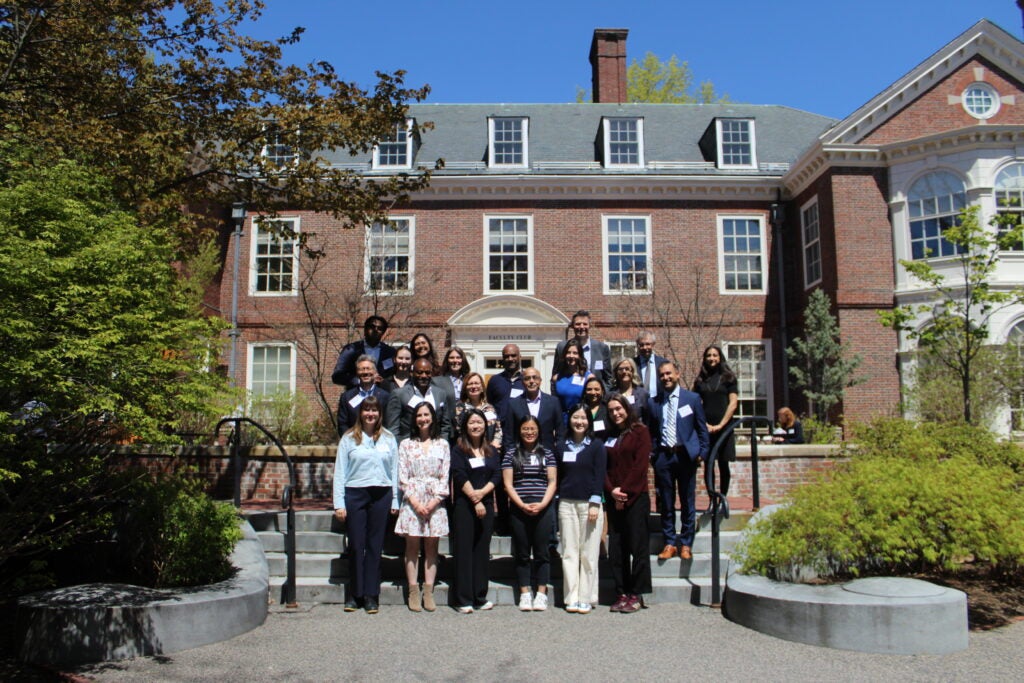
“I have long been interested in understanding and addressing the gap between scientific discovery and delivery,” said Dr. K. “Vish” Viswanath, Lee Kum Kee Professor of Health Communication at the Harvard Chan School and Director of the Lee Kum Sheung Center. “A confluence of factors made this the right moment for the Center to convene this conversation, including ongoing debates about trust in science and investment in research, growing concerns about mental health globally, and public demand for action on issues such as social media, artificial intelligence, loneliness, and isolation.”
To ground the conversation, participants focused on two areas that illuminate different dimensions of the evidence-to-action challenge: digital well-being and social connection.
Digital well-being is a rapidly evolving field where evidence continues to develop alongside changing technologies. Social connection, by contrast, rests on a more established body of research, yet questions remain about how to implement effective solutions at scale.
One of the strongest themes to emerge from the discussion was that the gap between evidence and action is not simply a research problem.
Participants noted that substantial evidence often exists, but findings may be correlational, context-dependent, or difficult to generalize across populations and settings. These realities can complicate efforts to move directly from scientific findings to policy recommendations or interventions.
At the same time, participants cautioned that waiting for complete certainty can delay responses to pressing challenges.
In digital well-being, for example, research examining the relationship between social media use and youth mental health often remains mixed and largely correlational. Yet technologies continue to evolve rapidly, while parents, educators, policymakers, and young people seek guidance now.
Similarly, while the health consequences of loneliness and social isolation are increasingly well documented, evidence on interventions that can be scaled effectively across communities remains less developed. Programs such as social prescribing, intergenerational initiatives, and community-based approaches show promise, but outcomes often depend on local context, implementation, and community engagement.
Participants argued that these realities require a more adaptive model of translation—one that allows implementation, evaluation, and learning to occur simultaneously rather than as separate, sequential stages.
The balance between rigor and action is critical. Science is always evolving, and recommendations may change as the evidence develops. That should not prevent us from acting on the best available evidence, but it does require us to remain willing to learn, adapt, and pivot when needed.
Dr. K. “Vish” Viswanath
The discussion also highlighted the role of measurement in shaping how well-being is understood and addressed.
Terms such as happiness, flourishing, belonging, loneliness, and well-being are often defined differently across disciplines, making it difficult to compare findings and build shared frameworks for action. Participants noted that existing measures capture only part of people’s lived experiences.
In digital well-being research, screen time is frequently used as a metric despite providing limited information about how people engage with technology. Time spent online may involve social support, learning, work, creativity, or passive consumption—experiences with very different implications for well-being.
Participants made a similar observation about social connection. Loneliness and connection are often treated as opposites, despite representing distinct experiences. Much of the research focuses on reducing loneliness rather than understanding and promoting meaningful connection, belonging, and supportive relationships.
These questions of measurement, participants emphasized, are not merely technical concerns. What gets measured often influences what becomes visible to policymakers, funders, and institutions—and ultimately what becomes actionable.
Another recurring theme was fragmentation across sectors.
Researchers, practitioners, policymakers, community organizations, and private-sector leaders share an interest in improving well-being but operate within different systems and incentives. Academic institutions often reward publication and methodological innovation, while policymakers must navigate political realities and public pressures. Community organizations work within funding constraints, and companies may prioritize growth and engagement metrics over well-being outcomes.
Participants suggested that these differences can slow coordination and make it more difficult to translate evidence into practice, from limited access to platform data in digital well-being research to coordinating efforts across healthcare, transportation, housing, and education to strengthen social connection.
Throughout the roundtable, participants repeatedly returned to the idea that improving population well-being requires a systems approach.
In discussions of digital well-being, participants emphasized looking beyond individual behavior to examine how platform design, business incentives, and regulatory environments shape experiences and outcomes. In conversations about social connection, they highlighted the role of parks, libraries, transit systems, and community centers in creating opportunities for interaction and belonging. Yet participants noted that physical infrastructure alone is not enough. Community spaces require programming, accessibility, and ongoing engagement to foster meaningful connection and ensure benefits are distributed equitably.
By the end of the discussion, participants increasingly framed translation not as a linear process of moving research into practice but as a systems challenge requiring collaboration across research, policy, industry, practice, and communities.
As the roundtable came to an end, Dr. Viswanath thanked the roundtable participants for their thoughtful insights and meaningful contributions to the conversation. He concluded:
It is clear that no single sector or actor can do this alone. We need multisectoral collaboration and scalable solutions to translate evidence into action. We also need to cultivate reciprocal relationships between those who generate evidence and those who act on it.
Dr. Vish Viswanath
Roundtable Participants
- Rumeli Banik, PhD, Pew Charitable Trusts
- Natalie Bazarova, PhD, Cornell University
- Christy Denckla, PhD, Harvard Chan School
- Luigi Maria Di Corato, MA, MBA, City of Lugano
- Leigh Frame, PhD, MHS, George Washington University
- Heikki Hiilamo, PhD, Finnish Institute for Health and Welfare, University of Helsinki
- Edna Ishayik, MA, National Conference on Citizenship
- Ashwin Kotwal, MD, University of California, San Francisco
- Sunny Xun Liu, PhD, Stanford University
- Silvia Misiti, MD, PhD, IBSA Foundation
- Justin Pasquariello, MBA, MPA, East Boston Social Centers
- Olivier Sylvain, JD, PhD, Fordham University, Columbia University
- Ashwin Vasan, MD, PhD, Yale University, Commonweal Ventures
- K. “Vish” Viswanath, PhD, Harvard Chan School (Center Director)
- Michael Wilkinson, CMF, Leadership Strategies (Facilitator)
- Gloria Winters, DPT, YMCA of the USA
Center Staff
- Karina Duffy, BS
- Ayla Fudala, MLitt
- Anya Greenberg, BS
- Devan McClain, BS
- Abigail Palaza, BS
- Olivia Song, BS
- Kelsey Torres, MPH
Last Updated
Frontiers in Health & Happiness Season 3 Episode 3 Streaming Now
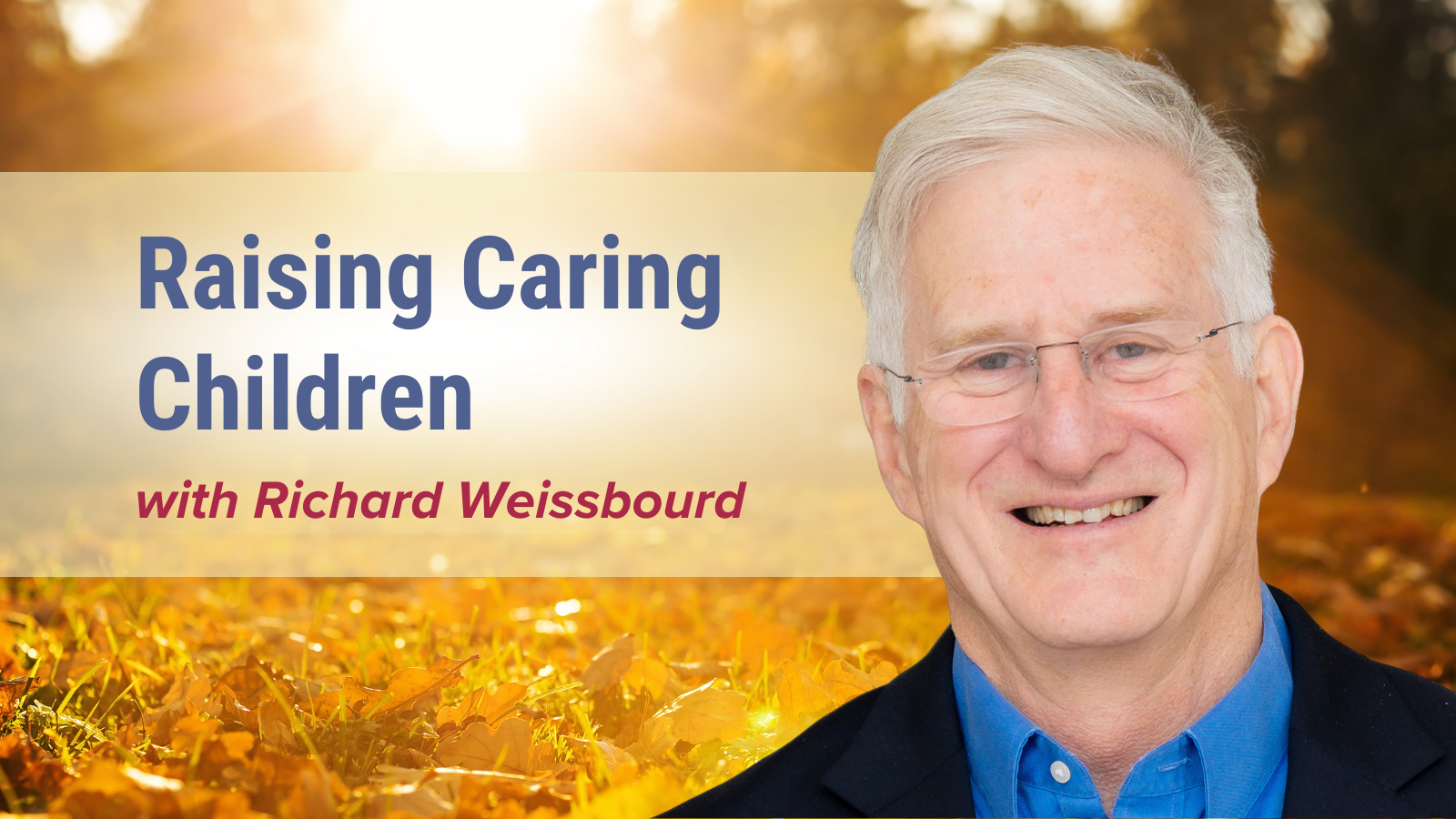

What if raising happier, healthier children starts with teaching them to care beyond their inner circle?
In this episode of Frontiers in Health and Happiness, host Ayla Fudala speaks with Richard Weissbourd, Senior Lecturer at the Harvard Graduate School of Education and Director of the Making Caring Common Project, about how parents, educators, and communities can help young people become caring, moral, and thriving.
In this episode, you’ll learn:
- How empathy, perspective-taking, and moral identity shape children’s development
- Why achievement and happiness can sometimes crowd out caring
- How focusing too much on children’s moment-to-moment emotions can backfire
- How families and schools can help children expand their “circle of concern”
- Why caring across difference is essential for well-being, community, and democracy
S3 E3 Promo Clip
New episodes of the Frontiers in Health & Happiness podcast will be released every two weeks. The next episode will air on Monday, July 20th, and will feature Dr. Richard Davidson, Professor of Psychology and Psychiatry at the University of Wisconsin–Madison, Founder and Director of the Center for Healthy Minds, and Founder of Humin, a global nonprofit on a mission to make well-being real by translating science into action. His research explores the neuroscience of emotion, as well as methods to promote human flourishing, including meditation and related contemplative practices.
Subscribe to Frontiers in Health & Happiness on Spotify, Apple Podcasts, Amazon Music, or Pandora; or catch new episodes on our YouTube channel. Thank you for listening!
Last Updated
Frontiers in Health & Happiness Season 3 Episode 2 Now Live!
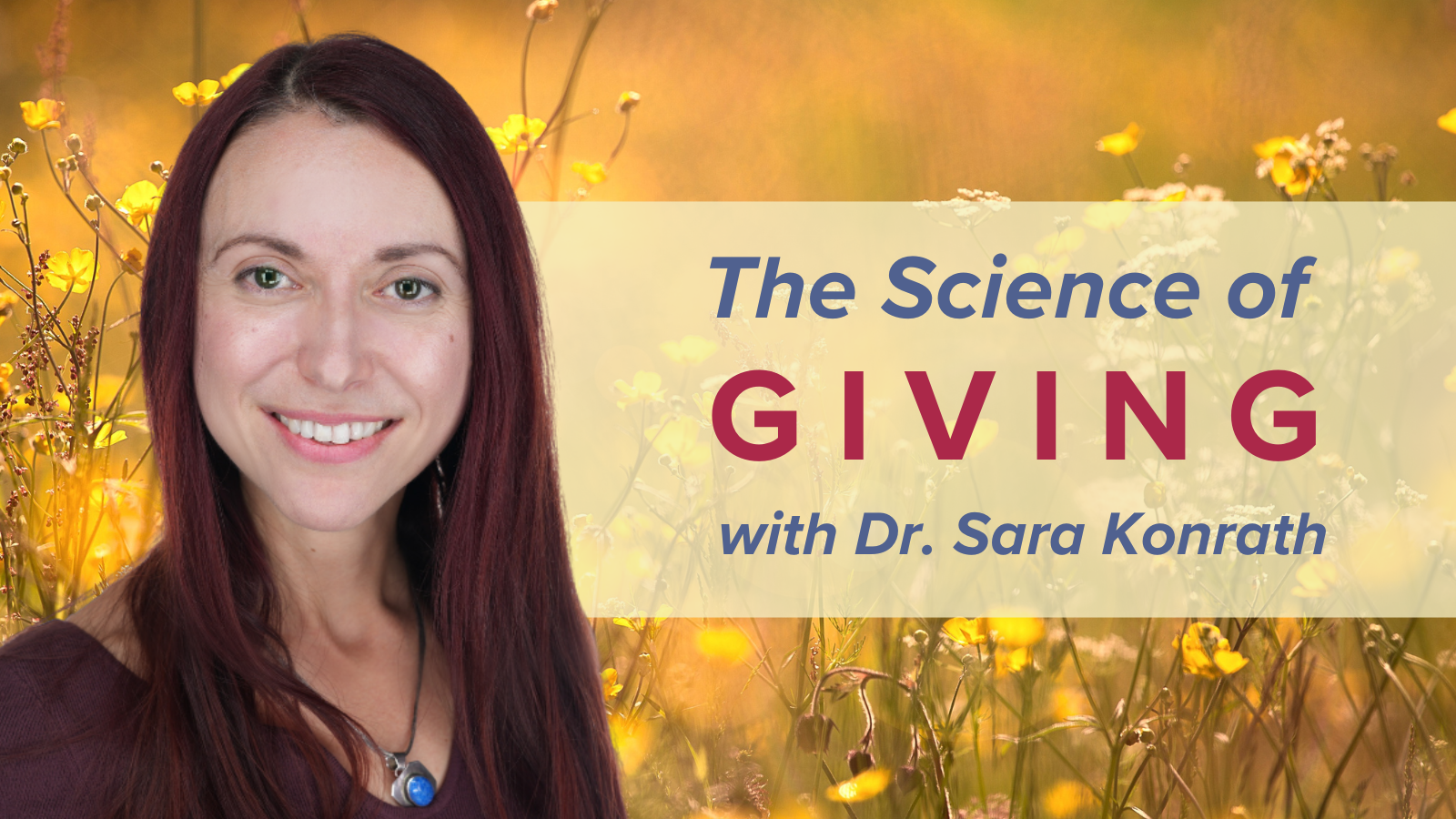
The Science of Giving with Dr. Sara Konrath

What if the path to a happier, healthier life starts with a simple act of kindness? In the second episode of our Virtues for Well-being Series, social psychologist Dr. Sara Konrath—one of the world’s leading researchers on empathy and generosity—explores the surprising science behind giving. Dr. Konrath is Director of the Interdisciplinary Program on Empathy and Altruism Research at Indiana University’s Lilly Family School of Philanthropy and the University of Michigan’s Institute for Social Research, and served as a co-author of the 2025 World Happiness Report.
In this episode, you’ll learn:
- How empathy and generosity can improve your happiness, health, and longevity
- Why giving to others often brings more lasting well-being than spending on yourself
- How kindness strengthens relationships and helps builds a social insurance network
- Dr. Konrath’s “three Cs” for sustainable giving: caring communities, choice, and concrete impact
- The difference between healthy empathy and burnout—and how to care sustainably
S3 E2 Promo Clip
New episodes of the Frontiers in Health & Happiness podcast will be released every two weeks. The next episode will air on Monday, July 6th, and will feature Richard Weissbourd, Senior Lecturer at the Harvard Graduate School of Education, director of Making Caring Common—a national initiative to help schools and parents raise caring, ethical children—and leader of Turning the Tide, an effort to reform college admissions. His work focuses on moral development, purpose, and youth mental health.
Subscribe to Frontiers in Health & Happiness on Spotify, Apple Podcasts, Amazon Music, or Pandora; or catch new episodes on our YouTube channel. Thank you for listening!
Last Updated
Launching Season 3 of the Frontiers in Health & Happiness Podcast
We’re excited to launch Season 3 of the Frontiers in Health and Happiness podcast with the debut of our new Virtues for Well-being series. Throughout the season, we’ll be interviewing leading experts on the virtues and emotional states that help people thrive—from purpose, empathy, and generosity to awe, mindfulness, joy, and more—and exploring what the latest science can teach us about living healthier, happier lives.
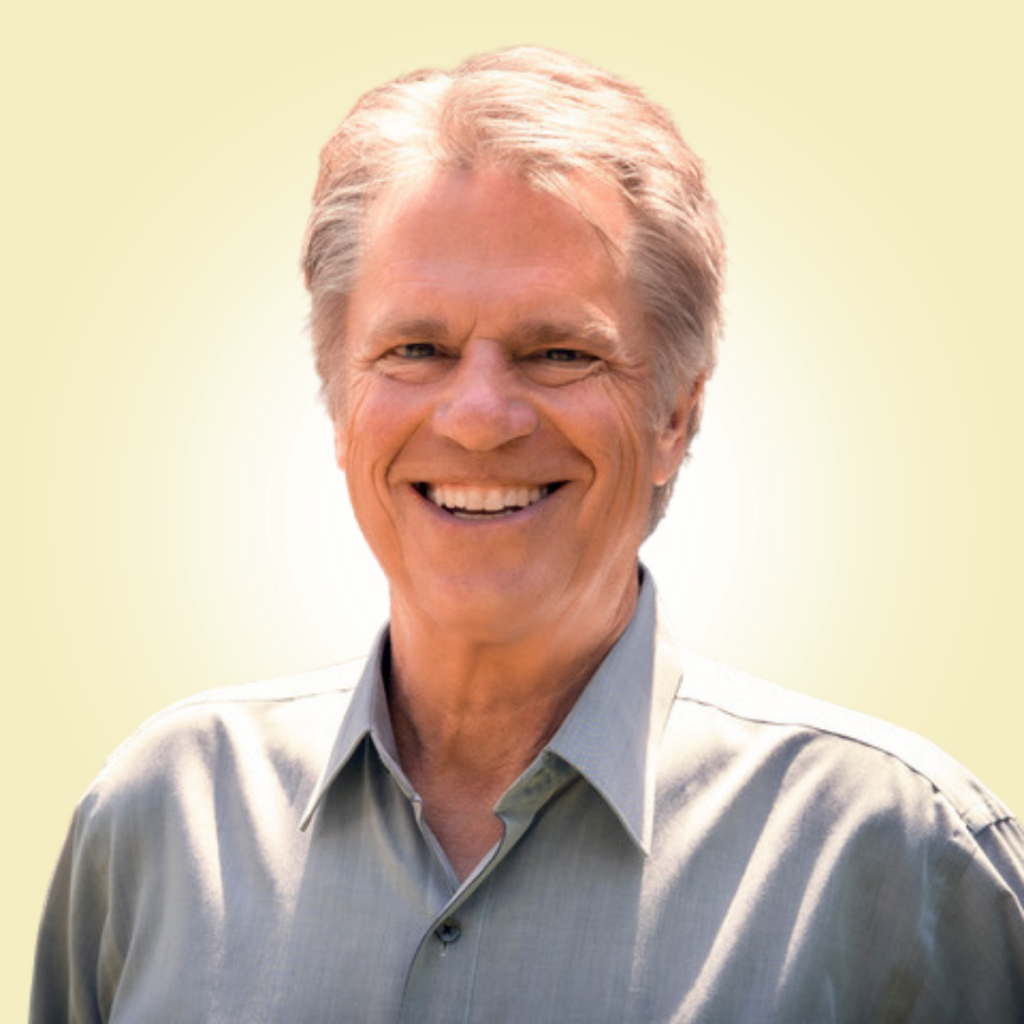
Our first episode features Dr. Victor Strecher, professor at the University of Michigan School of Public Health, founder and CEO of Kumanu, Inc., and a pioneer in the science of purpose and well-being. Drawing on decades of research and personal experience, Dr. Strecher explains how having a clear sense of purpose can improve physical and mental health, strengthen resilience, increase motivation, and help us navigate uncertainty in a rapidly changing world.
In this episode, you’ll learn:
- Why purpose may be one of the most powerful drivers of health and well-being
- How purpose can help people navigate grief, uncertainty, and life’s biggest challenges
- What science tells us about purpose’s effects on longevity, mental health, and healthy aging
- How to discover what matters most in your own life
- Whether AI will diminish or enhance our ability to live purposeful lives
- Why cultivating a purpose that extends beyond ourselves may be key to both personal and societal flourishing
S3 E1 Promo Clip
New episodes will be released every two weeks. The next episode will air on Monday, June 22nd, and will feature Dr. Sara Konrath, a social psychologist and Director of the Interdisciplinary Program on Empathy and Altruism Research at Indiana University’s Lilly Family School of Philanthropy and the University of Michigan’s Institute for Social Research. Drawing on the latest research—including findings from the 2025 World Happiness Report—she will share actionable strategies for expressing empathy and generosity in healthy, effective, and sustainable ways.
Subscribe to Frontiers in Health & Happiness on Spotify, Apple Podcasts, Amazon Music, or Pandora; or catch new episodes on our YouTube channel. Thank you for listening!
Last Updated
Announcing our 2026 Dissertation Research Award Recipients
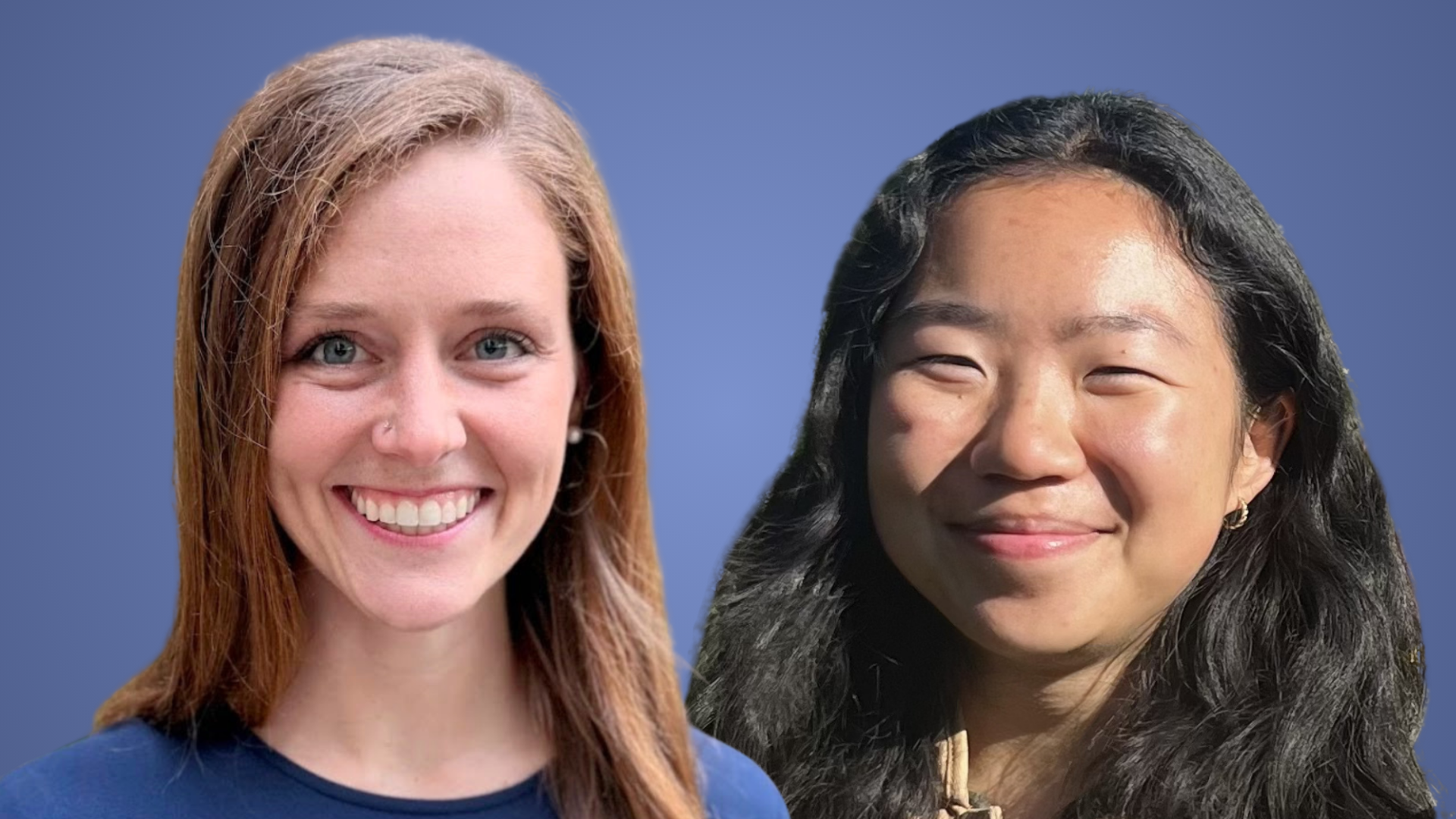
We are delighted to recognize our 2026 Dissertation Research Award recipients, Logan Nicole Beyer and Laura Chen, for their outstanding, innovative work in the field of positive health. Their research reflects our Center’s asset-based approach to understanding how psychological, social, and physical strengths support well-being and happiness.
Logan Nicole Beyer

MD/PhD Candidate in Social & Behavioral Sciences at the Harvard Medical School & Harvard T. H. Chan School of Public Health
Dissertation Title: Beautiful Day in the Neighborhood: The Longitudinal Effects of Early Environments on Child Health and Behavior
Logan’s dissertation examines how neighborhood social environments shape children’s mental, physical, and behavioral health across development. Using longitudinal data from a large and diverse U.S. birth cohort, she investigates how improvements in neighborhood contexts are associated with children’s emotional and behavioral regulation, prosocial behavior, and physical health from early childhood through adolescence. In particular, she will identify sensitive developmental periods during which neighborhood collective efficacy, or the shared trust and willingness of community members to support one another, has the greatest influence on child well-being, and she will examine which aspects of neighborhoods, when improved over time, offer the greatest benefits for behavior outcomes into young adulthood.
Laura Chen

PhD Candidate in Social & Behavioral Sciences at the Harvard T. H. Chan School of Public Health
Dissertation Title: A Matter of Time? Insights into cardiovascular health from time use data
Laura is broadly interested in the sociostructural drivers of cardiovascular health and health inequities. Her dissertation examines leisure/discretionary time as a health-promoting resource. Specifically, her projects investigate 1) how daily leisure time influences cortisol dynamics and buffers stress responses, 2) how “time poverty” may undermine cardiovascular health over time, and 3) whether receiving the Earned Income Tax Credit allows individuals to invest more time into health-promoting behaviors. Together, these projects illuminate discretionary time as an important resource for health.
We are proud to support their work and look forward to seeing how their research helps build healthier, happier communities!
Last Updated
Paid Practicum Opportunity for Harvard Chan Students

Harvard Chan MPH and SM students: complete your practicum this summer in a paid, community-based placement where you’ll apply your public health training, build data and evaluation skills, and deepen your understanding of social determinants of health.
Duration: 10 weeks in May-August, flexible start and end dates, 20 hours per week
East Boston Social Centers
We’re excited to share a practicum opportunity with the East Boston Social Centers (EBSC), a 100+ year-old community anchor serving East Boston, Chelsea, Revere, and Winthrop. This placement is ideal for an MPH student interested in community-based, equity-focused work with largely immigrant families. Depending on project needs and student interest, activities may include helping EBSC better understand and address social isolation by contributing to survey design and administration, assisting with analysis of participant data, supporting research on best practices in social connection and mental wellbeing, and helping to draft culturally responsive recommendations to strengthen programs across age groups. This practicum emphasizes hands-on engagement, data-informed program improvement, and work in a multi-generational setting. Applications are reviewed on a rolling basis.
GlamourGals
We’re also sharing a practicum opportunity with GlamourGals Foundation, a national nonprofit with a 25-year history of combating senior isolation through teen-led intergenerational programs. This role is a strong fit for an MPH student interested in program evaluation, qualitative methods, and the mental and social health impacts of social connection. Depending on the specific project, the student may contribute to qualitative analyses of program impact on seniors and teen volunteers, support development of a panel survey and outcome metrics, attend selected senior center visits to observe implementation and gather data, and participate in mentorship events alongside peers (including Cornell students). This practicum offers exposure to nonprofit leadership, intergenerational relationship-building, and real-world measurement of social and mental wellbeing. Applications are reviewed on a rolling basis.