Health Crisis Leadership: Decision-Making, Strategy, and Simulation
This program is not currently available for registration. Click subscribe to be notified when information becomes available
Program Overview
Certificate of Specialization eligibility:
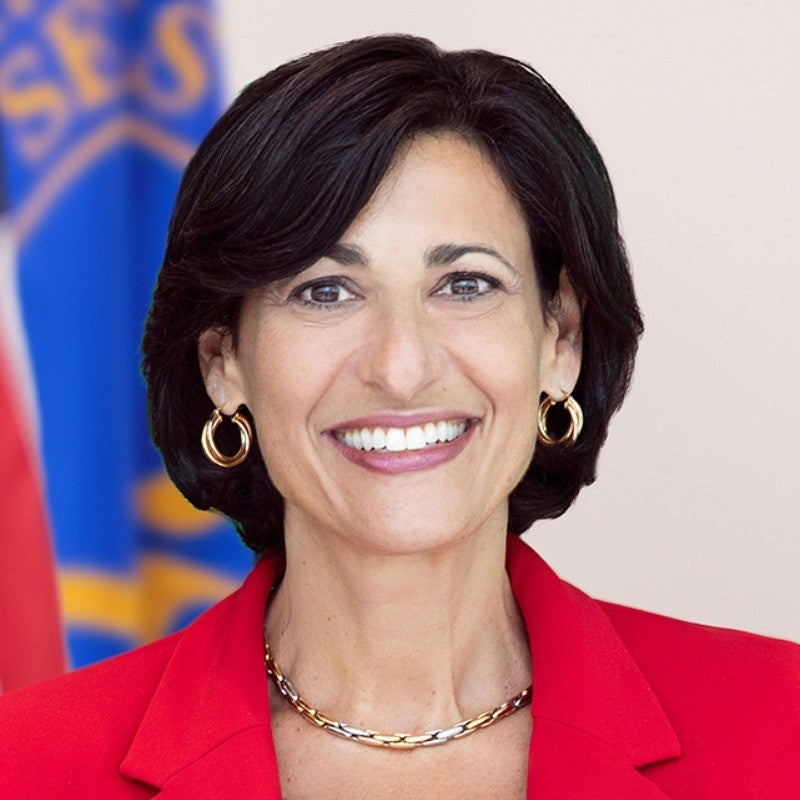
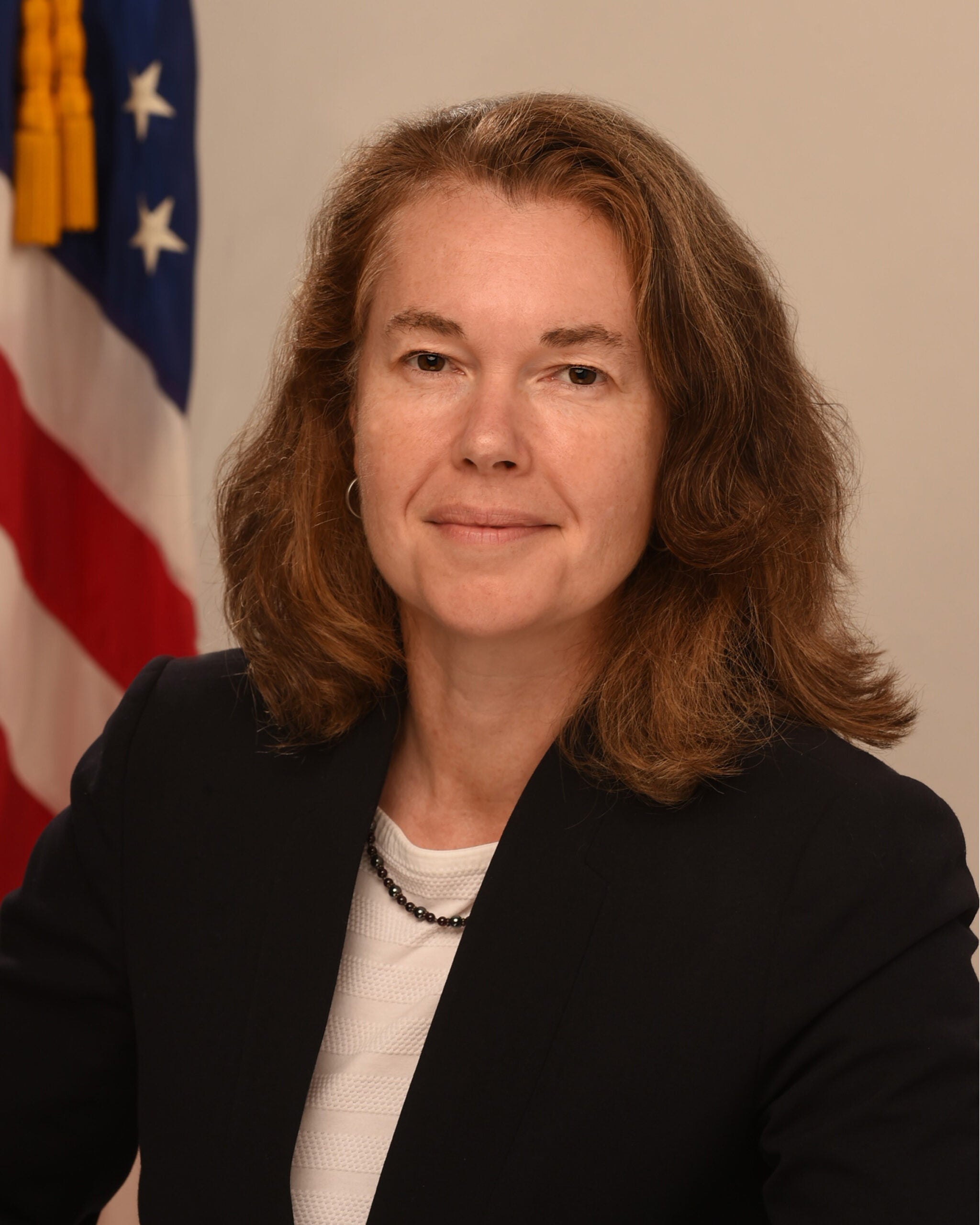
In this era of poly-crises, where health emergencies are increasing in frequency and severity, senior health leaders must be able to make good decisions and communicate them clearly and decisively in order to lead through crises that are fast-moving and high stakes, with implications to several sectors including health care, public health, private industry, education and all levels of government. Health Crisis Leadership: Decision-Making, Strategy, and Simulation is the Harvard Chan Advanced Learning Academy’s flagship on-campus leadership program for executives seeking practical tools to make sound decisions under pressure, navigate complex stakeholder and media dynamics, and strengthen crisis response in their organizations. Taught by renowned leaders Rochelle Walensky and Dawn O’Connell, this immersive program uses real-world health crisis cases and applied discussion to help participants interpret the broader communications environment, lead with confidence, and bring actionable insights back to their institutions.
Responding to a health emergency requires quick decision making with limited and often imperfect information. Leaders must understand the substance of each decision, the available options, the anticipated downstream consequences – both inside and beyond the healthcare sector – and undertake a risk analysis with very little time for consideration or margin for error. Each leader, across the larger enterprise, is making their own series of decisions that interconnect with the larger effort – from commerce and travel to education and security – all with possible political ramifications. Trusting your colleagues, your staff, and your gut – shaped by prior experiences – are critical elements to leading any response. Rochelle Walensky and Dawn O’Connell designed this class to provide you a front row seat to the behind-the-scenes machinations of a response, demonstrating how important it is to ground yourself in the facts, to cultivate strong relationships with colleagues, and to surround yourself with staff that you trust.
Program Details
Health crises reverberate across entire systems, disrupting infrastructure, supply chains, and communities far beyond the immediate point of impact, demanding both foresight and decisive response from leaders. In this immersive, fast-paced course, participants will work through recent health crisis case studies – such as the 2022 global mpox outbreak, 2024 H5N1 influenza outbreak among both birds and dairy cows in the U.S., and the 2022 Ebola Sudan outbreak in Uganda– to examine how different threats create different risks, responses, and leadership challenges. While each case has distinct implications across sectors, jurisdictions, and even countries, all require swift decision making among intense uncertainty and strong collaborative leadership under pressure. Participants will explore both the health and preparedness dimensions of these emergencies and, ultimately, will be asked to advise a senior leader by proposing a set of solutions to complex problems and briefing the pros and cons of each option to inform final decision-making.
Upon successful completion of this course, you will be able to:
- Distinguish the epidemiologic and operational characteristics of three recent public health emergencies (mpox 2022, Ebola Sudan 2022, H5N1 in dairy cattle 2024) — and explain how their differing incubation periods, transmission dynamics, and risk profiles shaped the response.
- Evaluate the cascading impact of public health decisions across clinical operations, healthcare systems, and the broader social, economic, and political landscape — recognizing that choices made in one sector reverberate through many.
- Apply 360-degree decision-making by integrating epidemiologic data, operational realities, workforce and resource constraints, political dynamics, and anticipated downstream consequences — within and beyond the healthcare sector.
- Identify and reconcile the competing needs of diverse stakeholders — from frontline clinical staff and patients to interagency partners, elected officials, media, and the public — to build the trust and coalitions that sustain a coordinated response.
- Advise a senior leader under uncertainty by proposing a suite of options, articulating clear pros, cons, and risk trade-offs, and drawing on trust in colleagues, staff, and prior experience to guide sound judgment when time is short and information is incomplete.
This program is designed for senior leaders responsible for guiding organizations through complex health crises and high-stakes disruptions. It is especially relevant for executives across the following sectors:
- Hospitals and health systems
- Academic medical centers
- Health care delivery organizations and provider groups
- Public health agencies and government health departments
- Emergency preparedness, response, and resilience functions
- Higher education
- Biotechnology and pharmaceutical industry
Relevant titles may include:
- Chief medical officers
- Chief clinical officers
- Hospital presidents and CEOs
- Clinical chairs and division chiefs
- Health system vice presidents and executive directors
- Public health officers, commissioners, and agency leaders
- Emergency preparedness and response leaders
- Government health officials and senior policy leaders
- Senior leadership in universities, schools of public health and public policy, and medical schools
Program Logistics
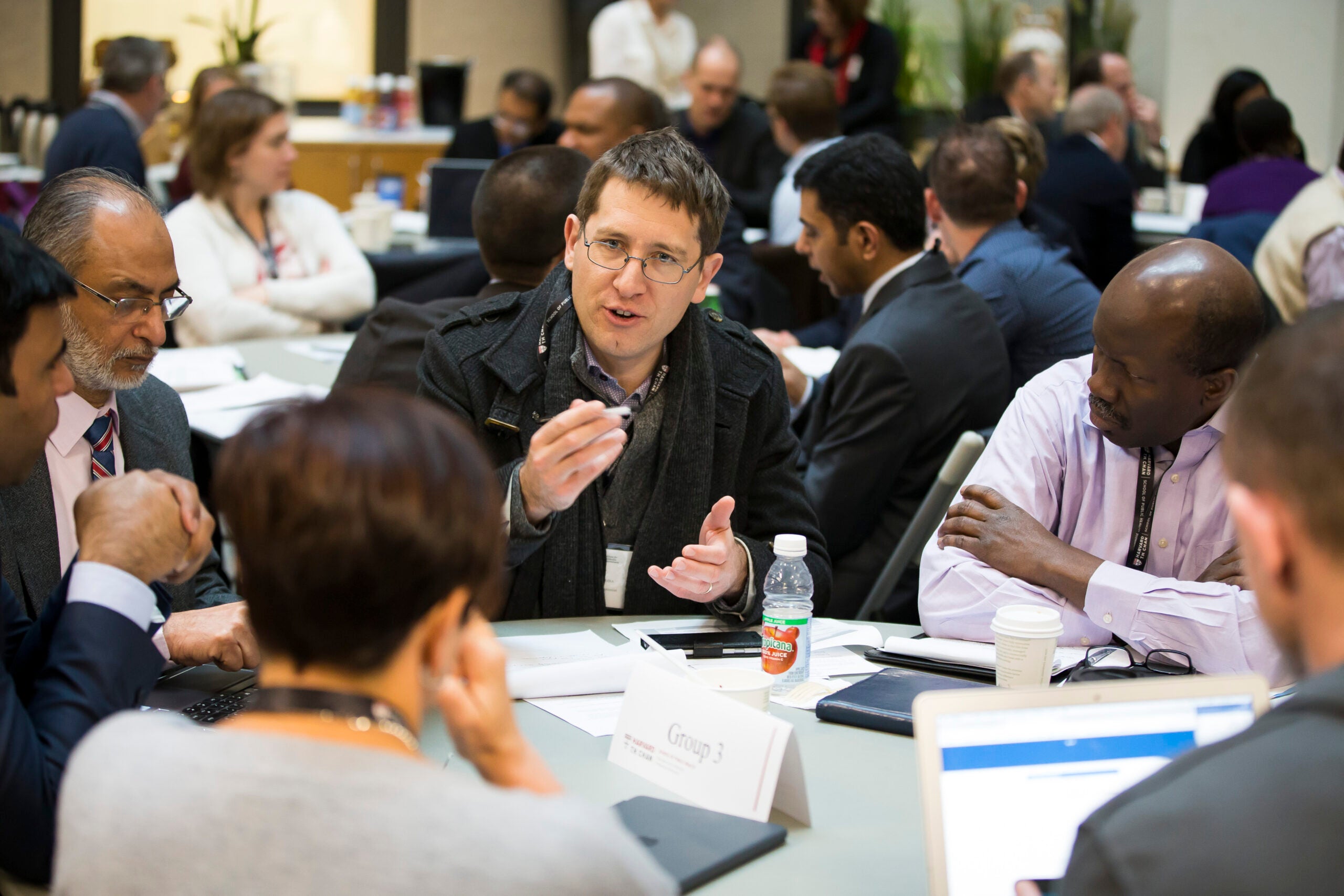
This immersive 2-day on campus course will involve a mixture of short lectures and practical applications. Each day will involve a deep dive into a particular health crisis, and end with working in small groups on a decision memo. The course culminates in a tabletop exercise where you will be the senior leaders making the hard decisions regarding a fictitious (but closely recognizable!) health emergency.
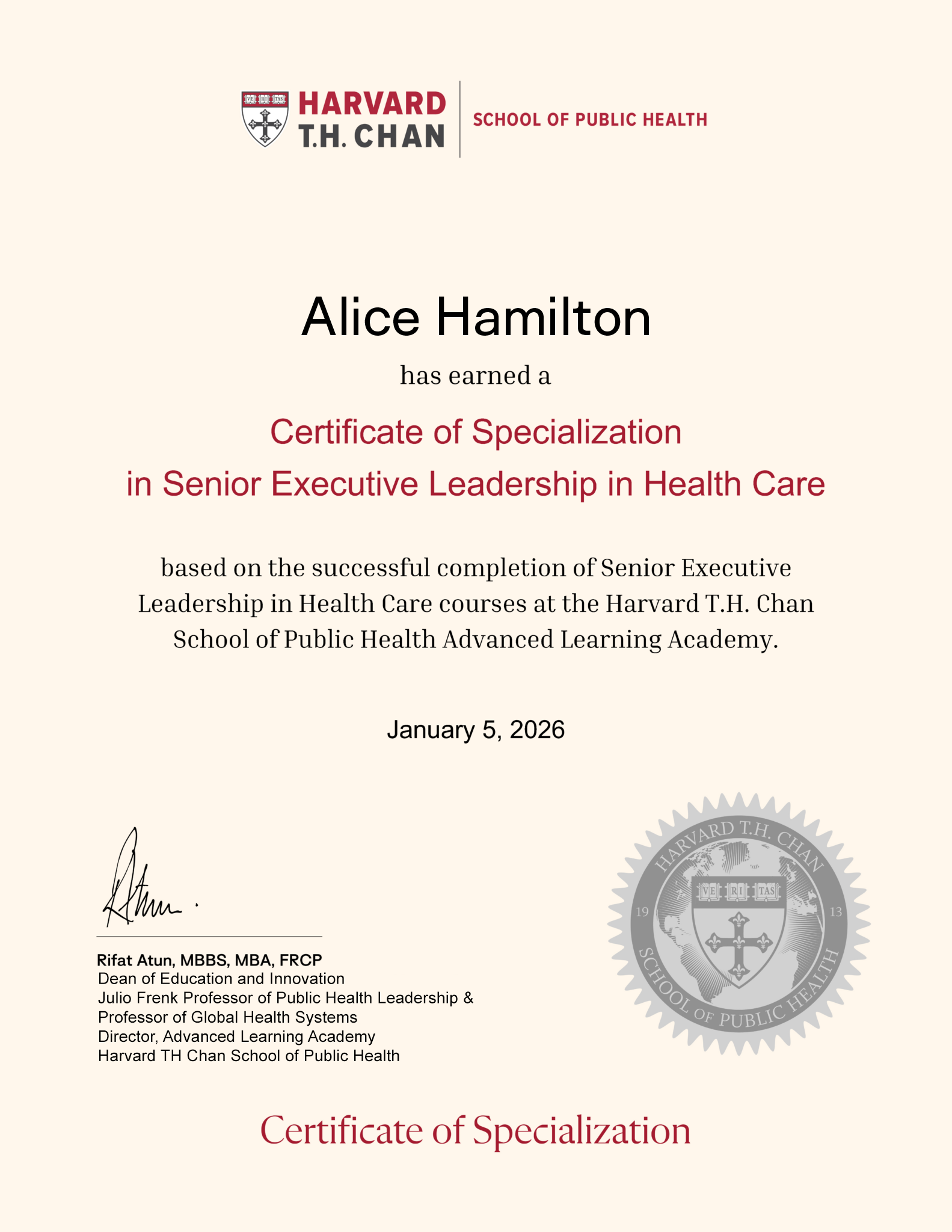
This program also contributes to the Senior Executive Leadership in Health Care Certificate of Specialization, among others. While each program can be taken independently, completing multiple courses in our portfolio earns the Certificate of Specialization.
Elevate your career with health care AI: combine AI in medicine, AI clinical practice, and business strategy through a specialized healthcare AI certificate.
Certificate of Specialization
Earn a Senior Executive Leadership in Health Care Certificate of Specialization
Take this program to earn a Certificate of Completion, or take 3 to earn a Certificate of Specialization. Learn more here.