Building a career at the intersection of social work and public health
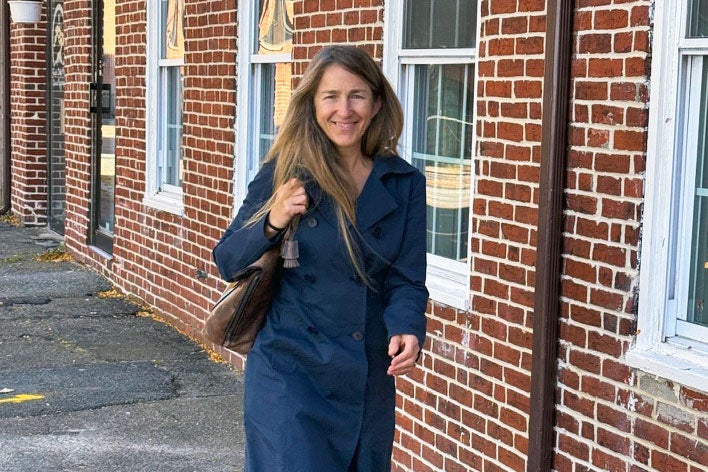
Erina White, MPH ’11, recently shared why she came to Harvard Chan School to study maternal and child health after a decade doing social work—and how the experience shaped the next chapter of her career. White is co-founder of the virtual peer-support community You Have a Village, a psychotherapist in private practice, and a faculty member at the University of New Hampshire.
Q: Why did you decide to earn a degree in public health?
A: I have consistently wanted to help create positive change in the world but have vacillated between focusing my efforts at the individual level and creating impact on a larger scale. I love doing therapy because I can see clients’ growth firsthand and know my actions directly support positive change. At the same time, I get easily frustrated by the feeling that I am only ‘saving one starfish at a time,’ which leads me to gravitate to solutions further upstream.
After earning my master of social work degree, I worked with clients for about a decade before I realized that I wanted to learn how to incorporate public health approaches to address mental health challenges on a broader scale.
Q: Why did you decide to come to Harvard Chan School?
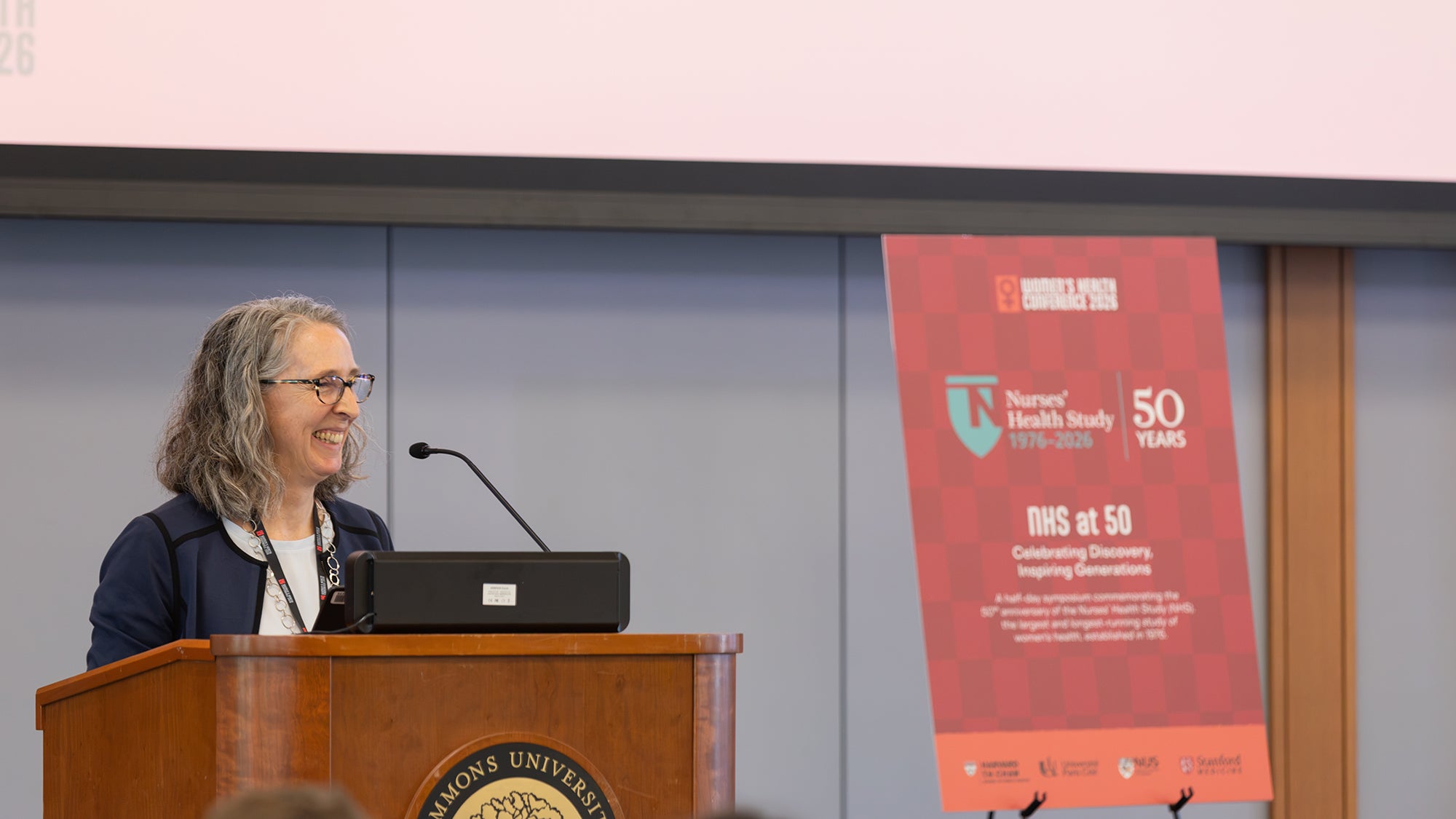
A: While I was pursuing a PhD in social work from Simmons University, I learned that there was an opportunity at that time for students in the program to earn an MPH degree at Harvard Chan School. It was the perfect chance to explore how social work and public health could work together to address mental health challenges at both the individual and global levels.
Q: What’s something you’ve learned about the connection between public health and mental health that has stuck with you?
A: Some of the most effective ways to tackle our global mental health crisis are not individual. Reducing access to firearms, installing bridge barriers, promoting suicide crisis hotlines, and incorporating depression and suicide risk surveys into routine medical appointments can have far-reaching positive consequences.
These interventions demonstrate how small systemic changes can improve mental health outcomes on a much broader scale than individual treatment alone.
Q: What would you tell someone with a social work background who is considering enrolling at the School?
A: I tell everyone—students, faculty, and interns alike—that the best degree I ever received was my MPH. It fundamentally changed the way I think about facilitating positive change in the world.
While I learned a tremendous amount of research, facts, figures, and data, I believe the degree’s greatest value was shifting how I approach problems. It changed the way I think. I am now much more creative and strategic in how I conceptualize mental health challenges and develop solutions to address them.
Q: How did your degree/experience at the School impact your career trajectory?
A: Following my MPH, I worked on several suicide prevention studies and became an early member of a startup focused on developing innovative approaches to mental health. I also founded a parent support group to address parent/family mental health in a way that was more accessible, affordable, and scalable than traditional treatment modalities. I teach a suicide prevention course in the master’s program at the University of New Hampshire, which draws heavily on public health strategies and population-level approaches.
Currently, I divide my time between teaching and private practice, but I am never far from thinking about upstream solutions to mental health challenges. I have several entrepreneurial and public health ideas continually bubbling in my brain, and I can see myself pursuing some of them in the future.