Zakaria Mohammed is a Rose Service Learning Fellow and a Master of Public Health candidate in Health Management.
Arriving in Kigali
The first thing that surprised me about Rwanda was the air, a quiet I hadn’t expected.
I had a layover in Cairo, and I remembered stepping out of that airport: the heat pressing in immediately, thick with exhaust and spice and noise, the city grabbing you by the collar before you had even found your bearings. Kigali was entirely different. When I walked out of Kigali Airport into the January evening, the air was cool and clean, carrying the faint green scent of rain-soaked hills. The car park was orderly, almost serene. Drivers stood quietly beside their vehicles, holding cards. No one pushed. The road into the city was smooth and lined with bougainvillea, the hills rolling away in every direction, dark and lush against the last of the light. I had been fascinated by Rwanda long before I arrived. A country that in 1994 endured one of the worst atrocities in modern history, and then, with extraordinary deliberateness, chose to rebuild. Not just its roads and institutions, but something harder to name: a shared sense of what it could become.
Meeting the Team
My Rose Service Learning Fellowship was with the Ubuntu Center for Peace, and my first meeting was with its co-founder and Executive Director, Dr. Jean Bosco Niyonzima, a quietly commanding man whose warmth you feel before he has finished his first sentence. Jean Bosco lost family in the genocide. He has spent the decades since building something that might, in its own way, answer it. Along with Aline Gaju, Ubuntu’s Executive and Programme Coordinator, and a deeply committed team who move with the easy familiarity of people who have been through something together, Jean Bosco has created an organization that feels less like an NGO and more like a family with a mission.
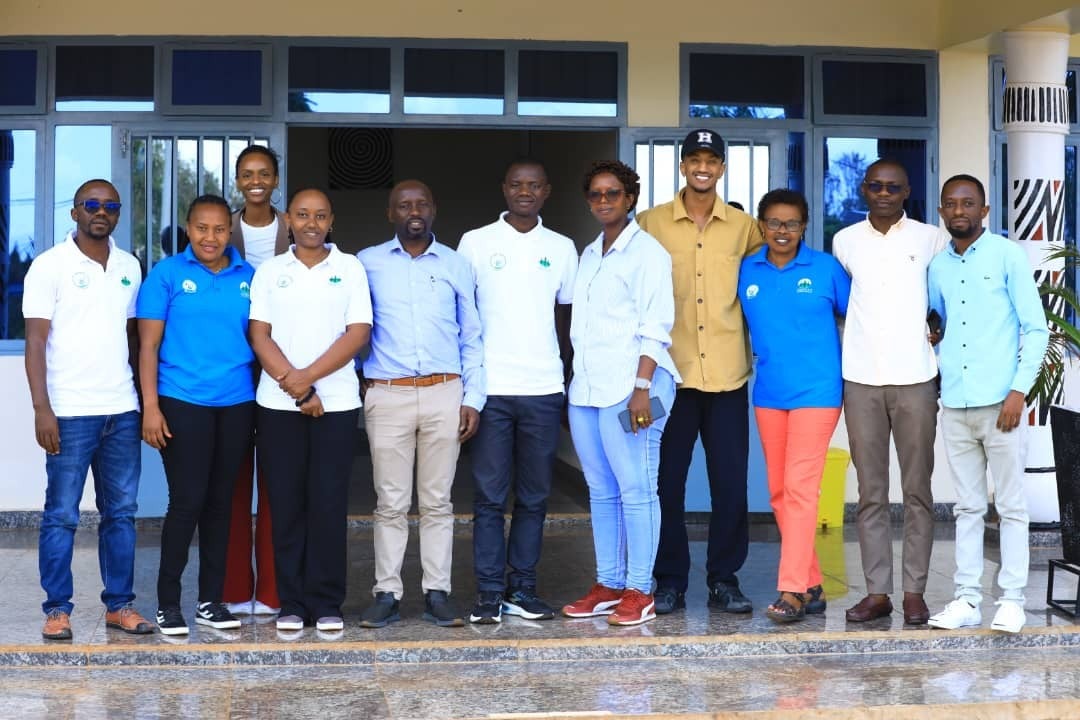
The Ubuntu Center for Peace team, including Dr. Jean Bosco Niyonzima (fifth from left), Aline Gaju (third from left, back row), and Zakaria (fourth from right)
That mission is built on a deceptively simple idea: that healing from trauma is not only a clinical process, but fundamentally a social and relational one. Ubuntu trains ordinary community members (teachers, farmers, neighbours) to facilitate 15-week healing circles for trauma survivors across Rwanda through its Community-Based Social Healing (CBSH) model. The philosophy comes from a Nguni Bantu concept: ubuntu, meaning “I am because we are.” The organization has reached over 30,320 people at around $24 (USD) per participant, and its model is now being piloted for integration into Rwanda’s primary health care system in partnership with district authorities and health system actors.
My role was to explore how the Community Healing Assistants (CHAs) who facilitate these circles were experiencing the work, and what Ubuntu might do to sustain them as the programme scales.
Inside the Circle
Before I ran a single focus group or wrote a single field note, I sat in on a healing circle in Gacurabwenge, in Kamonyi District. I want to try to describe what that was like, though I am not sure I have the right words for it.
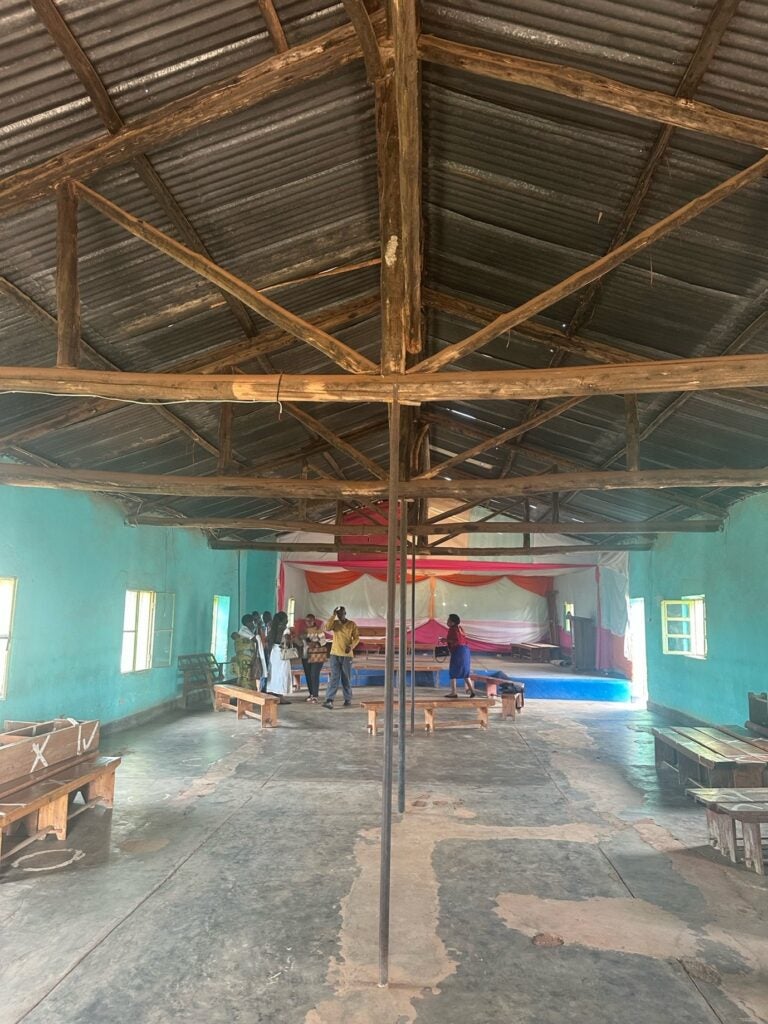
The church in Kamonyi District where community healing circles are held
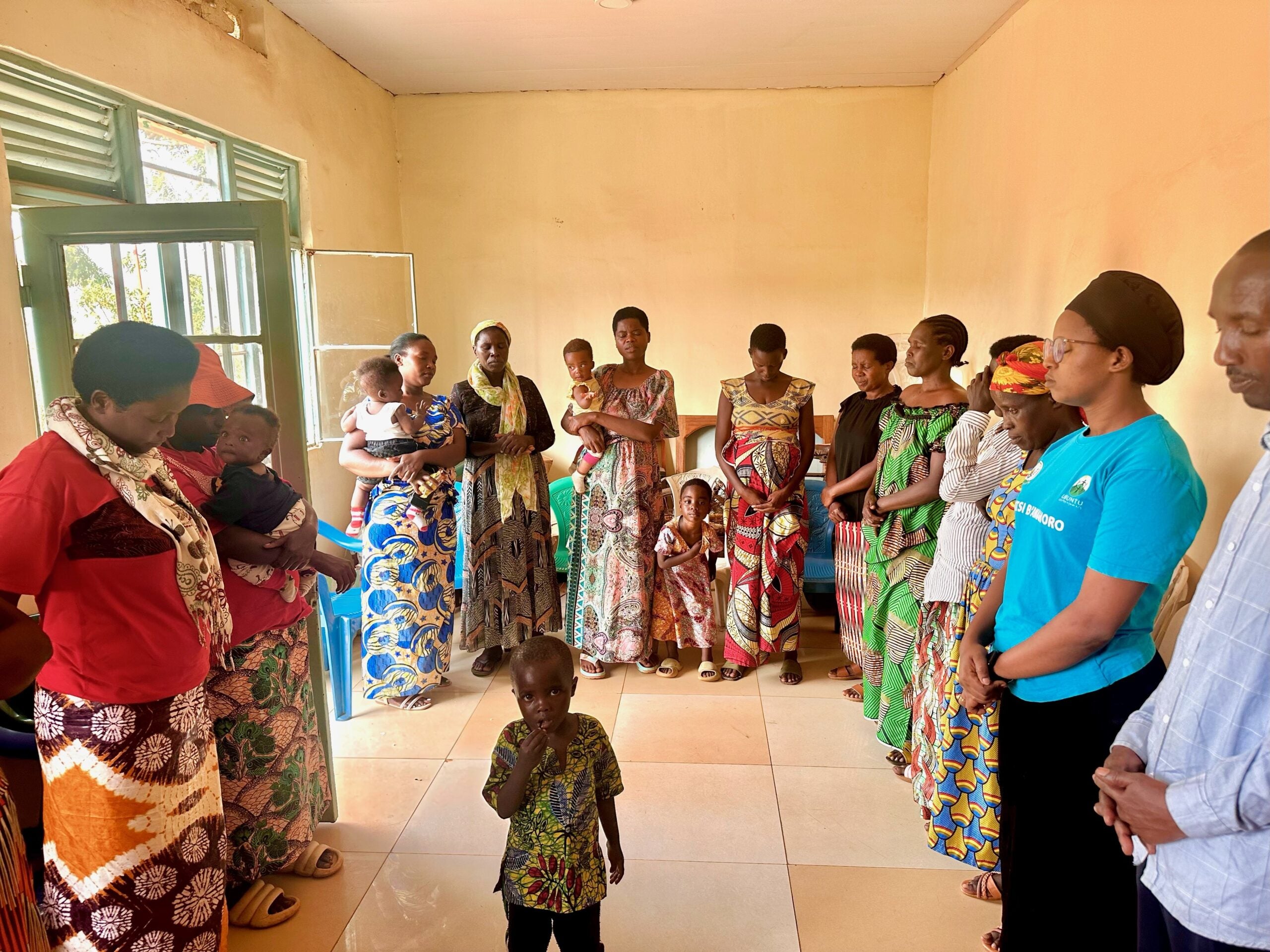
The circle was held in a church. Not a grand one, a wide, open-sided building with turquoise-painted walls, a corrugated iron roof carried on rough wooden beams, and a concrete floor worn smooth over years. Light fell through unglazed windows in long pale rectangles. Outside, through the open walls, you could see red laterite earth, pine trees standing in the heat haze, and the hills of Kamonyi rolling away into the distance, fold after fold. Inside, wooden benches had been pulled into a loose oval. About fifteen people sat together, most of them women, a few men, ranging from perhaps twenty to sixty years old. The CHA who facilitated wore the organization’s pale blue shirt. She opened with a breathing exercise, leading the group through slow, deliberate breaths, hands resting open on their knees. The room, which had been quietly restless, settled. Something in the air changed.
Over the weeks of a healing circle, participants learn to name their emotions, to sit with discomfort rather than flee from it, to map their story using a methodology called the Tree of Life. They sing together, witness each other, and when someone is ready, they share.
That morning, a young woman spoke.
Her mother was Tutsi, her father Hutu. She grew up in a household fractured by that fact, her father’s shame turning, regularly, into violence against her mother. Her parents eventually separated. She was a good student, she said, and when she finished secondary school she went to find her estranged father to share the news of her results. He met her with a machete.
She survived. But she carried the scar of it – and something harder to see than a scar, a fury that had calcified into shame, and then into withdrawal. She had held the rage so long it had begun to feel like the only solid thing inside her.
Then she joined the circle.
She described what the weeks had given her, not a resolution, but a language. A way of naming what she felt without being consumed by it. People who placed both hands on their hearts when she spoke, the circle’s gesture for: I am here, I hear you, you are not alone. She said she had forgiven her father. Not for him. For herself.
By the time she finished, the room was very still. Around me, hands had gone to hearts, not on cue, not performed, just there. I found my own hands doing the same before I had decided to move them.
The River
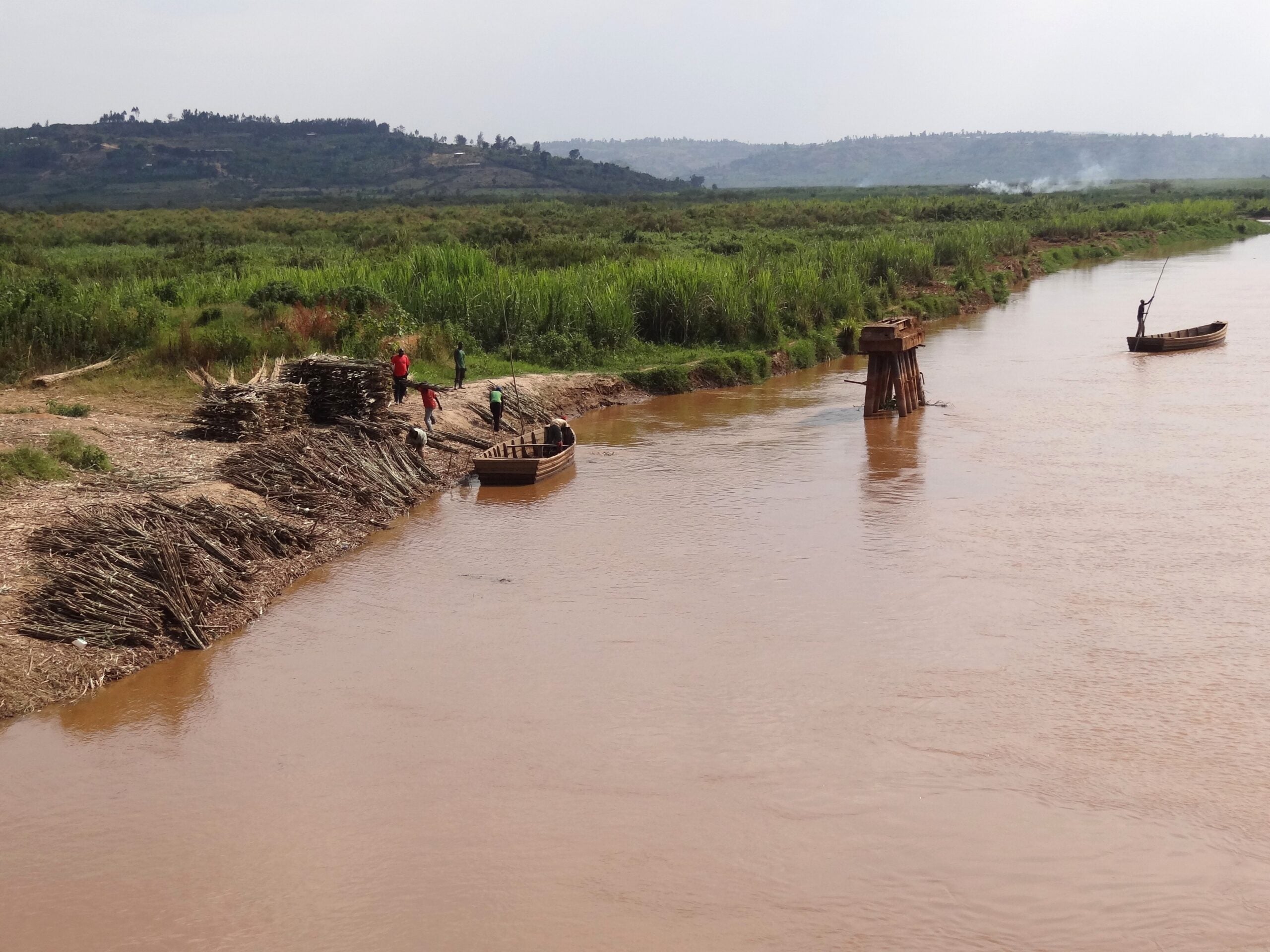
One afternoon, driving through the hills outside Kigali with a member of the Ubuntu team, we crossed a bridge over the Nyabarongo River. Wide and brown, it moved slowly between banks of thick green reeds.
The Nyabarongo River, Rwanda. Photo by Adam Jones (CC BY-SA 2.0)
My colleague went quiet. Not the quiet of someone composing their thoughts – the quiet of someone encountering something.
I asked if she was alright.
She paused, then said: her mother had been thrown into that river during the genocide. The killers had told her she was from somewhere else, and that this river would take her back to where she came from.
She said it without drama, looking straight ahead. Just, this is what happened here. This is the water we drive past.
I did not say anything for a while. There was nothing to say. What I felt, sitting beside someone who carries that and still shows up every day to build something that heals people, was something I do not have a clean academic word for. Humility is close. Awe is closer.
What I Carry Home
I arrived in Rwanda convinced I had a head start. I am a British-Eritrean physician, raised by parents who fled conflict, with time spent in humanitarian settings and working in psychiatric wards. I told myself, without examining it carefully enough, that shared histories of hardship gave me some intuitive proximity to what I was walking into. Rwanda corrected me on this, gently, but thoroughly. Feeling close to a context can quietly become a way of not really listening to it. In between the circle in Kamonyi and the drive over the Nyabarongo, I ran focus groups and interviews across two districts, synthesised data, and presented findings to Ubuntu staff and government officials. The insights I had planned to find mattered. But the ones I had not planned for mattered more.
Proximity alone does not produce understanding, it requires slowing down, listening carefully, and remaining open to the possibility that one’s assumptions may be wrong.
I came to Rwanda thinking I had something to offer. What I did not expect was to leave feeling quietly schooled, not in the way that stings, but in the way that opens something up. The CHAs I met carry histories of their own and still show up, week after week, for their communities. They are not intermediaries between a health system and a population. They are the thing itself.
Watching them, I understood something no classroom had quite managed to teach me: the most important infrastructure in community health is not the protocol, the platform, or the policy brief.
It is a person who keeps coming back.
The Ubuntu Center for Peace is a Rwandan community-based organization delivering Community-Based Social Healing (CBSH) and trauma recovery through trained Community Healing Assistants (CHAs). The model is increasingly being explored as a scalable approach to community mental health in low-resource and post-conflict settings. Learn more at ubuntucenterforpeace.org.
Our community is mourning the loss of Dr. Victor De Gruttola, Professor of Biostatistics, Emeritus, and former chair of the Department of Biostatistics, who passed away on March 18.
For more than 50 years—beginning as a student in 1972—Victor helped shape both the department and the field of biostatistics. He was a pioneering scholar whose work fundamentally advanced the world’s understanding of infectious diseases, particularly HIV/AIDS, and was rooted in a fierce commitment to confronting injustice, protecting the vulnerable, and advocating for those who needed it most.
Victor changed so many lives, including those who worked alongside him. He embodied the values of his work—leading with kindness, empathy, and a calm and gentle presence that made others feel seen and valued. He will be remembered as a generous collaborator and colleague whose career was defined by passion, curiosity, partnership, and unwavering integrity. His impact will endure in the generations of scientists he guided and inspired.
Dean Andrea Baccarelli has shared a full remembrance of Victor’s profound legacy, available to read here.
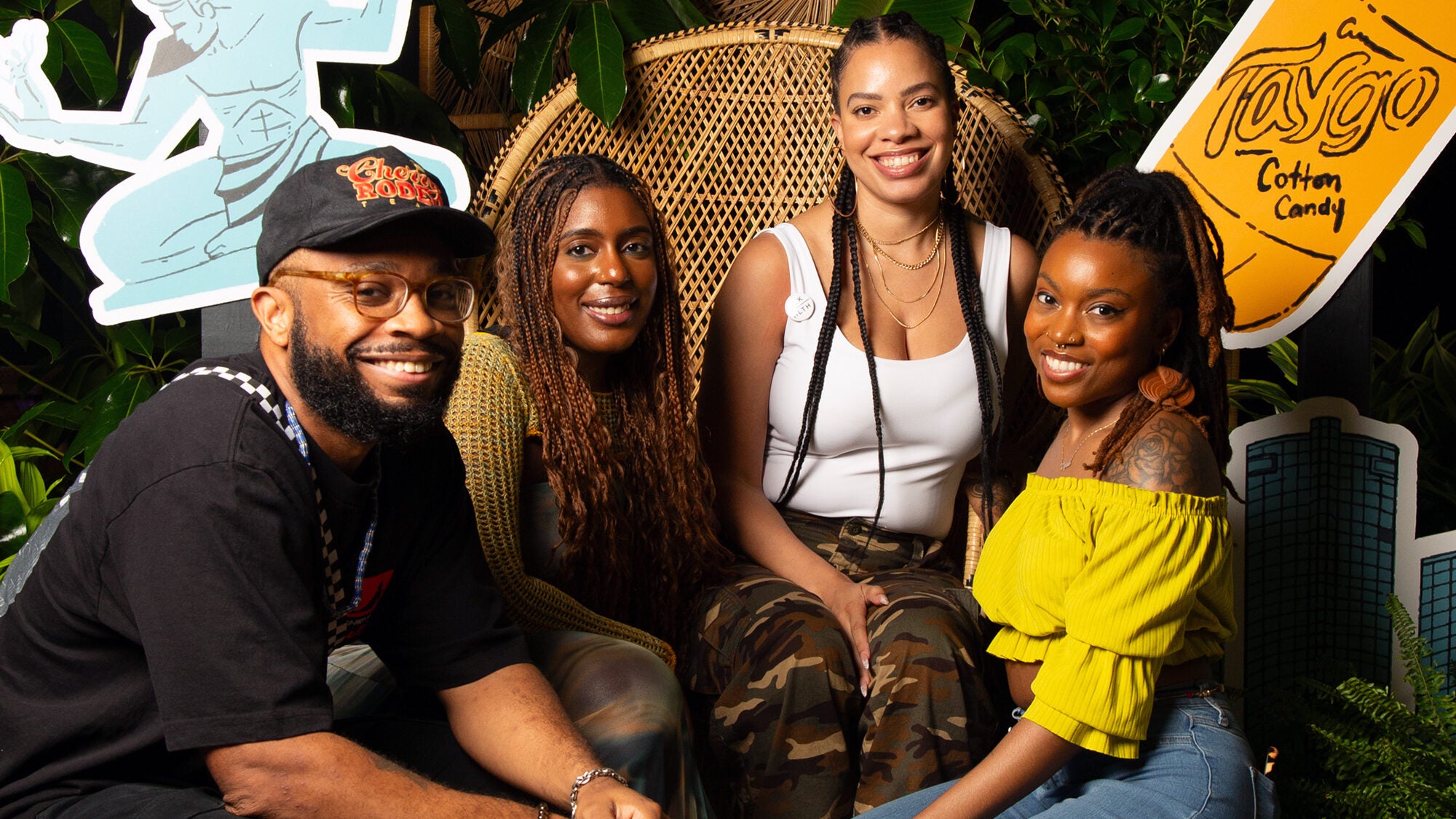
BLKHLTH, a nonprofit founded by Matthew McCurdy, DrPH ’28, was selected as one of 25 finalists in the 2026 Harvard President’s Innovation Challenge. Finalist teams were announced by Harvard Innovation Labs on March 27. BLKHLTH—which aims to advance health equity in Black communities through education, advocacy, research, and programs—will compete for up to $75,000 in prize money at the May 6 awards ceremony. McCurdy recently spoke about his organization and how the Innovation Challenge is helping him refine his vision.
Q: How did BLKHLTH get started?
A: I met my co-founders [Khadijah Ameen, Mercilla Ryan-Harris, and Paulah Wheeler] at Emory University’s Rollins School of Public Health during our MPH program. This was in 2014, and we were noticing the discourse around police brutality in Black communities. At the same time, our courses were talking about racial health disparities but not really getting at the root causes— systemic and institutional racism. And we didn’t hear a ton of solutions, which really frustrated us. So, we started organizing on campus and shortly after graduation in 2016 started BLKHLTH. I became the full-time executive director in 2021.
At that time, there was a lot more attention on racial health equity work because of the disparities that folks saw during the COVID-19 pandemic. That was also around the time of the murder of George Floyd and other instances of state-involved violence. This renewed attention to our cause, and with it came funding. Our first big opportunity came that year to do work around colorectal cancer screening in Black communities. We partnered with Cottonelle to distribute around 20,000 screening kits across 49 states and pay for 300 colonoscopies for uninsured and underinsured patients.
Q: What are some of the challenges that you faced in growing the organization?
A: I thinkit’s tough for any nonprofit organization to figure out where funding is going to come from. When you are constantly chasing dollars, it’s really hard to stay attuned to mission. And it’s been a blessing but also a challenge to build an organization with friends. Life happens. People go back to school or have kids, and those relationships are tested. But I think we’re fortunate that we have a strong team built on a foundation of trust and mutual accountability.
Our current political moment is a real challenge, as well, as we see the rollback of equity efforts and the destruction of public health infrastructure. This means that our organization is needed even more, but there are fewer resources to do the work.
Q: What makes you proud about BLKHLTH and what you’ve accomplished so far?
A: Every time that we host an event or I’m out in community, it’s reflected back how much we’re needed—whether it’s delivering resources, culturally tailored education, or health experiences that exist outside of health care facilities. We’ve been particularly successful in places like Atlanta, where the organization was founded, and are also now working in Johannesburg, South Africa. We know that many people feel hesitant to engage with the health care system because of both personal experiences of racism and the historical legacy of racism in health care. That is why we create culturally affirming, community-based ways for people to engage with health, while also working with legacy institutions toward greater accountability.
We recently partnered with Amgen to host cholesterol screening at the Congressional Black Caucus Annual Legislative Conference, where we reimagined the bodega as a space for health and well-being. Our broader vision is to build permanent health opportunities in communities that make care and health resources more accessible in non-traditional settings.
This culturally affirming model has an impact. In partnership with the CDC Foundation to distribute a series of materials around maternal morbidity—early warning signs that something may be wrong for the mother. The materials they had didn’t have culturally responsive images, so, we worked with an artist to redesign them, and have distributed them at events across the country.
We had a staff member at the time who was pregnant and realized she was experiencing symptoms mentioned in the materials. She immediately called her physician and got care. That’s just one small example, but we’ve heard numerous other stories like it. We’ve seen that when we create things with our intended audience in mind, it can help them start to reflect on their own health behaviors and symptoms and maybe make some changes.
BLKHLTH has also been doing quite a bit of advocacy capacity building through the BLKHLTH Community Advocacy for Racial Equity School (CARES), our advocacy fellowship program for the next generation of health professionals. Over the past three years, more than 100 fellows have learned how to translate their lived experiences and stories into policy recommendations.
Recently, CARES fellows joined us at our inaugural BLKHLTH workforce day at the Georgia Capitol to advocate for protecting current and future Black health workers. Throughout the day, fellows learned about the Georgia legislative process and educated their state legislators about key issues impacting them, including workforce pipeline development, health sciences infrastructure, licensure and reimbursement reform, workforce benefits and protections, and workforce basic needs. Fellows also participated in a press conference with Health Students Taking Action Together to announce the introduction of legislation to establish single-payer health care in Georgia.
Q: What brought you to Harvard Chan School for your DrPH?
A: I came here looking for ways to scale my impact and learn the avenues through which we can actually implement and effect change. The combination of the rigorous public health and leadership training in the DrPH program, and the network and resources of the broader Harvard ecosystem really attracted me. I think the program has helped me re-examine the path forward and the role that I can play.
Q: What has participating in the President’s Innovation Challenge done for BLKHLTH?
A: Our organization was already undergoing change, and the Challenge has really supported me in articulating the new vision. We started off delivering services and programs to people. We’re moving towards more of a capacity-building, systems-change organization. I think the process of refining our pitch for the judging portion of the competition has certainly helped and I’ll do quite a bit more of that over the next few weeks.
Q:What are your goals for the organization moving forward?
Q: In the short term, we’re looking to really narrow in on a strategy and identify partners, opportunities, and resources aligned with that strategy. The long-term goal is continued impact. We want to see improved health outcomes for Black communities. We want to see empowered communities who are affecting policy and program change. And we want to enable a movement toward health equity for Black people.
About The Author
Amy Roeder
Senior Editor, Harvard Chan Magazine; Senior Writer in the Office of Communications
Receiving deliveries of free groceries tailored to the low-sodium DASH (Dietary Approaches to Stop Hypertension) diet helped Black adults being treated for hypertension lower their blood pressure (BP), according to results from the GoFreshRx randomized trial. Reductions persisted during the three months following the trial, which was led by Stephen Juraschek, associate professor in the Department of Nutrition at Harvard T.H. Chan School of Public Health.
The results were published March 28 in Nature Medicine.
The trial enrolled 176 Black adult residents of Boston communities with few grocery stores who were being actively treated for hypertension. They were randomized to receive either 12 weekly deliveries of DASH groceries with dietitian counseling or three monthly $500 stipends to buy groceries.
The patients’ mean baseline BP was 130.5/77.8 mm Hg. (Less than 120/80 mm Hg is considered normal.) After 12 weeks, there was a mean 7 mm Hg reduction in systolic BP (top number) and 1.8 mm Hg reduction in diastolic BP (lower number) in the group that received the DASH groceries. Those in the control group also saw a small reduction in their systolic BP. Although BP increased in both groups over the three months following the intervention, the differences from baseline remained significant, according to the researchers.
Juraschek said in a March 29 Healio article that he and his colleagues are exploring conducting this intervention on a wider scale with support from the American Heart Association.
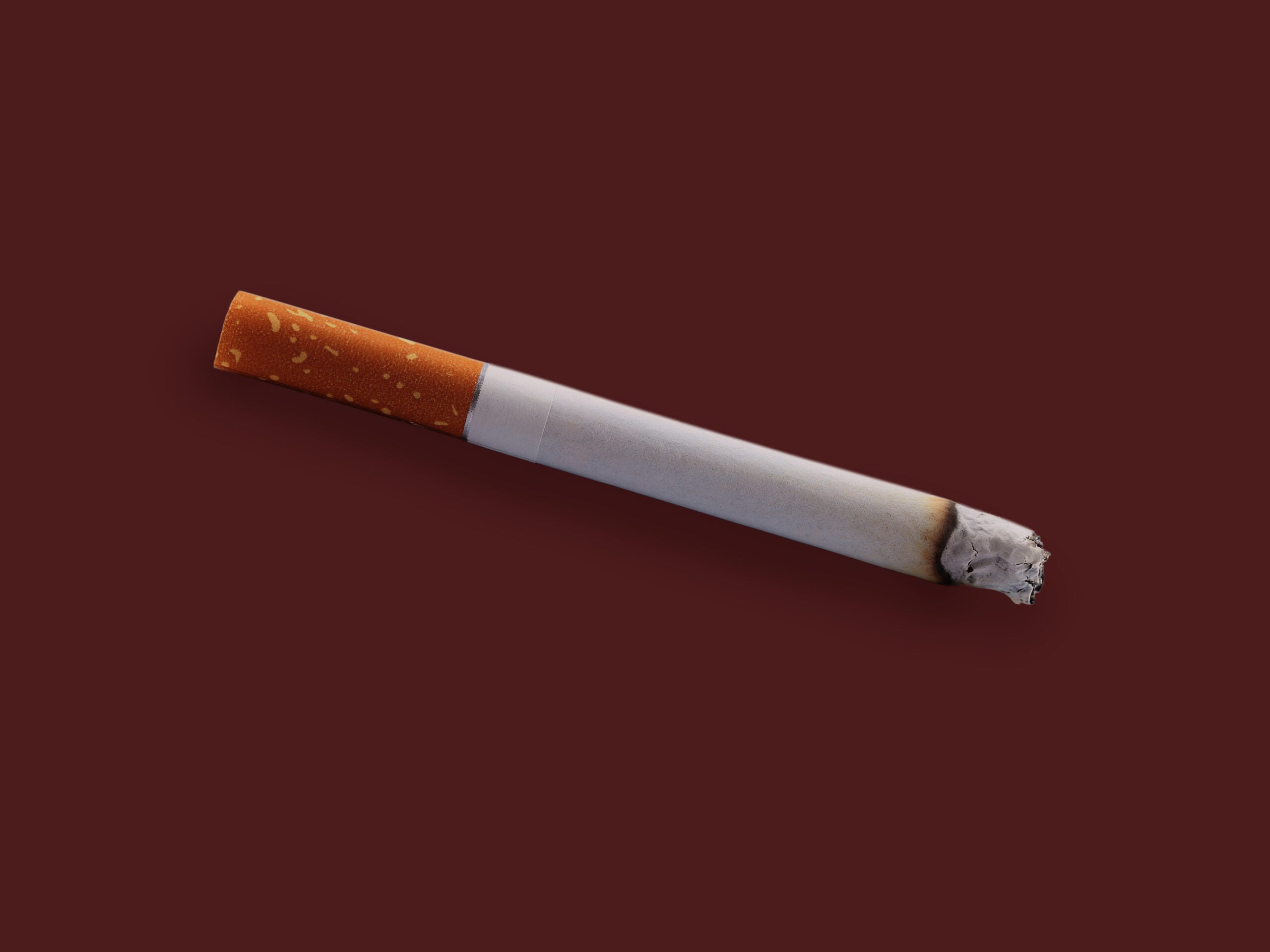
How many Americans use tobacco, and how? Every year, the federal government answered these questions—until now. Last spring, the federal Office of Smoking and Health (OSH), a division of the Centers for Disease Control and Prevention, was shuttered, meaning that U.S. health officials are no longer informing the public on smoking rates or guiding policymakers on where to focus tobacco control efforts. Federal data on tobacco use is still being collected through national health surveys, but federal analysis and advice have ground to a halt.
Academic researchers have stepped in to fill the void. One recently published a report in NEJM Evidence that found that in 2024, the cigarette smoking rate among U.S. adults fell to 9.9%—an all-time low.
Is a drop to 9.9% a major public health victory? And does it matter that this statistic didn’t come from the federal government? Harvard T.H. Chan School of Public Health’s Vaughan Rees, senior lecturer on social and behavioral sciences and director of the Center for Global Tobacco Control, weighs in.
Q: What’s your reaction to the 9.9% adult cigarette smoking rate?
A: Of course, nearly 1 in 10 adults smoking is still too many. But we have to understand this figure in context. In the mid-1960s, at the peak of tobacco use in the U.S., nearly half of adults smoked cigarettes. For that to have decreased to 9.9% signals enormous progress. It means millions and millions of lives saved.
That said, I think we need to approach this news with some caution. There are massive inequities within the 9.9% of Americans who smoke cigarettes, with marginalized groups disproportionately represented. People in the lowest income strata and those with the lowest levels of educational attainment smoke at three or more times the rate of the general public. We see similarly high rates among sexual and gender minorities, people who are unhoused or unstably housed, and people with substance use disorders, mental health disorders, and/or a history of incarceration. For several decades, we’ve seen little or no change in smoking rates among these groups, even while the smoking rate has declined in the general population. So while this new rate of 9.9% is gratifying in a way, it also serves to remind us that there remain major disparities in cigarette use that must be addressed urgently—to protect the most vulnerable from the immense health burdens imposed by tobacco.
Vaughan Rees
Q: The NEJM Evidence report also found that the 9.9% rate nearly doubles when we include U.S. adults’ use of e-cigarettes, nicotine pouches, and other non-cigarette nicotine products. What’s your reaction?
A: It’s certainly concerning that more than 18% of American adults are using nicotine products. Many of the disparities I mentioned earlier are present in this figure, as is the fact that use of non-cigarette nicotine products is increasing among young adults ages 18 to 25. All of these products drive nicotine dependence and some contain substances that are associated with health risks, including respiratory problems.
However, it’s worth noting that nicotine products exist along a continuum of risk. They don’t all have the same health risks. Products like e-cigarettes and nicotine pouches aren’t considered safe, but they are significantly less risky than combustible cigarettes. I would never advocate for a non-smoker to start using these products, but for adult smokers who have not been able to quit using conventional methods, non-cigarette nicotine products provide a viable way to reduce the health risks of smoking. From a harm reduction perspective, this may represent a public health gain.
Q: Are there potential issues with the new report’s statistics given that they weren’t produced by federal health officials as in the past?
A: I absolutely trust the report. Its author, Israel Agaku, is an outstanding epidemiologist and former senior member of OSH—who also happened to spend some time here at Harvard Chan School. His analysis, published in a reputable journal, represents high-quality science. The only problem is that it may not have the same level of reach or impact as its predecessors coming directly from OSH. Members of OSH published their analyses in the CDC’s Morbidity and Mortality Weekly Report (MMWR), a critical instrument for communicating epidemiological data in the U.S. Policymakers often turn to MMWR to understand current trends in smoking and shape public health interventions accordingly. The loss of federal capacity to undertake analyses and share them in a high-impact way is significant. It’s just one example of why the closure of OSH is such a loss and an enormous disservice to the American public.
Q: What other important OSH functions have been lost?
A: Beyond conducting and publicizing data analyses to help us understand the shifting landscape of tobacco use in the U.S., OSH coordinated tobacco control efforts through federal and state health agencies. Many of our most successful strategies to make smoking less accessible and less cool ran through OSH in some manner: public education around the harms of tobacco use; restrictions or bans on tobacco marketing, particularly advertisements targeting young people; the adoption of clean air laws restricting where cigarettes can be smoked; the availability of cessation programs and resources, such as telephone quit lines; state-level excise taxes on tobacco products; and restrictions on tobacco sales to youth. Thankfully, federal funding for tobacco control has been restored. But without also reviving OSH, we remain without a guiding agency to ensure that our limited resources are applied coherently for greatest impact. We know tobacco control policies work, and we know how to improve upon them. But without OSH leadership, they won’t be coordinated. We’re left with a patchwork of responses to this huge problem and no coherent strategy.
Q: Is there a risk that the rate of cigarette smoking will tick upward in the wake of the OSH’s closure?
A: Smoking is not a public health problem that will resolve on its own. As long as the tobacco industry remains profitable, there will be powerful interests working to promote cigarette use among Americans, especially young people. Without concerted efforts to oppose those interests, we will see a gradual reversal of the gains we’ve made. I have no doubt about that. We need resources—chief among them a trained, professional workforce, like we had in OSH—to protect the next generation and beyond.
About The Author
Maya Brownstein
Media Relations Manager in the Office of Communications
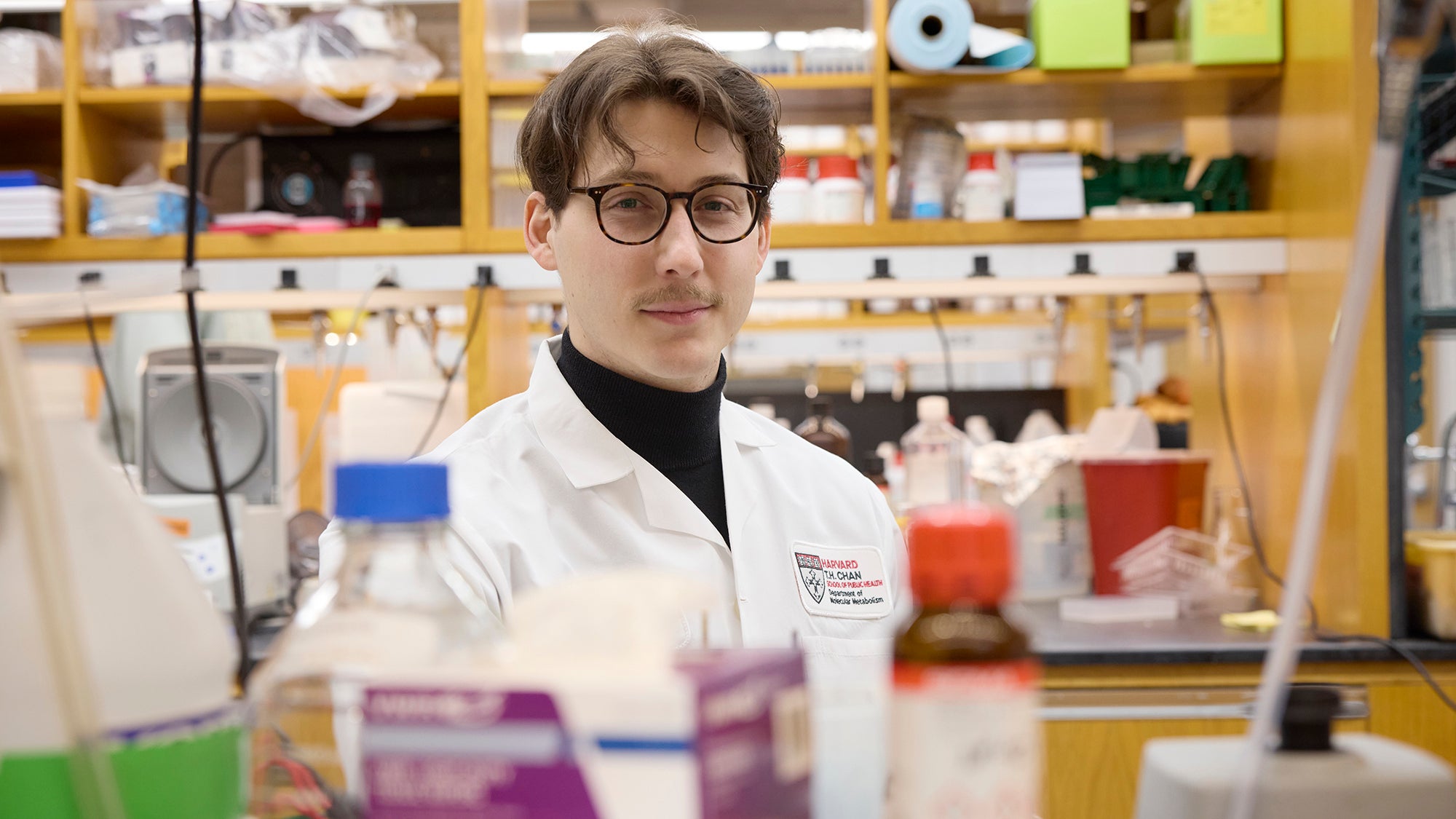
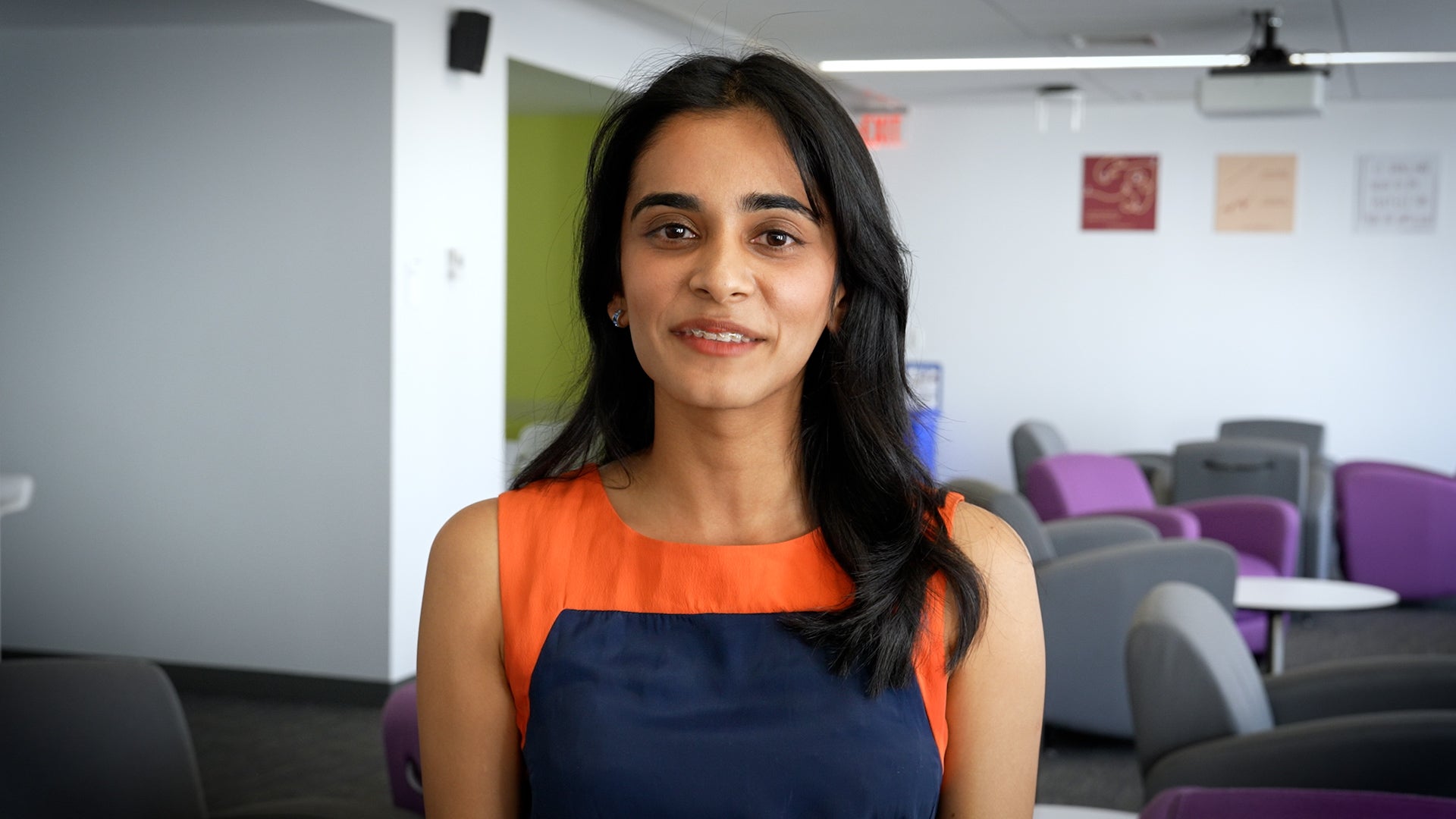
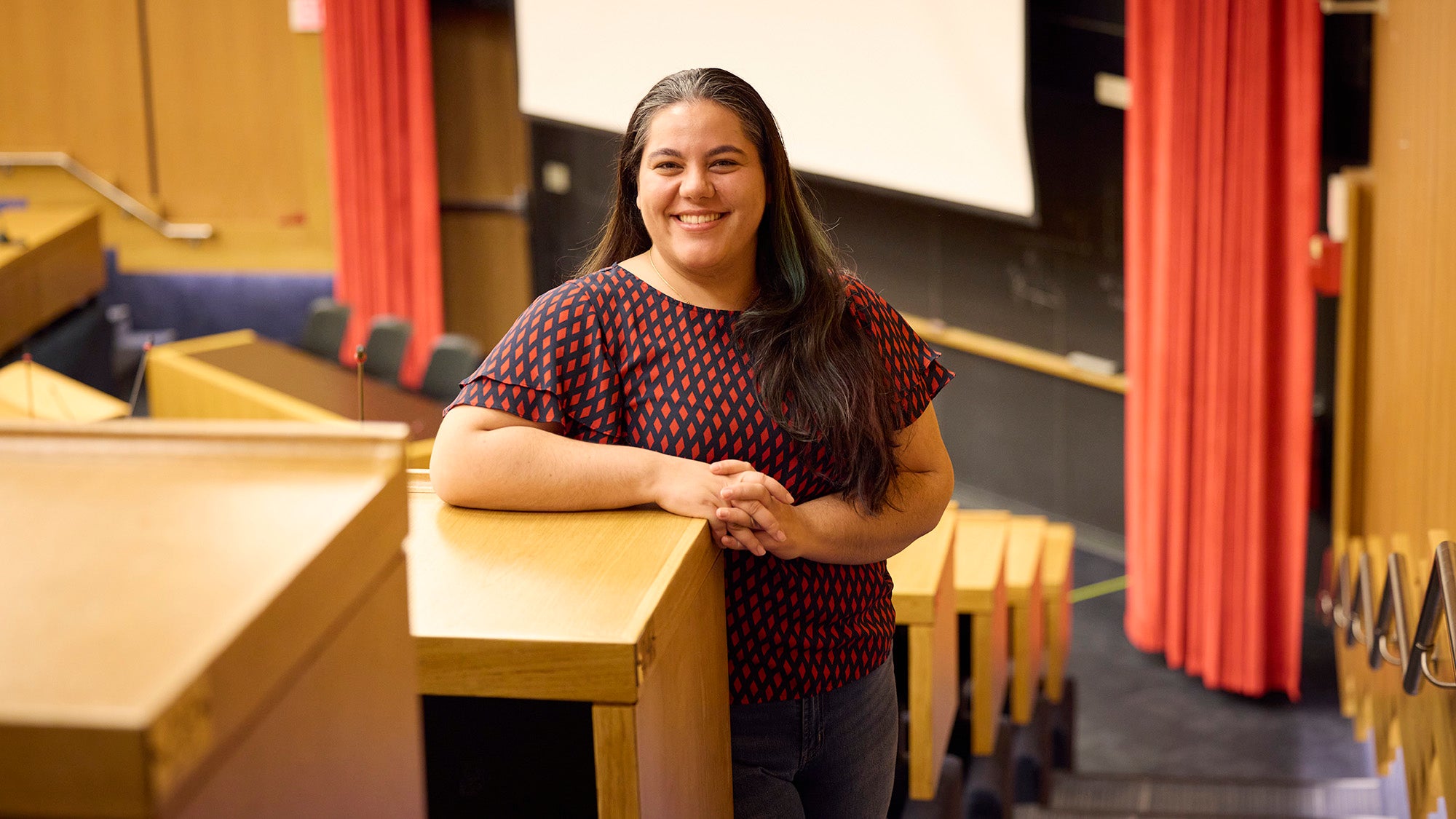
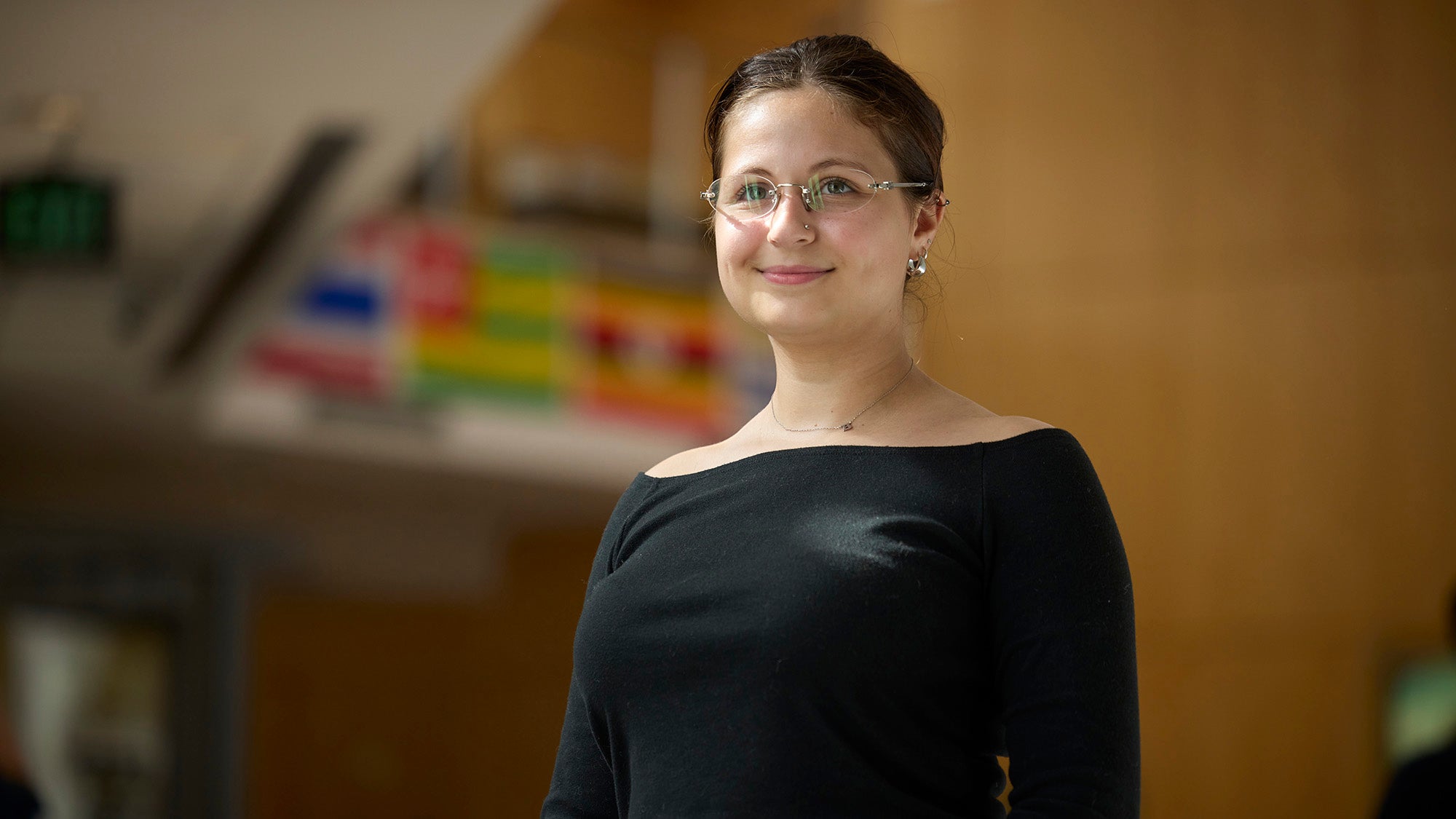
Sanchita Gera, an MPH student in quantitative methods, wants to address social and environmental determinants of health, with a focus on climate change.
Mojdeh Mostafavi, MPH ’26, has seen firsthand the ways the health system is not geared toward helping people like her brother with autism. She aims to change that.
Isabella Pabón, SM ’26, once thought she’d be a writer. Now she’s on track to earn a master of science in computational biology and quantitative genetics from Harvard Chan School.
Emergency medicine physician Dusadee Sarangarm joined the MHCM program to learn about key elements of health care management that aren’t taught in clinical training.
For Gene Pozas, SM ’26, public health is a journey shaped by family, mentorship, global experiences, and a commitment to education A child of Cuban immigrants, Pozas grew up in…
Barry Bloom, the former dean of Harvard T.H. Chan School of Public Health who died on March 18, was an inspiration to many, according to Marc Lipsitch and Yonatan Grad. The two scientists, longtime colleagues of Bloom’s, wrote a remembrance about him that appeared in STAT on March 30.
Lipsitch, a former professor of epidemiology and director of the Center for Communicable Disease Dynamics at Harvard Chan School, joined the Stanford faculty in January 2026. Grad is a professor of immunology and infectious diseases at Harvard Chan School. They wrote about how Bloom, an immunologist, “took the unusual step for a laboratory scientist of immersing himself in global health, becoming a serial founder of and adviser to programs and institutes around the world, as well as dean of the Harvard School of Public Health, where he remained on the faculty until his death, having just recently submitted his final immunology paper for publication.” Bloom, they said, “brought rigor, integrity, and humanity to science and public health, pushing both forward by force of example and personality.”
The co-authors called Bloom “a key architect of the modern field of immunology.” He made important discoveries regarding immune responses to mycobacteria, the genus that causes tuberculosis and Hansen’s disease (formerly known as leprosy). This focus led to his involvement in global health. He worked with organizations such as the World Health Organization and the U.S. Centers for Disease Control and Prevention, and supported public health efforts at institutions in China, India, and Africa.
Bloom had been working on a memoir, which will be published soon as an e-book, according to Lipsitch and Grad. Reading a draft, they wrote, “it’s hard to fathom how he found the time, energy, and imagination to engage so widely in a range of activities to benefit science, global health, and those around him.”
They wrote about his often blunt but helpful criticism. “He would say with a huge smile, ‘Marc, it is amazing how little you understand immunology,’ and proceed to school me, but always with the goal of improving my work,” wrote Lipsitch.
Bloom always shared lessons from his experiences “through his good humor and wonderfully told anecdotes,” the co-authors recalled. In addition to his “landmark contributions to immunology, infectious diseases, and global health,” they wrote, he set an example for others “as a leader, a mentor, and a mensch.”
“What would our projects look like if we planned for the ending from the very beginning?”
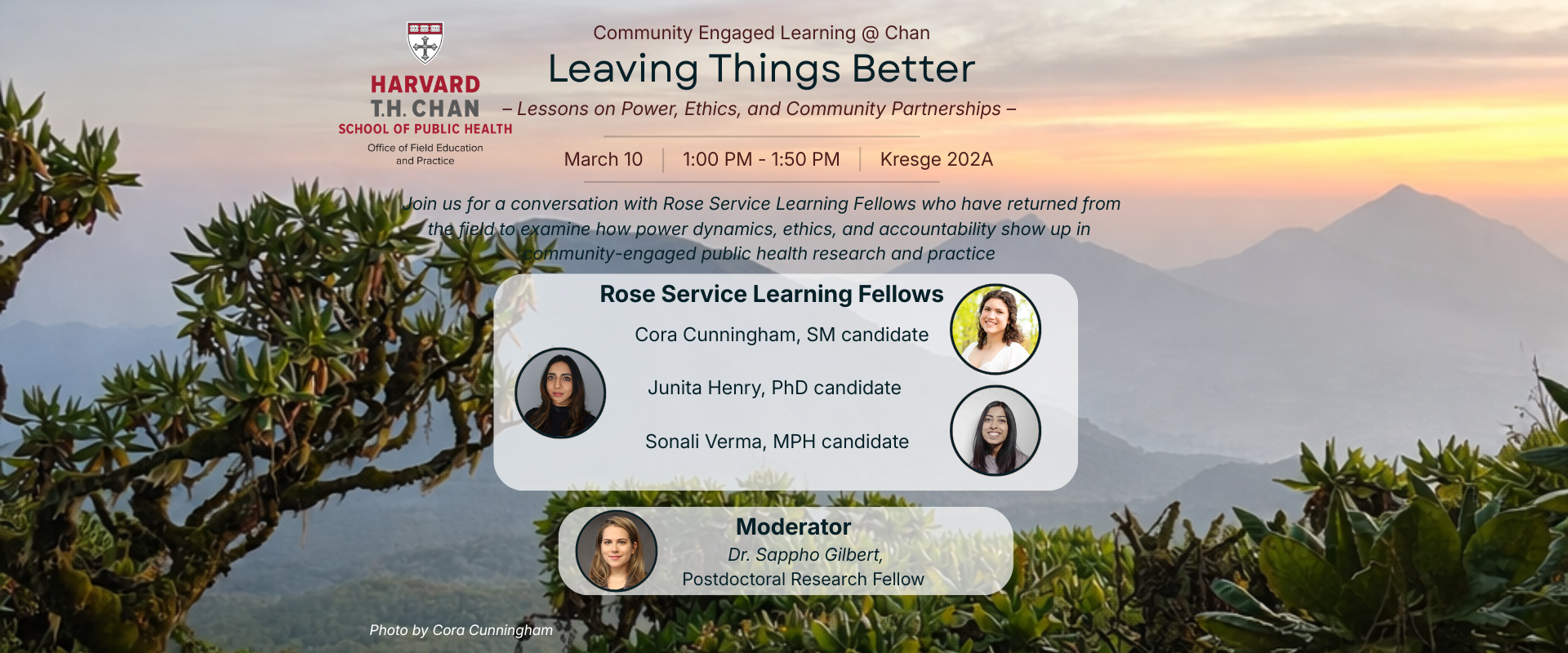
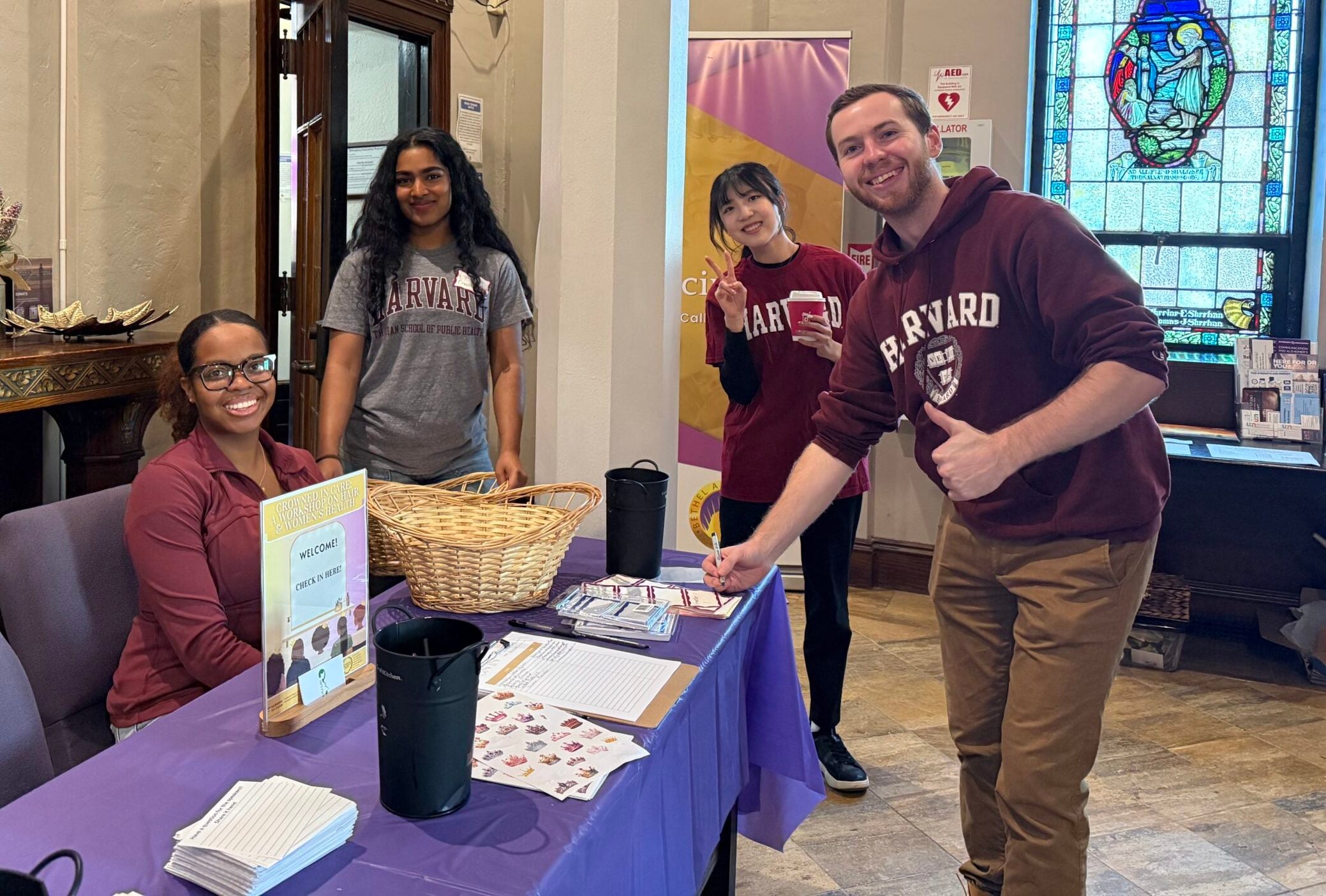
This deceptively simple question was where we landed through Leaving Things Better, a Community Engaged Learning @Chan seminar hosted on March 10. Moderated by Sappho Gilbert, a postdoctoral research fellow and community engaged learning (CEL) pedagogy fellow, the conversation brought together Rose Service Learning Fellows Cora Cunningham (SM candidate), Junita Henry (PhD candidate), and Sonali Verma (MPH candidate). Drawing on field experiences from diverse settings, the conversation explored how power dynamics, ethics, and accountability show up, and what it truly means to “leave things better” in community‑engaged public health practice.
Beyond IRB approval: ethics in the everyday
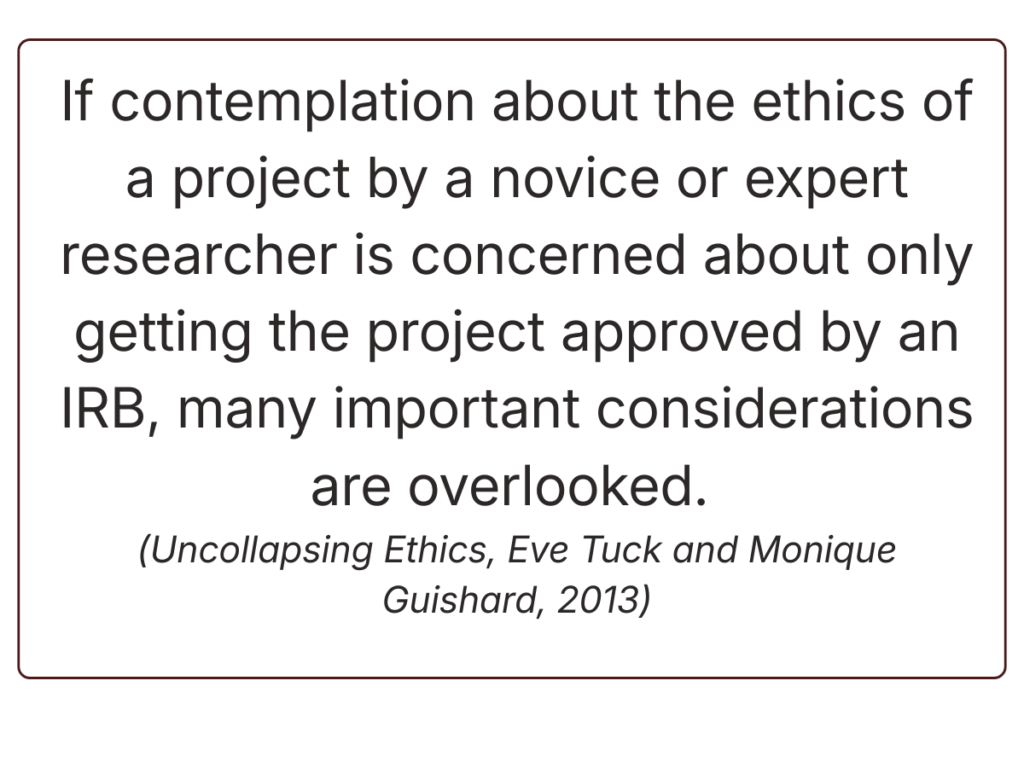
The session opened by questioning a common assumption: that once a project has Institutional Review Board (IRB) approval, the major ethical questions have been addressed. As the panelists reflected, ethics in community‑engaged work extend far beyond protocols and consent forms. Rather than treating ethics only as a hurdle to clear, they emphasized the importance of ongoing attention to relationships, responsibility, and the intended and unintended consequences of our work with communities.
Panelists also spoke about the value of formal IRB review. Cora reflected on how the IRB process can sharpen researchers’ intentions, forcing clarity about who is collecting which data, for what purposes, and with what safeguards. At the same time, Junita described experiences negotiating local review processes and navigating ethical dilemmas that were not captured by IRB protocols, while Sonali highlighted nuanced dynamics within practice‑based and service‑oriented projects that may not require formal IRB approval at all.
Positionality and the “Harvard factor”
How we relate to our partners depends deeply on who we are, where we come from, and how we are perceived. The panelists traced how awareness of power dynamics and positionality shaped their engagement in the field.
For Sonali, entering a new setting as a first‑time visitor to work with the Leo Project meant arriving as an “outsider” and being intentional about how she introduced herself. She spoke about the humility required to listen first, to learn local histories and priorities, and to be honest about what she could and could not offer within the scope of her role. In some contexts, the association with Harvard carried weight: opening doors, raising expectations, and at times added another layer of dynamics in how partners understood the project.
Junita reflected on returning home to South Africa yet still working outside of her own immediate context of Khayelitsha, Western Cape. Crossing linguistic, social, and economic boundaries, she deliberately leaned into an outsider posture to center learning and follow the lead of community partners. In her experience, the “Harvard factor” was not always the most salient identity; instead, other aspects of who she was and how she showed up in the work shaped relationships on the ground.
Cora described returning to project partners in Rwanda not only as a former student intern, but as a friend and, eventually, a board member of a partnering NGO. Her evolving role illustrated how commitments can extend beyond a semester or fellowship period, and how staying connected can deepen mutual accountability over time.
Sappho drew on a decade of partnership work in the Canadian Arctic to illustrate what enduring relationships can look like. A simple question: “When are you coming back?” captured the significance of long‑term presence and reciprocity. For partners, the expectation of return was less about specific deliverables and more about the continuity of relationships and shared work.
Being trustworthy, not just building trust
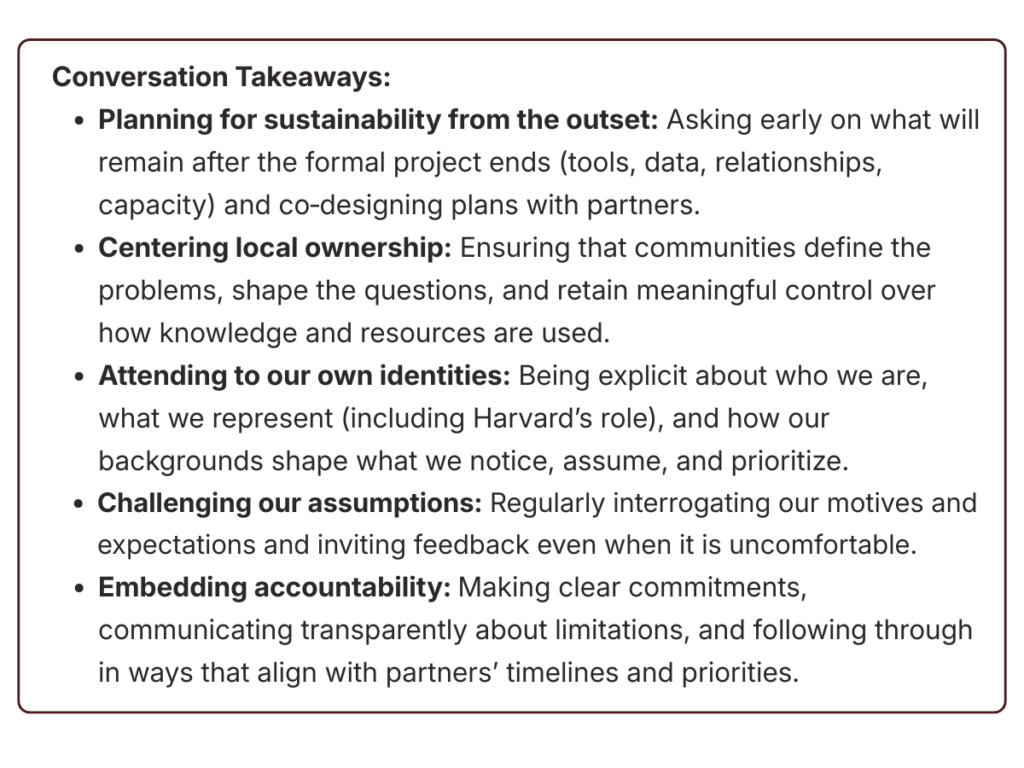
A recurring theme was the idea of “entry and exit” as ethical practices in their own right. Trust is not only built through how we arrive in a community; it is tested and revealed in how we leave. Our panelists emphasized that the story of a partnership is told as much by its conclusion as by its launch: Do we close loops with community partners? Are we transparent about what will and will not continue after students or funding cycles end? What responsibilities remain after a deliverable is submitted, or a dataset is analyzed?
These are complex, context‑specific questions without simple answers. Rather, these questions are pedagogical – they provide an opportunity to learn from one another’s experiences, including the unresolved tensions that persist after a project ends.
As the conversation closed, a subtle but powerful reframing emerged: shifting focus from “building trust” to “being trustworthy.” Trust cannot be demanded or guaranteed; it is earned over time through consistent, accountable actions.
The seminar reinforced that “leaving things better” is not a slogan or a protocol check box. It is an ongoing practice; one that requires us to continually reflect on power, ethics, and partnership, and to reorient our work toward being worthy of the trust communities extend.
Matlin Gilman, PhD ’26, studies the real-world health effects of policy decisions and builds artificial intelligence tools to advance health care
After a decade working in health policy research in universities, nonprofits, and the federal government, Matlin Gilman arrived at Harvard T.H. Chan School of Public Health with a steadfast belief that, as he put it, “rigorous policy analysis and modern data science can be powerful tools for improving people’s health and promoting health equity.”
As a PhD candidate in population health sciences at the Harvard Kenneth C. Griffin School of Arts and Sciences, Gilman has carved a unique academic path in pursuit of turning that idea into a reality. Within Harvard Chan School’s Department of Social and Behavioral Sciences, he has homed in on how to analyze the health effects of policy decisions using advanced statistical methods. And as a cross-registered student at Harvard’s John A. Paulson School of Engineering and Applied Sciences (Harvard SEAS), he has focused on studying artificial intelligence (AI) and machine learning techniques to help empower hospitals and clinicians to improve patient care.
Measuring the effects of abortion bans
When the U.S. Supreme Court overturned federal abortion protections in June 2022, reproductive health care shifted dramatically. Thirteen states banned abortion that year and four more have enacted bans since then. For his dissertation, Gilman set out to measure how these state abortion bans impacted reproductive, maternal, and infant health outcomes in the two years following the Supreme Court’s ruling.
“Access to reproductive care changed dramatically in some states and not at all in others,” Gilman said. “That kind of variation makes it possible to study cause and effect—but only if you can construct a credible picture of what would have happened without the bans.”
To construct this picture, Gilman used Bayesian modeling, a statistical approach that dynamically integrates new data to improve predictions. He built a model that predicted state-level reproductive health outcomes if abortion access had been upheld, taking into account each state’s pre-ban trajectory as well as broader national trends—such as changes in the economy and the COVID-19 pandemic—that the model captured indirectly. “The gap between the model’s predictions and the reproductive health outcomes that actually resulted was the estimated effect of the bans,” Gilman explained.
Gilman found that in states that introduced abortion bans, birth rates increased more than would have been expected without bans, particularly among Hispanic and Black women and women whose highest educational attainment was a high school degree. In contrast, Gilman said, “we didn’t see a significant effect among women with a college degree, which suggests that the workarounds available to some populations—such as expanded telehealth or traveling out of state for abortion care—may be out of reach for others.”
Gilman’s research also found increases in neonatal mortality—deaths within the first 28 days of life—in ban states, driven largely by deaths from severe birth defects. These states also had higher than expected rates of mortality among Black infants. Gilman did not find a statistically detectable effect on maternal mortality, though he noted that maternal deaths are rare enough that small changes are difficult to detect. “The full impact of abortion bans on maternal health may take years to emerge,” he said.
Building AI tools for health care
During his time at Harvard Chan School, Gilman’s focus expanded beyond measuring the effects of policies. He became interested in exploring how complex health care information could become more accessible and useful for the people who need to act on it—whether that’s a hospital trying to understand its own performance or a clinician searching for the best available evidence.
Gilman decided to complement his public health studies with the study of data science. He cross-registered at Harvard SEAS, focusing on machine learning, the architecture behind large language models, and engineering.
For one of his projects at Harvard SEAS, he analyzed Medicare’s Value-Based Purchasing program, which adjusts hospital reimbursements—by as much as millions of dollars—based on clinical outcomes, safety, patient experience, and efficiency. He built a machine learning model to predict whether a hospital would receive higher or lower reimbursements according to their performance, and identified which factors mattered most for that prediction.
“The model shows individual hospitals what to focus on to improve their performance under the program. Patient experience and efficiency drove the predictions more than the other domains,” he said. “That’s especially valuable information for safety-net hospitals, which often face financial instability.”
In another project, Gilman conceived of an AI-powered web application that clinicians could use to effectively and efficiently search through published medical literature to stay on top of current research findings, a gargantuan task as thousands of new studies are published daily. He built the tool with his Harvard SEAS classmates. It uses large language models to understand the meaning of a user’s question, then retrieves relevant studies from an indexed database of medical research and generates a synthesized answer with direct citations. Each cited study is labeled with its conflict-of-interest status, how widely it has been cited, and how recently it was published. Users can filter results on any of these attributes and switch between clinical and research modes so that responses are tailored to their needs.
“The literature is vast, and no one can read it all,” Gilman said. “We built a tool that synthesizes the evidence, links it to its sources, and lets the user decide which studies to prioritize—so the answers are both useful and verifiable.”
Looking ahead
As his PhD nears completion, Gilman is exploring roles in academia, health systems, and technology. His ultimate aim is to use data to help improve health outcomes and make well-being achievable in all communities.
“We have more health data than ever, but data alone doesn’t improve outcomes,” he said. “Someone has to do the careful work of figuring out what it means and making it useful. That’s the part I’m most interested in.”